The age at which girls experience their first period, or menarche, can provide insights into their future health, with earlier onset linked to increased risks of hormone-sensitive cancers, metabolic disorders, insulin resistance, and possibly heart disease, though more research is needed to clarify these connections.
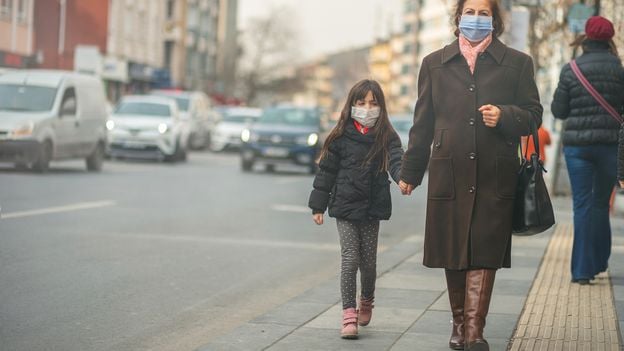
A study reveals that US girls exposed to high levels of PM2.5 air pollution are experiencing their first periods earlier, a trend also observed globally. This early onset of puberty, particularly pronounced in lower socioeconomic and ethnic minority groups, is linked to long-term health risks such as reproductive cancers, metabolic syndromes, and cardiovascular diseases. Researchers suggest that exposure to pollutants like PM2.5 disrupts hormonal processes, accelerating puberty. The phenomenon is multifactorial, involving environmental chemicals, obesity, and psychosocial factors.
A study by Harvard T.H. Chan School of Public Health found that girls are getting their periods earlier and taking longer to achieve regular menstrual cycles, with significant health implications. The research, which analyzed data from 71,341 women, highlighted that early menarche is linked to increased risks of cardiovascular disease, cancers, and other health issues. The trends are more pronounced among Black, Asian, Hispanic girls, and those from lower socioeconomic backgrounds. Factors such as obesity, environmental pollutants, and psychosocial stress are believed to contribute to these changes, though more research is needed to fully understand the causes.
A Harvard T.H. Chan School of Public Health study reveals that the average age of first menstrual period (menarche) is decreasing among younger generations in the U.S., particularly among racial minorities and lower-income individuals. The time for menstrual cycles to become regular is also increasing. The study, part of the Apple Women’s Health Study, highlights the influence of factors like childhood obesity, diet, stress, and environmental pollutants on these trends, emphasizing the need for more research on menstrual health.