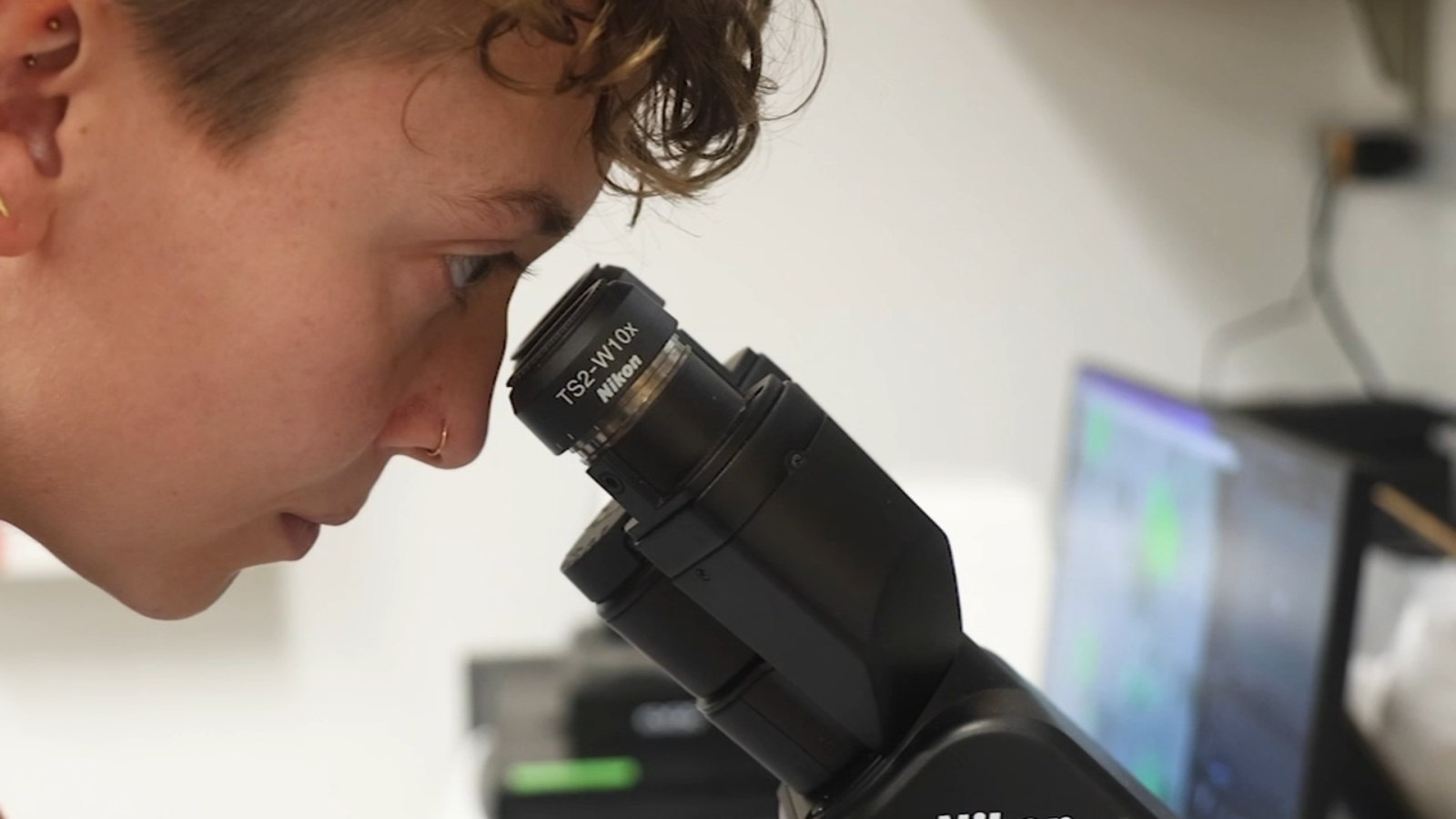
Duke researchers have discovered that small cell lung cancer likely originates from basal stem cells rather than neuroendocrine cells, which could lead to earlier detection and improved treatment strategies, including immune system involvement.
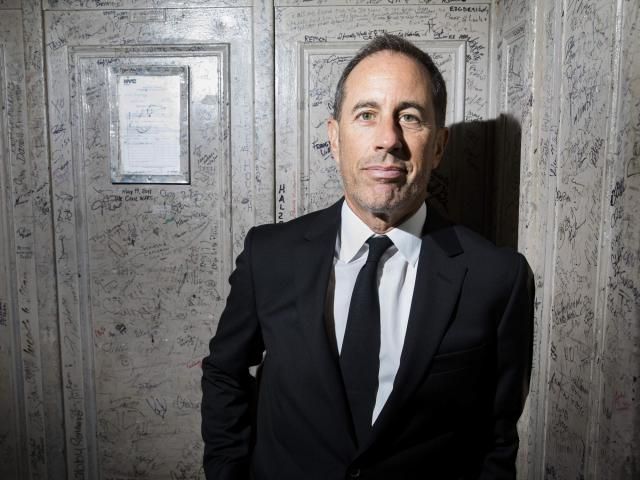
Jerry Seinfeld compared the 'Free Palestine' movement to the Ku Klux Klan, calling it antisemitic and suggesting it implies a dislike of Jews, which has sparked controversy at Duke University.
Jewish North Carolina state senator Sophia Chitlik condemned Jerry Seinfeld's controversial remarks comparing pro-Palestinian protesters to the Ku Klux Klan during a Duke University event, where Seinfeld also made comments about Israel and antisemitism amid heightened tensions following Hamas' attack on Israel.
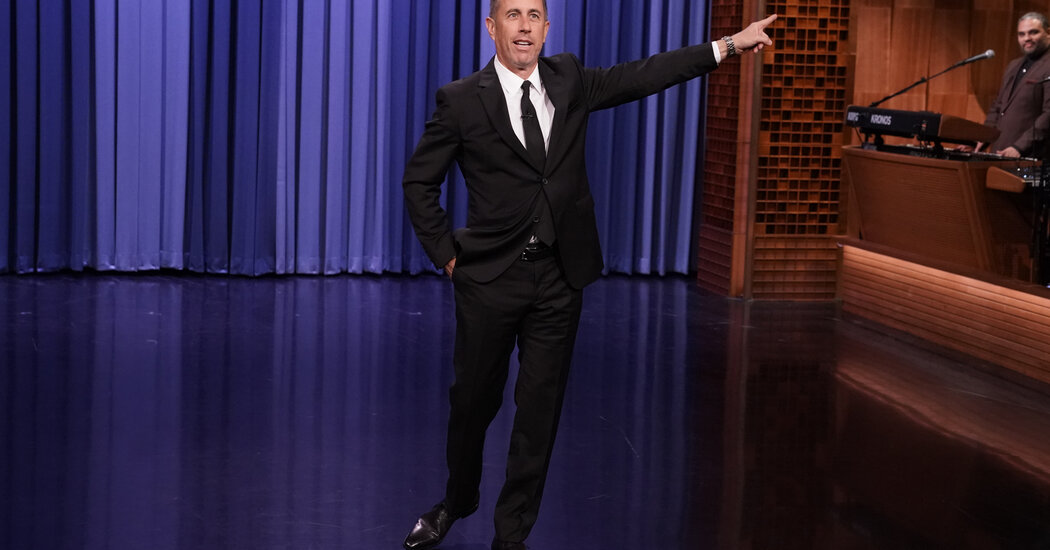
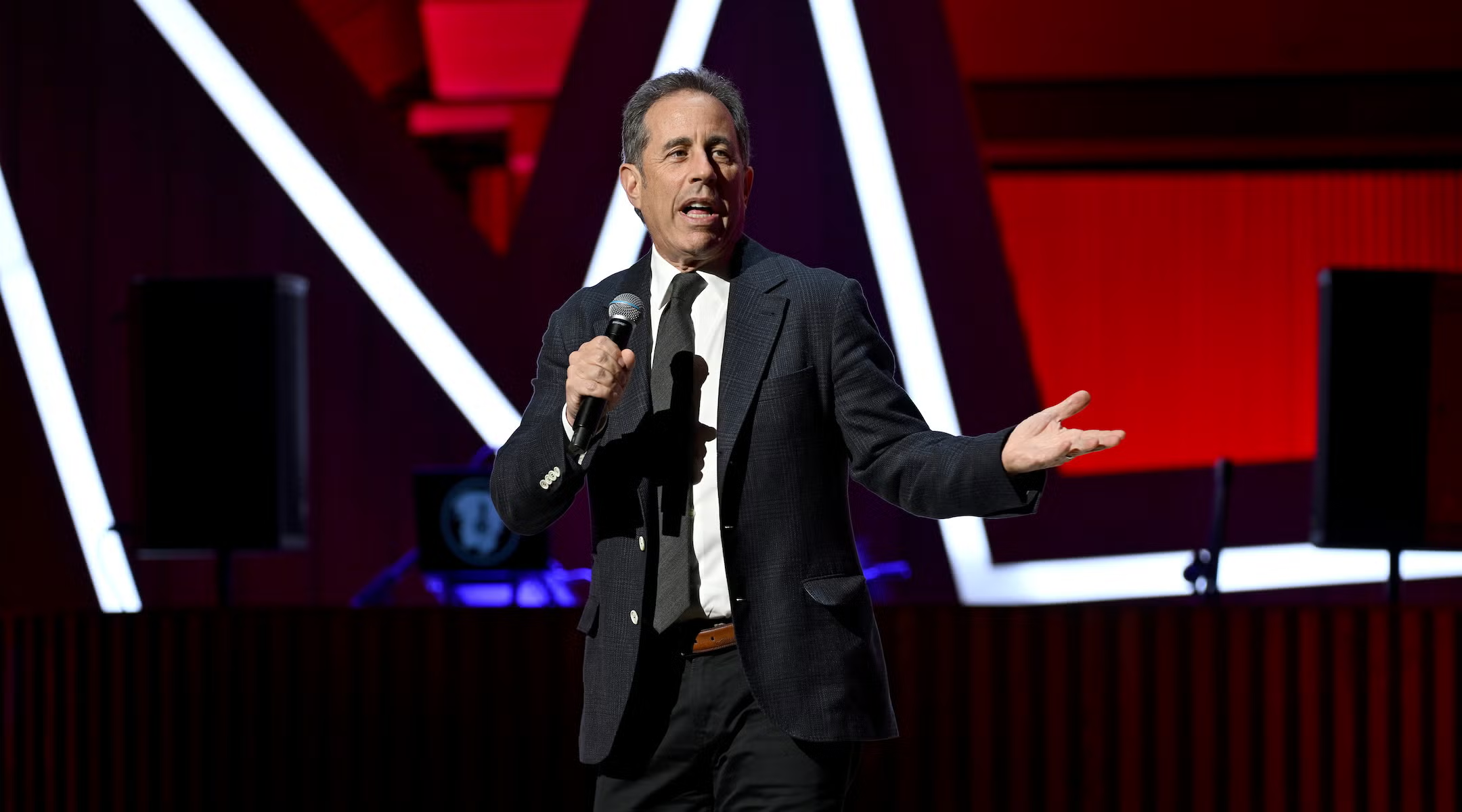
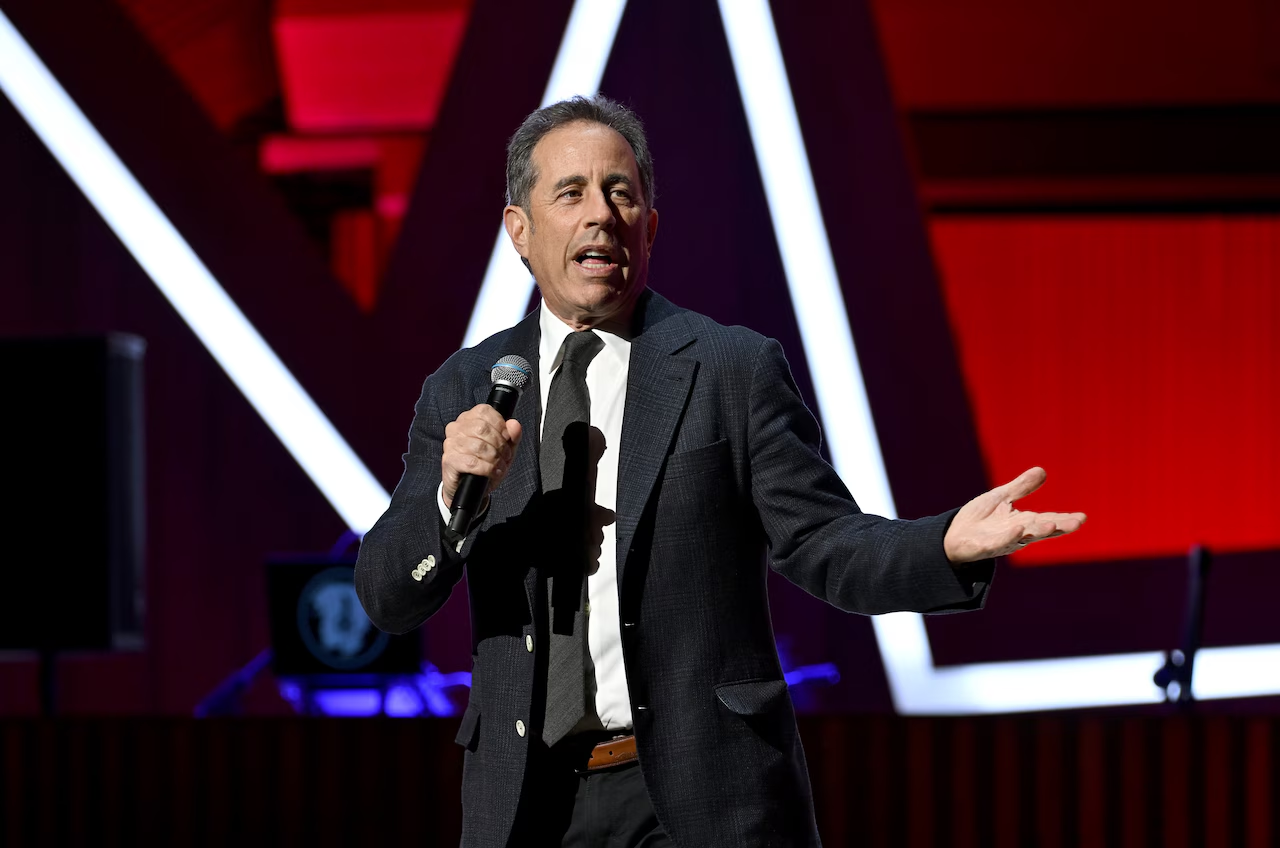
Jerry Seinfeld made a controversial comparison between the 'Free Palestine' movement and the Ku Klux Klan during a campus event at Duke University, suggesting that the movement's rhetoric is akin to expressing dislike for Jews, which sparked criticism and highlighted his outspoken stance against antisemitism amid the Israel-Hamas conflict.
Jerry Seinfeld made controversial remarks comparing the 'Free Palestine' movement to the Ku Klux Klan during a surprise speech at Duke University, criticizing the movement's rhetoric and highlighting ongoing tensions related to the Israeli-Palestinian conflict.
Originally Published 4 months ago — by Rolling Stone
Jerry Seinfeld criticized the 'Free Palestine' movement during a university event, comparing it to the Ku Klux Klan to suggest it conceals anti-Semitic sentiments, which sparked controversy and backlash.
Jerry Seinfeld sparked controversy at Duke University by comparing the 'Free Palestine' movement to the Ku Klux Klan, suggesting it implies anti-Semitic sentiments, which led to backlash and protests during his appearance at an event supporting Israeli hostages. Seinfeld has been publicly supportive of Israel amid ongoing conflicts, and his remarks have ignited debate and protests.
Jerry Seinfeld controversially compared the 'Free Palestine' movement to the Ku Klux Klan during a Duke University event, suggesting it is more harmful and less honest about its views, which sparked protests and controversy.
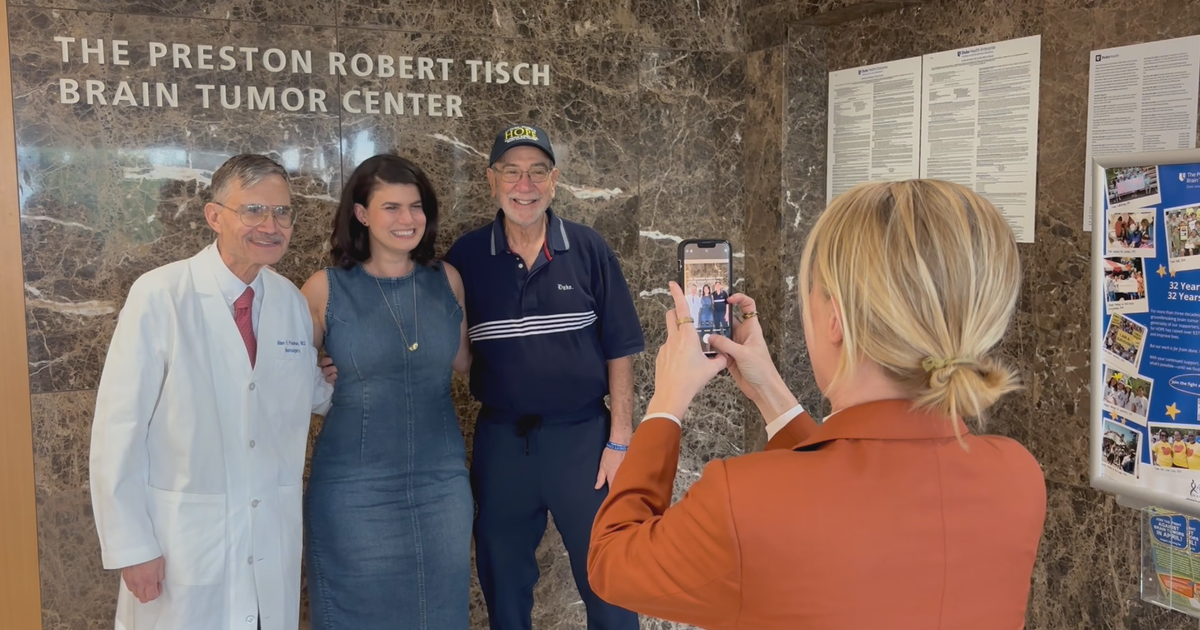
Rebecca Feinglos, a Durham native and daughter of a brain cancer patient, donated $250,000 to Duke's Preston Robert Tisch Brain Tumor Center to establish a grief support program for patients, families, and caregivers, aiming to address the emotional challenges associated with brain cancer and serve as a model for other healthcare systems.
Duke University is under federal investigation for its diversity practices amid funding cuts and allegations of racial preferences, with the Trump Administration warning of potential loss of federal support and freezing of funds, as the university faces broader scrutiny and financial challenges.
The U.S. Department of Education has launched an investigation into Duke University and Duke Law Journal over allegations of racial discrimination in their selection processes, citing potential violations of the Civil Rights Act and concerns about the use of race in admissions and hiring practices.
Cooper Flagg celebrated being the No. 1 draft pick in the 2025 NBA Draft by partying at Dave & Busters in Times Square, receiving a special gold card, and maintaining strong ties to his Maine roots, where he was celebrated as a hometown hero and had a day declared in his honor.
The Dallas Mavericks selected 18-year-old Duke forward Cooper Flagg with the No. 1 overall pick in the 2025 NBA Draft, recognizing his versatile skills and potential to contribute immediately to a team aiming for success. Flagg, a highly accomplished and well-rounded player, is expected to develop further under the mentorship of seasoned stars like Kyrie Irving and Anthony Davis.
During graduation season at Duke University, local scavengers like Lena Geller collect expensive items discarded by students, valuing their finds at around $6,600, highlighting issues of waste and resourcefulness.
The Trump administration ended a significant HIV vaccine research program led by Duke University, citing duplication and cost concerns, marking a setback in AIDS research despite recent scientific advances and discoveries made by the program.