Texas has seen an increase in college completion rates over the past 15 years, but significant disparities remain for low-income, minority, and rural students. Recent policy reforms aim to improve outcomes, but challenges like affordability and access continue to hinder progress, especially for disadvantaged groups.
Since 1985, breast cancer awareness initiatives have saved over 517,000 lives through improved screening and treatment, with significant progress in survival rates and technology, though disparities remain among different racial groups. The movement has grown globally, emphasizing early detection and personalized care, but ongoing efforts are needed to address health disparities and continue advancements.
A UK study of 7,824 children found that socioeconomic hardship in childhood increases the risk of developing eating disorder symptoms in adolescence, challenging the stereotype that such disorders only affect the wealthy and highlighting the need for better recognition and accessible treatment for disadvantaged groups.
A new study funded by Columbia University found that over 13% of new mothers experienced mistreatment by healthcare clinicians during childbirth in 2020, with the most common complaints being ignored or shouted at. The study revealed that mistreatment rates varied widely by factors such as race, ethnicity, marital status, insurance, and medical history, with the highest rates reported among certain demographic groups. The study, published in the JAMA Network Open medical journal, highlighted disparities in mistreatment during childbirth and noted limitations in its findings.
The World Health Organization estimates that global cancer cases will increase by 77% by 2050, reaching 35 million diagnoses, with lung cancer being the most common form. Inequities in cancer burden and access to care were highlighted, with factors such as obesity, tobacco use, and environmental factors driving the expected increases. In the US, cancer deaths have declined due to factors like reduced tobacco use, but racial disparities persist, and cancer patients are becoming younger. Efforts to address these challenges include President Biden's Cancer Moonshot initiative and calls for global investments to improve cancer care and outcomes.
A new report from the World Health Organization estimates that global cancer cases will jump 77% by 2050, reaching 35 million diagnoses. Inequities in cancer burden and access to care were highlighted, with factors such as obesity, tobacco use, and environmental factors driving the expected increases in cancer rates. While cancer deaths in the US have declined, racial disparities persist, and cancer patients are becoming younger. Efforts such as President Biden's Cancer Moonshot aim to address these challenges and reduce cancer deaths.
New Alzheimer’s drugs like Leqembi and donanemab offer hope for patients, but there is concern about the lack of data on how these medications might work in people of color, particularly African Americans. Low enrollment of Black patients in clinical trials raises questions about the drugs' effectiveness and safety for this population. Experts emphasize the need for more diversity in trials and urge the development of treatments targeting multiple potential drivers of cognitive decline to address disparities in Alzheimer’s treatment and care.
Orlando continues to have high rates of HIV diagnoses, surpassing both the state and national averages. In 2021, 618 people in metro Orlando were diagnosed with HIV, bringing the total number of HIV-diagnosed individuals in the area to 14,298. The majority of new diagnoses were among Black or Hispanic individuals, primarily in Orange County, and were attributed to unprotected sex or injection drug use. Despite the availability of free testing and treatment resources, socioeconomic disparities and stigma contribute to a lack of access to care and low viral suppression rates. Efforts are being made to address these issues through targeted outreach and education in communities of color.
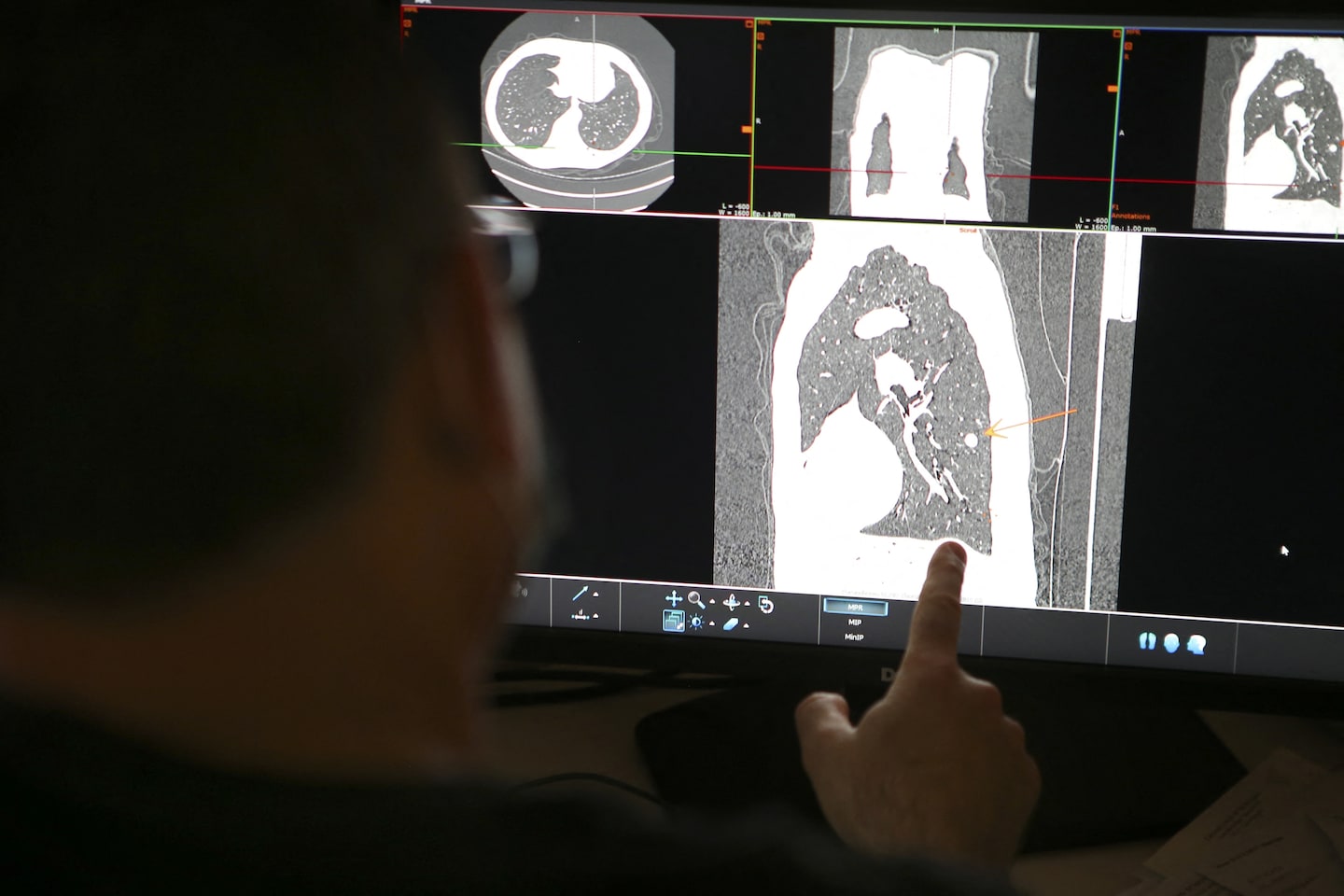
Lung cancer survival rates have increased in the past five years, but racial disparities persist, with Black and Latino communities experiencing lower survival rates compared to White individuals. The American Lung Association's "State of Lung Cancer" report emphasizes the need for improved messaging about lung cancer screening, as it remains the leading cause of cancer-related deaths in the US. Factors contributing to the overall improvement in survival rates include targeted immunotherapies and increased access to screenings. However, stigma, low screening rates, and limited health insurance coverage hinder progress. Smoking rates, radon, air pollution, and secondhand smoke are identified as risk factors, and public health messaging about lung cancer needs to change to address misconceptions.
Metro Atlanta has one of the highest HIV rates in the world, with cases rising since the pandemic began. Health officials are working to decrease new HIV cases by promoting sexual health and wellness, expanding access to testing and resources, and providing preventative measures like PrEP. Disproportionately impacting certain demographics, particularly Black and brown communities, knowledge and access to resources are crucial in fighting these numbers. Testing is emphasized as crucial, and testing will be available at major pride events happening in Atlanta this weekend.
A new mapping and data tool developed by Environmental Defense Fund and Texas A&M University researchers identifies 184 climate risks faced by communities across the United States, with a focus on the disproportionate vulnerability of Black and Indigenous populations to extreme heat. The tool aims to provide residents with knowledge about the climate risks they face and empower them to advocate for resources and change. The mapping tool reveals disparities in publicly funded services and resources, such as the absence of cooling centers in Beaumont, Texas, a city experiencing more heat-related deaths than 93% of the country. The tool combines 184 data sets to rank the risks of over 70,000 U.S. census tracts, offering a comprehensive view of climate vulnerability. Researchers hope the tool will hold policymakers accountable and spur legislative action to address climate disparities.
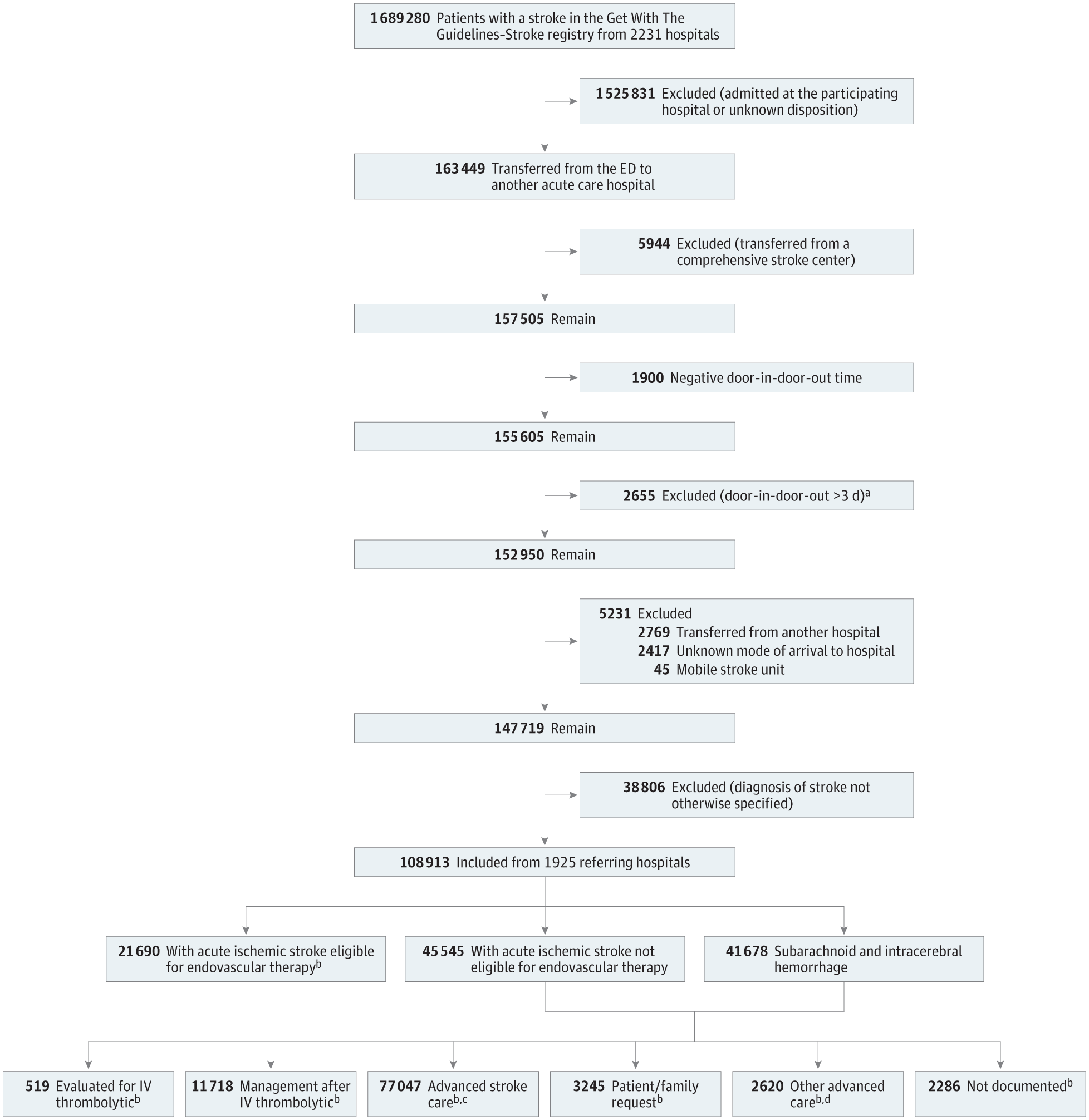
A retrospective US registry-based study found that the median door-in-door-out time for interhospital transfer of patients with stroke was 174 minutes, exceeding the recommended time of 120 minutes. Factors associated with longer door-in-door-out times included age 80 years or older, female sex, Black race, and Hispanic ethnicity. On the other hand, emergency medical services prenotification, severe stroke, and ischemic stroke eligible for endovascular therapy were associated with shorter times. The study highlights disparities and health system factors that could be targeted for quality improvement initiatives.
A new report by Truth Initiative has identified 12 states in the South and Midwest, dubbed "Tobacco Nation," where smoking rates are 50% higher than the rest of the US. These states are home to 28% of smokers in the country, despite only representing 21% of the population. The report attributes the higher smoking prevalence to weaker local policies on tobacco prevention and cessation, influenced by the tobacco industry and lack of political will. Additionally, residents in these states tend to smoke significantly more than in other states. The report highlights the need for stronger actions to address these disparities and improve public health.
Non-Hispanic Black and Hispanic/Latino children in the pediatric emergency department (ED) are less likely to be diagnosed with migraine and undergo diagnostic testing compared to non-Hispanic White children. White children are twice as likely to leave the ED with a migraine diagnosis and are more likely to undergo brain imaging and other tests. These disparities persist even after adjusting for socioeconomic factors, suggesting potential discrimination. The mismanagement of these children in the ED can negatively impact their subsequent care, treatment, and future research. Headache specialists express frustration and concern over the lack of accurate diagnoses and appropriate treatment for minority populations.
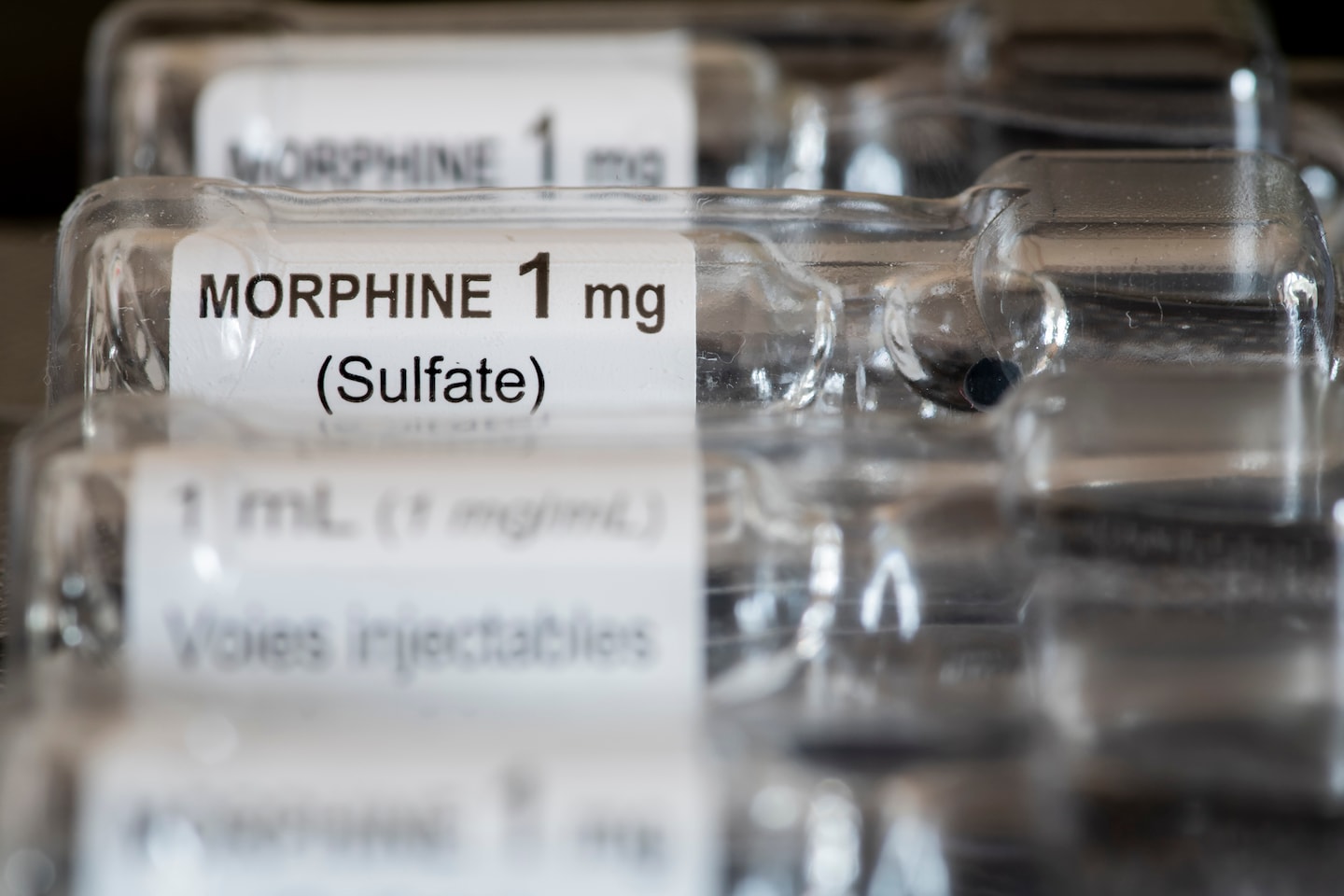
The World Health Organization (WHO) has highlighted the unequal distribution of morphine worldwide, leading to millions of people suffering preventable pain. While morphine is a crucial medication for pain relief, it is predominantly used in higher-income countries, leaving lower-income countries with severe shortages due to irregular supply, local policies, lack of providers, and stigma. The report calls for affordable pricing policies, distribution hubs, and expanded access to address the disparities. The authors also acknowledge the potential harms of morphine use, including substance misuse and illicit trade, but emphasize the importance of not letting people suffer when safe and effective pain management options are available.