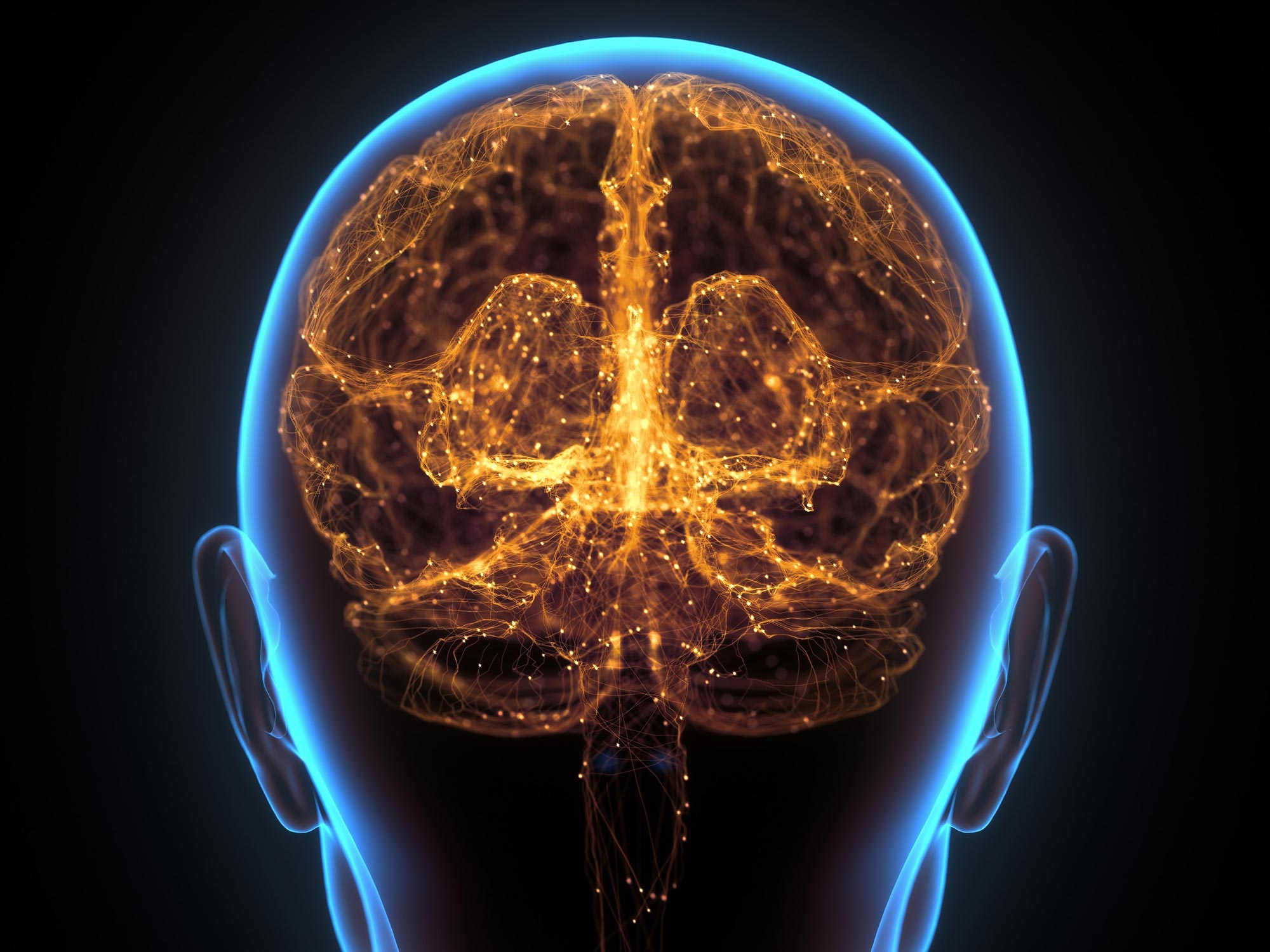
New research indicates that gut microbes influence brain function and evolution, with experiments showing that transferring microbes from primates with different brain sizes to mice alters brain activity and gene expression, potentially impacting cognitive traits and mental health conditions.
A study from Northwestern University demonstrates that gut microbes from primates with different brain sizes can influence brain activity and gene expression in mice, suggesting a significant role of the microbiome in brain evolution and potential links to neurodevelopmental disorders like autism and ADHD.
A mouse study suggests that a combination of zinc, serine, and branched-chain amino acids may improve brain connectivity and social behaviors in models of autism spectrum disorder, though further research is needed before clinical application.
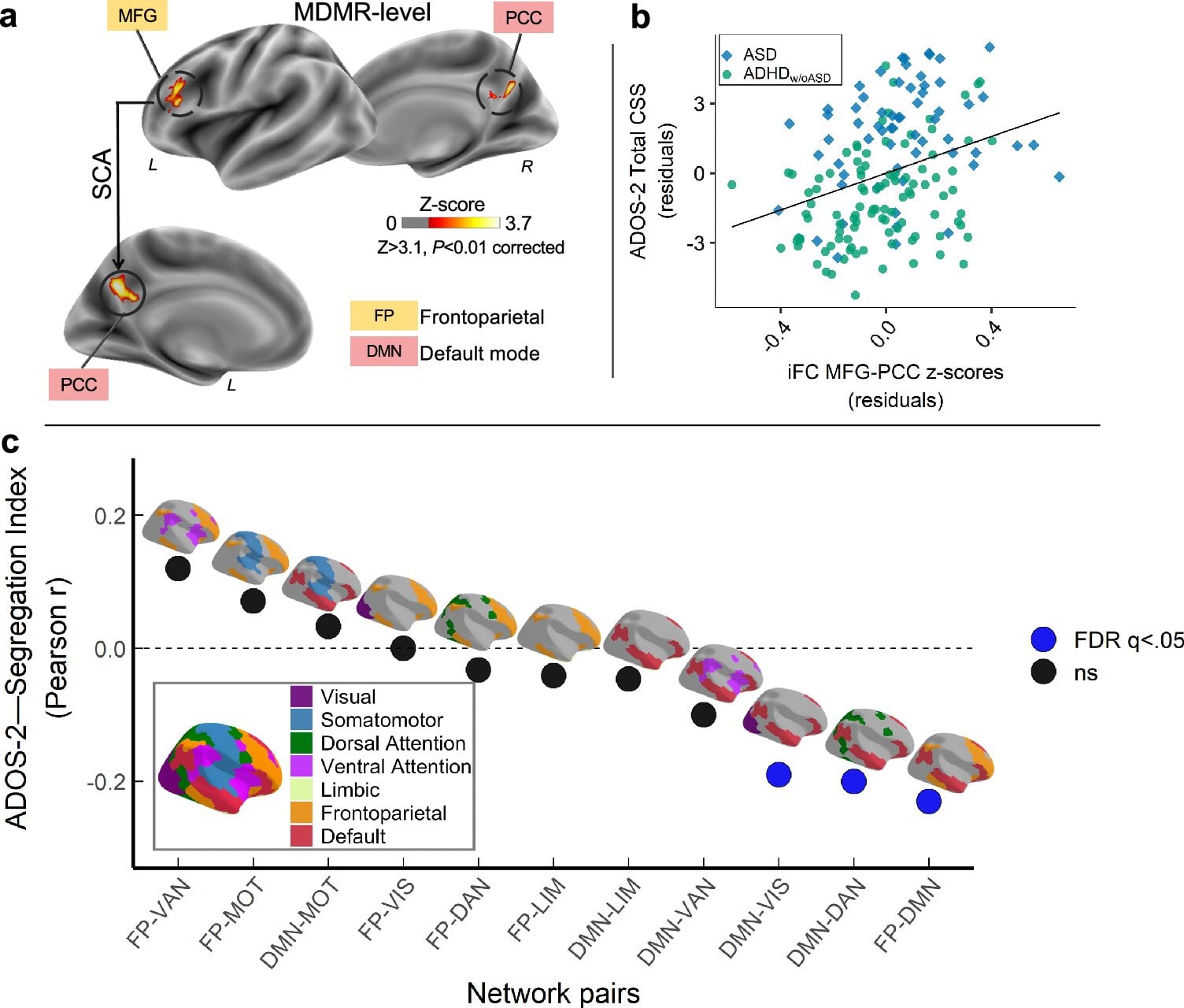
A study finds that autism symptom severity in children with autism and ADHD is linked to shared patterns of brain connectivity and gene expression, regardless of diagnosis, suggesting a common biological basis and supporting dimensional models of neurodevelopmental conditions.
A study finds that autism symptom severity, regardless of diagnosis, correlates with shared brain connectivity patterns and gene expression profiles in children with autism or ADHD, supporting a dimensional and biological approach to understanding neurodevelopmental conditions.
A study suggests children born to mothers who had Covid-19 during pregnancy are at higher risk of autism and neurodevelopmental disorders, especially if the infection occurred in the third trimester, highlighting potential impacts of maternal Covid-19 on fetal brain development.
Scientists have discovered that psychopaths have a 10% larger striatum in the brain, which is linked to impulsivity and a craving for stimulation, providing insights into the neurobiological basis of antisocial behavior and its developmental roots.
Research on mice shows that even mild early-life neglect, such as limited nesting material, impairs maternal care, leading to increased stress hormones, growth delays, and attachment issues in pups, highlighting the importance of consistent, adequate caregiving for healthy emotional and physiological development.
A UC Davis study found that psilocybin worsens anxiety and depression symptoms in postpartum mice and can negatively affect their offspring, suggesting that psychedelics may pose risks during the postpartum period and are not universally beneficial for mental health treatment.
A study found that preterm infants who received more skin-to-skin contact showed stronger development in brain regions related to emotion and stress regulation, suggesting early caregiving experiences may influence long-term brain health.
Wildfires not only cause immediate destruction but also pose long-term neurological risks, especially to vulnerable populations like pregnant women and children, through exposure to smoke, trauma, and environmental toxins. Emerging research highlights the potential for lasting brain development issues, mental health challenges, and intergenerational effects, underscoring the need for integrated public health responses and policies that prioritize neurological health in climate disaster management.
A study links prenatal exposure to the pesticide chlorpyrifos with lasting brain abnormalities and motor function issues in children and adolescents, highlighting ongoing risks from agricultural and residential use of the chemical.
Researchers at Virginia Tech are developing a novel focused ultrasound technique to deliver creatine directly to the brain, bypassing the blood-brain barrier, to improve brain function and development in individuals with creatine deficiency disorders.
A recent study links reduced ability to detoxify BPA, a common plastic chemical, to children with autism and ADHD, suggesting environmental pollutants may influence neurodevelopmental disorders, especially in vulnerable populations.
A new nanoemulsion form of vitamin D3 significantly improves core autism symptoms in children, outperforming traditional supplements by enhancing vitamin absorption and leading to notable behavioral and developmental improvements, though further research is needed.