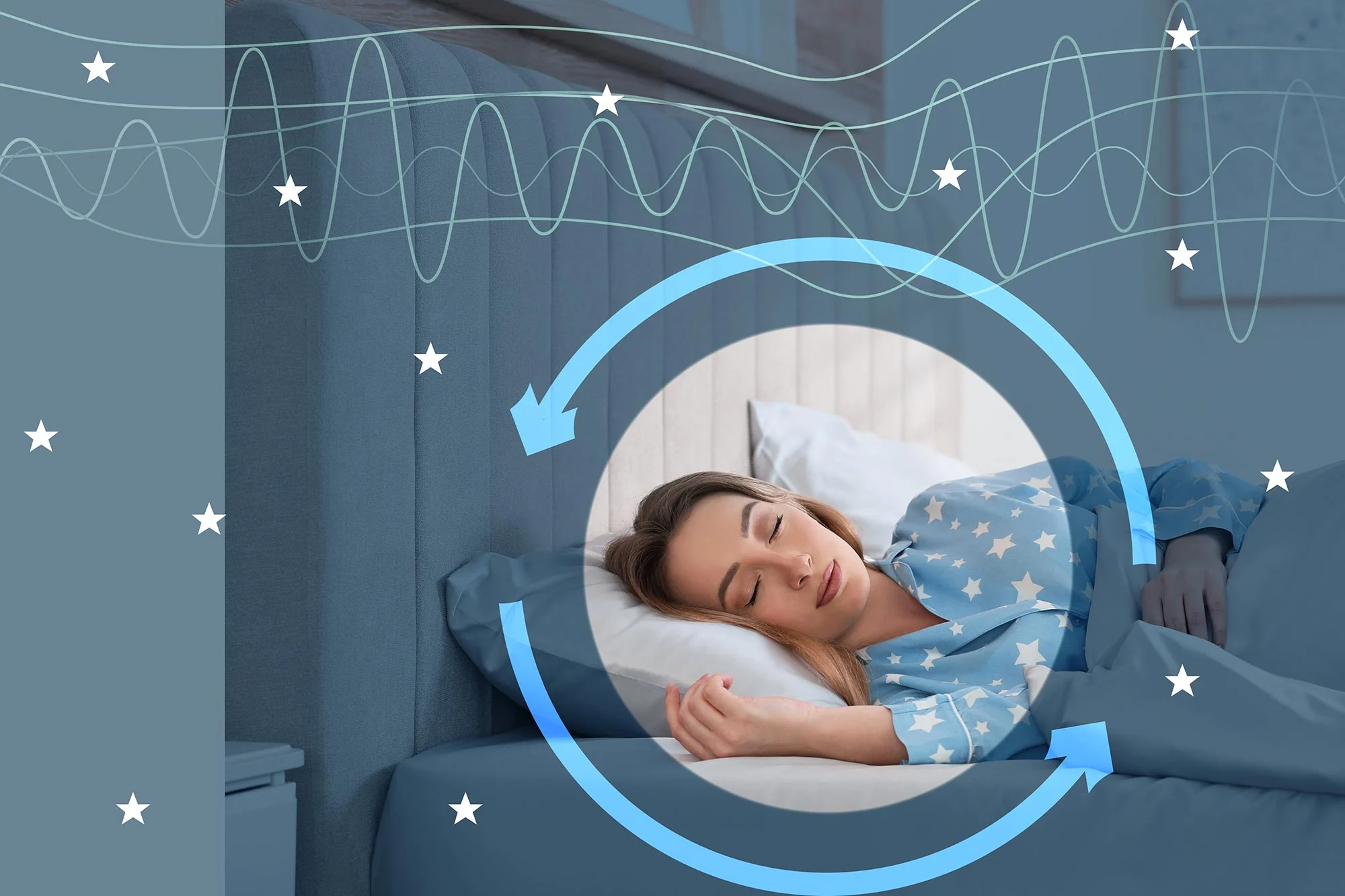
New research from the University of Michigan shows that human circadian rhythms are still strongly influenced by seasonal sunlight, with genetic differences affecting individual responses to day length and shift work, highlighting the deep biological connection to natural light cycles and potential health implications.
Research from the University of Michigan shows that human sleep patterns are still influenced by seasonal changes in sunlight through dual circadian clocks tracking dawn and dusk, with genetic factors affecting individual sensitivity, which has implications for understanding sleep disorders and health issues related to circadian misalignment.
Chronobiologist Emily Manoogian discusses the importance of aligning eating schedules with circadian rhythms for optimal metabolic health. She highlights the significance of timing meals, such as when to start and stop eating, and maintaining a consistent schedule to support weight management and overall health. The podcast also addresses how to distribute calorie intake throughout the day and offers advice for shift workers to mitigate metabolic issues.
A study involving over 37,000 participants reveals that regular night shifts have the highest prevalence of sleep disorders, with 51% of night shift workers reporting at least one sleep disorder. The research also highlights the impact of demographic factors such as age, gender, and education level on sleep health among shift workers, particularly affecting young adults with lower education. These findings emphasize the need for tailored strategies to address the sleep-related challenges faced by shift workers.
Working night shifts may increase the risk of memory loss and cognitive impairments, according to a study conducted by researchers at York University in Canada. The study analyzed data from 47,811 adults and found that those working outside the typical 9 a.m. to 5 p.m. schedule had a higher likelihood of experiencing cognitive decline, brain deterioration, and behavioral changes. The disruption to the circadian rhythm caused by shift work is believed to be a contributing factor. It is recommended that adults get at least seven hours of sleep per night to maintain a healthy circadian rhythm.
A study tracking over 175,000 British adults found that individuals who work rotating shift patterns, such as nurses, security guards, and police officers, are 22% more likely to be diagnosed with depression and 16% more likely to have anxiety compared to those on a standard day schedule. However, the study did not find an increased risk of depression among self-employed individuals or those routinely working night shifts, suggesting that night shift workers may have adjusted to the altered lifestyle, reducing the severe fatigue that contributes to mental health problems. Factors such as poor sleep, smoking, higher BMI, lower income, and living in a poor environment were identified as potential causes of mental health issues among shift workers.
Time-restricted eating (TRE) could reduce the risks of heart disease linked with shift work, according to a new study. Firefighters who followed a time-restricted eating plan, eating all of their meals within a 10-hour time window, saw those risks reduced. The intervention focused on firefighters in San Diego, California, and provided benefits to participants who had indications of cardiometabolic disease. The research team wants to conduct similar studies with healthcare workers.