Tag

Lifestyle Intervention

All articles tagged with #lifestyle intervention

Early Signs of Fatty Liver and Insulin Resistance You Can Spot

Originally Published 2 months ago — by Times of India

Featured image for Early Signs of Fatty Liver and Insulin Resistance You Can Spot
Source: Times of India

Fatty liver disease and insulin resistance are interconnected conditions that can be detected early through physical signs such as a protruding belly, skin tags, leg lines, facial puffiness, and high blood pressure, enabling timely lifestyle changes to prevent serious health complications.


Simple Lifestyle Changes May Help Prevent Dementia and Keep Your Brain Young

Originally Published 5 months ago — by The Washington Post

Featured image for Simple Lifestyle Changes May Help Prevent Dementia and Keep Your Brain Young
Source: The Washington Post

A large clinical trial found that a combination of exercise, healthy diet, social engagement, and brain training can improve cognitive function in older adults at risk of dementia, with structured programs showing more benefits than self-guided efforts. The study emphasizes the importance of healthy lifestyle changes for brain health and suggests that even educational interventions can be beneficial, though long-term effects are still being studied.

Lifestyle Changes Can Boost Cognition and Fight Early Alzheimer’s

Originally Published 5 months ago — by Medscape

Featured image for Lifestyle Changes Can Boost Cognition and Fight Early Alzheimer’s
Source: Medscape

The US POINTER study found that intensive, structured lifestyle programs significantly improve cognition in at-risk older adults over two years, with the structured approach yielding greater benefits than a self-guided one, suggesting even modest lifestyle changes can support cognitive health.

"Assessing the Impact of a Nationwide Diabetes Prevention Programme: A Quasi-Experimental Evaluation"

Originally Published 2 years ago — by Nature.com

Featured image for "Assessing the Impact of a Nationwide Diabetes Prevention Programme: A Quasi-Experimental Evaluation"
Source: Nature.com

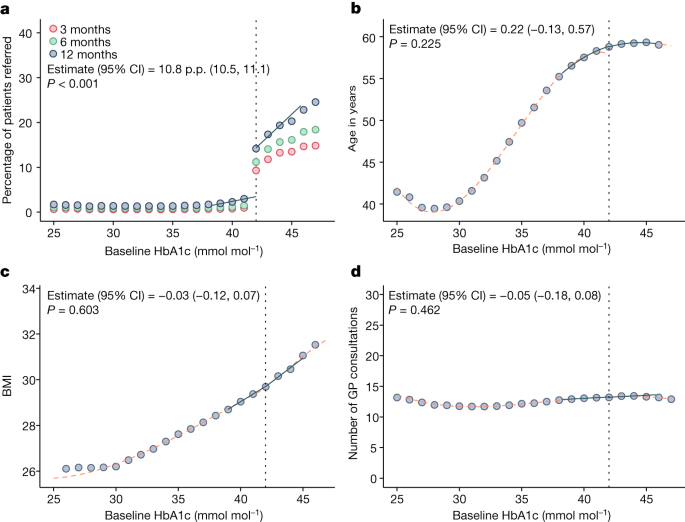
A quasi-experimental evaluation of the English National Health Service (NHS) Diabetes Prevention Programme (DPP) found that the program was associated with a reduction in the incidence of type 2 diabetes in England. The study analyzed data from over 1.7 million individuals and compared the incidence of diabetes between those who participated in the DPP and a control group. The results showed that the DPP was associated with a 26% reduction in the incidence of diabetes over a three-year period. The findings highlight the effectiveness of lifestyle interventions in primary care settings for preventing type 2 diabetes.

The Power of Climbing Stairs: Lower Blood Pressure and Reduce Heart Disease Risk

Originally Published 2 years ago — by Good News Network

Featured image for The Power of Climbing Stairs: Lower Blood Pressure and Reduce Heart Disease Risk
Source: Good News Network

Increasing daily steps by 3,000 can significantly reduce high blood pressure in older adults, according to a study published in the Journal of Cardiovascular Development and Disease. The study focused on sedentary older adults between ages 68 and 78 who walked an average of 4,000 steps per day. After the intervention, participants' systolic and diastolic blood pressure decreased by an average of seven and four points, respectively. The findings suggest that this simple lifestyle intervention can be as effective as structured exercise and some medications in managing hypertension. The researchers hope to launch a larger clinical trial based on these results.

Plant-based diet may aid in diabetes remission.

Originally Published 2 years ago — by Medical News Today

Featured image for Plant-based diet may aid in diabetes remission.
Source: Medical News Today

A lifestyle intervention that includes a whole-food, plant-predominant diet could lead to type 2 diabetes remission, according to a new study. Patients who followed a plant-based eating pattern showed improvements in blood glucose control, and 37% of the individuals in the study achieved full diabetes remission. Plant-predominant diets may help with the reversal of insulin resistance, and they are associated with improved insulin sensitivity. Along with adopting healthier eating habits, weight loss, exercise, stress reduction, and avoiding alcohol can help treat diabetes.

Mediterranean Diet Slows Brain Aging and Reduces Dementia Risk.

Originally Published 2 years ago — by Neuroscience News

Featured image for Mediterranean Diet Slows Brain Aging and Reduces Dementia Risk.
Source: Neuroscience News

A green Mediterranean diet, high in dietary polyphenols and low in red/processed meat, can slow down brain aging, according to a new study. The research found that weight loss related to this diet reduced the aging of participants’ brains, with a 1% reduction in body weight leading to a nearly 9-month decrease in brain age. The study highlights the significant impact of dietary habits on brain health and the importance of a healthy lifestyle, including lower consumption of processed food, sweets, and beverages, in maintaining brain health.

The Alarming Rise of Stroke Cases and Deaths Globally.

Originally Published 2 years ago — by Indiatimes.com

Featured image for The Alarming Rise of Stroke Cases and Deaths Globally.
Source: Indiatimes.com

A recent study has found an 11% overall rise in intracerebral hemorrhage strokes over a 15-year period, with the rise in cases highest in younger and middle-aged adults. Health conditions that increase a person's risk for stroke are becoming more common in this age group, including high LDL cholesterol levels, hypertension, vascular diseases, and diabetes. Roughly 80% of strokes are preventable, and lifestyle interventions such as no smoking, staying physically active, getting enough sleep, and eating a healthy diet can help reduce the risk of stroke.

Time-Restricted Eating for Work-Related Health Prevention.

Originally Published 2 years ago — by Good News Network

Featured image for Time-Restricted Eating for Work-Related Health Prevention.
Source: Good News Network

Time-restricted eating (TRE) could reduce the risks of heart disease linked with shift work, according to a new study. Firefighters who followed a time-restricted eating plan, eating all of their meals within a 10-hour time window, saw those risks reduced. The intervention focused on firefighters in San Diego, California, and provided benefits to participants who had indications of cardiometabolic disease. The research team wants to conduct similar studies with healthcare workers.

The Link Between Poor Sleep and Increased Asthma Risk

Originally Published 2 years ago — by SciTechDaily

Featured image for The Link Between Poor Sleep and Increased Asthma Risk
Source: SciTechDaily

Poor quality sleep may double the risk of asthma diagnosis by increasing genetic susceptibility, according to a UK Biobank study. The study included 455,405 participants aged 38-73, whose sleep patterns and genetic asthma risk scores were analyzed. People with high genetic risk and poor sleep patterns were 122% more likely to be diagnosed with asthma than those with a low genetic risk and a healthy sleep pattern. Early detection and treatment of sleep disorders could help reduce asthma risks, irrespective of genetic predisposition. A healthy sleep pattern seems to be linked to a lower risk of asthma, prompting the researchers to suggest that spotting and treating sleep disorders early on might lessen the risks, irrespective of genetic predisposition.