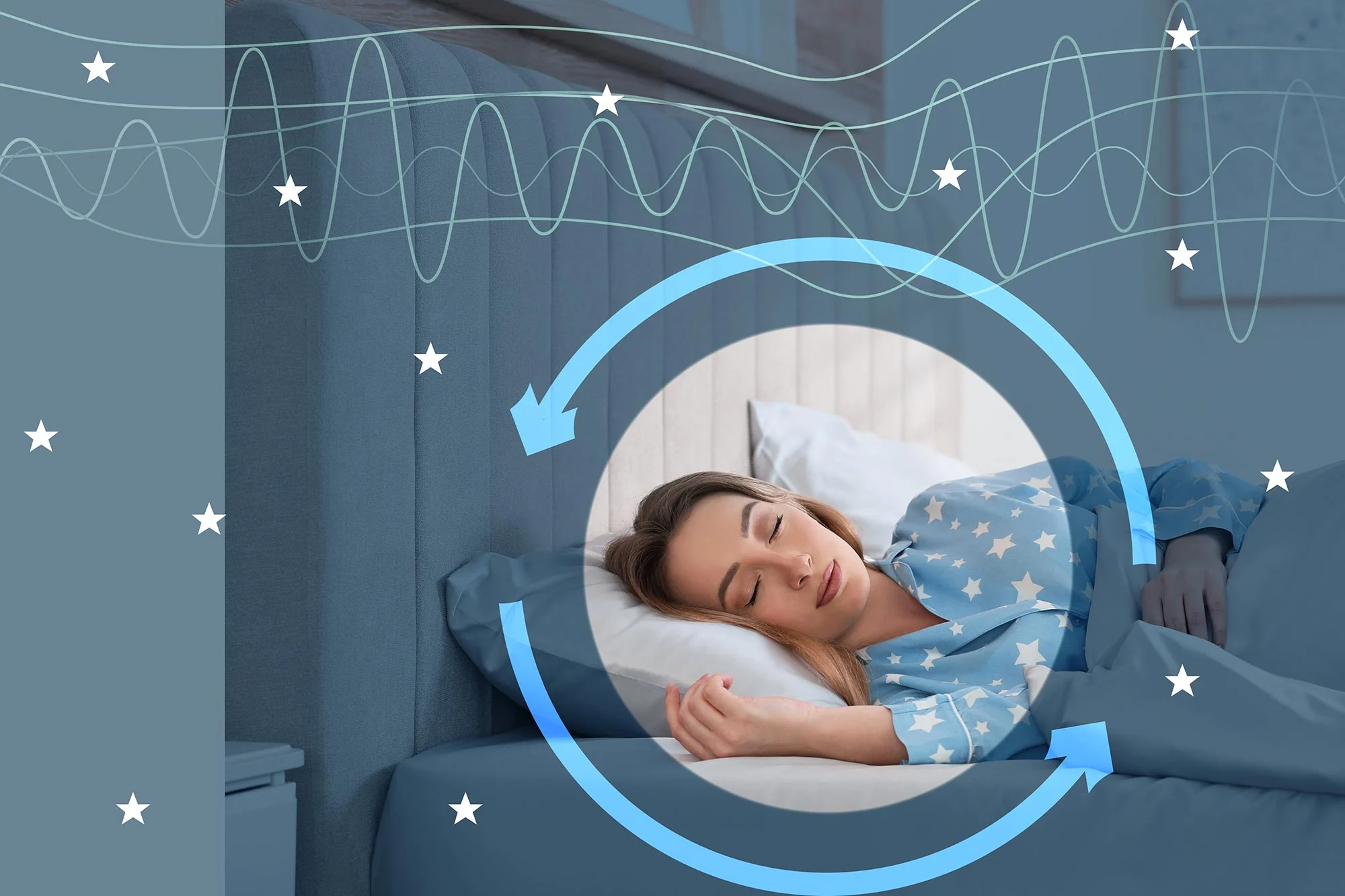
In the 1960s, Michel Siffre's cave experiments revealed that humans have an internal biological clock that can operate independently of external cues, influencing our understanding of circadian rhythms, with implications for space travel, military operations, and health research.
In 1962, Michel Siffre's 63-day cave experiment revealed that humans have an internal biological clock that can operate independently of external cues like sunlight, leading to groundbreaking insights in chronobiology and implications for space travel and military isolation.
New research from the University of Michigan shows that human circadian rhythms are still strongly influenced by seasonal sunlight, with genetic differences affecting individual responses to day length and shift work, highlighting the deep biological connection to natural light cycles and potential health implications.
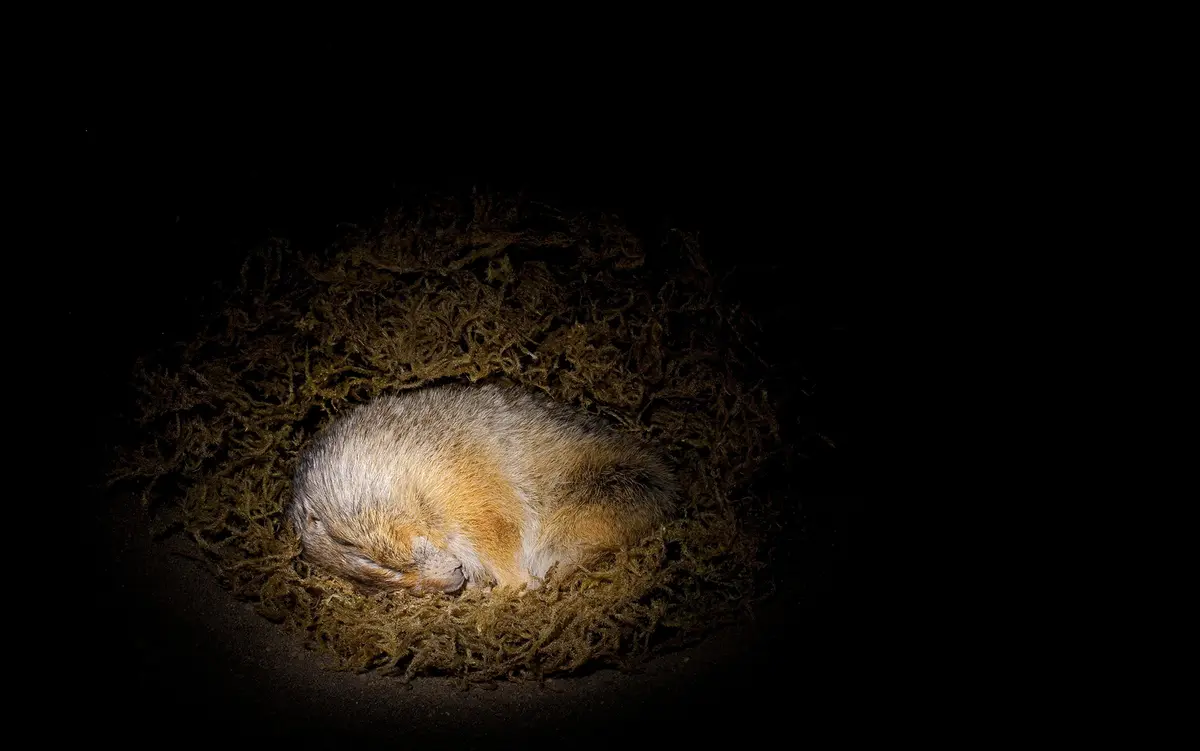
The article explores the concept of hibernation, a state of suspended animation used by many animals to survive harsh conditions, and questions whether humans could ever achieve a similar state. While hibernation involves a controlled reduction in metabolism and is common among various mammals, its application to humans remains speculative and largely within the realm of science fiction. Despite historical attempts to induce hibernation in humans, scientific understanding of the process is still limited, and the potential for human hibernation remains an intriguing but elusive possibility.
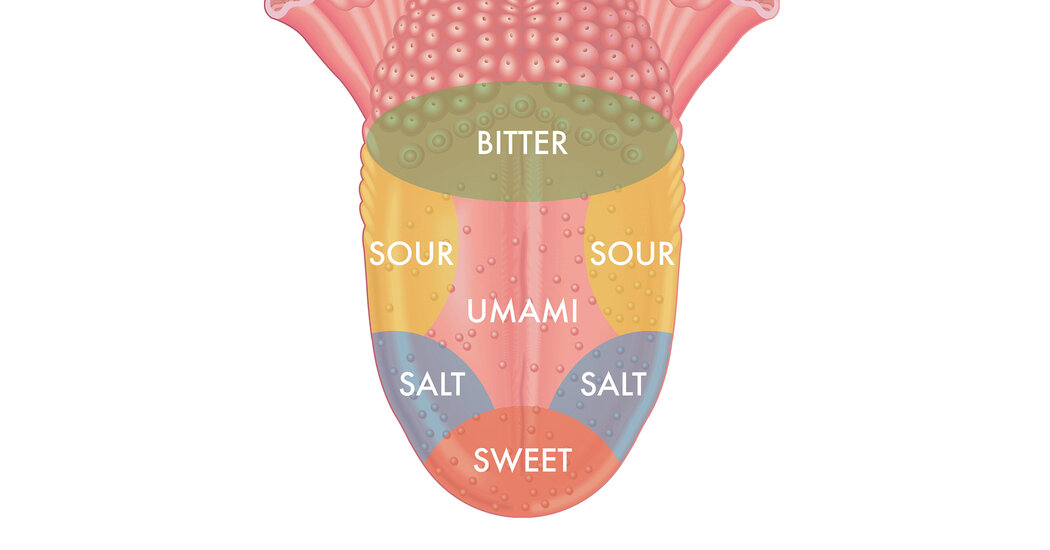
The long-held belief that specific tastes are confined to certain areas of the tongue is a myth, debunked by decades of research. The original 1901 study by David Hanig, often misinterpreted, actually measured sensitivity rather than segregation of tastes. Taste receptors are not limited to the tongue but are also found in various organs throughout the body, playing a complex role in signaling the brain about nutrients and toxins.
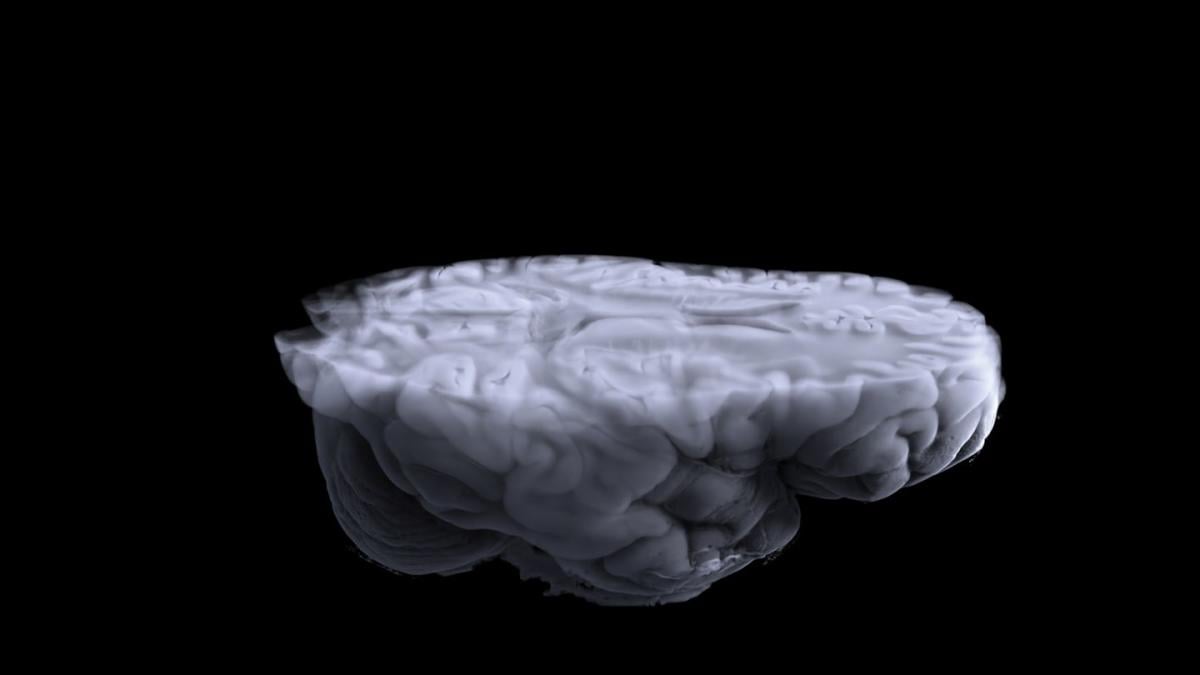
A new study from the University of California Davis has found that the human brain has increased in size by 6.6 percent between the 1930s and the 1970s, with noticeable growth in volume, surface areas, and structures such as the hippocampus. This increase is attributed to improved health, social-cultural changes, and educational factors, and could potentially explain the decreasing incidence of brain diseases like Alzheimer’s. The research suggests that external influences, in addition to genetics, play a role in determining brain size and long-term brain health.
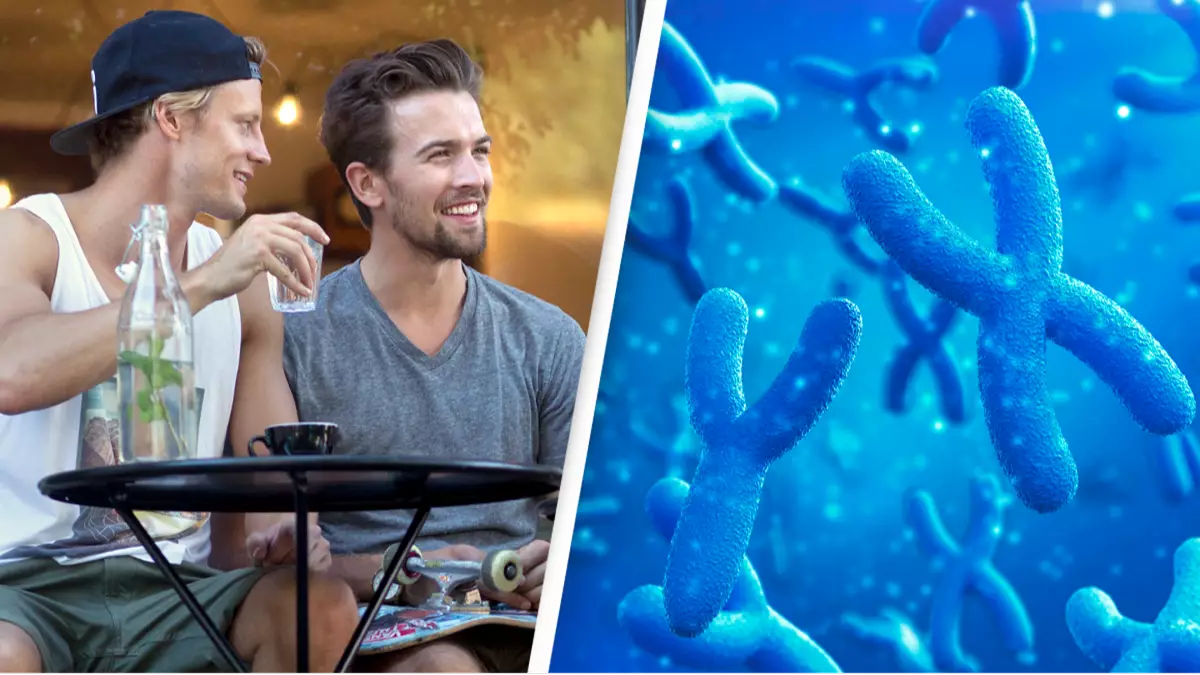
Scientists are divided over the implications of the disappearing Y chromosome, with some speculating potential fertility problems and the emergence of a new species, while others believe that the SRY gene may move to another chromosome or that genetic engineering could replace the Y chromosome altogether. The Y chromosome has been degrading over the estimated 3.5 million years of human existence and may have roughly 4.6 million years left before it disappears from our DNA, but there is no immediate cause for alarm.
Researchers at the University of California, San Diego, have been studying the role of sugar chains called glycans and sugar molecules known as sialic acids in human evolution and disease susceptibility. They found that our ancestors lost one type of sialic acid, Neu5Gc, which left humans vulnerable to certain diseases. The presence of Neu5Ac, another type of sialic acid, may be associated with the severity of diseases like Covid-19. The researchers also discovered that the consumption of red meat, which contains Neu5Gc, may lead to inflammation and an increased risk of cancer. Additionally, they found that a mutated form of a sugar-binding gene receptor called CD33, which protects against Alzheimer's, may have emerged as an adaptation to gonorrhoea. These findings shed light on the complex relationship between sugar-coated cells, human evolution, and disease.
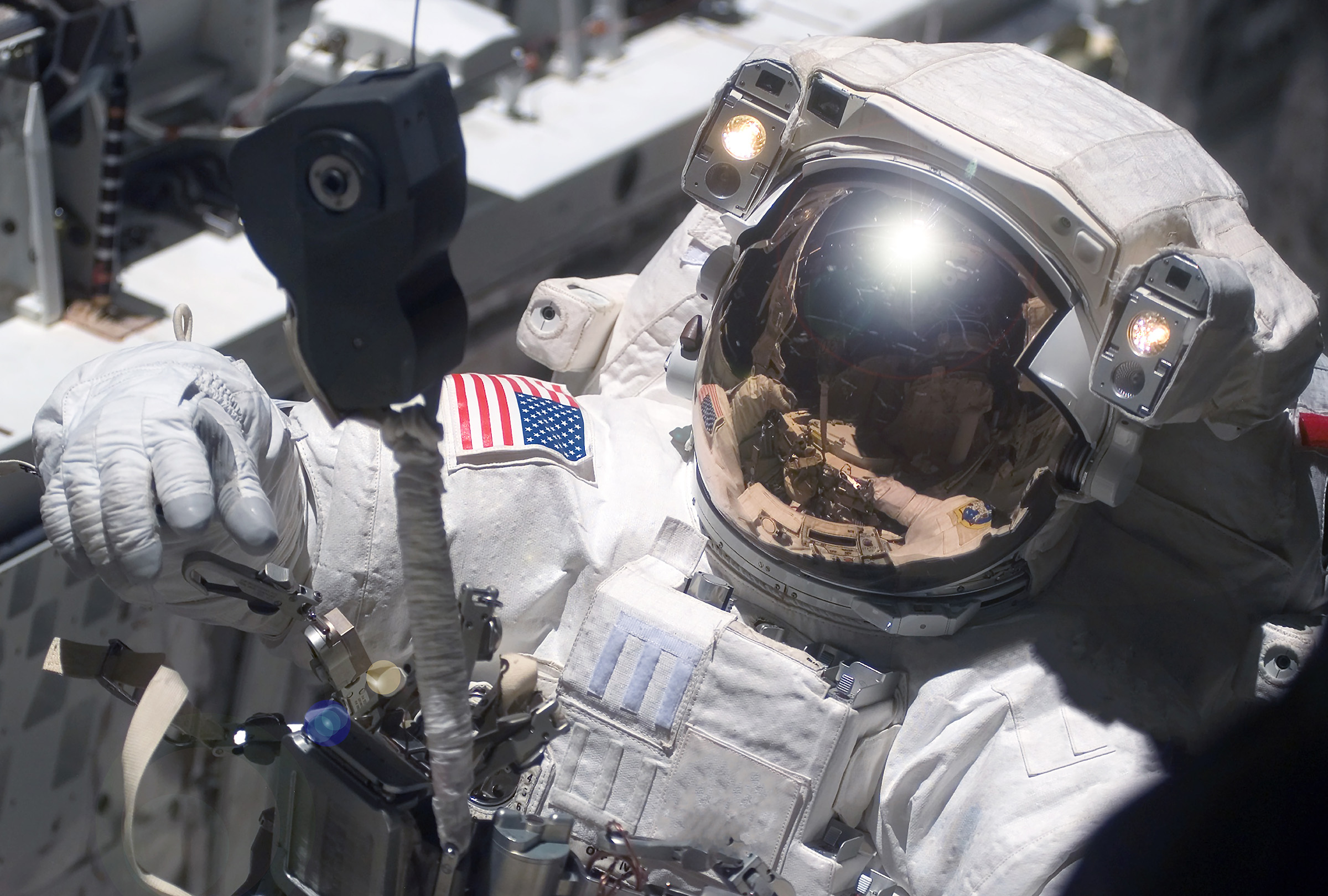
Scientists have discovered various reasons why humans are not built for space, including bone and muscle density loss, difficulty in regulating bodily functions like urination, increased risk of erectile dysfunction due to radiation exposure, and even fingernail loss. These issues pose challenges for designing space suits and planning long-duration space missions. Despite these obstacles, space agencies like NASA are committed to exploring the universe and are working on solutions to make space travel safer for humans.
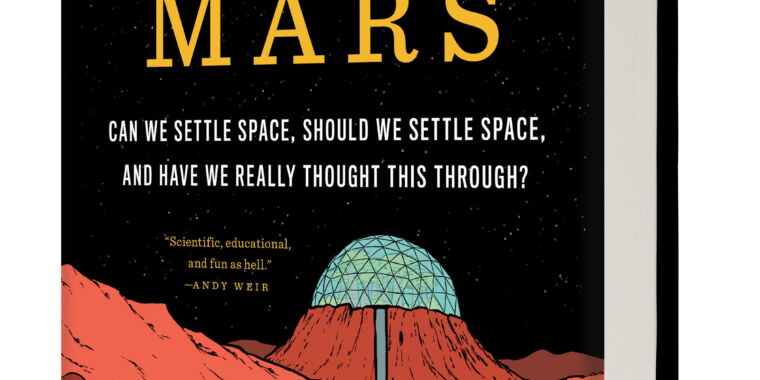
"A City on Mars" by Kelly and Zach Weinersmith explores the challenges and uncertainties of establishing a human settlement on Mars. The book delves into various aspects such as human biology, technology, law, and population viability, highlighting the lack of knowledge and preparedness in these areas. The authors argue for thorough research and experimentation on Earth before sending people to Mars, emphasizing the need to address practical problems and clarify space laws to avoid potential conflicts. Ultimately, the book questions the ethical implications of risking human lives without sufficient understanding of the long-term effects of space settlement.
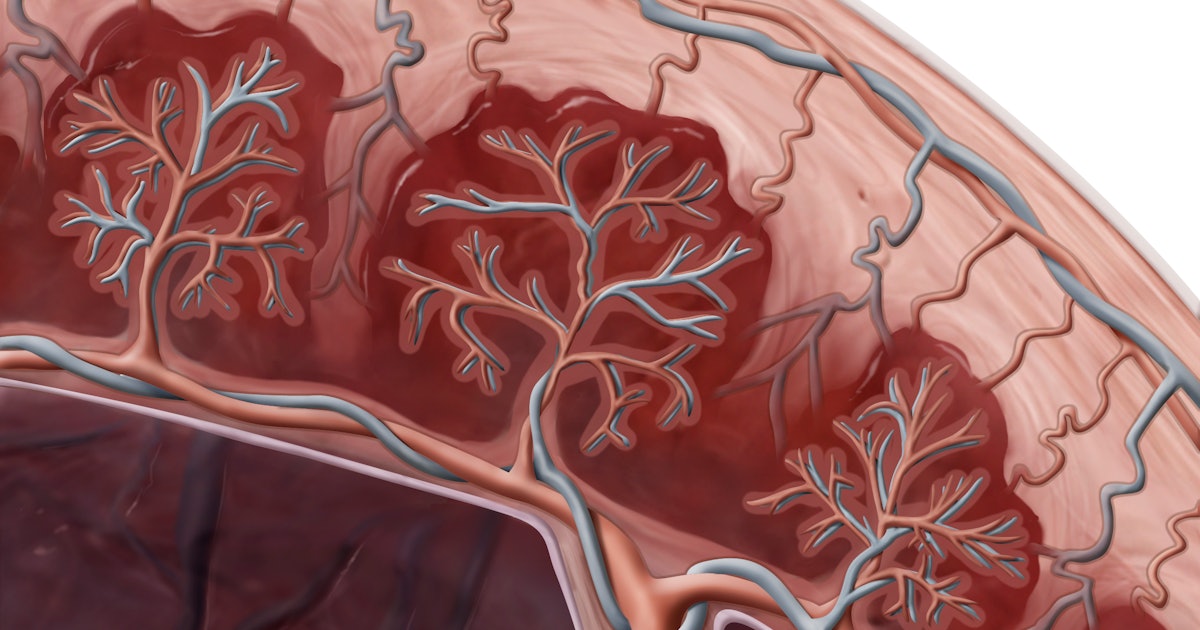
A new study published in the journal Nature provides a detailed map of how the placenta grows and changes over time, shedding light on its development under precise conditions. The placenta, a temporary organ that nourishes and protects the growing fetus, undergoes three astonishing processes in the decidua, the thin layer separating the embryo from the parent. These processes involve the accumulation of immune cells, the invasion of fetal cells into the parent's tissue and blood vessels, and the remodeling of the parent's blood vessels. Understanding these processes is crucial for treating conditions like preeclampsia and may have implications for other areas of medical research, such as cancer therapy.