Tag

Cassini

All articles tagged with #cassini

Ancient Moon Collision Reframes Titan and Saturn’s Rings
science3 days ago

Ancient Moon Collision Reframes Titan and Saturn’s Rings

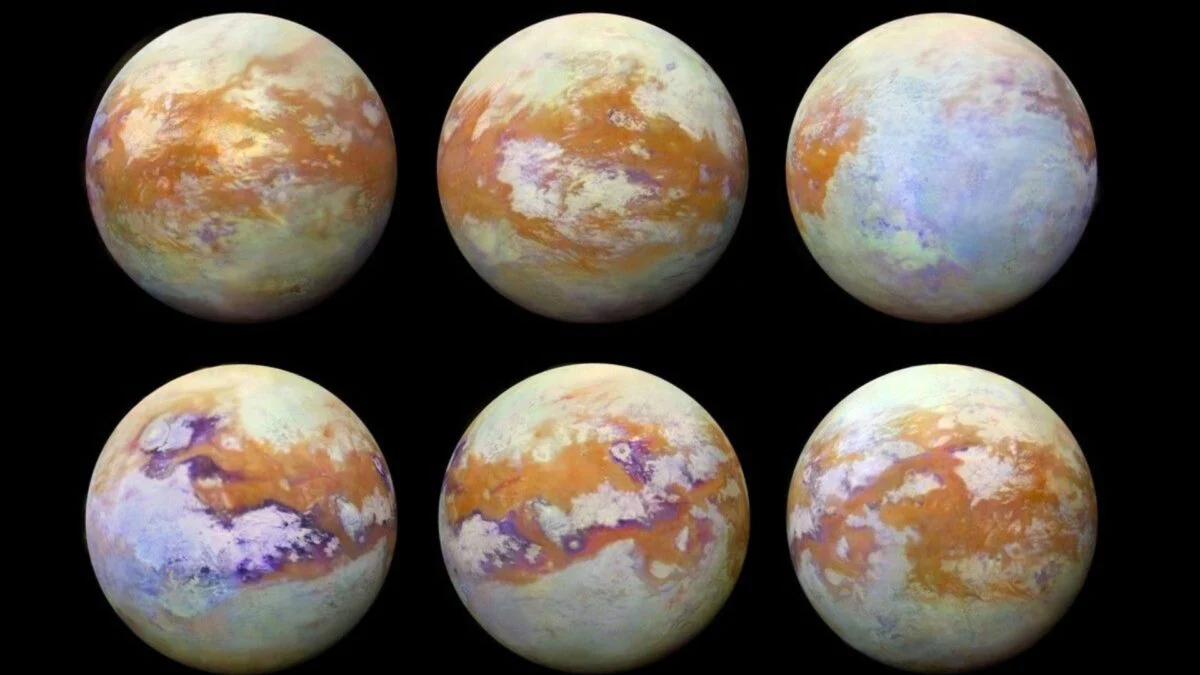
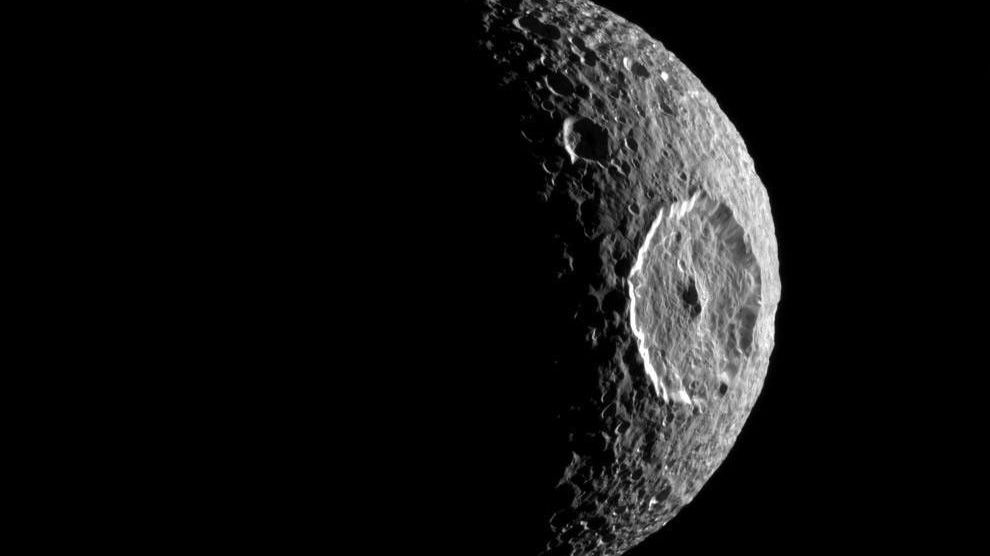
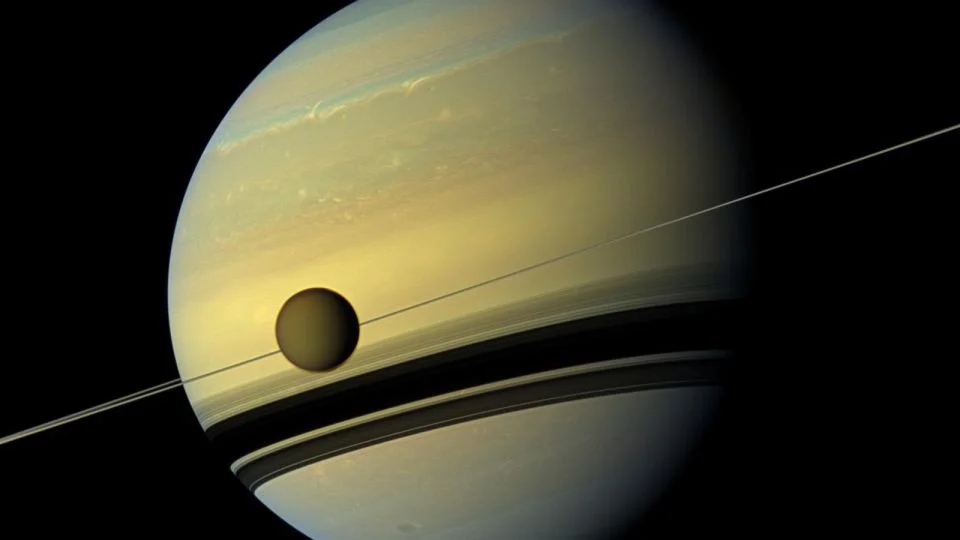
A new study combining Cassini observations, arXiv simulations and planetary modeling suggests Titan formed after an ancient collision with a lost moon (proto-Hyperion, possibly Chrysalis) about 0.5 billion years ago. The merger could explain Titan’s drifting orbit, Saturn’s axial tilt, and the creation of Hyperion and Saturn’s rings, with Dragonfly’s upcoming Titan exploration offering a potential test of the theory.
A Cosmic Collision: Titan and a Lost Moon May Have Forged Saturn's Rings
science4 days ago

A Cosmic Collision: Titan and a Lost Moon May Have Forged Saturn's Rings

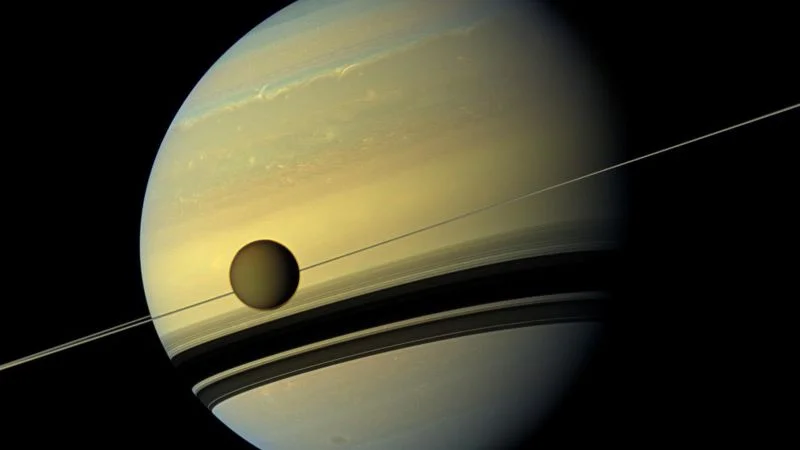
Scientists combining Titan formation ideas, Cassini data, and simulations propose that Titan collided with a lost proto-moon about 500 million years ago; the wreckage may have become Hyperion and also helped forge Saturn’s rings, while Titan’s altered mass could have nudged Saturn’s tilt and resonance with Neptune. Titan’s orbit is expanding, and NASA’s Dragonfly mission to Titan (launch 2028, arrival 2034) could test this scenario.

Reevaluating Titan's Oceanic Secrets Amid New Discoveries
science2 months ago

Reevaluating Titan's Oceanic Secrets Amid New Discoveries

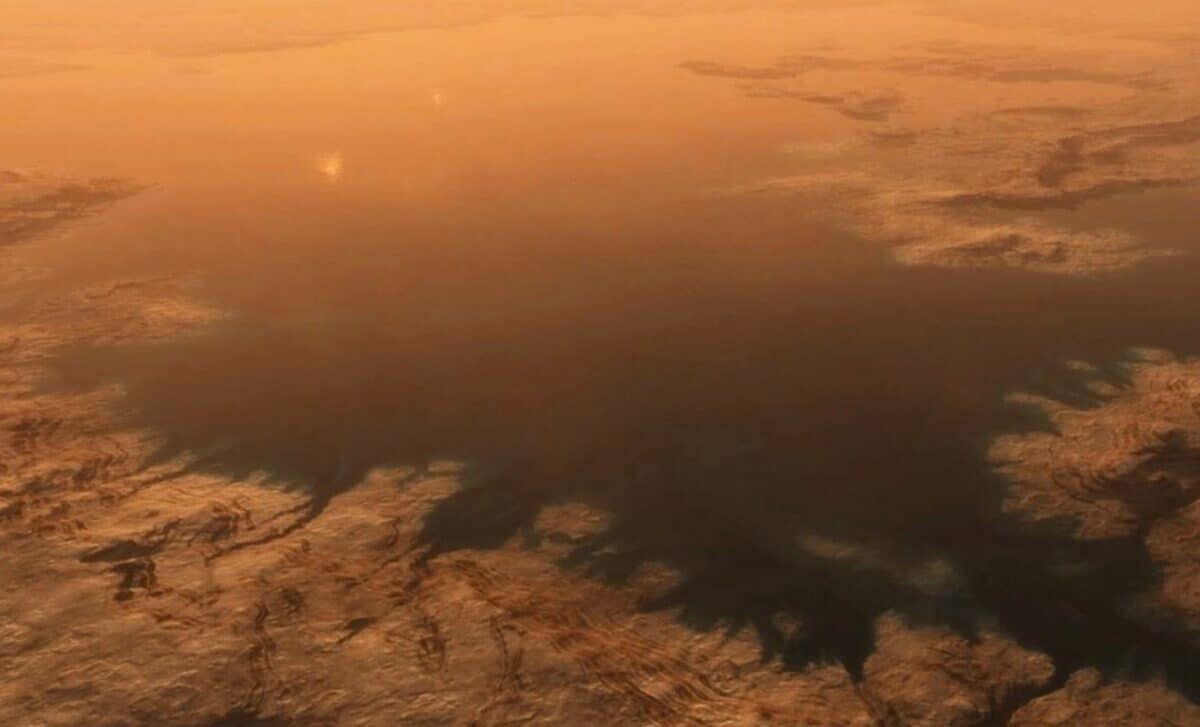
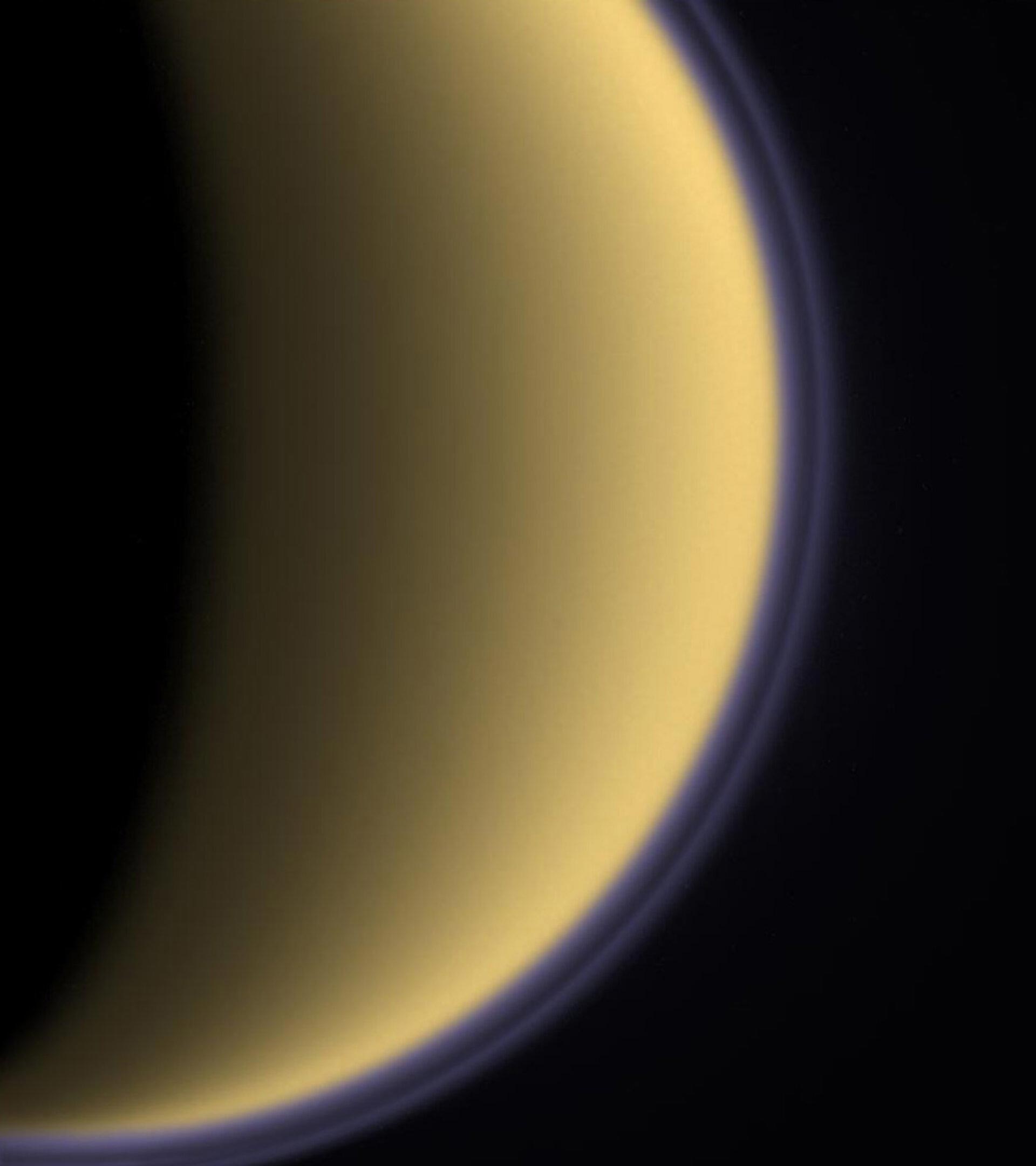
New analysis of data from NASA's Cassini mission suggests that Titan, Saturn's largest moon, likely does not have a deep liquid water ocean beneath its surface as previously thought. Instead, it probably contains a thick, slushy layer of ice and water, which could still support some forms of life in isolated pockets of liquid water, potentially improving the prospects for habitability. These findings will influence future missions like NASA's Dragonfly and our understanding of icy worlds.

NASA Study Challenges Existence of a Global Ocean on Titan
science2 months ago

NASA Study Challenges Existence of a Global Ocean on Titan

Reanalysis of NASA's Cassini data suggests Saturn's moon Titan may not have a global water ocean but instead has a layered interior of ice and slush with pockets of liquid water, which could still support life. The study highlights the importance of archival data and advanced analysis techniques, with future missions like NASA's Dragonfly expected to provide more insights.

Organic Compounds and Complex Chemistry Detected in Enceladus's Subsurface Ocean
science4 months ago

Organic Compounds and Complex Chemistry Detected in Enceladus's Subsurface Ocean

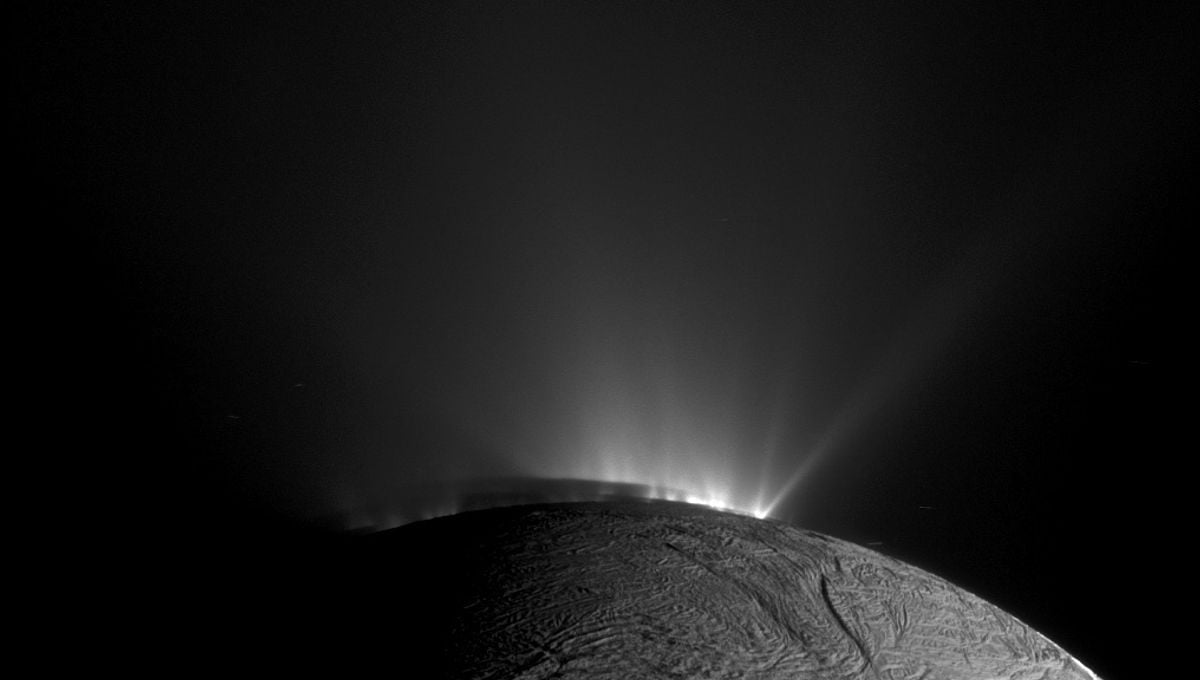
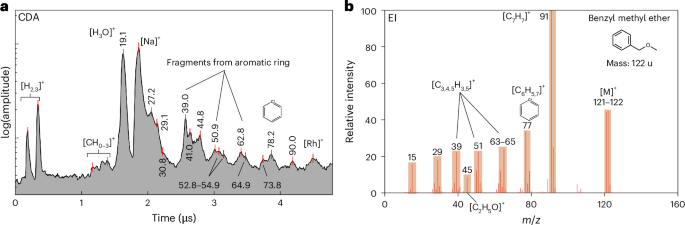
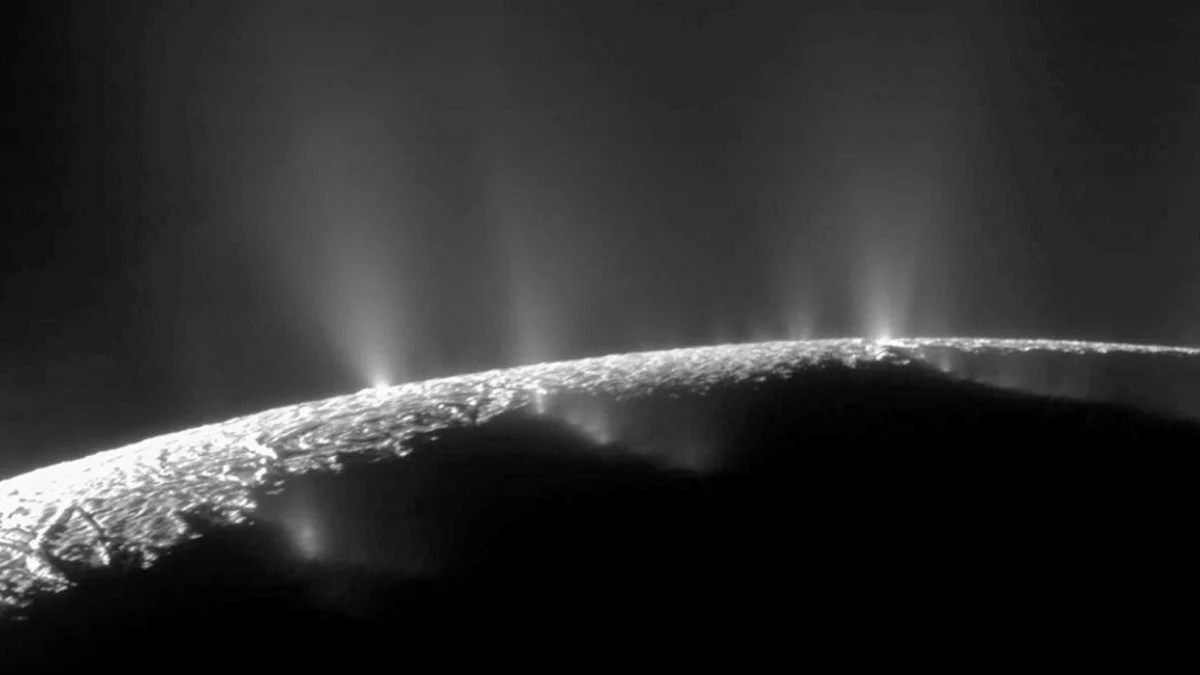
The study reanalyzes Cassini's high-speed fly-by data of Enceladus, revealing the presence of diverse organic compounds, including aromatics, esters, ethers, and N- and O-bearing species, in freshly ejected ice grains. These findings suggest complex organic chemistry within Enceladus's subsurface ocean, likely driven by hydrothermal processes, and provide insights into the moon's potential habitability.