Tag

Earthshine

All articles tagged with #earthshine

science5 months ago

Five Science Facts Revealed by Moon Watching

Watching the Moon reveals key scientific facts: Earth is round, not flat; its shadow during lunar eclipses is spheroidal; the Moon's orbit is elliptical, causing variations in its apparent size; Earth’s reflectivity can be gauged through Earthshine on the Moon; and the Moon's surface features, like mountains and craters, are visible during eclipses. These observations have helped us understand Earth's shape, the Moon's orbit, and Earth's reflectivity.

science5 months ago

Crescent Moon and Jupiter Alignment on July 23

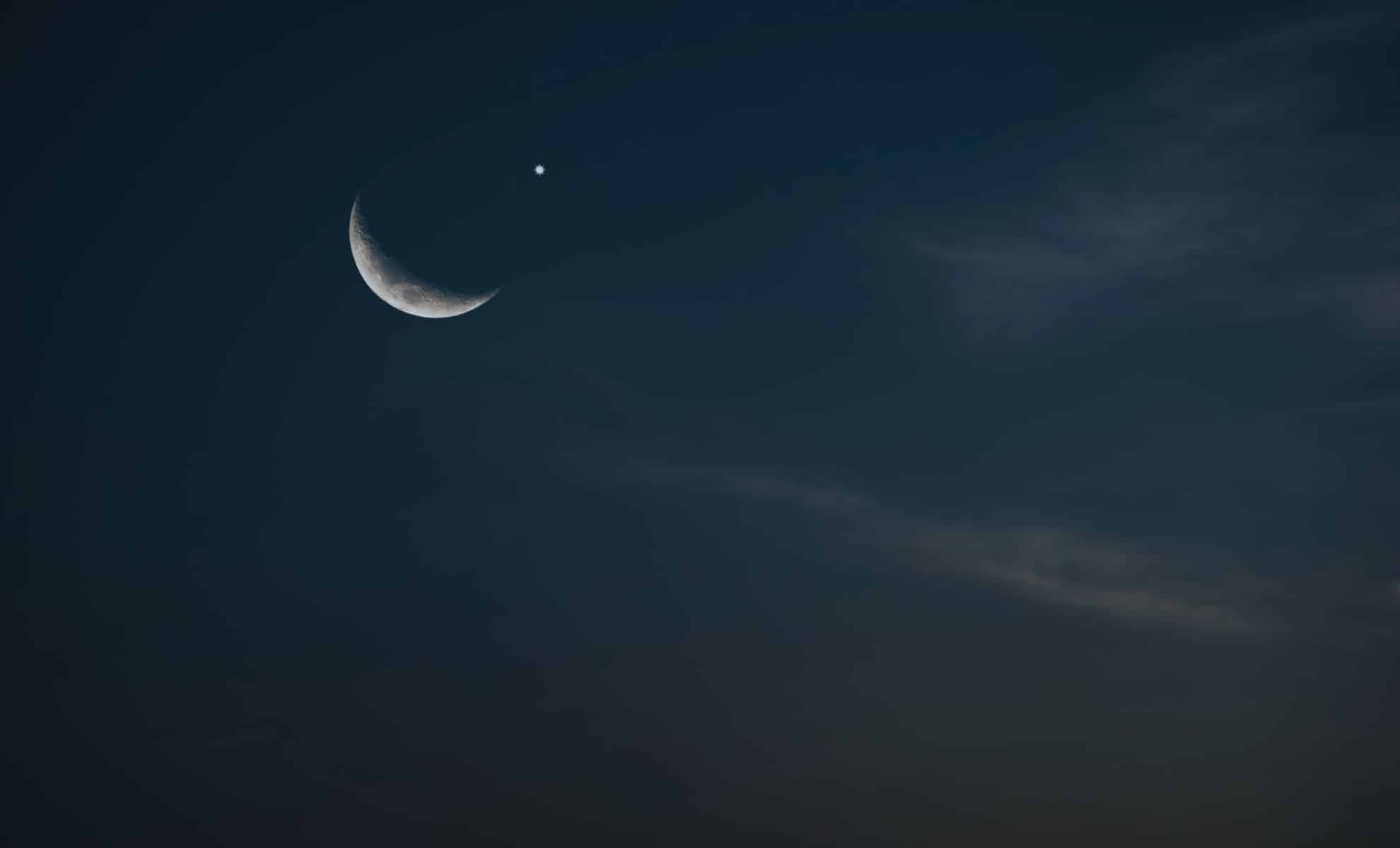
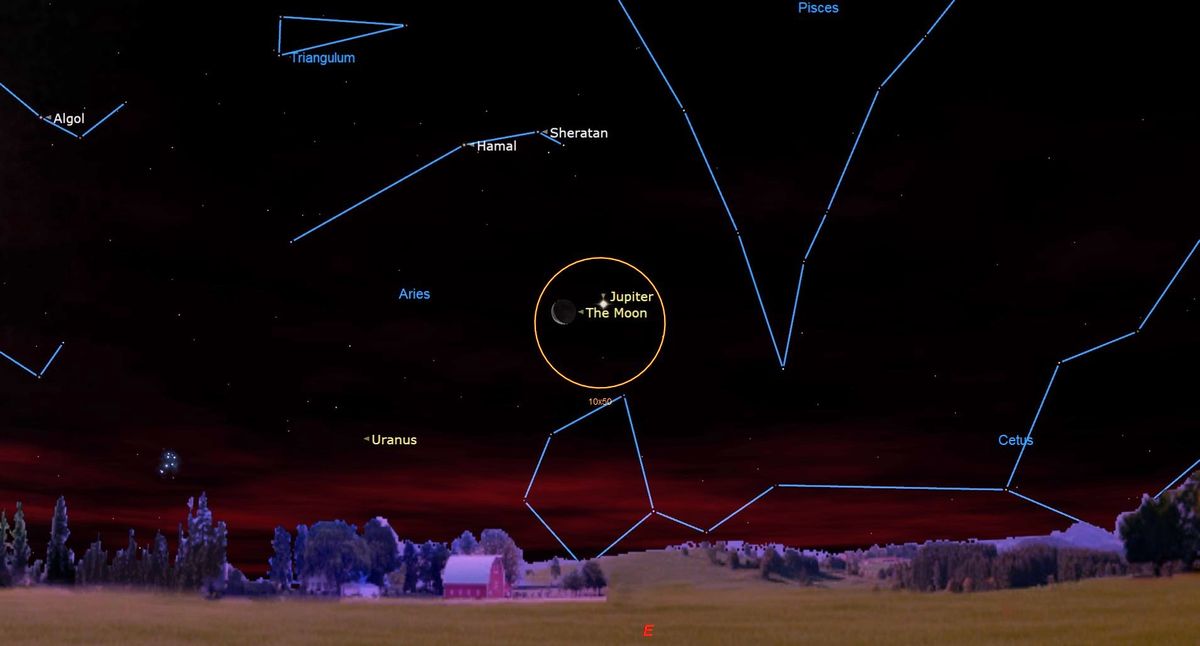
On July 23, a crescent moon will be visible near Jupiter in the early morning sky, with the moon illuminated by Earthshine and Jupiter showing its four brightest moons. The event offers a great opportunity for skywatchers to observe celestial objects, especially with telescopes or binoculars, and to enjoy related phenomena like Earthshine and the Pleiades star cluster.

space2 years ago

Celestial Trio: Mars, Venus, and Moon Visible on Summer Solstice

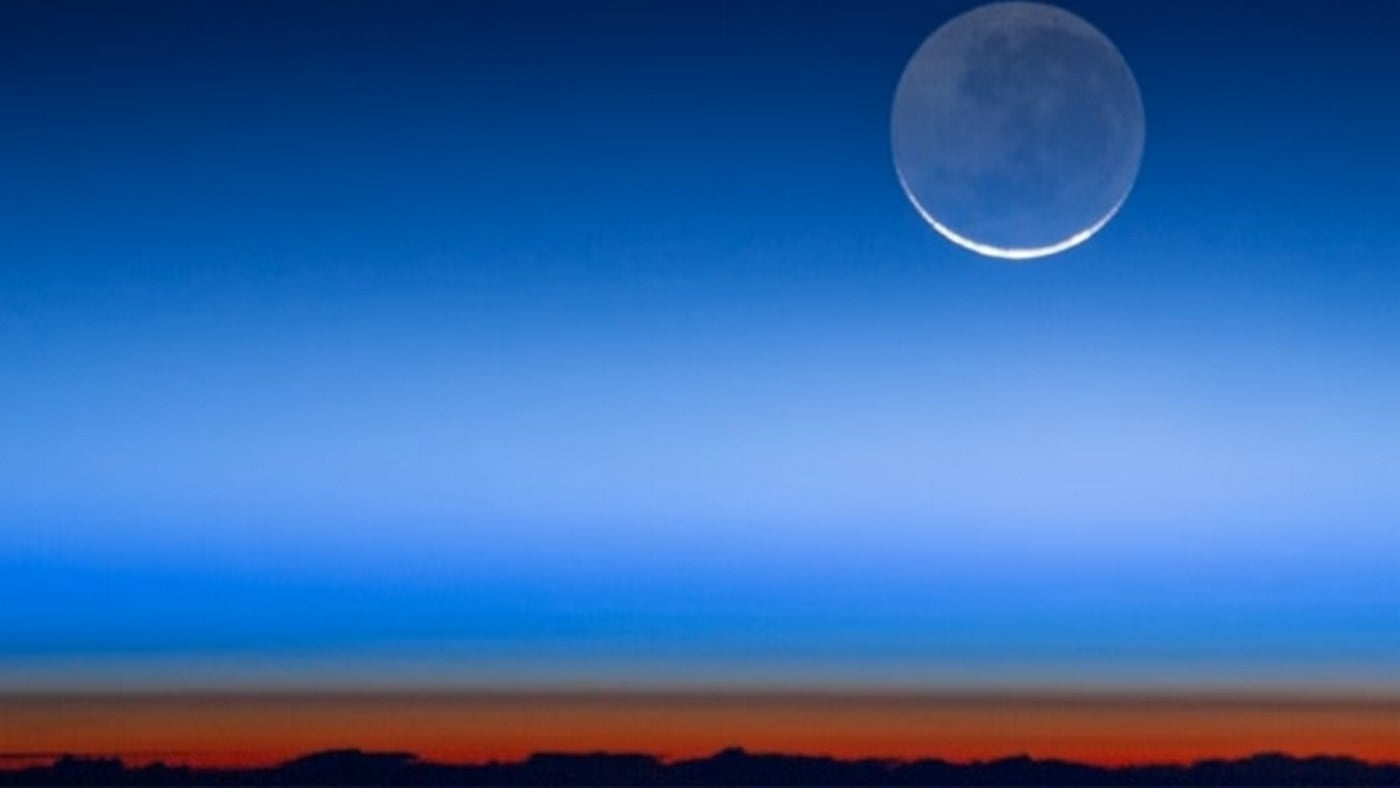
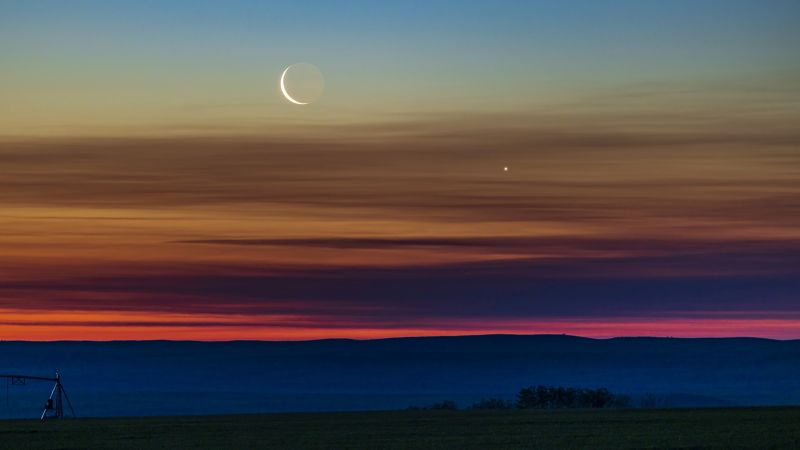
This year's Summer Solstice will feature a rare celestial alignment of Earth, Mars, and Venus, visible in the night sky close to the crescent Moon. The parts of the Moon usually hidden by lunar night will glow with an eerie light called Earthshine, caused by sunlight reflecting off Earth's atmosphere and then off the Moon's surface. A small telescope or binoculars can provide a better view of the lunar surface, including mountains and craters. The alignment can be seen on Thursday evening, with Venus clearly visible and Mars slightly harder to spot.

astronomy2 years ago

Catch Jupiter and its Galilean satellites shine near the crescent moon tonight.

Early risers and night owls on Flag Day (Wednesday) morning will be treated to a lovely "celestial tableau" low in their eastern sky as the brilliant planet Jupiter hovers close to the right of a slender waning crescent moon. Jupiter currently rises about two and a half hours before the sun and is currently in the constellation Aries. Binoculars will bring out the Earthshine effect even more than with the unaided eye and will impart a three-dimensional effect to the moon. On this particular morning, should you be looking at Jupiter through a pair of steadily held binoculars or a telescope, you'll be able to see all four satellites.

astronomy2 years ago

"Experience the Enchanting Da Vinci Glow on the Moon for Three Days"

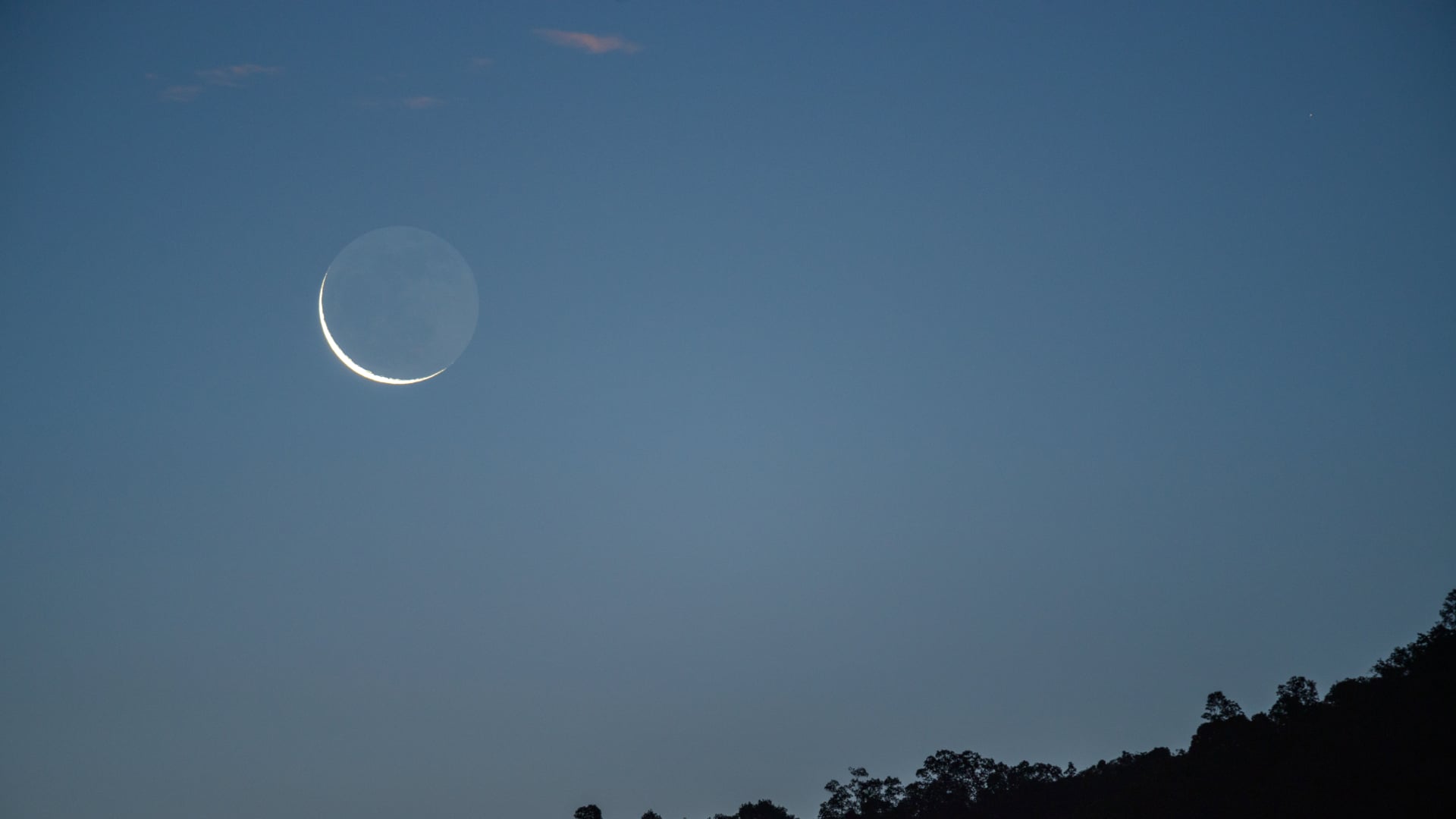
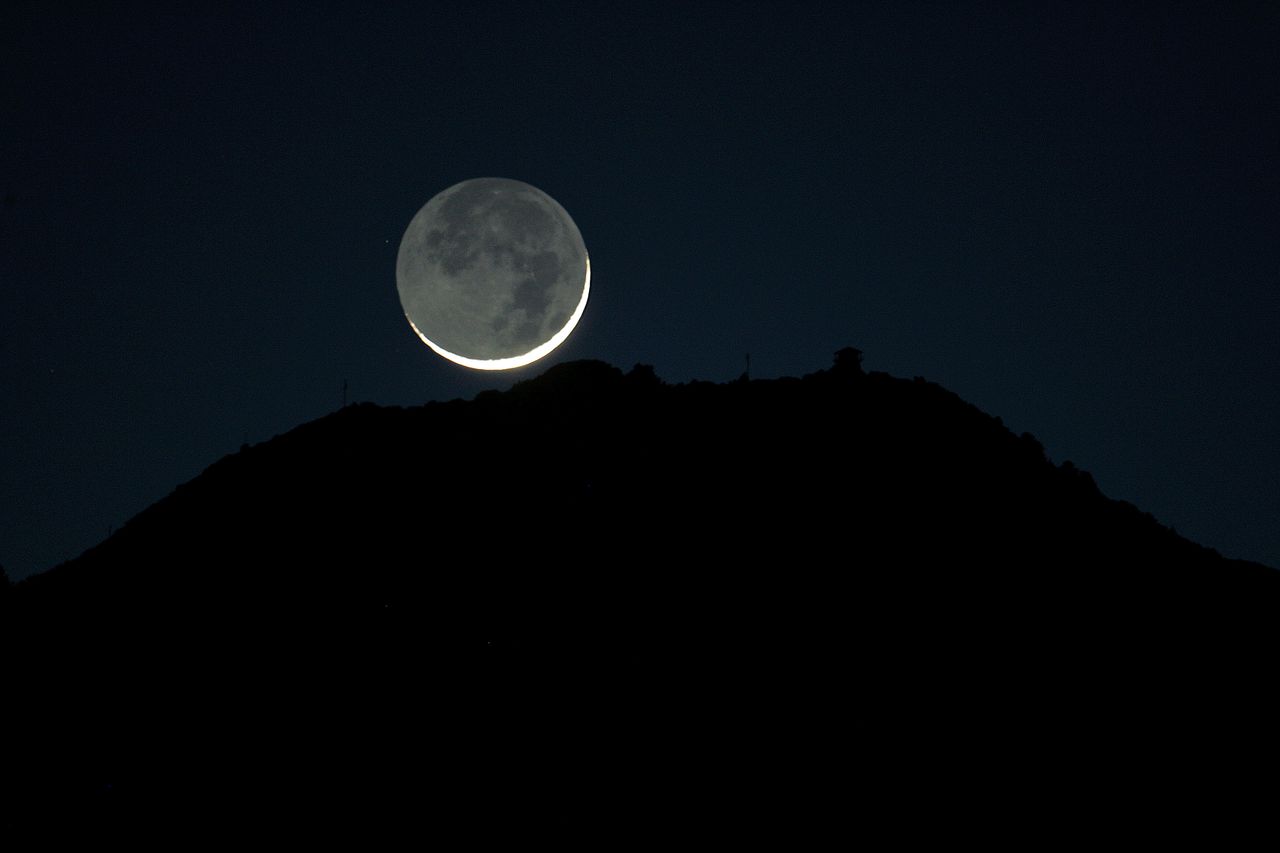
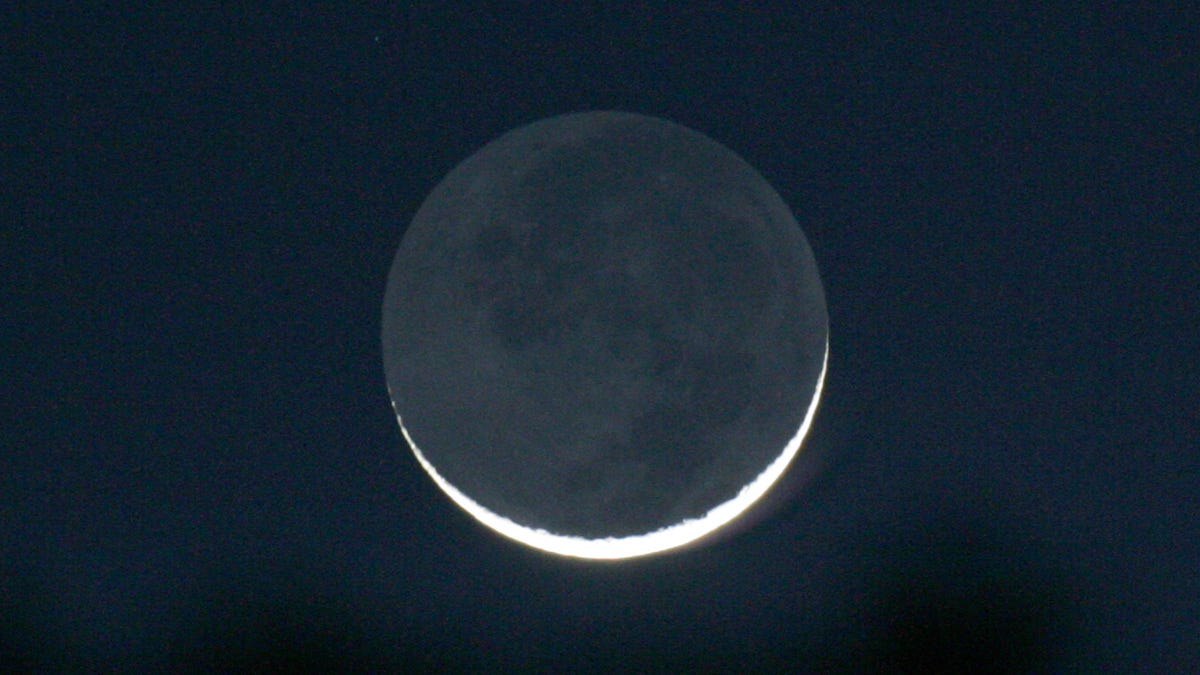
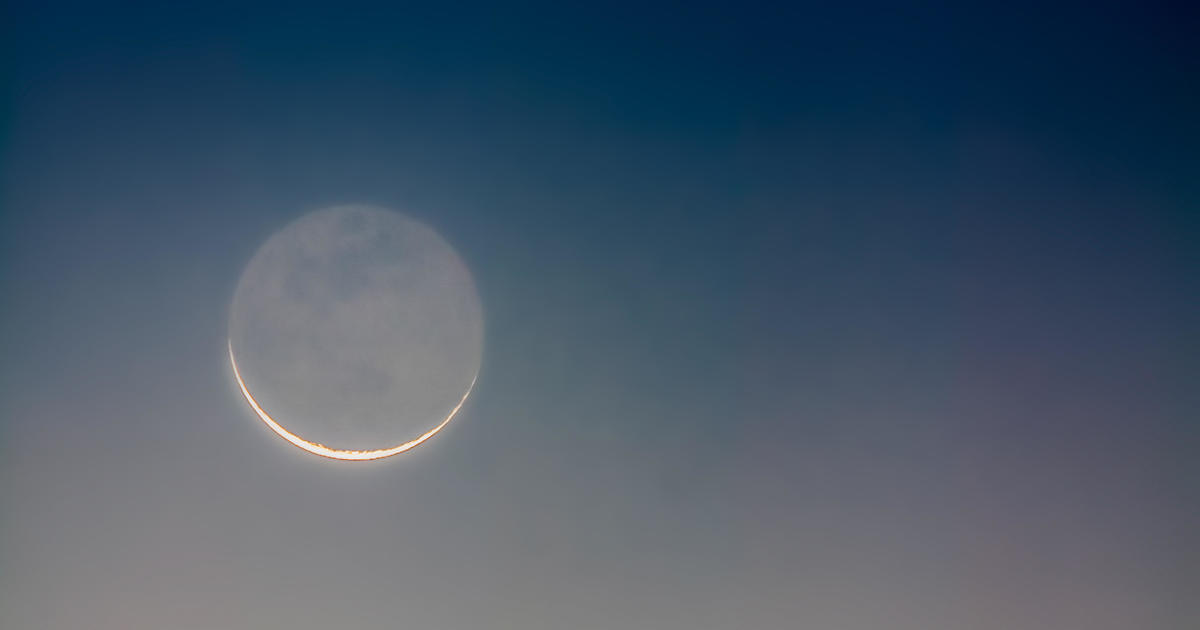
A unique crescent moon lit by Earthshine, also known as the "Da Vinci Glow," will be visible in the sky for the next three days. Earthshine is the phenomenon of light reflecting off the face of the Earth, illuminating the moon. This allows stargazers to see the whole moon, even though it should be covered by the Earth's shadow. The best time to see it is during a waxing or waning crescent, and clear skies are necessary. The phenomenon was first described by Leonardo da Vinci, who used his artistic insights and knowledge of geometry to explain it.

astronomy2 years ago

Catch May's Spectacular Earthshine Tonight.

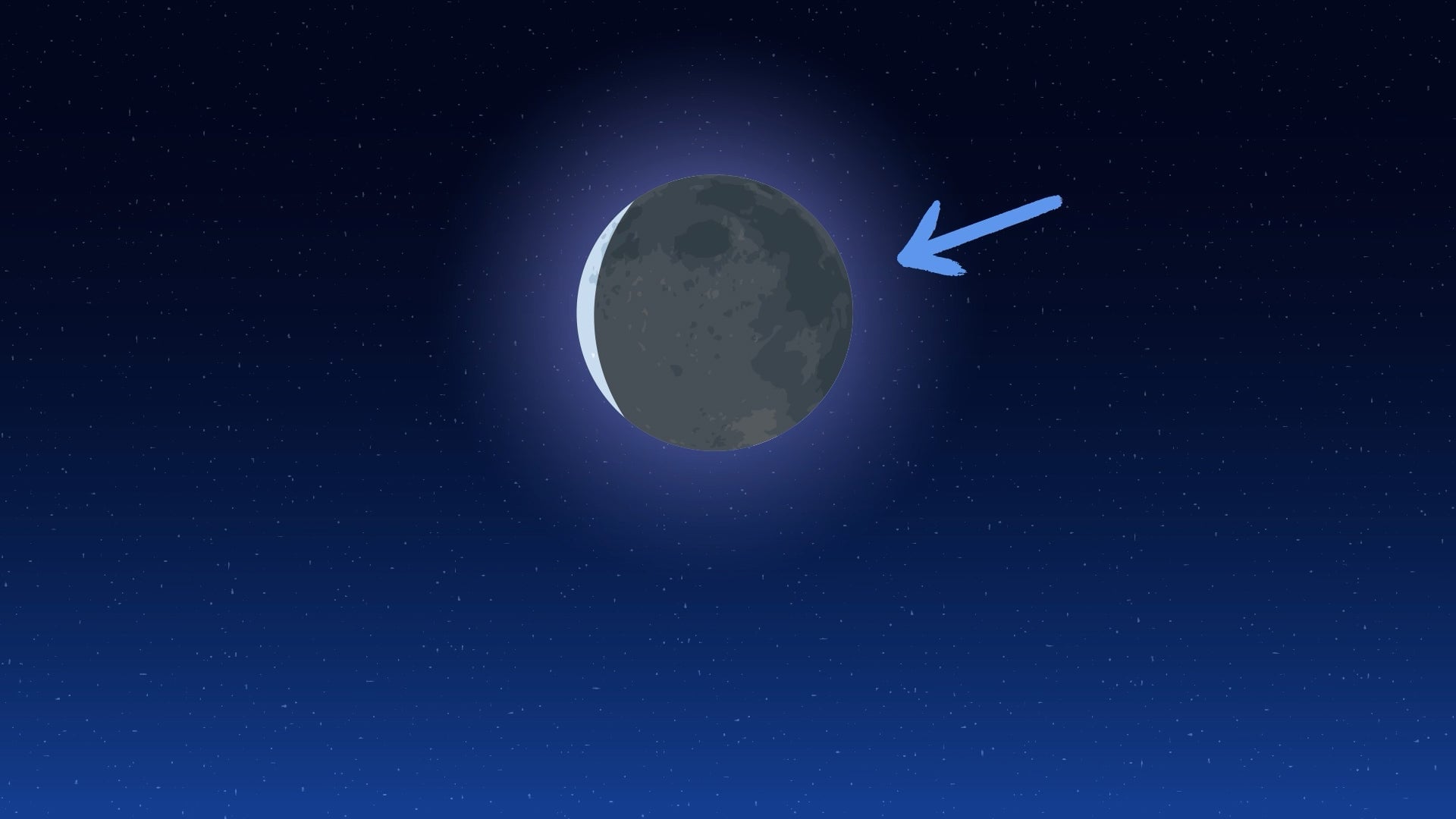
Earthshine, a phenomenon where sunlight reflects off the Earth's surface and illuminates the unlit portion of the Moon, can be seen during specific phases of the lunar cycle. It is most visible during the waxing or waning crescent phase and is caused by sunlight reflecting off the Earth's surface and then being reflected back onto the Moon. Earthshine is also known as the Da Vinci glow and can vary in intensity depending on atmospheric conditions, Earth's reflectiveness, and the observer's location. No special equipment is required to see it, and it can be a great opportunity for lunar photography.

astronomy2 years ago

"Experience the Da Vinci Glow and Earthshine on the Moon: Viewing Dates Revealed"

The "da Vinci glow" or "Earthshine" is a spooky phenomenon that occurs when the moon is a thin crescent in the sky, visible during the first and last days of the moon's orbit around Earth. It is the faint image of the full moon visible next to the portion of the moon lit by the sun. The phenomenon is called the "da Vinci glow" because Leonardo da Vinci figured out that sunlight reflected from Earth was responsible for the image. The da Vinci glow is best seen a few days before and after a new moon, right after sunset or before sunrise.

science2 years ago

Don't Miss the 'Da Vinci Glow' Phenomenon Lighting Up the Moon This Week

The Da Vinci glow, a phenomenon that occurs when a crescent moon is on the horizon but the outline of a full moon is visible, is caused by Earthshine, the light emitted from Earth even after the sun sets. Leonardo da Vinci theorized about this effect, and his understanding of light and shadow and geometry helped him ascertain where the ashen glow around the crescent moon came from. The glow is easiest to see during either a waxing or waning crescent, and sky watchers should look for the banana-shaped crescent Moon in the evening around sunset.

astronomy2 years ago

Don't Miss the Ghostly 'Da Vinci Glow' Illuminating the Moon This Week.

The "Da Vinci Glow," a phenomenon discovered by Leonardo da Vinci in the 16th century, will be visible in the night sky this week. Earthshine, which illuminates the night 50 times brighter than a full moon, creates a ghostly image of a full moon between the horns of a crescent moon. The glow is visible only with the presence of a crescent moon and can be seen during the first and last days of the moon's orbit around Earth. It will be visible prior to the new moon on May 19 and for a few days following.

space2 years ago

"Experience the Enchanting Da Vinci Glow on the Crescent Moon"

The "Da Vinci glow," a faint ghostly glow illuminating the whole of the moon, is visible only when there's a crescent moon on the horizon at sunrise or sunset. The glow is not due to the moon illuminating itself, but is created by planet Earth, whose light can illuminate the night sky 50 times more brightly than that of a full moon. The phenomenon is named after Leonardo Da Vinci, who set out to solve the mystery of what was once known as "Earthshine." The best days to see it after sunset are next week on Sunday, May 21; Monday, May 22; and Tuesday, May 23.

science2 years ago

"Experience the Rare 'Da Vinci Glow' Phenomenon on the Crescent Moon"

The Da Vinci Glow, also known as earthshine, is a ghostly full circle of the moon that sometimes faintly glows during a thin crescent moon. It is caused by sunlight reflecting off the Earth and onto the moon. If you're standing on the moon, the Earth is 50 times brighter than the full moon appears from Earth, which means that the near side of the moon never experiences a very dark night.