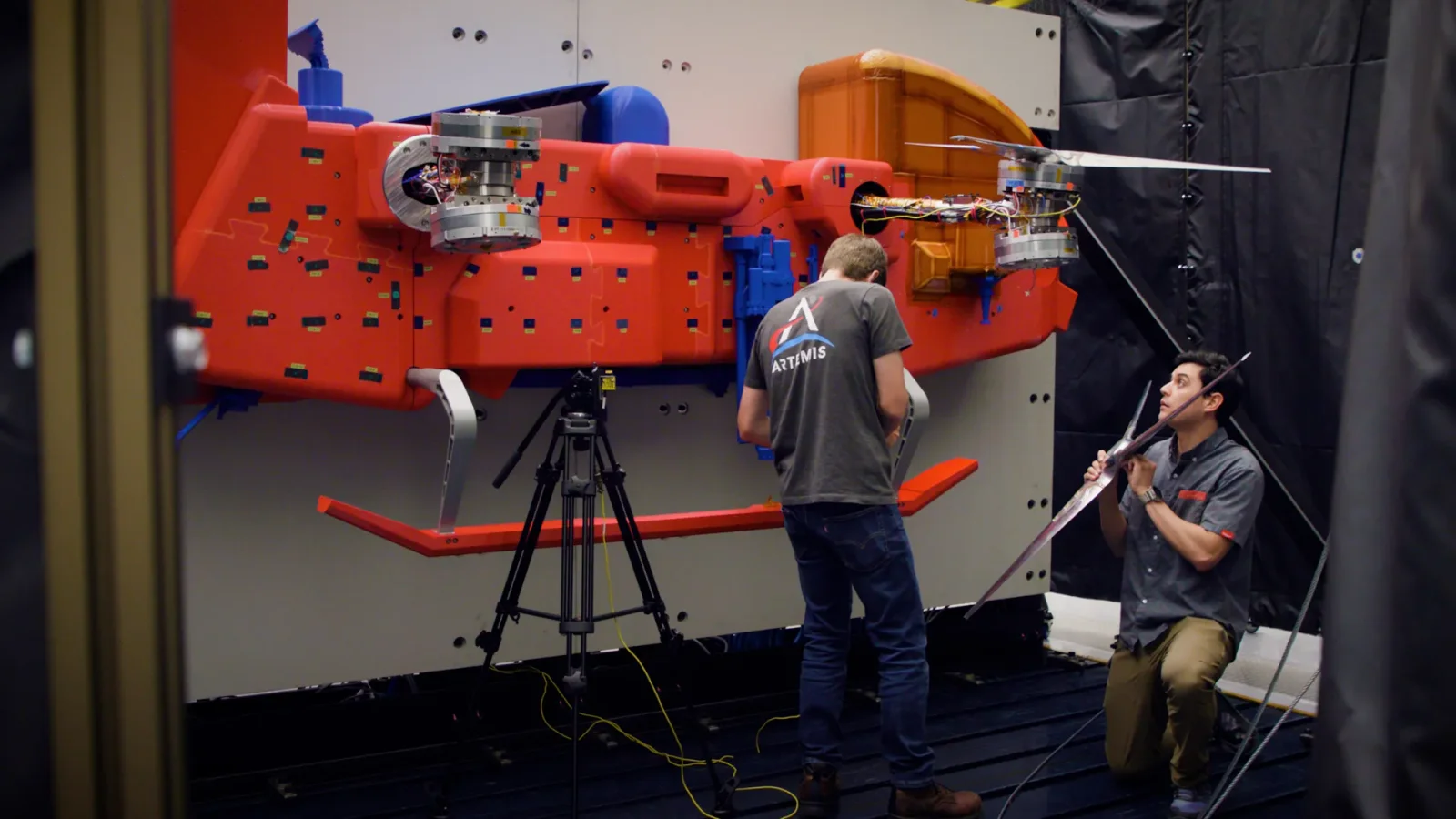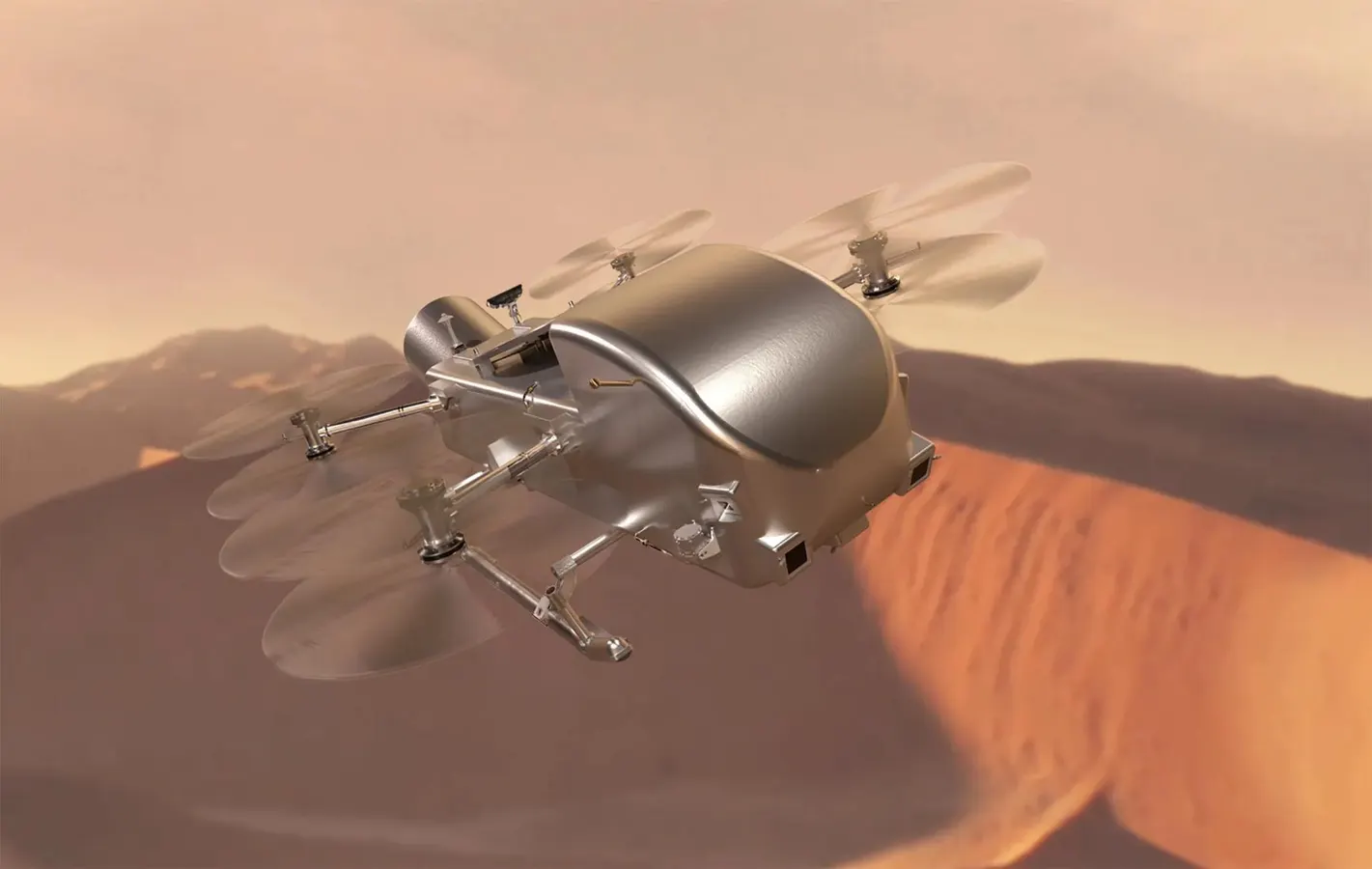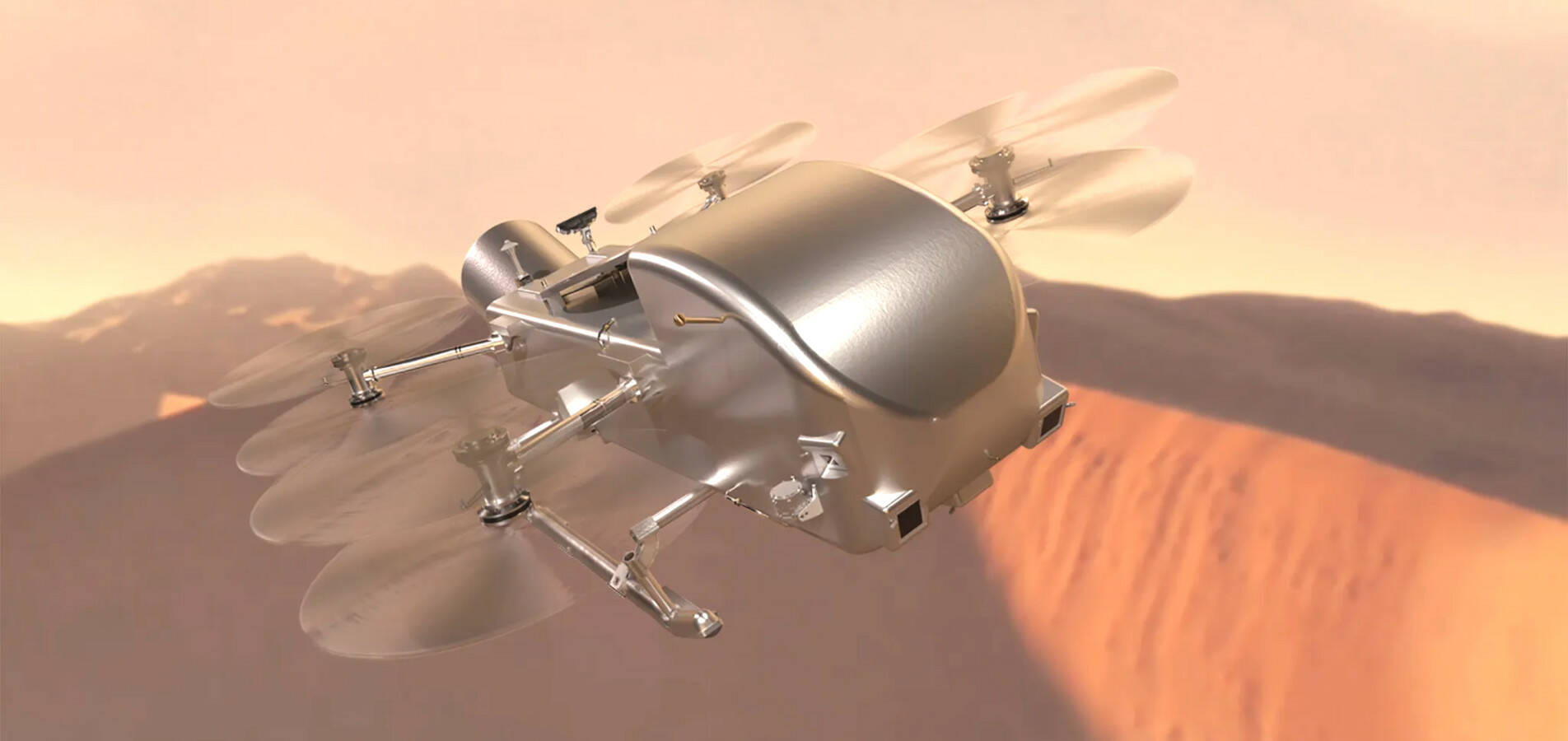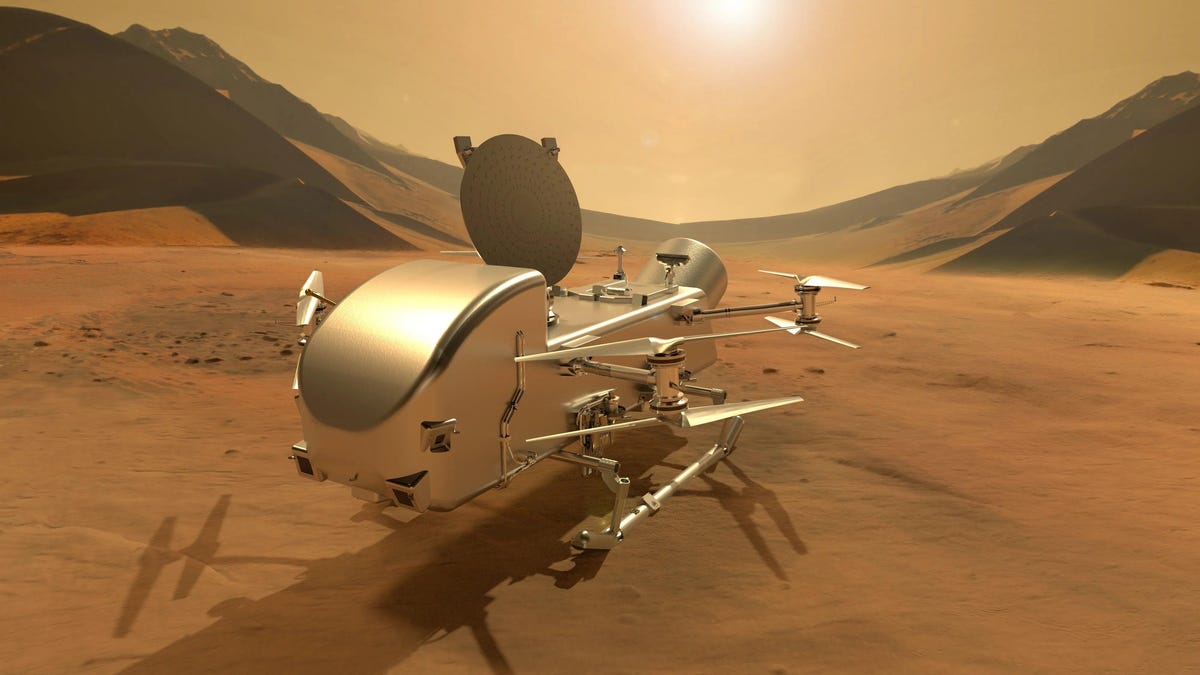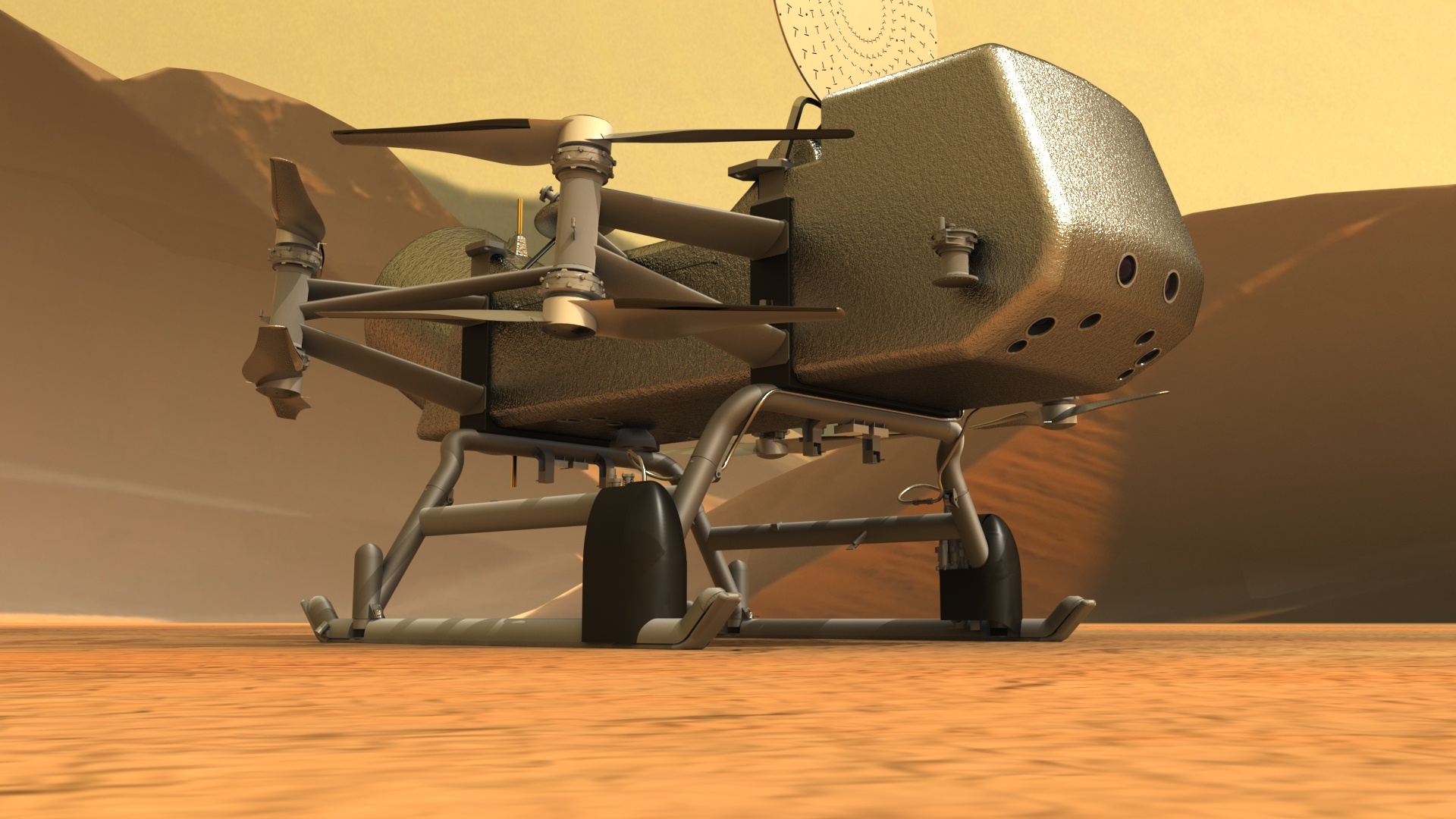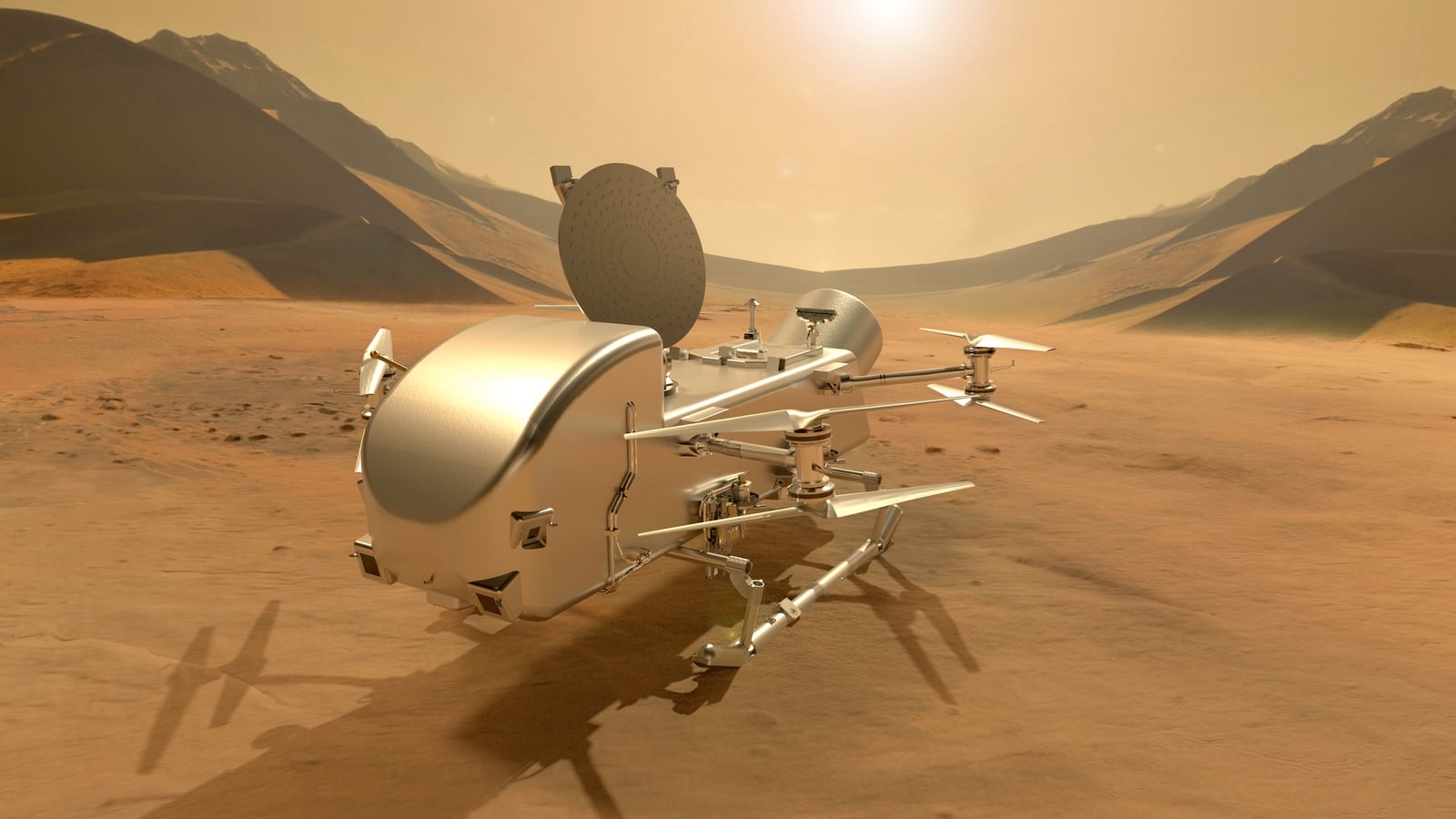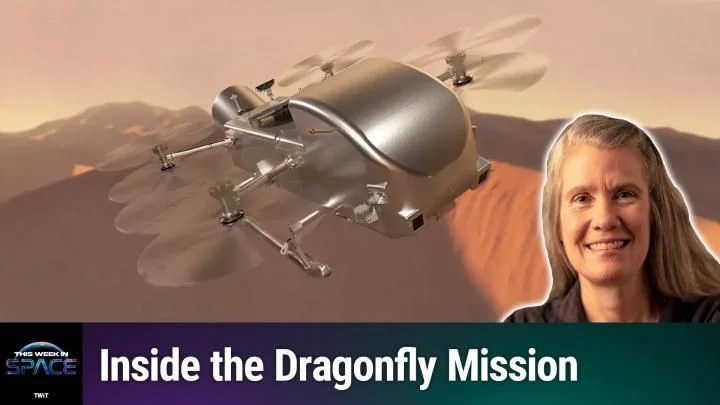
NASA's Dragonfly mission, set to launch in 2028, involves a car-sized rotorcraft designed to explore Saturn's moon Titan. Extensive testing, including aerodynamic and structural assessments at NASA's Langley Research Center, has validated the rotor design, which is crucial for the mission's success. The project is a collaborative effort involving multiple institutions, aiming to study Titan's diverse environments and potentially find conditions suitable for life.
A 75-million-year-old dragonfly species, Cordualadensa acorni, was discovered in Alberta's Dinosaur Provincial Park, filling a significant gap in the evolutionary history of dragonflies and representing the first dinosaur-era dragonfly found in Canada. The fossil, found in 2023 by a McGill University student, led to the creation of a new family, Cordualadensidae, and provides insights into insect diversity and ecological dynamics during the Cretaceous period.
The U.S. Department of Justice has retracted its previous statement suggesting it would charge crypto VC Dragonfly for supporting Tornado Cash, clarifying that Dragonfly is not a target of their investigation. This reversal follows Dragonfly's firm stance to defend its investment, amid concerns over potential implications for open-source software and privacy rights. The case has sparked broader debates about the treatment of crypto backers and privacy technology in the U.S.
NASA's Dragonfly mission, launching in 2028, will explore Saturn's moon Titan using a rotorcraft to study its organic chemistry and potential for life, focusing on prebiotic processes and ancient water sources to understand life's origins.
NASA has contracted SpaceX to launch the Dragonfly mission to Saturn's moon Titan using a Falcon Heavy rocket in 2028, with an expected arrival in 2034. Dragonfly, an octocopter, will explore Titan's surface, particularly the Selk impact structure, to study its chemistry and potential prebiotic conditions. The mission aims to enhance understanding of Titan's organic-rich environment, leveraging its dense atmosphere and weak gravity for powered flight. The launch contract is valued at $256 million.
NASA's Dragonfly mission, set to launch in 2028 aboard a SpaceX Falcon Heavy rocket, aims to explore Saturn's moon Titan with a rotorcraft lander. The mission, part of NASA's New Frontiers program, will investigate Titan's prebiotic chemistry and search for chemical biosignatures. Originally planned for 2026, the launch was delayed due to the COVID-19 pandemic, but the use of a heavy-lift vehicle will ensure Dragonfly arrives on schedule in 2034. The mission will build on insights from the Cassini-Huygens mission and the Mars Helicopter, Ingenuity.
NASA has selected SpaceX's Falcon Heavy rocket to launch the Dragonfly mission to Saturn's moon Titan in July 2028. The $3.35 billion mission aims to explore Titan's potential to support life, focusing on its hydrocarbon lakes and organic compounds. Dragonfly, a nuclear-powered rotorcraft, will operate for 2.5 years on Titan, investigating its habitability and prebiotic chemistry. The mission has faced delays and cost increases but remains on track for its 2028 launch.
NASA has confirmed that its Dragonfly rotorcraft mission will be heading to Titan, Saturn's moon, with a scheduled arrival in 2034. The mission's total cost has increased to $3.35 billion due to various factors, including the COVID-19 pandemic and design iterations. The spacecraft will be powered by a Multi-Mission Radioisotope Thermoelectric Generator and is expected to travel hundreds of kilometers during its two-year exploration of Titan, making it the farthest-traveling planetary rover. This confirmation brings optimism amid budgetary challenges at NASA and marks a significant step in the exploration of Titan, a moon that has long fascinated scientists.
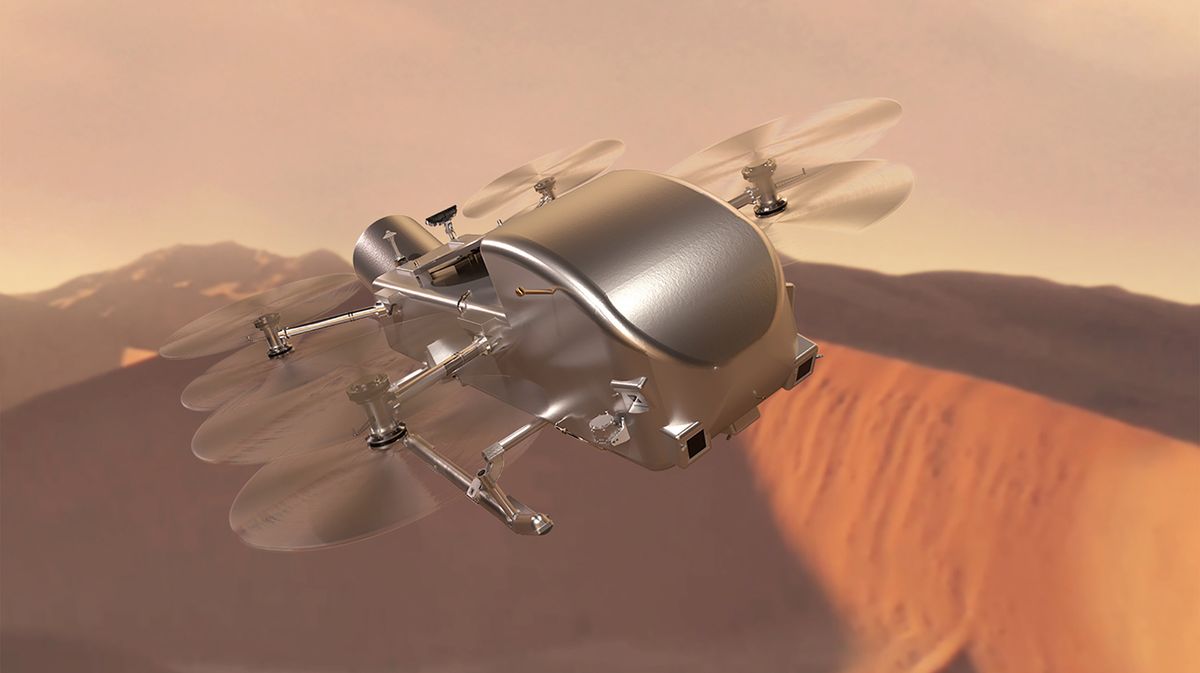
NASA has received approval to launch Dragonfly, a drone-like lander, to explore Titan, Saturn's largest moon, in 2028. The mission aims to study prebiotic chemical processes and search for signs of past life on Titan. Dragonfly will utilize its eight rotors to cover over 108 miles during its 32-month mission, with a total lifecycle cost of $3.35 billion. This announcement coincided with the farewell to Ingenuity, the Mars helicopter, which has completed its final flight.
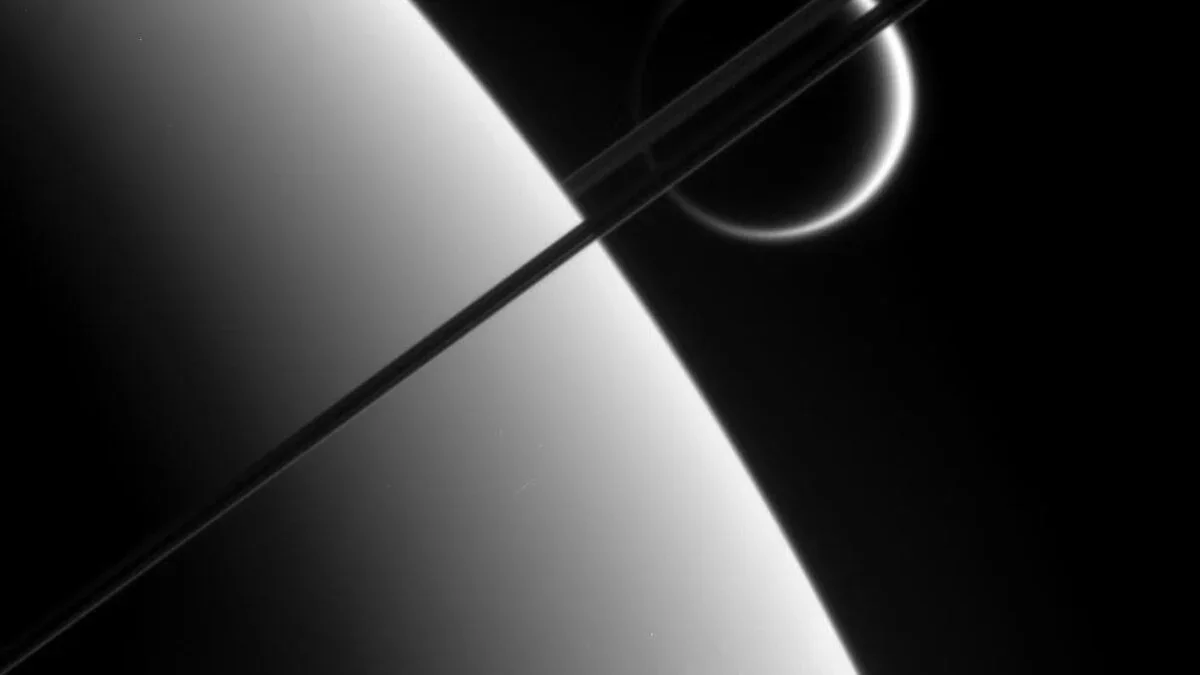
NASA's Dragonfly mission is set to explore Saturn's largest moon, Titan, in 2034 using an 8-bladed rotorcraft to study its diverse environments and dense nitrogen-based atmosphere. The mission aims to advance astrobiology by studying the pre-life chemistry and investigating the moon's atmospheric and surface properties, subsurface ocean, and liquid reservoirs. Titan, larger than Mercury, has methane lakes, rivers, and a subsurface ocean, and is about 886 million miles away from the Sun. Dragonfly is part of NASA's New Frontiers program and is led by Principal Investigator Elizabeth Turtle from Johns Hopkins Applied Physics Laboratory.
NASA has conducted aerodynamic testing on a half-scale model of the Dragonfly rotorcraft, which is set to explore Saturn's largest moon, Titan. The tests, carried out in wind tunnels, focused on Dragonfly's descent, transition to powered flight, and forward flight over the moon's surface. The data collected will help increase confidence in simulation models before the mission's launch, scheduled for no earlier than 2027. Dragonfly will explore Titan in short flights, gradually building up to longer "leapfrog" flights of up to 5 miles, collecting samples along the way.
Researchers from Princeton Satellite Systems have demonstrated how a Direct Fusion Drive (DFD) could greatly enhance NASA's Dragonfly mission to Titan. The robotic explorer will rely on a nuclear battery to ensure its longevity, but a DFD could lead to compact fusion reactors that could lead to rapid transits, longer-duration missions, and miniature nuclear reactors here on Earth. The DFD would produce both thrust and electric power for an interplanetary spacecraft, and a DFD propulsive engine could transport a sizable spacecraft to Titan in less than two years.
NASA's proposed budget cut of nearly 20% for the Dragonfly mission to Saturn's moon Titan in 2024 could force changes to the mission or its schedule. The budget proposal reflects an 18.1% reduction from the $400.1 million Dragonfly received in fiscal year 2023. The proposed cut has gotten the attention of members of Congress. The pandemic has been one key factor in rising costs of planetary missions in general. Curt Niebur, lead scientist for flight programs in NASA’s planetary science division, said that planetary missions are overrunning their estimated costs for operations by an average of 52% over their original proposals.
NASA's Dragonfly mission, which aims to explore Saturn's largest moon, Titan, using a rotorcraft-lander to investigate the moon's habitability, prebiotic chemistry, and potential signs of life, has passed a critical milestone. The weeklong Preliminary Design Review (PDR) involved more than 60 presentations and covered topics like spacecraft design, mission requirements, science plans, schedule, cost, and risk. The Dragonfly mission is the fourth in NASA's New Frontiers Program.
NASA's Dragonfly drone is set to launch in 2027 and head for Saturn's largest moon, Titan, to explore its geological diversity and analyze samples extracted from its surface. Dragonfly will be equipped with a full suite of scientific instruments, including the Drill for Acquisition of Complex Organics and the Dragonfly Mass Spectrometer, to determine Titan's habitability and search for chemical markers indicative of life or pre-life. The mission is part of NASA's New Frontiers program and could provide clues to the origins of life on Earth.