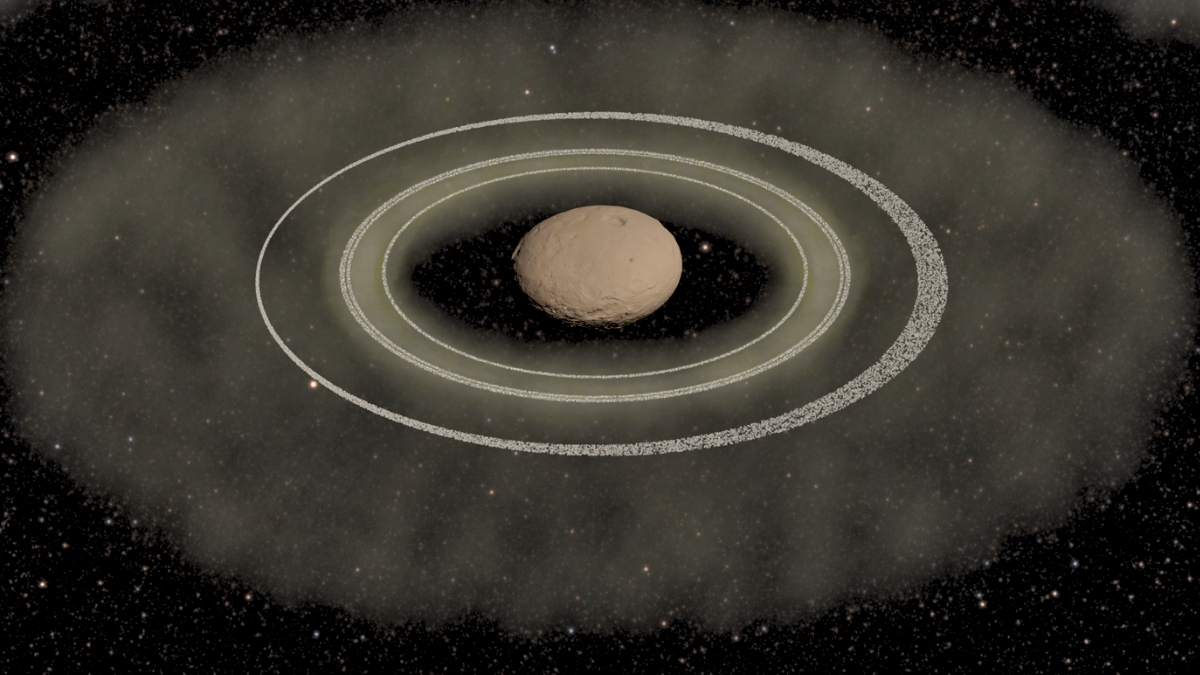
Astronomers observed a dynamic and evolving ring system forming around the centaur object Chiron in real time, providing insights into the formation and development of rings around small Solar System bodies, with ongoing changes suggesting a recent ejection of material and a transitional stage in ring system evolution.
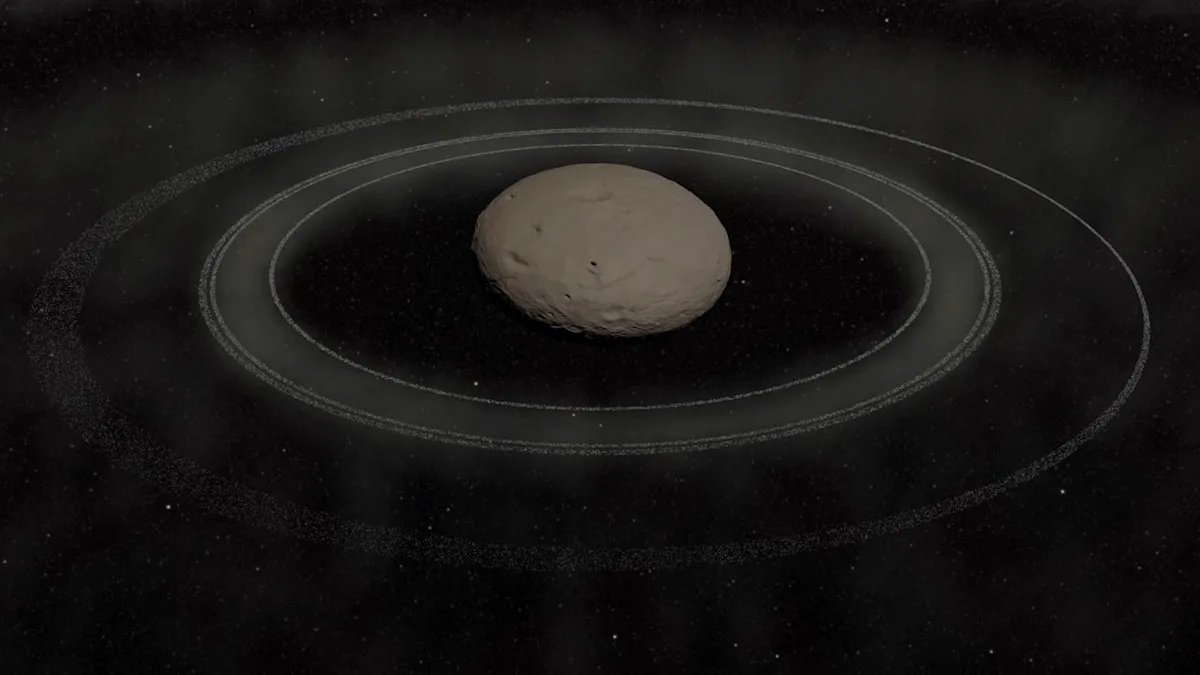
Astronomers have observed a small icy world, Chiron, building its own rings in real time, providing a rare glimpse into the process of ring formation around small celestial bodies, which may also shed light on how larger planetary rings formed billions of years ago.
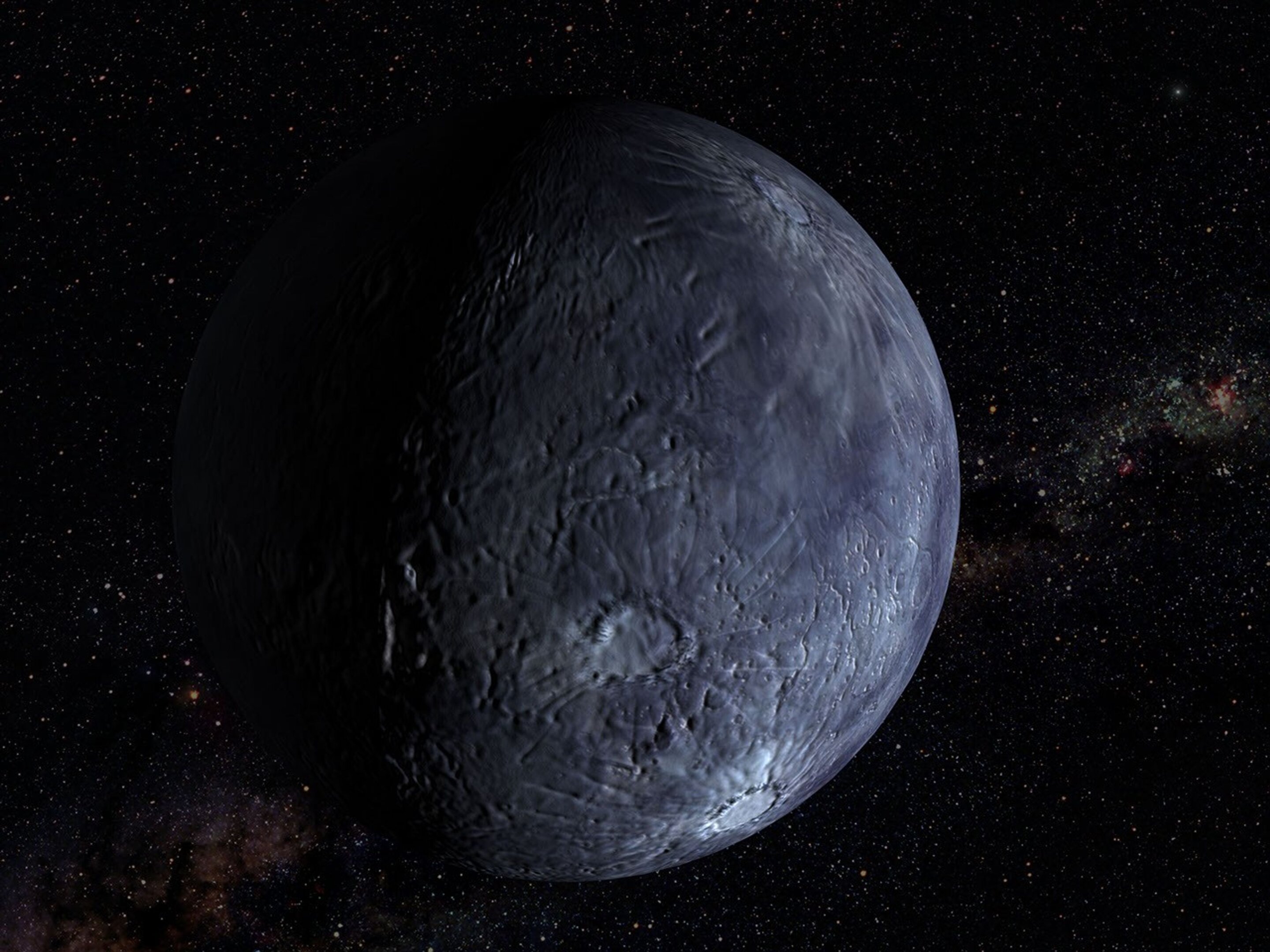
Astronomers have unexpectedly discovered a potential new moon or dense ring around the distant dwarf planet Quaoar during a stellar occultation, challenging existing theories about ring and moon formation in the Kuiper Belt. Further observations are needed to confirm the nature of this object and its implications for planetary system formation.
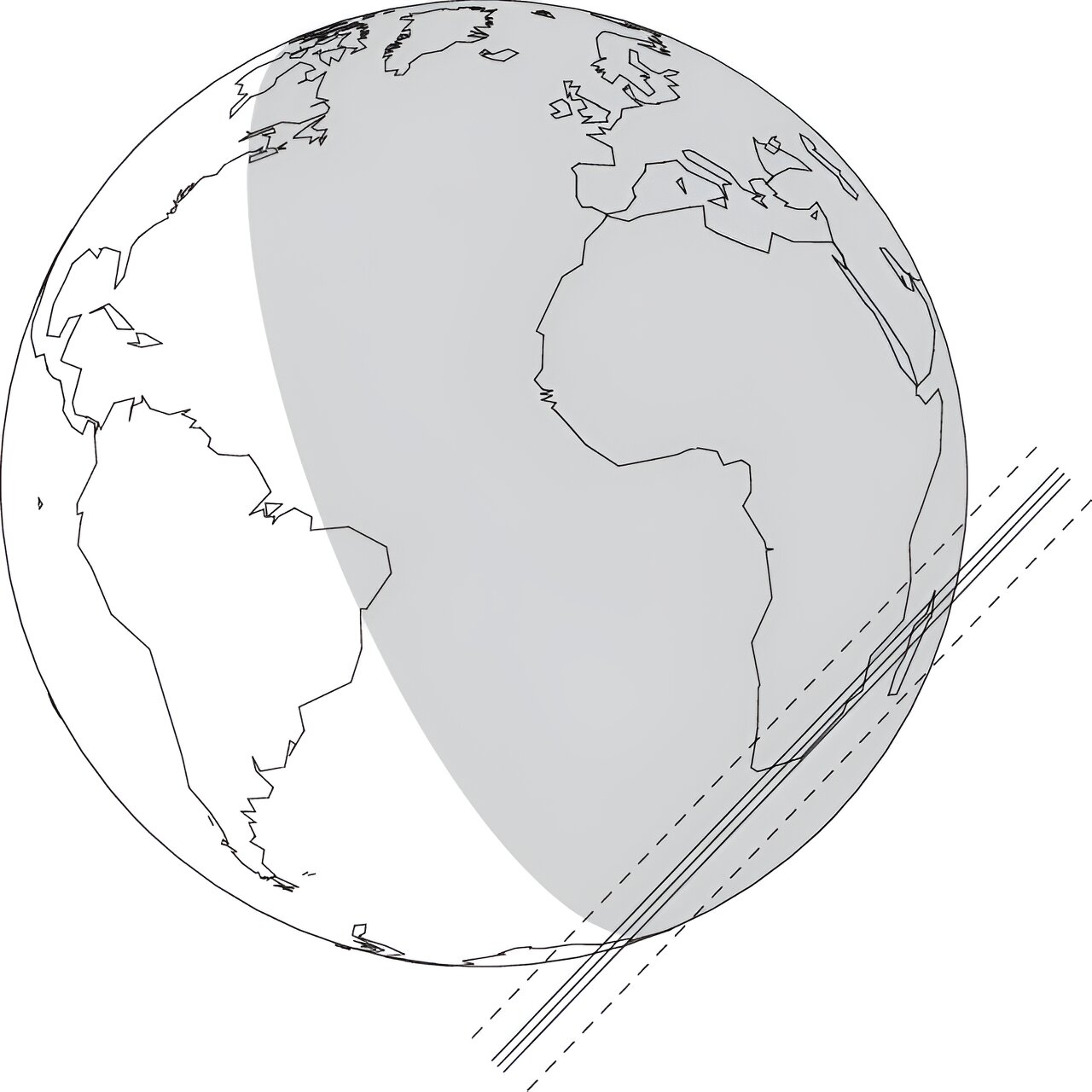
Observations during a stellar occultation of Centaur Chiron have revealed the presence of evolving material orbiting the object, rather than a stable ring system. The data collected suggests that the material surrounding Chiron is currently changing and evolving, ruling out the possibility of a two-ring system. This finding provides valuable insights into the formation and dynamics of rings around small celestial bodies.
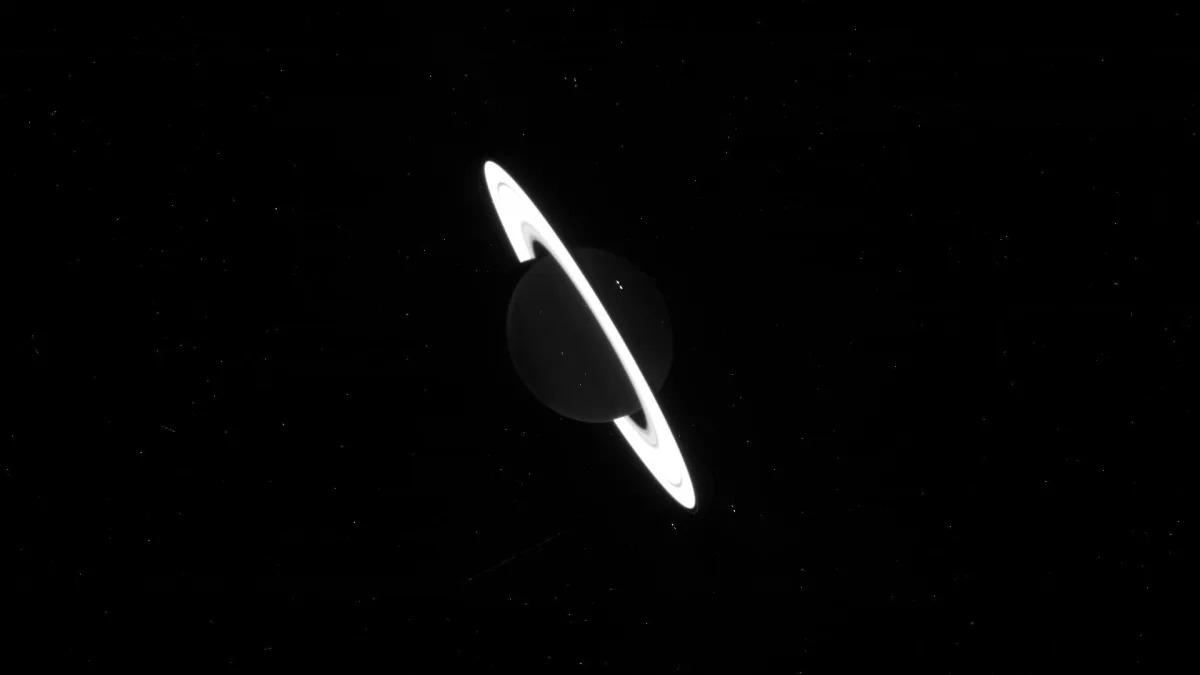
The James Webb Space Telescope (JWST) has captured its first raw images of Saturn, offering a tantalizing glimpse of the gas giant and its famous ring system. The black-and-white images, taken between June 24 and June 25, are currently in an unprocessed state but hold the promise of stunning views once fully processed. The JWST views the universe in infrared, allowing astronomers to see deeper into the universe and further back in time. In addition to its primary mission, the telescope has also provided unprecedented views of objects within the solar system, including Uranus, Jupiter, and a dwarf planet at the edge of the solar system.