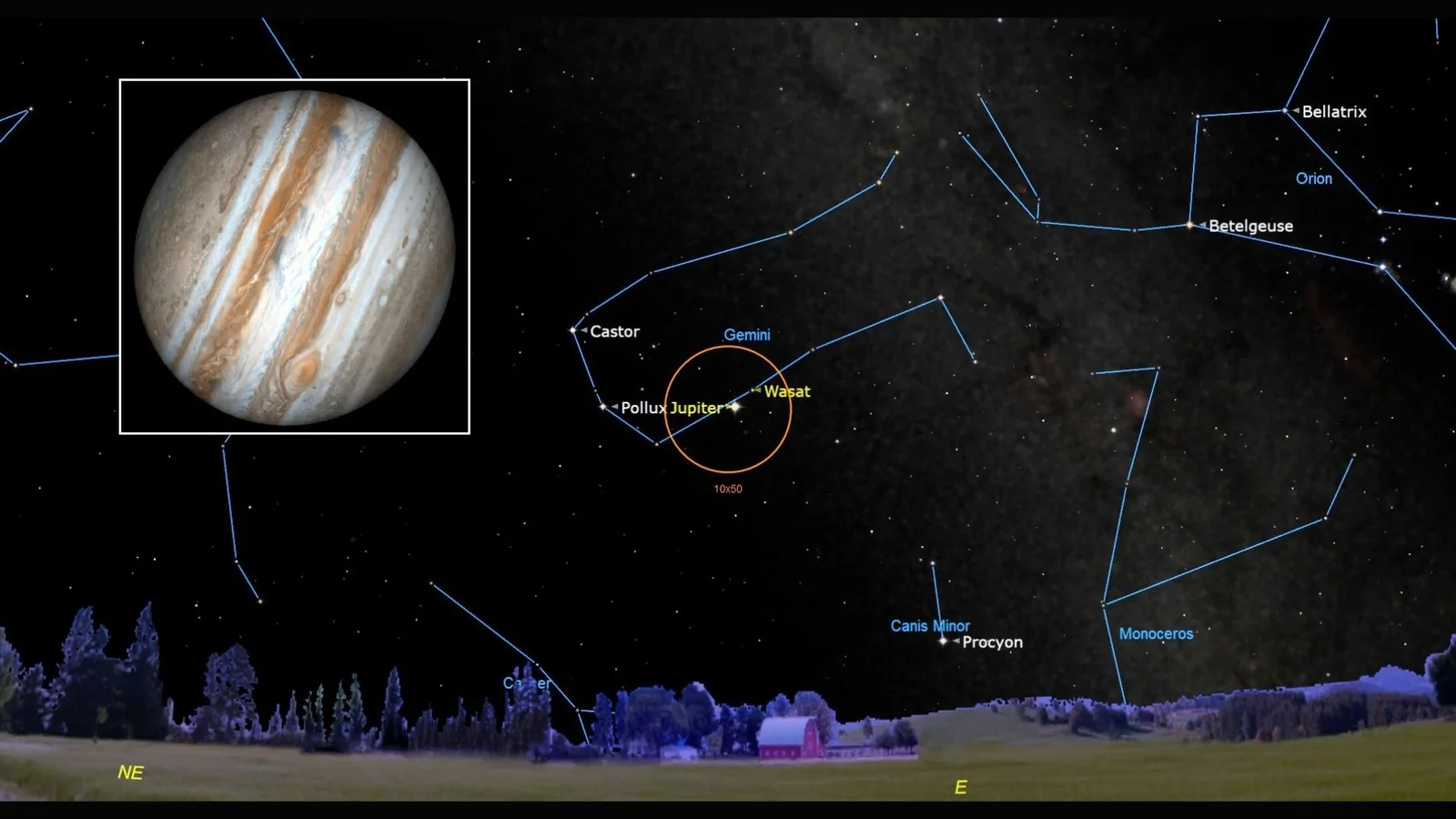
Jupiter will be at its brightest and most spectacular in 2026 during opposition on January 10, when it appears larger and brighter in the night sky, especially in the constellation Gemini, offering a great opportunity for observation with telescopes and the naked eye.
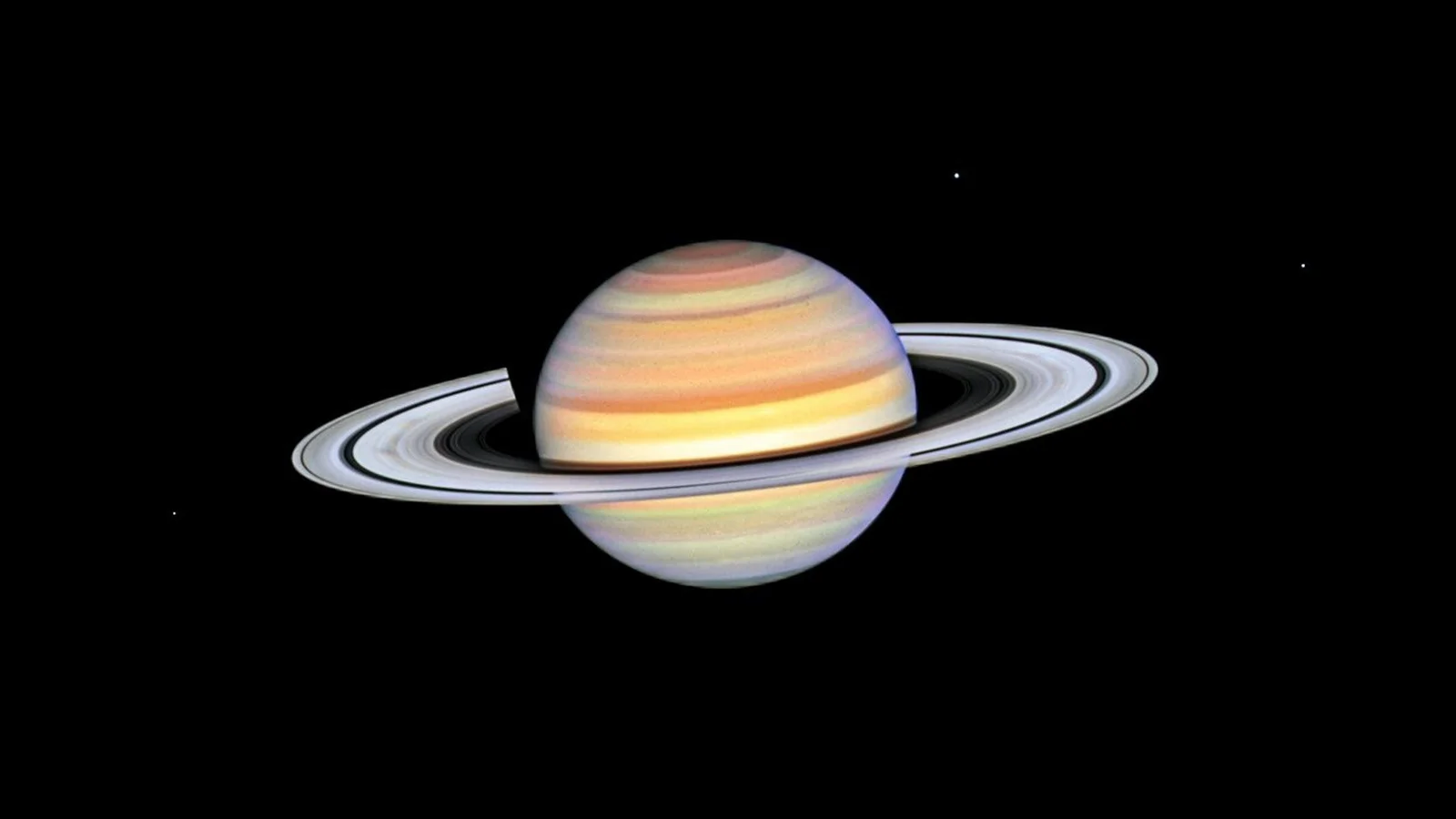
To see Saturn and Jupiter clearly through a telescope, a refractor with at least 50mm aperture is recommended, with larger apertures like 102mm or 125mm providing more detail such as Saturn's rings and Jupiter's Great Red Spot. For higher detail, pricier catadioptric telescopes are ideal. Viewing Uranus and Neptune requires even larger telescopes, around 200mm, and a motorized mount can help locate these distant planets.
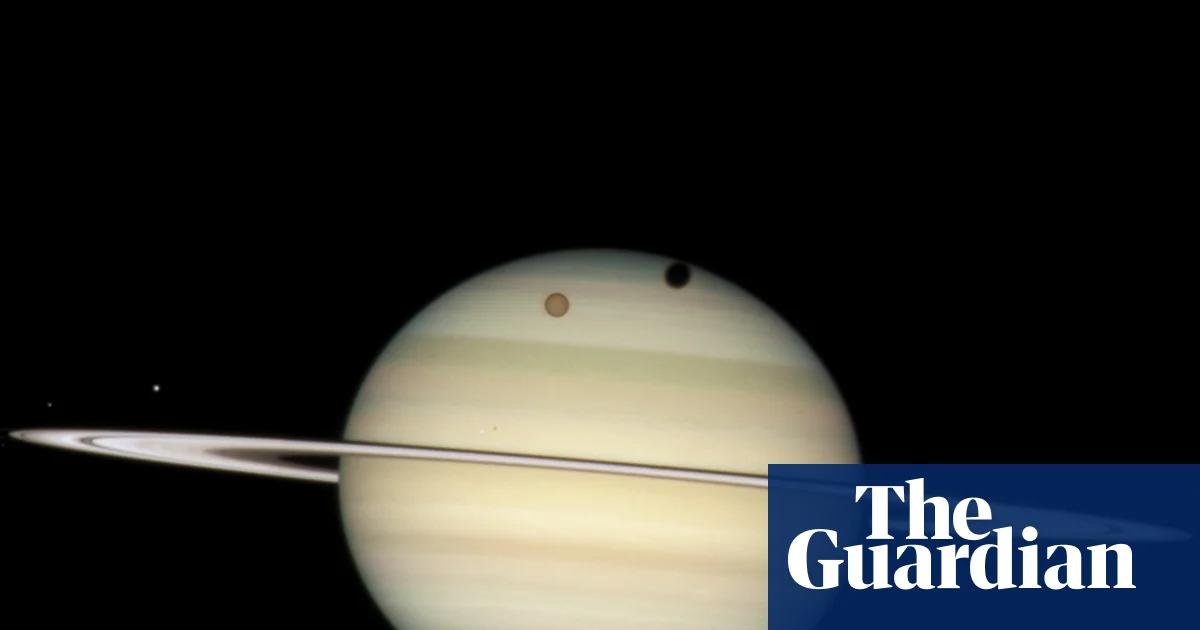
Saturn will be prominently visible throughout September, reaching its brightest on the 21st during opposition, with opportunities to see its moon Titan and its shadow, encouraging public engagement with astronomy and the cosmos for mental well-being and perspective.
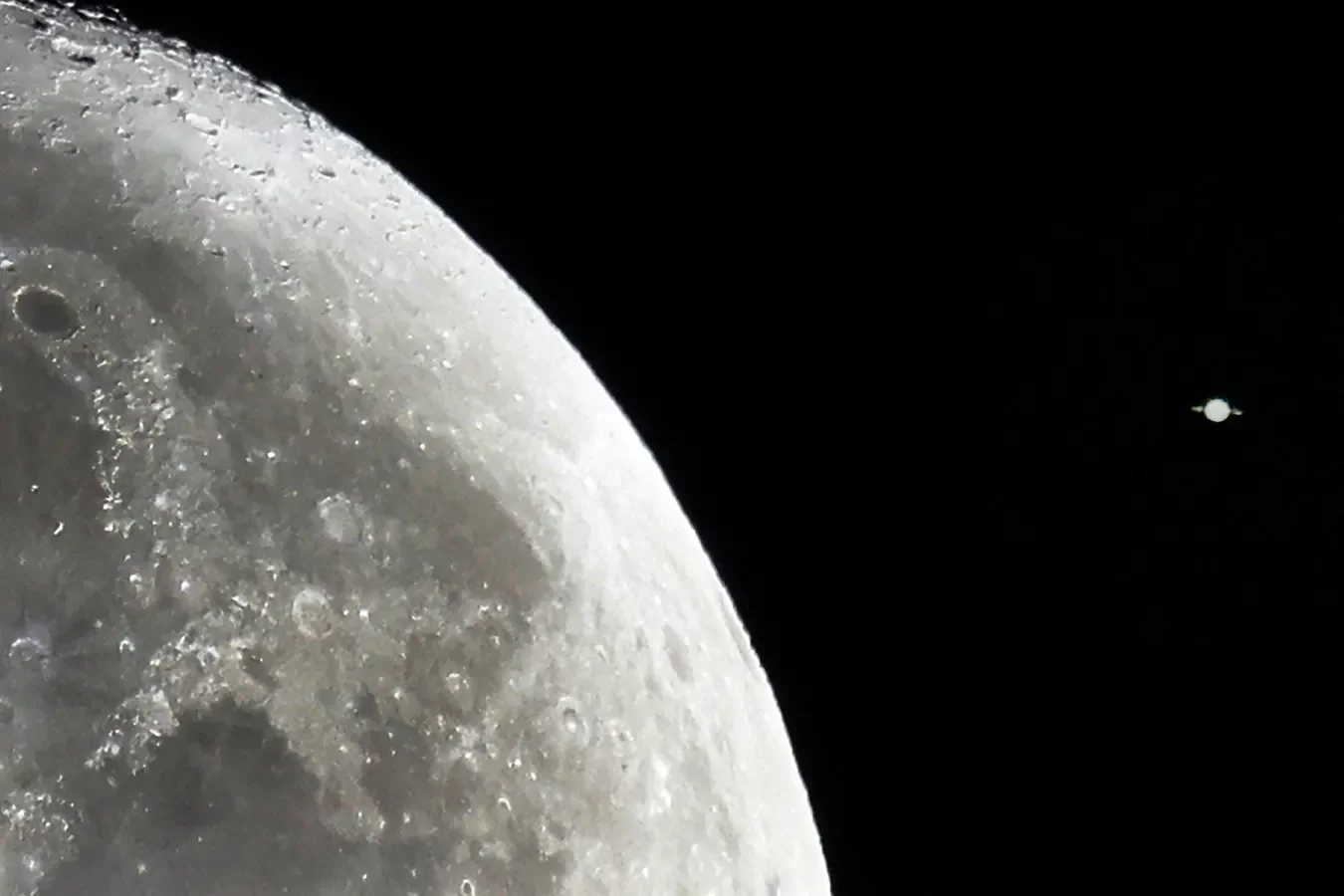
On July 15, 2024, from Kuwait City and elsewhere, the waning gibbous moon and Saturn will appear very close together in the eastern sky around midnight, providing a beautiful celestial display that can be observed without special equipment, with binoculars or small telescopes enhancing the experience.