Scientists have created a new phase of ice, called XXI, that forms at room temperature under extreme pressure, revealing the complex variety of water's solid states and potentially explaining the composition of icy moons.
Researchers at the University of British Columbia developed a small reactor that uses electrochemical loading of deuterium into palladium to boost nuclear fusion rates by 15% at room temperature, demonstrating a novel approach to fusion research that could complement traditional high-temperature methods.
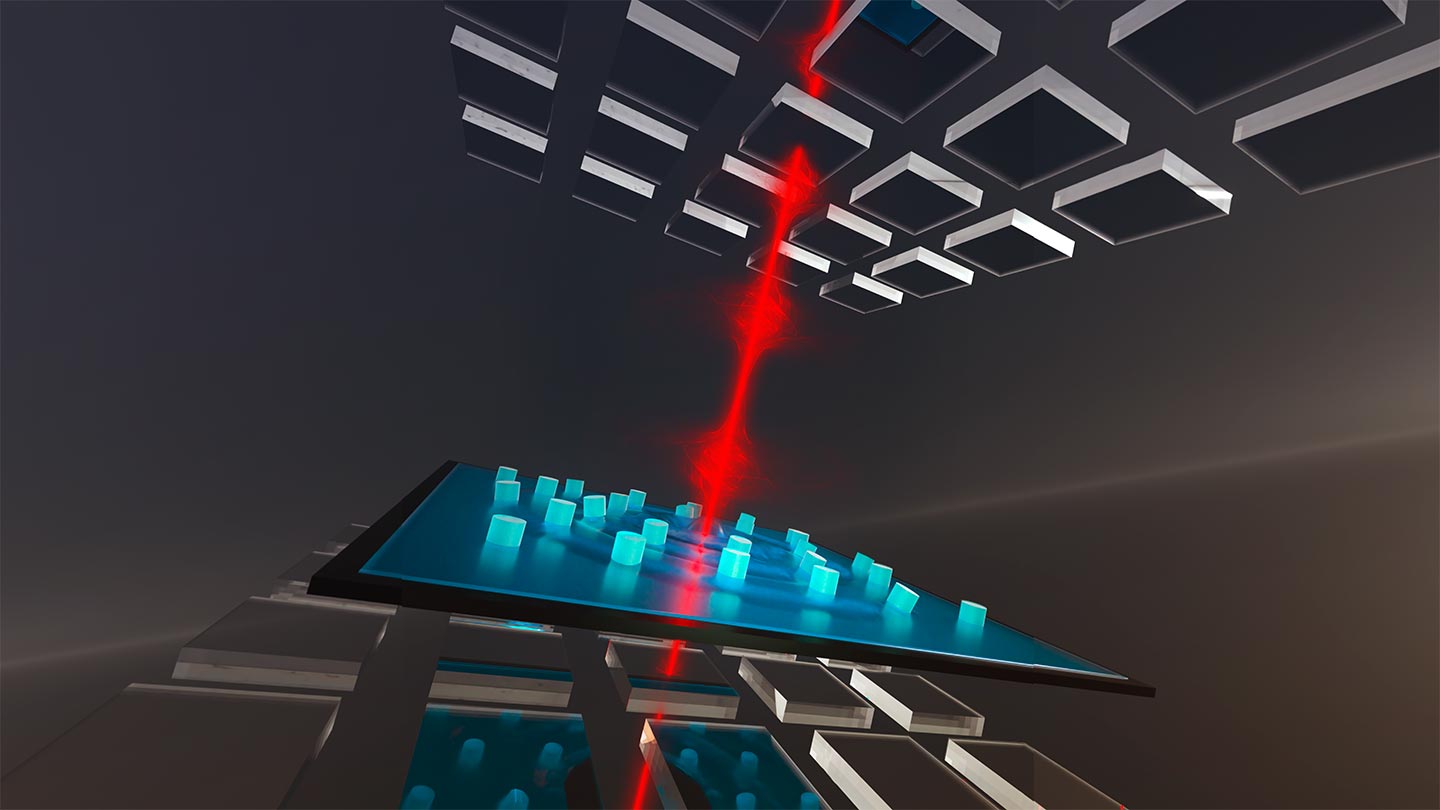
Researchers at ETH Zurich have successfully levitated nano-glass spheres in a pure quantum state at room temperature using laser beams and optical tweezers, eliminating the need for cooling to near absolute zero, and achieving a high level of quantum purity suitable for future quantum technology applications.
Physicists at the University of Konstanz have developed a method to use light to alter the magnetic properties of common crystals like hematite in a non-thermal way, enabling high-speed data processing and quantum research at room temperature, potentially revolutionizing information technology and quantum studies.
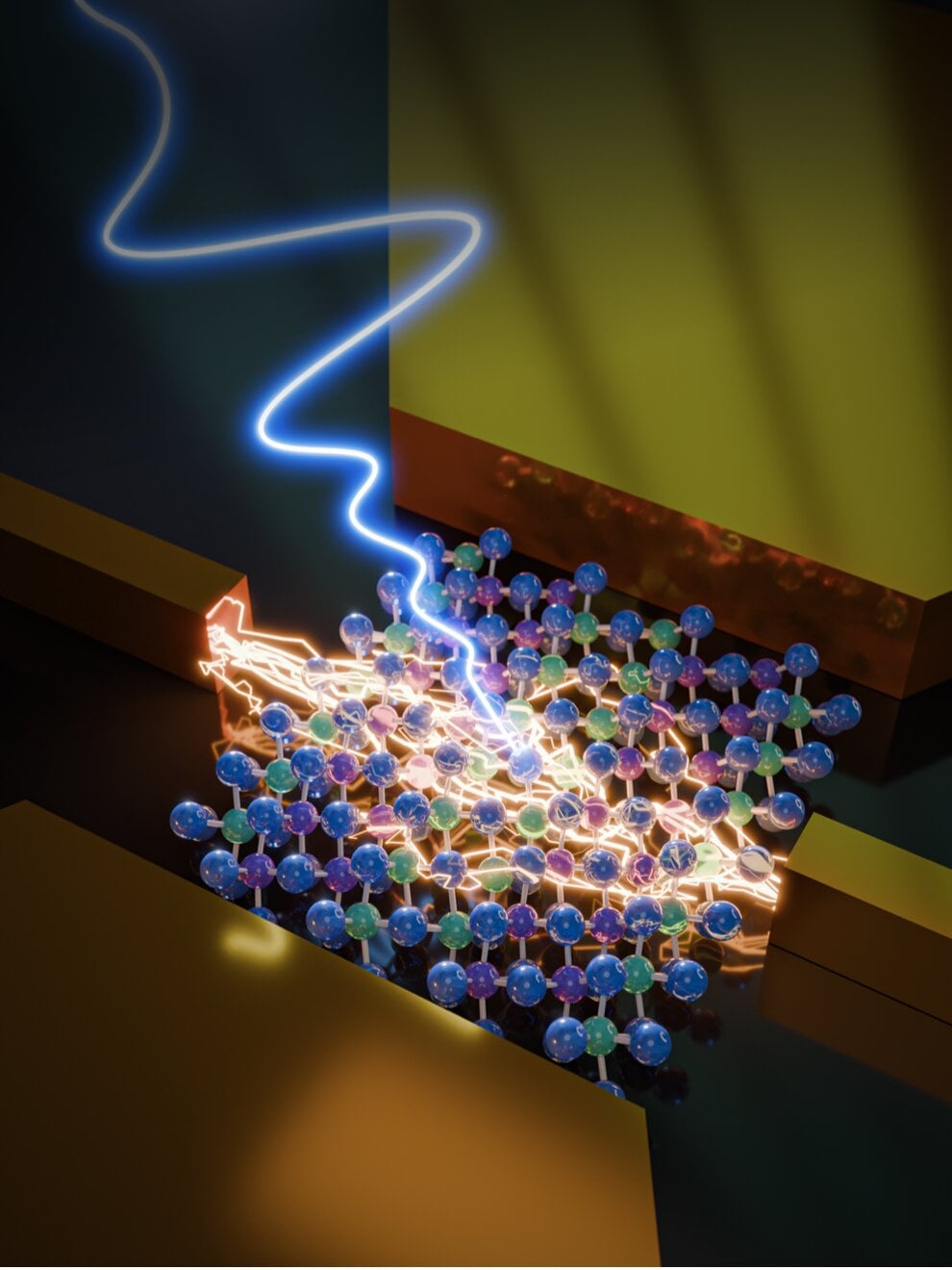
Researchers have developed highly sensitive, broadband THz photodetectors using the 2D topological semimetal TaIrTe4, which exhibit fast response times, high responsivity, and tunable electronic properties, promising advancements in THz imaging and communication technologies.
Scientists at Delft University of Technology have experimentally demonstrated the quantum spin Hall effect in magnetic graphene at room temperature without external magnetic fields, paving the way for practical, miniaturized quantum and spintronic devices that operate under ambient conditions.
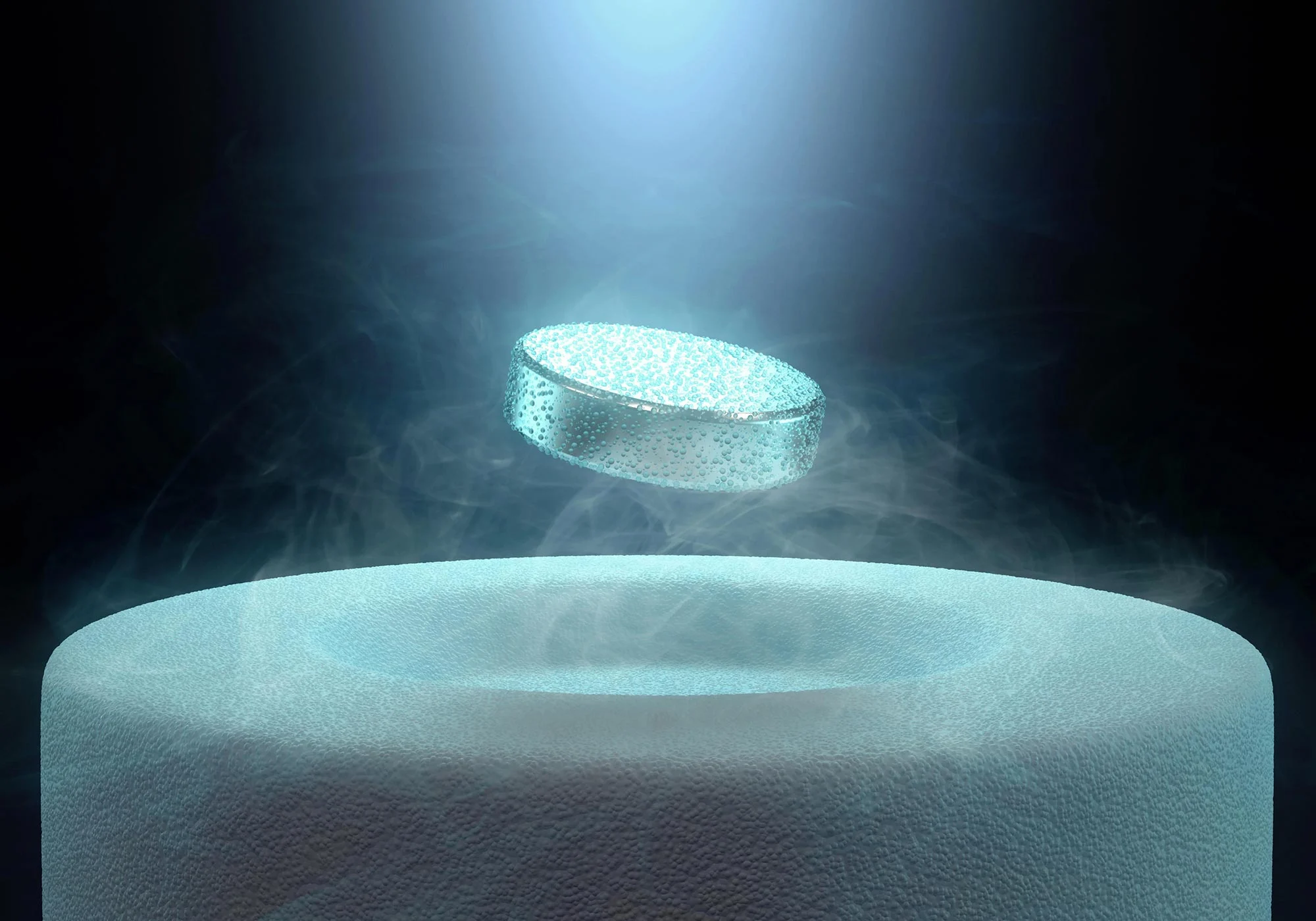
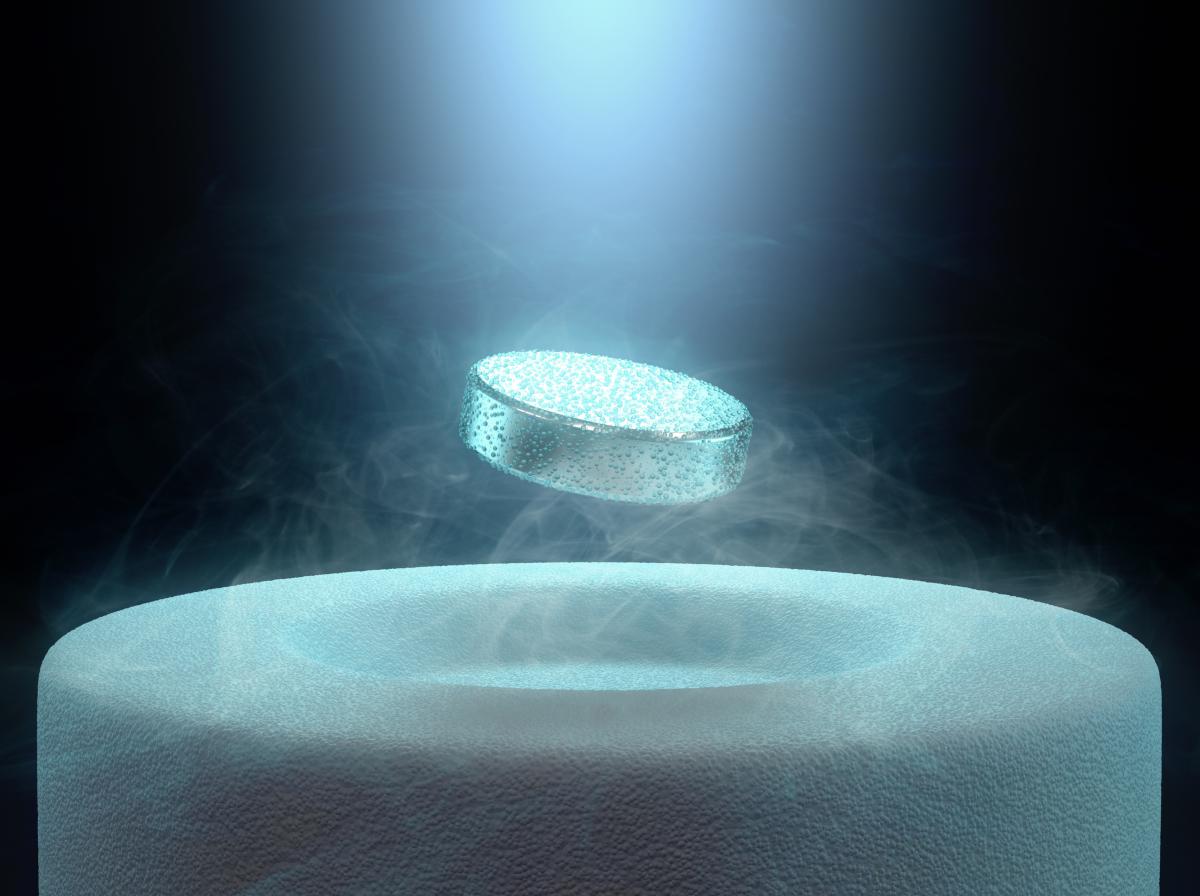
Scientists at the University of Illinois Chicago are developing new materials that could enable superconductors to function at room temperature, potentially revolutionizing their applications in power grids and transportation. The research, led by PhD candidate Adam Denchfield, explores rare earth hydrides and proposes new material designs that show promise in computer simulations. These designs aim to achieve superconductivity at higher temperatures without the need for extreme cooling, marking a significant step towards practical room-temperature superconductors.
Researchers at Rensselaer Polytechnic Institute have developed a photonic topological insulator device that operates at room temperature, enabling the study of quantum phenomena without the need for expensive, super-cooled equipment. This advancement could lead to more efficient lasers and broader access to fundamental physics research.
Korean scientists, previously behind a debunked superconductor claim, have now asserted the creation of a new compound, PCPOSOS, as the world's first room-temperature, ambient-pressure superconductor. However, their claims were met with skepticism from peer scientists, as no actual sample was presented, and the data provided lacks scientific evidence. The previous debunked claim had caused a stir in the market, with superconductor-related stocks soaring temporarily. The pursuit of a room-temperature, ambient-pressure superconductor remains a highly sought-after goal in the scientific community.
Researchers at EPFL have achieved a breakthrough in quantum mechanics by controlling quantum phenomena at room temperature, using an innovative experimental setup that combines quantum physics and mechanical engineering. By creating an ultra-low noise optomechanical system with specialized cavity mirrors and a large mechanical oscillator, they were able to minimize thermal noise and demonstrate optical squeezing, a quantum phenomenon, at room temperature. This achievement opens up new possibilities for quantum technology applications and the study of macroscopic quantum systems.
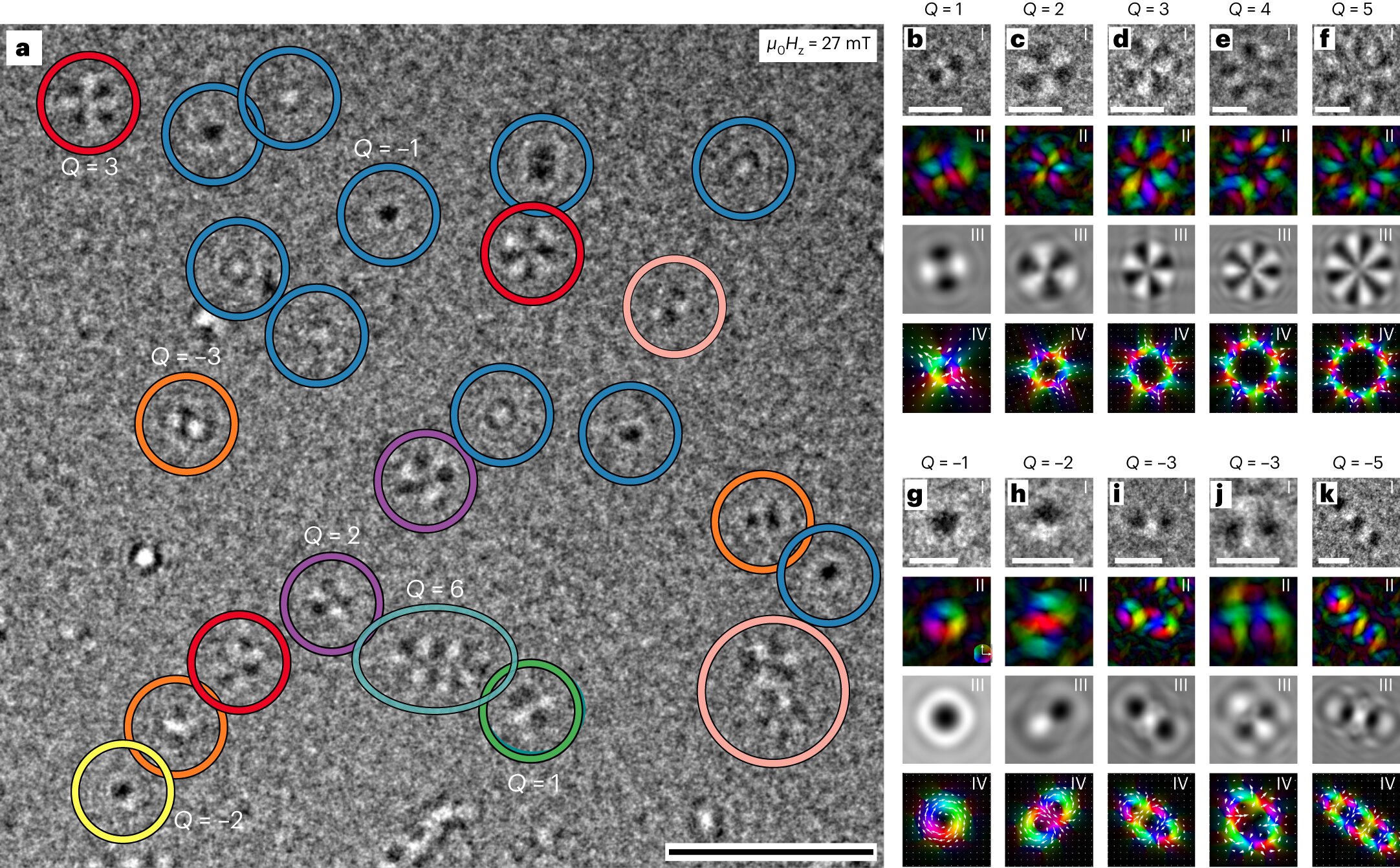
Researchers have discovered co-existing magnetic skyrmions and antiskyrmions of arbitrary topological charge at room temperature in magnetic Co/Ni multilayer thin films, opening up new possibilities for skyrmionics research. These spin objects, resembling tornado-like whirls in magnetic materials, offer potential applications in information storage devices and unconventional computing. The study, published in Nature Physics, also demonstrates the efficient control of the motion of these spin objects, providing insights for the development of skyrmionic devices.
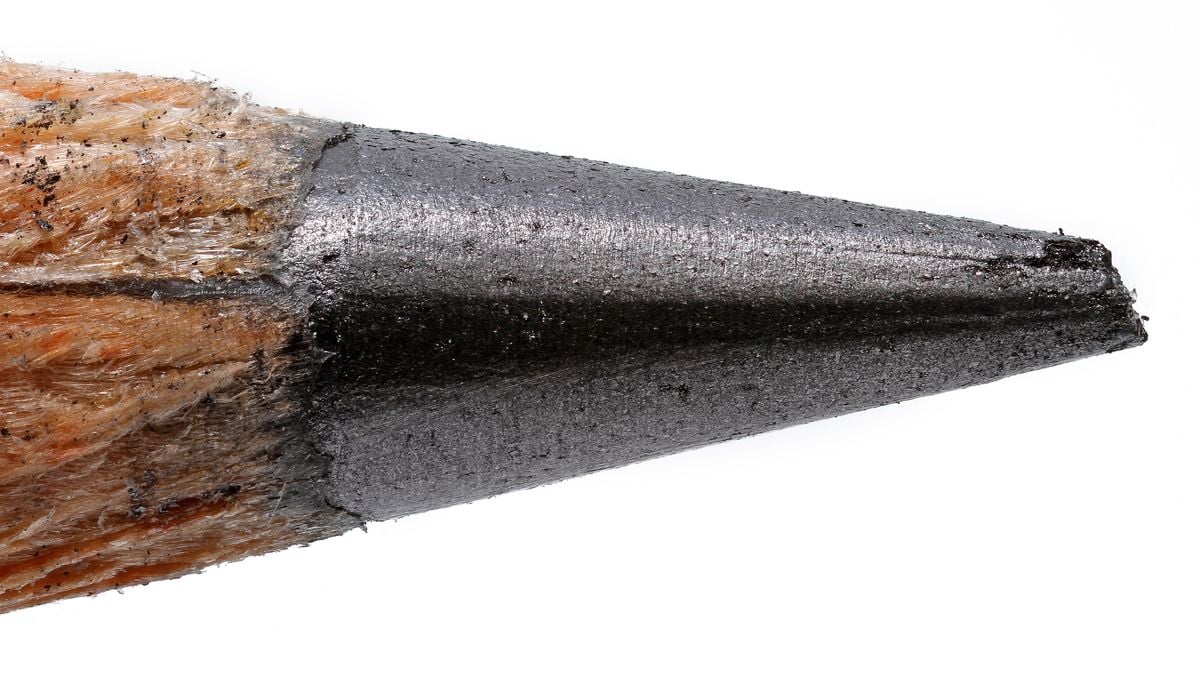
Scientists have discovered that highly oriented pyrolytic graphite (HOPG) may exhibit superconductivity at room temperature, a property typically only observed at extremely low temperatures. The material's unique configuration and wrinkles are believed to facilitate the formation of Cooper pairs, the basis of superconductivity. While the critical temperature for this phenomenon was not precisely determined, the team observed superconductivity at around room temperature. However, further testing and evidence are required to confirm this extraordinary claim, as superconductivity is typically established through multiple measurements, including resistance, magnetization, and heat capacity. If proven, this discovery could revolutionize technology and enable advancements currently only imaginable.
Researchers have achieved quantum coherence at room temperature, a crucial step in the development of quantum computers, by creating an entangled quintet state in electrons using a chromophore embedded in a metal-organic framework. This breakthrough could lead to more efficient generation of multiexciton state qubits and open doors to room-temperature molecular quantum computing and quantum sensing technologies with higher resolutions and sensitivities.
Researchers at Kyushu University have achieved quantum coherence at room temperature by combining a light-absorbing dye molecule with a metal-organic framework, marking a significant breakthrough in quantum computing and sensing capabilities despite the current nanosecond timeframe for coherence.
A new claim of a near-room-temperature superconductor has emerged from a Chinese research team, with a paper posted on arXiv suggesting the material operates at –23°C. However, given past disappointments in this field, such as the debunked LK-99 and a retracted paper by Ranga Dias, the scientific community remains skeptical. The material's true capabilities are yet to be confirmed through peer review and replication of results.