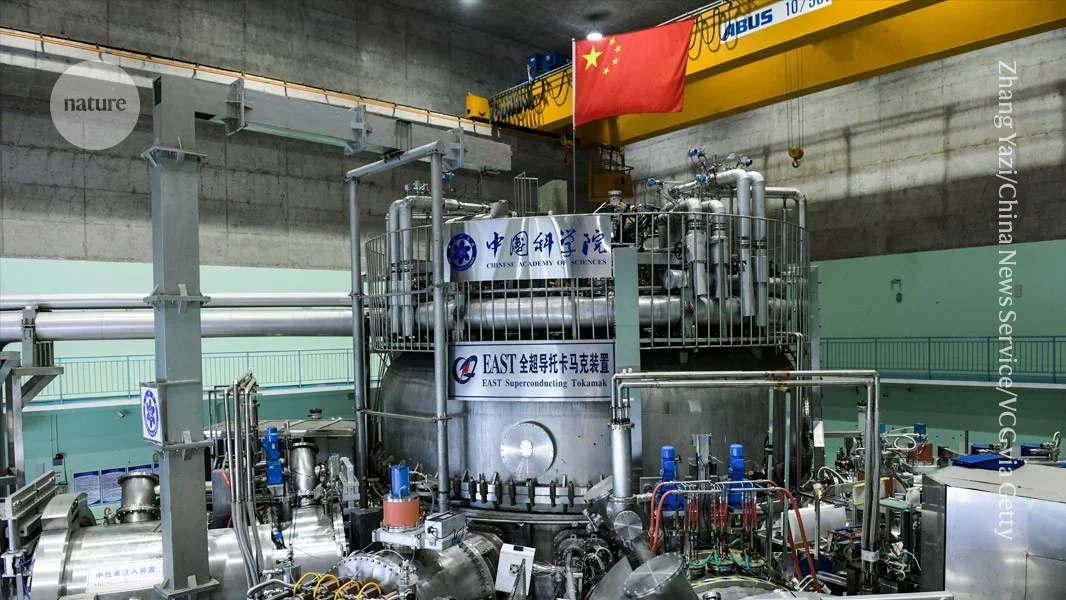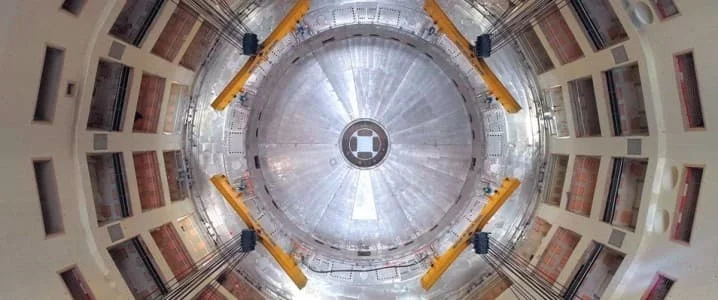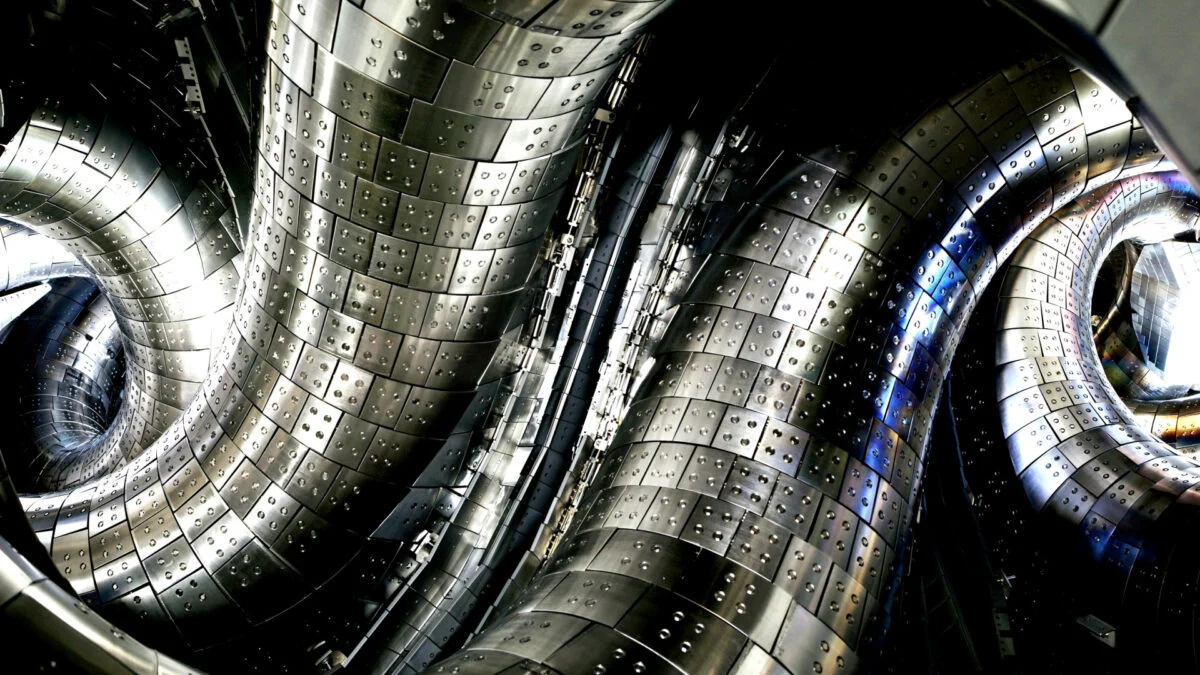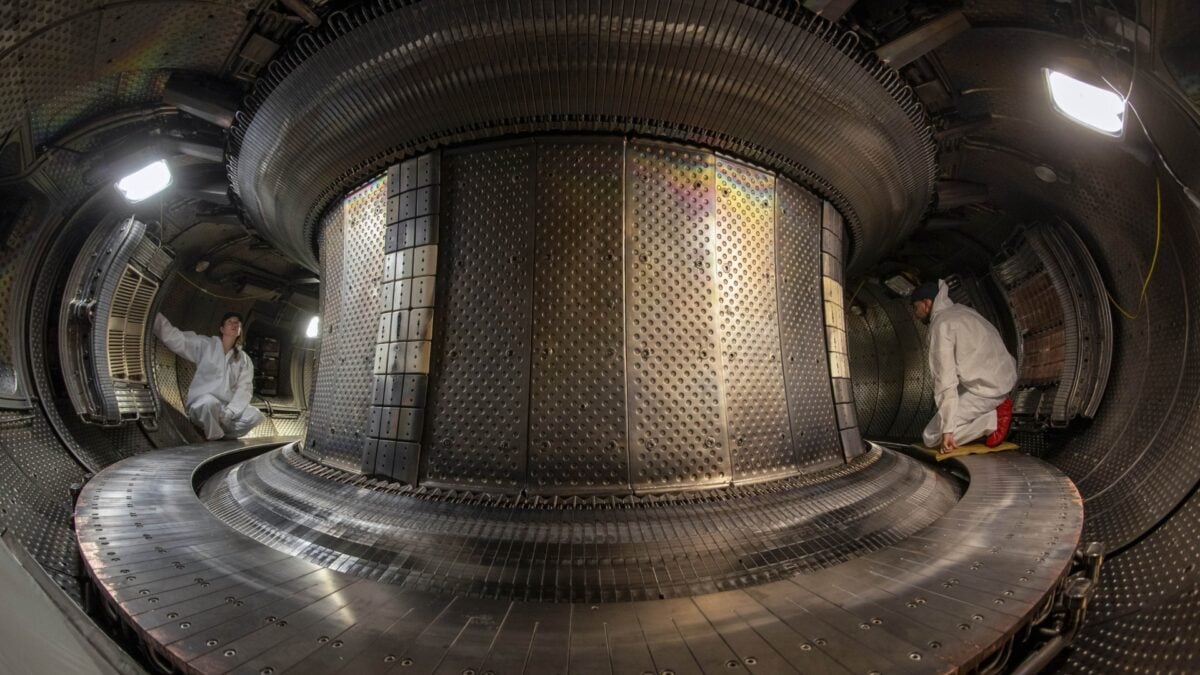
Researchers in China have successfully pushed the plasma density in their EAST nuclear fusion reactor beyond the long-standing Greenwald limit, achieving higher densities while maintaining stability, which could advance fusion energy development.
Short sellers are increasing their bets against Trump media group amid a nuclear fusion merger, reflecting investor skepticism or concern over the company's prospects in this sector.
Chinese scientists have made a significant advancement in nuclear fusion research by experimentally surpassing the Greenwald density limit in a tokamak, indicating progress toward achieving sustained fusion energy, which remains years away but is a crucial step for future energy solutions.
China's EAST tokamak has achieved a groundbreaking stable high-density plasma state called the 'density-free regime,' validating a theoretical model and potentially revolutionizing fusion energy development by overcoming long-standing stability barriers.
Nuclear fusion remains a complex and uncertain investment opportunity, posing challenges not only for scientists but also for investors due to its technical difficulties and high costs, as discussed in a Financial Times article.
The article discusses concerns over a $6 billion merger between Trump Media & Technology Group and fusion energy company TAE Technologies, highlighting potential conflicts of interest for Donald Trump, whose financial stake could influence government decisions on fusion energy, raising ethical questions and fears of favoritism in the emerging clean energy sector.
Trump Media announced a $6 billion merger with fusion power company TAE Technologies, aiming to develop commercial-scale nuclear fusion energy, with plans to build the first utility-scale fusion power plant by 2026, amidst skepticism about fusion's viability as a commercial energy source.
Researchers at Japan's NIFS have observed unexpected roles of plasma turbulence inside fusion reactors, acting as both a mediator that rapidly connects different plasma regions and a carrier that transports heat, challenging existing theories and opening new avenues for improving fusion efficiency.
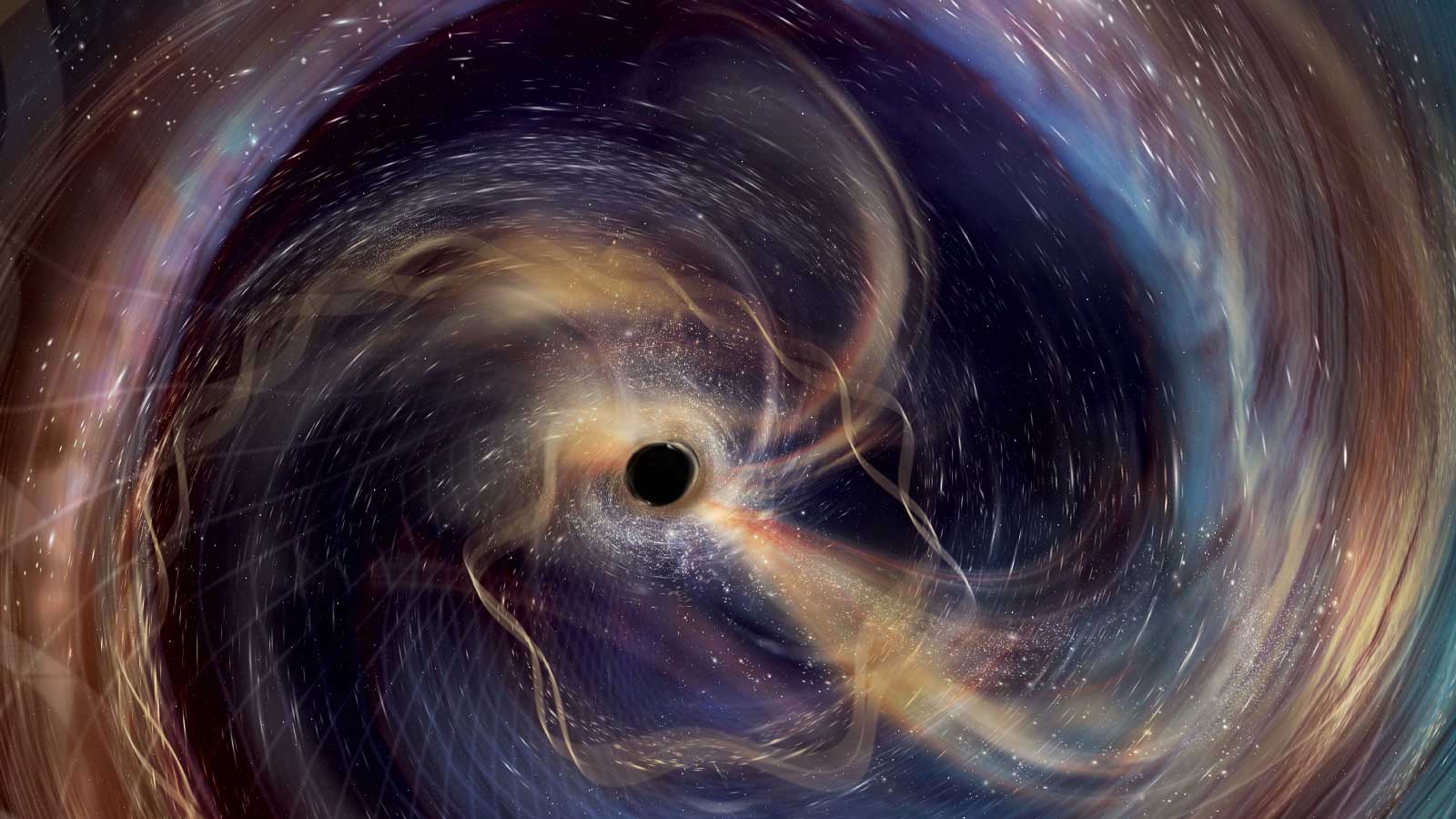
Despite political challenges in 2025, significant scientific achievements were made, including the detection of the strongest gravitational signals from black hole mergers, advancements in nuclear fusion, innovative gene therapies, and breakthroughs in chemical recycling and climate research, highlighting a resilient and innovative scientific community.
The UKAEA is decommissioning the world's longest-running fusion reactor, the JET tokamak, which has provided valuable insights into fusion energy, a promising clean power source that mimics the sun's process. The project achieved a record energy output and contributed to understanding reactor longevity, with future developments including a new reactor in England. Fusion energy offers a powerful, waste-free alternative to nuclear fission, potentially transforming the energy landscape alongside solar and wind power.
The US Department of Energy has released a new, ambitious roadmap to develop fusion energy by the 2030s, emphasizing public-private partnerships and AI tools, but it lacks concrete funding plans and faces significant scientific and technical challenges before fusion can become a viable energy source.
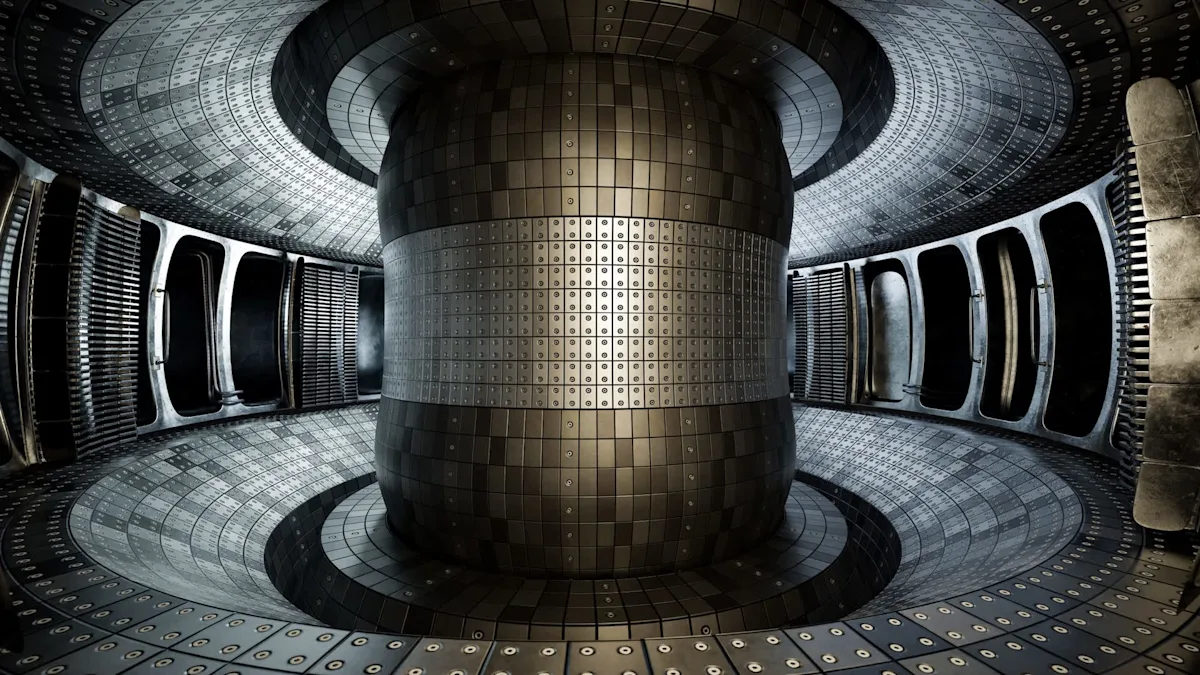
MIT researchers have made progress in nuclear fusion by developing a physics-based machine learning model to predict plasma behavior in tokamak reactors, aiding safer and more reliable energy production, marking a significant step toward practical fusion energy.
Pacific Fusion has selected Albuquerque as the site for a $1 billion nuclear fusion facility, marking a significant investment in advanced energy technology.
Researchers have developed a new exhaust system called the Super-X divertor that significantly reduces heat inside fusion reactors, advancing the potential of nuclear fusion as a clean, limitless energy source without long-lasting radioactive waste. This breakthrough, achieved through international collaboration, could improve future fusion reactor designs and help address global energy and climate challenges.
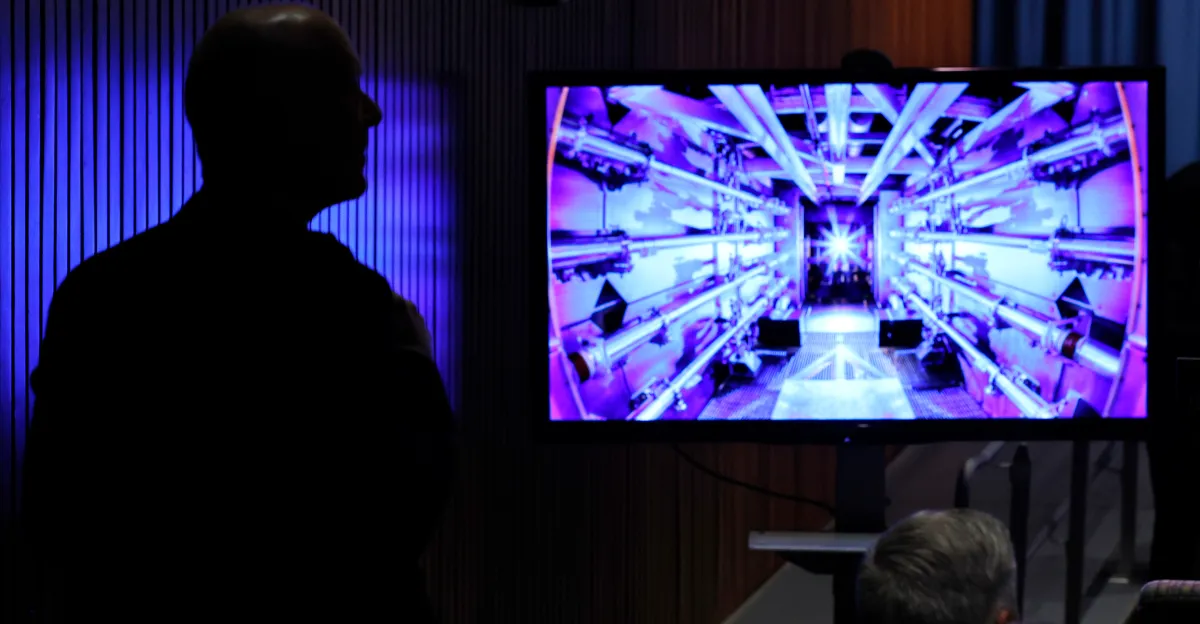
Scientists at Lawrence Livermore achieved a historic fusion ignition using 192 lasers, and a new startup, Inertia, aims to commercialize this technology by developing more powerful lasers and scalable production methods to create affordable, clean, limitless energy within the next decade.