Trump Media & Technology Group is merging with nuclear fusion startup TAE Technologies in a $6 billion all-stock deal, signaling a significant shift into the regulated nuclear energy sector and aiming to develop the world's first utility-scale fusion power plant by 2026.
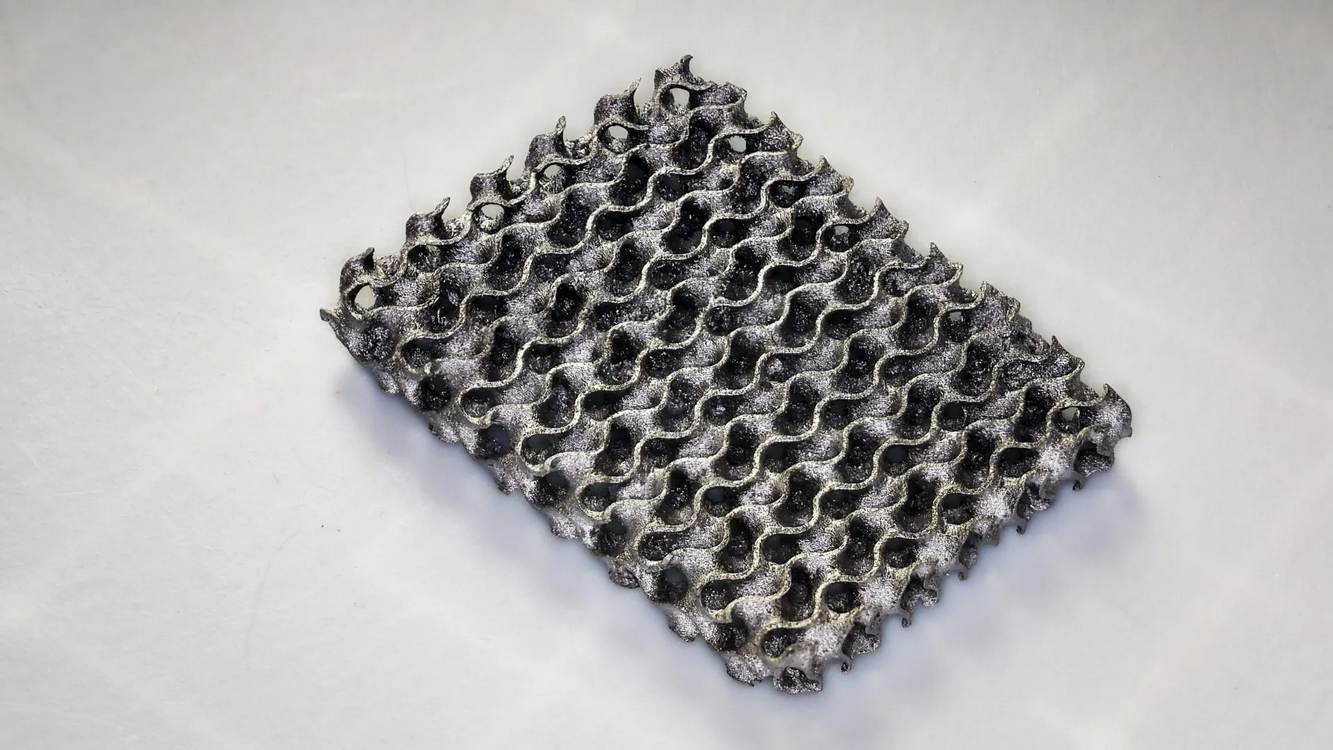
Swiss researchers have developed a novel method of 'cultivating' metal by infusing a hydrogel framework with metal salts and chemically converting them into dense, high-strength metal structures, which are significantly stronger and less shrinkage-prone than traditional 3D printed metals, with promising applications in energy and biomedical fields.
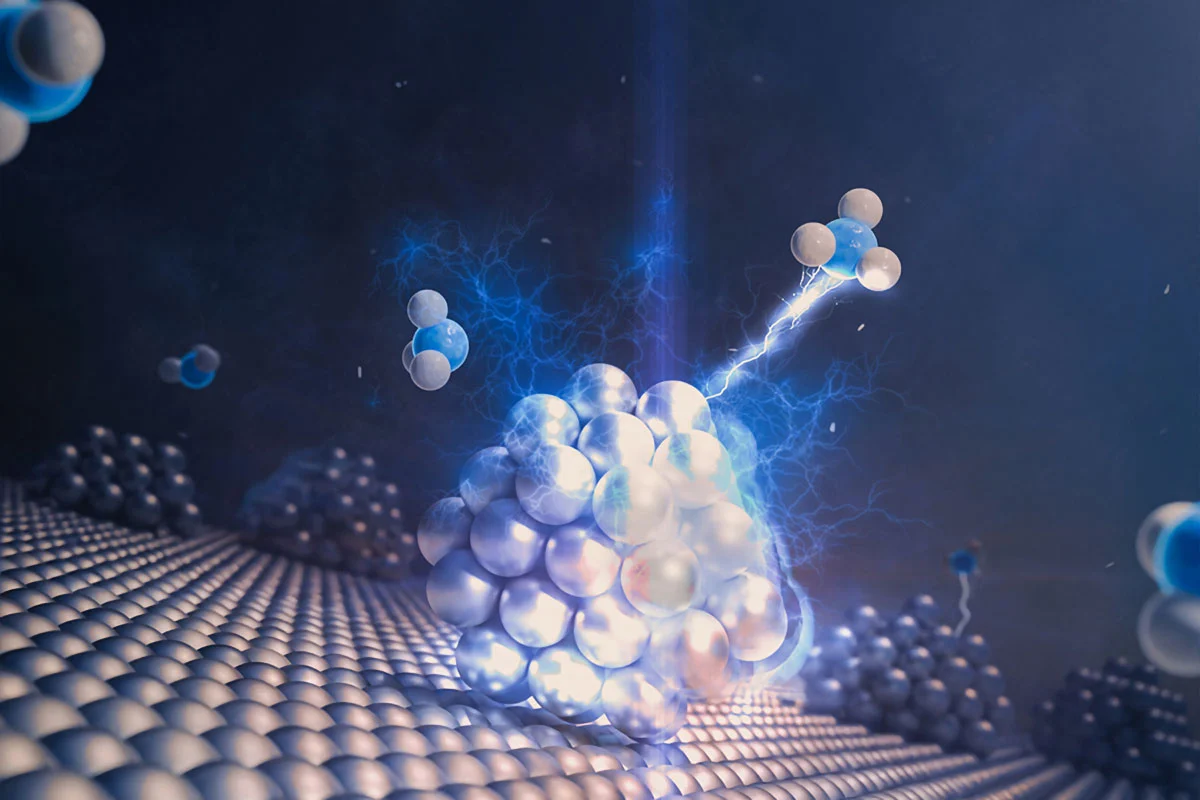
Scientists at the University of Minnesota and University of Houston have developed a new technique called Isopotential Electron Titration (IET) to directly measure the tiny fraction of an electron involved in catalytic processes, providing new insights into how catalysts like gold, silver, and platinum work, which could lead to more efficient and cost-effective manufacturing of fuels, chemicals, and materials.
Baker Hughes is acquiring Chart Industries for $13.6 billion to enhance its energy and industrial technology portfolio, aiming for growth in markets like LNG, data centers, and decarbonization, with expected synergies and financial benefits including increased margins and cash flow.
Scientists at the University of Illinois Chicago are developing new materials that could enable superconductors to function at room temperature, potentially revolutionizing their applications in power grids and transportation. The research, led by PhD candidate Adam Denchfield, explores rare earth hydrides and proposes new material designs that show promise in computer simulations. These designs aim to achieve superconductivity at higher temperatures without the need for extreme cooling, marking a significant step towards practical room-temperature superconductors.
The U.S. Department of Energy has released a report highlighting the potential of advanced grid solutions to increase grid capacity, improve reliability, and lower costs. The report emphasizes the availability of near-term solutions, the untapped value of the existing grid, the low cost and quick deployment of these solutions, and the possibility of liftoff within three to five years. The Biden-Harris Administration's commitment to strengthening the nation's transmission and distribution grid through significant funding is also highlighted, with a focus on deploying advanced technologies to enhance grid flexibility and resilience.
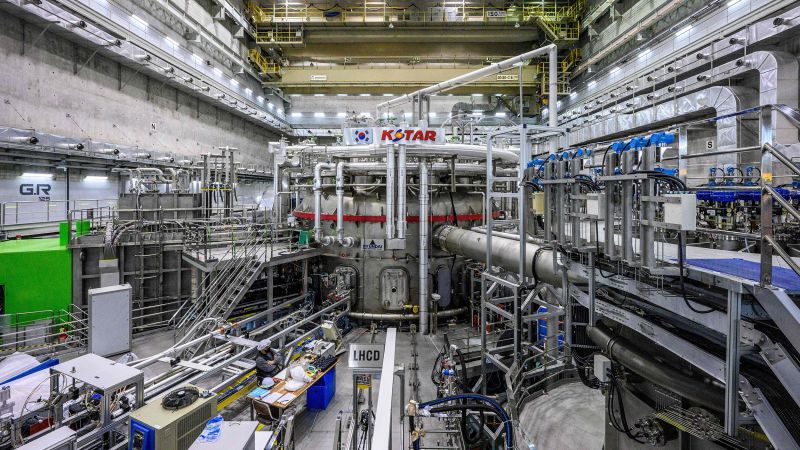
Scientists in South Korea have achieved a new world record by sustaining temperatures of 100 million degrees Celsius for 48 seconds in a nuclear fusion experiment using the KSTAR "artificial sun" device, marking a significant step forward for fusion energy technology. The goal is to sustain these temperatures for 300 seconds by 2026, which could pave the way for scaling up fusion operations. This achievement, along with other recent breakthroughs in nuclear fusion, brings hope for the potential commercialization of fusion energy as a clean and limitless energy source in the latter half of the century.
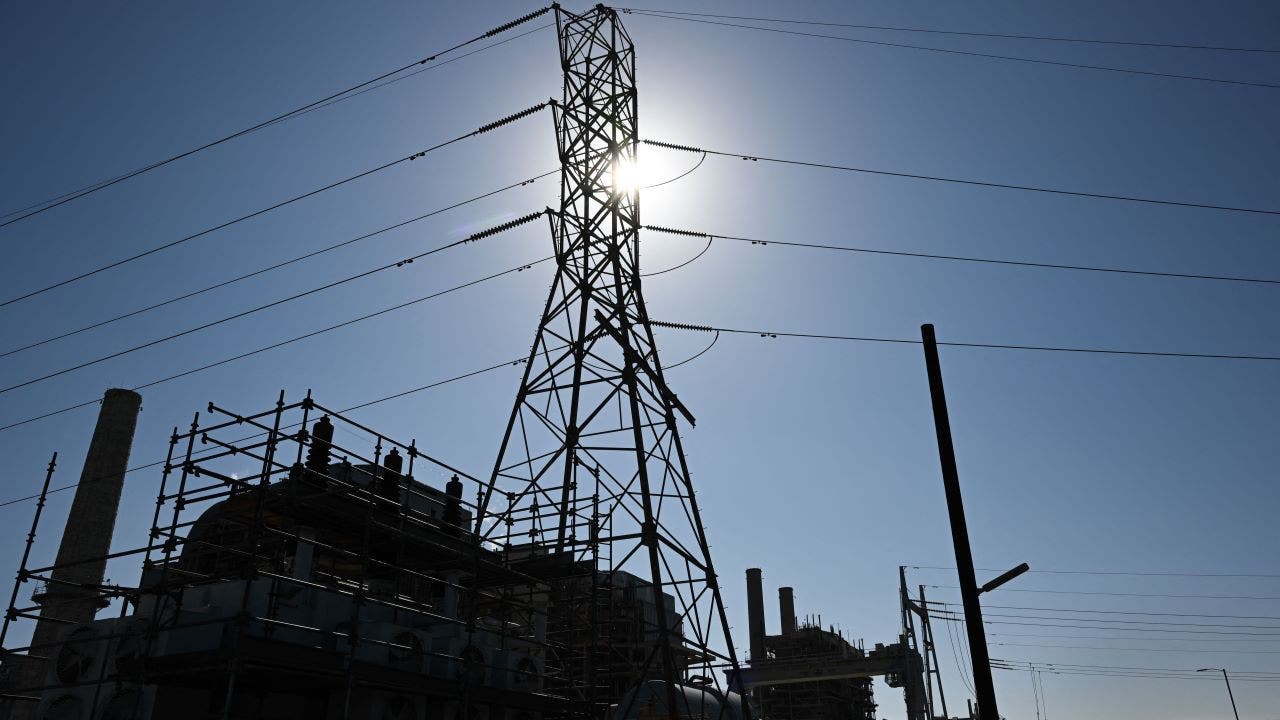
The surge in artificial intelligence (AI) development, clean technology manufacturing, and cryptocurrency mining is straining the U.S. energy supply, leading to increased demand for energy generation. The retirement of fossil fuel and nuclear power plants, coupled with the growing use of electric vehicles, is placing significant strain on the nation's energy infrastructure. The North American Electric Reliability Corporation (NERC) has identified potential capacity shortfalls in various regions, with the proliferation of emerging technologies like AI and cryptocurrency mining contributing to the strain. Efforts to address the energy demand include investments in nuclear fusion and data collection from crypto miners to better understand their power consumption.
The United States is facing a power crunch as demand for electricity skyrockets due to the proliferation of data centers and clean-technology factories, leaving utilities and regulators struggling to expand the aging power grid. The surge in demand, driven by factors such as artificial intelligence, crypto-mining, and the Biden administration's industrial policy, is leading to battles over who will pay for new power supplies and threatening the transition to cleaner energy. As the grid struggles to keep up, companies are exploring off-the-grid solutions and alternative energy sources, while officials are grappling with the challenges of building new transmission lines and addressing the strain on the overtaxed grid.
Fusion Fuel has received approval from the European Commission for its HEVO-Portugal project under the Important Projects of Common European Interest (IPCEI) Hy2Infra program. The €650 million, 630 MW project in Sines, Portugal, aims to produce 62,000 tonnes of green hydrogen annually, with a portion to be used in green ammonia production and export. The approval positions Fusion Fuel to commence funding negotiations with government stakeholders and the European Investment Bank, marking a significant milestone in the company's efforts to contribute to the rapid decarbonization of Portugal's largest industrial hub and advance the European green hydrogen economy.
Scientists at the University of Liverpool have discovered a new solid material that could revolutionize battery technology by potentially improving energy capacity and safety. The material, made of non-toxic earth-abundant elements, could replace liquid electrolytes in lithium ion batteries, leading to ethical and environmental benefits. The discovery, made using a combination of artificial intelligence and traditional chemistry, opens up new possibilities for further advancements in battery technology.
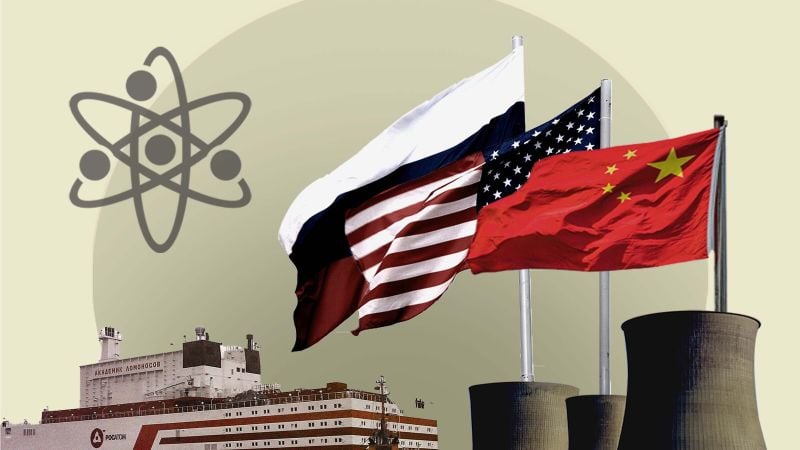
The US is investing heavily in small modular reactors (SMRs) as a potential solution to cut fossil fuels and compete with China and Russia in the nuclear energy market. SMRs are smaller, less costly, and can be built in more places than traditional reactors, making them a promising option for countries seeking to decarbonize their energy systems. However, the US is facing challenges in proving the economic viability of SMRs, as demonstrated by the recent setback of a major SMR project. Despite this, the US is pushing to sell SMR technology to countries around the world, aiming to establish long-term relationships and strengthen its influence in the global energy market.
The U.S. Department of Energy (DOE) has announced that four additional heat pump manufacturers have successfully developed prototypes as part of the Residential Cold Climate Heat Pump (CCHP) Technology Challenge, aiming to accelerate the deployment of heat pump technologies by supporting innovation and manufacturing. These prototypes are designed to deliver 100% heating capacity without auxiliary heat and higher efficiencies at 5 degrees Fahrenheit. The initiative aims to provide clean heating and cooling for American families, reduce carbon emissions, and support President Biden's clean energy goals. The next phase of the Challenge will involve the installation and monitoring of more than 23 prototypes in various cold-climate locations throughout the U.S. and Canada, with the goal of encouraging the adoption of efficient cold-climate electric heat pumps.
Scientists from Tsinghua University have developed a hybrid battery that not only stores and supplies electricity but also produces valuable chemicals like furfuryl alcohol and furoic acid. The dual-use system combines features of rechargeable and redox flow batteries, using specialized catalysts to transform biomass-derived furfural into useful chemicals while the battery charges or discharges. This breakthrough could improve the sustainability and cost-effectiveness of rechargeable batteries by simultaneously providing power and value-added chemicals.