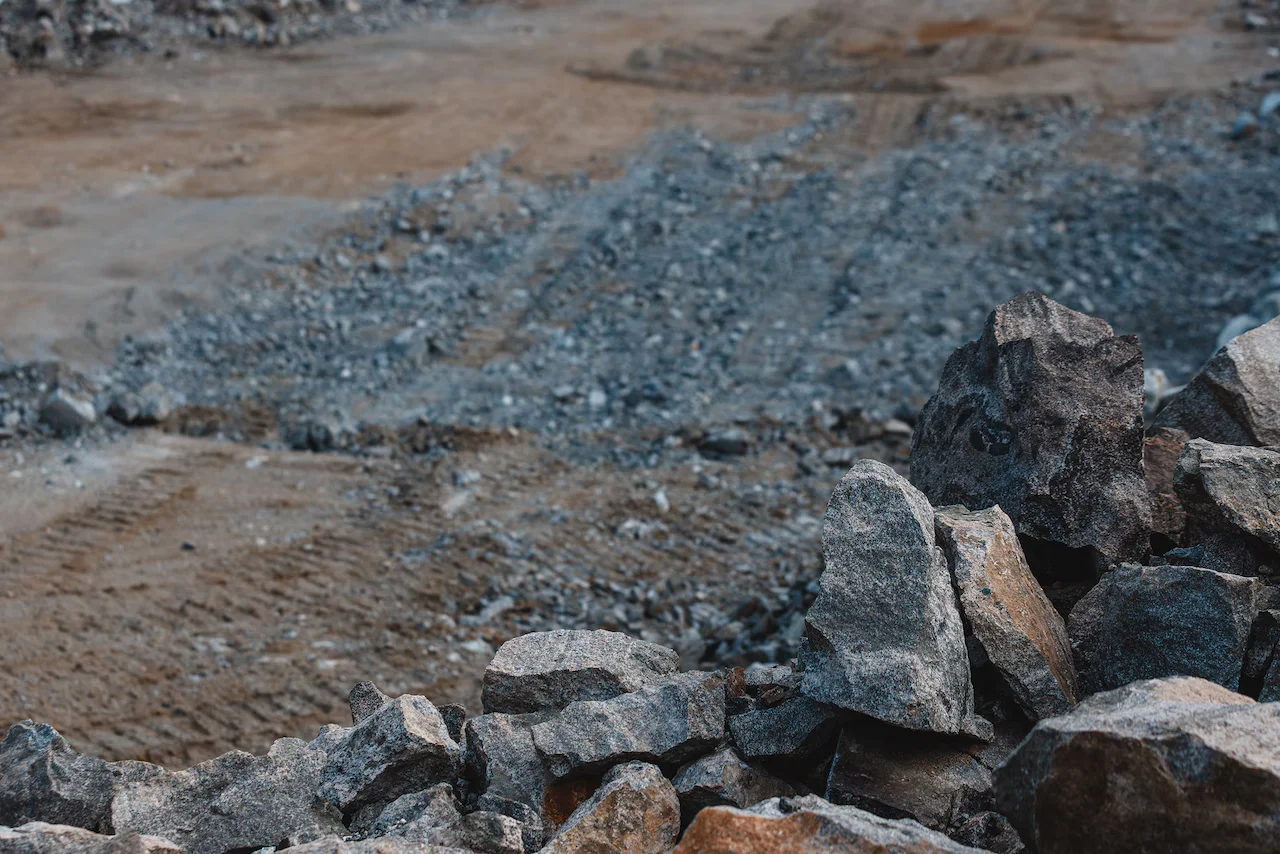
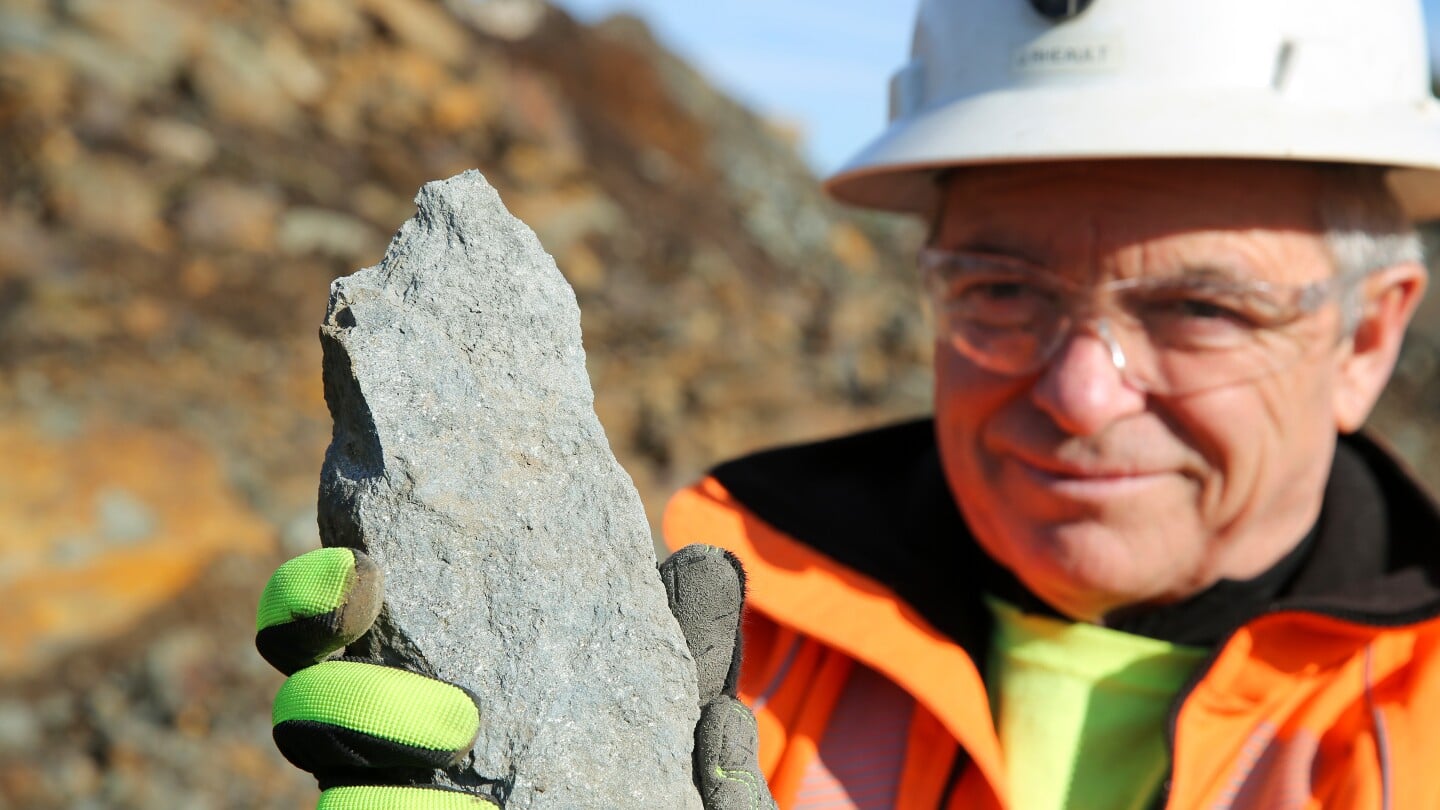
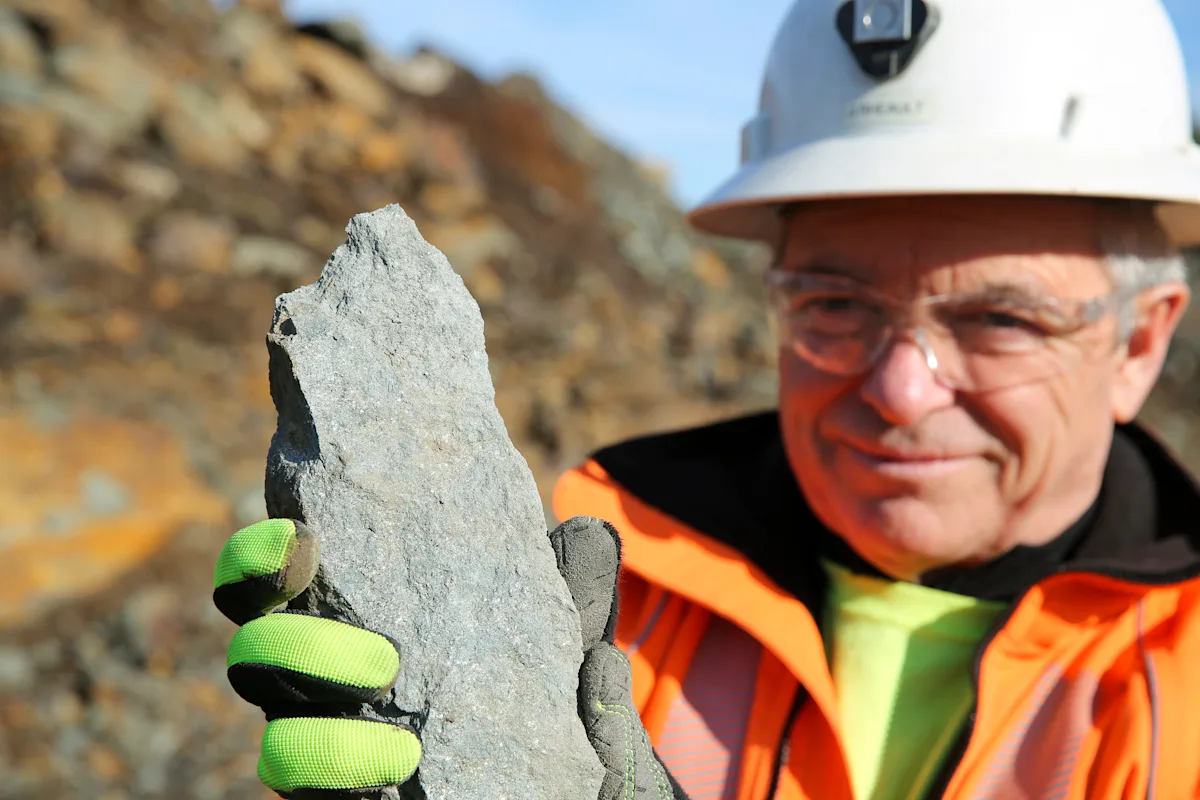
Graphite mining in Upstate New York is being revitalized due to increasing demand for batteries and concerns over reliance on Chinese supply, with Titan Mining Corp. aiming to produce significant quantities of graphite for U.S. needs by 2028, supported by government incentives and a strategic push for domestic critical mineral sources.
US graphite mines are experiencing renewed interest due to increasing demand for graphite in batteries and critical applications, driven by trade tensions with China and efforts to diversify supply chains. Several projects, including Titan Mining's in New York, aim to restart domestic production, reducing reliance on imports and supporting national security and technological needs.
Amid rising demand for lithium-ion batteries and ongoing trade tensions with China, US companies are revisiting graphite mining, which had been largely abandoned for decades, to secure domestic supply for high-tech, industrial, and military uses.
Cursor is acquiring code review startup Graphite to enhance its AI-powered software development platform, aiming to streamline both code writing and review processes amid a booming AI coding market, with plans for deeper integration and improved review tools by 2026.
The US Commerce Department has imposed a preliminary anti-dumping duty of 93.5% on Chinese graphite imports, a key battery component, due to unfair subsidies, increasing tensions in the global electric-vehicle supply chain.
The US Commerce Department has imposed a preliminary 93.5% anti-dumping duty on Chinese graphite imports, which could increase to 160%, aiming to protect domestic producers but potentially raising costs for EV battery manufacturers and impacting the global supply chain. The move is part of ongoing trade tensions and efforts to boost US graphite production, with significant implications for the EV and renewable energy industries.
Graphite, likely formed from giant impactors hitting Earth 4.3 billion years ago, may have triggered the creation of prebiotic molecules essential for the onset of life. Laboratory simulations by planetary astrochemists at Cambridge University suggest that graphite offers a potential route towards prebiotic chemistry, with heating of organic tar likely producing molecules for life's building blocks. The process involves the formation of nitriles, which can lead to the creation of adenine, a base for RNA and DNA, and eventually sugar. However, achieving chemical diversity while minimizing unwanted reactions remains a challenge, and further experiments are needed to validate the model's predictions.
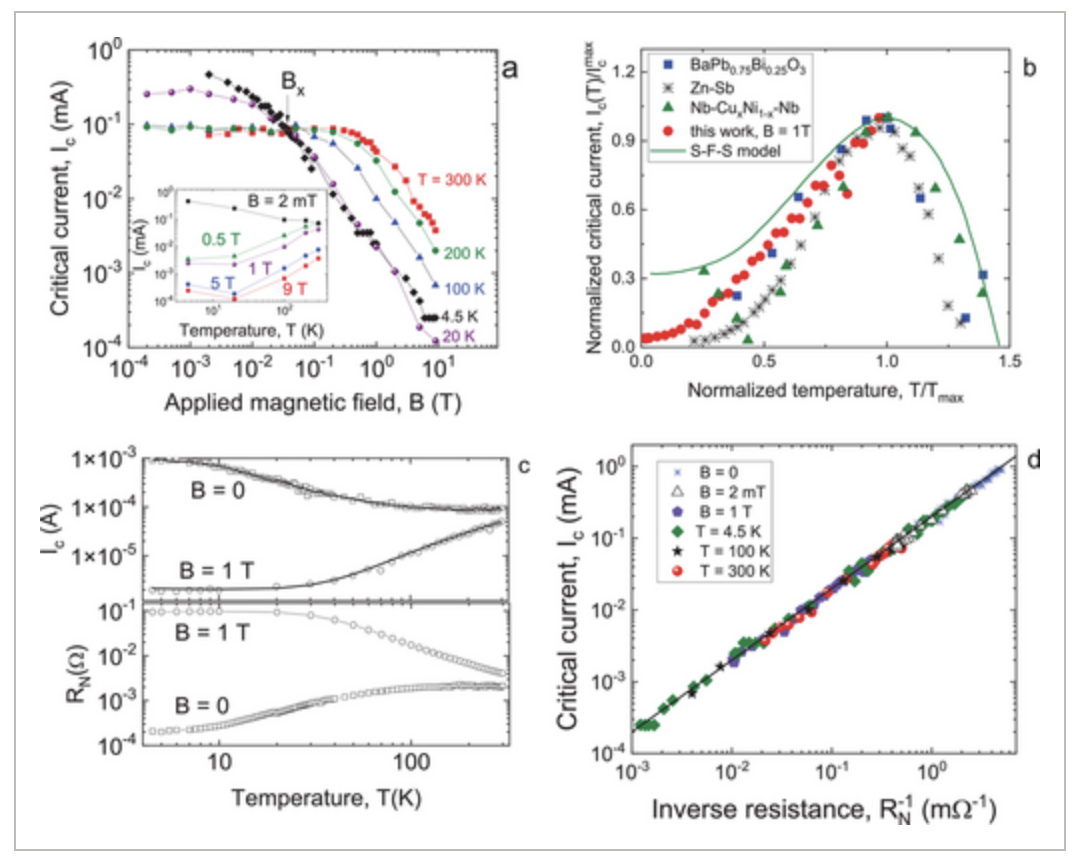
Scientists have discovered that highly oriented pyrolytic graphite (HOPG) may exhibit superconductivity at room temperature, a property typically only observed at extremely low temperatures. The material's unique configuration and wrinkles are believed to facilitate the formation of Cooper pairs, the basis of superconductivity. While the critical temperature for this phenomenon was not precisely determined, the team observed superconductivity at around room temperature. However, further testing and evidence are required to confirm this extraordinary claim, as superconductivity is typically established through multiple measurements, including resistance, magnetization, and heat capacity. If proven, this discovery could revolutionize technology and enable advancements currently only imaginable.
Terra Quantum-led researchers have observed room-temperature superconductivity in graphite for the first time, using scotch tape to cleave pyrolytic graphite into thin sheets. This discovery could lead to transformative advancements in superconducting technology, with potential applications in power grids, healthcare, transportation, electronics, and quantum computing. The mechanism leading to superconductivity involves the formation of structures that allow superconducting currents to flow along the wrinkles in the graphite, mediated by effective topological gauge fields and Bose condensation.
MIT physicists have discovered that stacking five ultrathin flakes of graphite in a specific order can create a material with three unique properties never seen before in natural graphite. The material, called pentalayer rhombohedral stacked graphene, exhibits electron correlation, allowing electrons to communicate with each other. By attaching electrodes to the material, the researchers were able to tune the system and observe three different phenomena depending on the number of electrons present: insulating, magnetic, or topological behavior. This discovery opens up new possibilities for studying strongly correlated and topological physics.
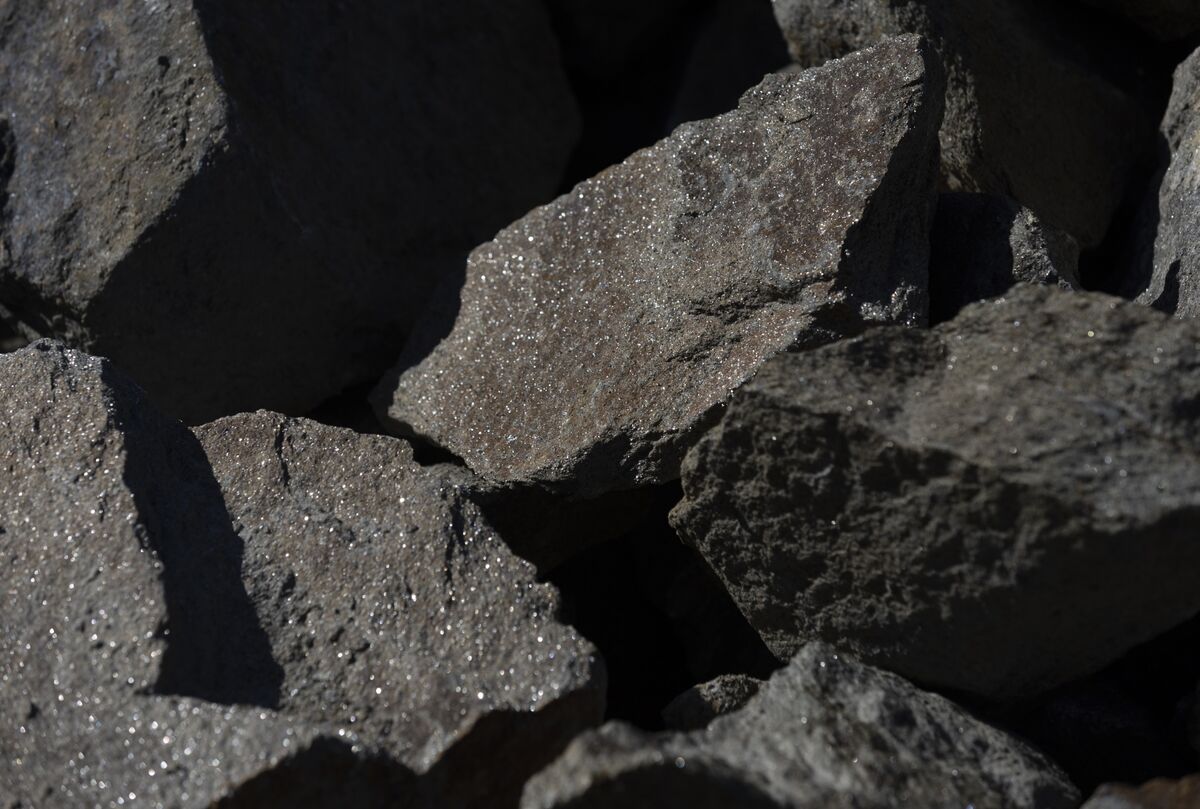
Graphite, a versatile and valuable mineral, is used in various industrial processes and is increasingly important in the decarbonization of transportation. It is commonly found in flake or amorphous form and has unique properties such as lubricity and high melting point. Graphite mining involves open-cast mines and flotation processes to separate the graphite from the surrounding rock. Natural graphite production is dominated by China, while synthetic graphite is produced through high-temperature processes using petroleum coke. However, synthetic graphite is more expensive than natural graphite. As the demand for graphite continues to grow, there is a need for more sustainable extraction and refining methods.
MIT physicists have discovered unique properties in graphite by stacking five graphene layers in a specific order, creating a material called pentalayer rhombohedral stacked graphene. This material can exhibit insulating, magnetic, or topological characteristics, which were previously unseen in natural graphite. The researchers used innovative nanoscale microscopy techniques to isolate and study this material, marking a significant advancement in material physics.
Physicists at MIT have discovered that stacking five ultrathin flakes of graphite in a specific order can create a material with three unique properties: insulating, magnetic, and topological. This material, called pentalayer rhombohedral stacked graphene, allows electrons to communicate with each other, enabling these new properties. The researchers used a novel microscope to isolate the material and study its characteristics. This discovery expands the understanding of the potential applications of graphite and graphene in various fields of physics.
China has announced that it will require export permits for certain graphite products, which are crucial for the production of electric vehicle batteries, in order to protect national security. China is the world's largest producer of graphite, accounting for two-thirds of global supply. This move is part of China's broader strategy to curb the export of critical minerals. The demand for graphite in the electric vehicle sector has surged, with each vehicle using 50-100 kg of graphite in its battery pack. China's export restrictions on minerals have also affected other high-tech microchips, such as gallium and germanium.
China has imposed export controls on graphite, a crucial mineral used in steel and electric car batteries, escalating the trade dispute with the United States over clean energy technologies. The restrictions, effective from December 1, ban the export of artificial graphite and products made with it without government permission. China is the world's top producer and exporter of graphite, with the US being the largest importer. As demand for graphite grows, the US is seeking alternatives to China, with a focus on countries in Africa. Efforts to permit new mines in the US have faced opposition due to concerns about pollution. China's dominance in critical minerals has prompted other countries to prioritize domestic mining and processing.