Tag

Arxiv

All articles tagged with #arxiv

AI Slop Tests the Limits of Computer Science Publishing
technology14 days ago

AI Slop Tests the Limits of Computer Science Publishing

Nature reports that a surge of AI-generated, low-quality submissions—dubbed 'AI slop'—is flooding computer science journals and conferences, with ICML 2026 receiving over 24,000 papers and arXiv submissions up more than 50% since ChatGPT; some papers are AI-generated or contain fabrications, prompting arXiv and conference policy changes, expanded reviewer pools, and debates about moving to rolling-journal models to preserve research integrity.

AI-drafted grants edge NIH funding but risk dampening novelty
science-policy15 days ago

AI-drafted grants edge NIH funding but risk dampening novelty

AI-assisted NIH grant proposals appear about 4% more likely to be funded and yield more papers, but they tend to resemble prior work, raising concerns about reduced novelty and potential homogeneity; NSF proposals show no funding advantage from AI use. Findings come from an arXiv preprint analyzing NIH/NSF submissions and AI-rewritten abstracts, and are not yet peer reviewed.

Moon Faces a 4% Chance of a 60-Meter Asteroid Hit in 2032
space28 days ago

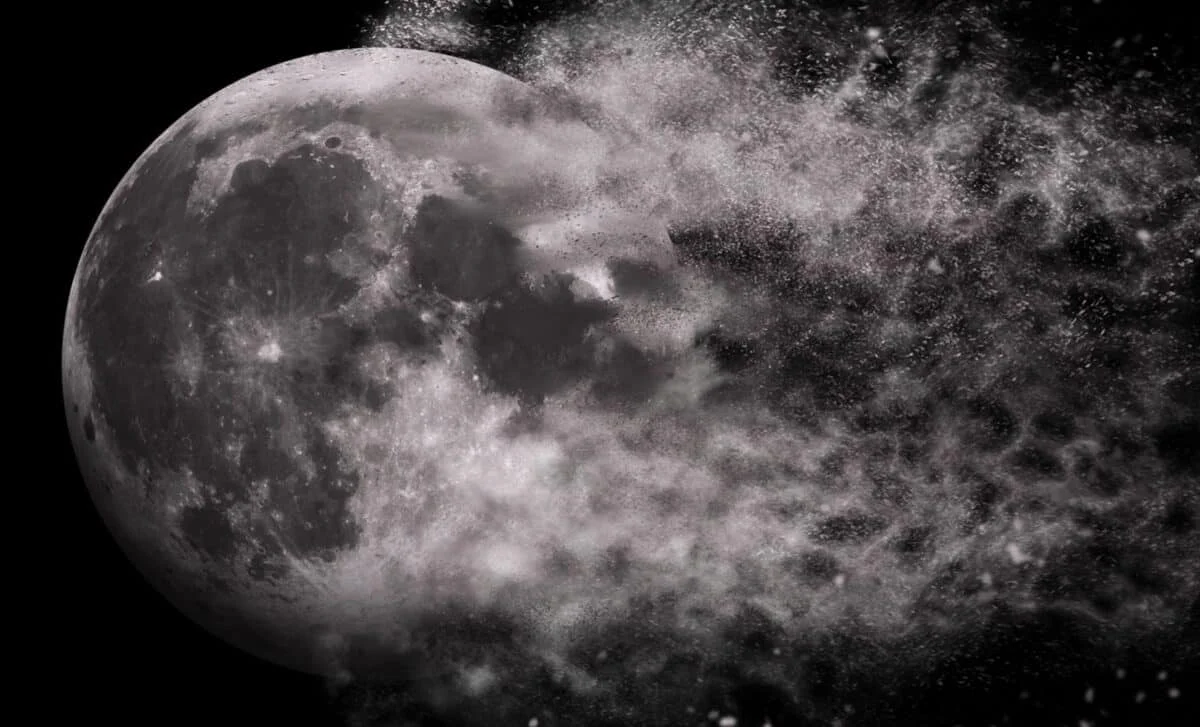
Moon Faces a 4% Chance of a 60-Meter Asteroid Hit in 2032

A ~60-meter asteroid named 2024 YR4 could strike the Moon on December 22, 2032, with about a 4% probability, potentially creating a 1-kilometer crater and a moonquake of magnitude 5.0–5.1, offering a rare scientific 'natural experiment' as observers track optical, thermal, and seismic signals—while fallout debris could reach Earth and affect satellites.

Retractions, AI Slop, and the Watchful Eye of Peer Review
science28 days ago

Retractions, AI Slop, and the Watchful Eye of Peer Review

Retraction Watch’s Weekend Reads roundup recaps a week of publishing scrutiny: headlines about a researcher’s alleged poisoning obfuscation, plagiarism accusations, fake references, and dozens of retractions due to compromised peer review; it also highlights AI-related issues in arXiv’s new rules (endorsements for first-time posters and English submissions) and a broad set of discussions on replication, ethics, and data use. The post notes the Hijacked Journal Checker with 400+ entries, the Retraction Watch Database surpassing 63,000 retractions, COVID-era retractions over 640, and 50 mass resignations, and invites donations to support the work.

AI Flood Threatens Trust in Scientific Publishing
artificial-intelligence1 month ago

AI Flood Threatens Trust in Scientific Publishing

A Gizmodo.io9 piece argues that AI-generated or AI-augmented papers are flooding arXiv, undermining traditional signals of quality and risking the reliability of scientific publishing. While AI can help with language barriers, analyses show AI-authored submissions are more prolific and standard quality indicators are becoming less reliable as publication volume rises; incidents like a Nature report about a German researcher misusing ChatGPT and AI-generated data in cancer research illustrate the potential for fraud. The article warns this could overwhelm scholarly communication unless reviewers and repositories tighten safeguards.

Terraforming Mars: A Realistic Roadmap to a Greener Red Planet
space1 month ago

Terraforming Mars: A Realistic Roadmap to a Greener Red Planet

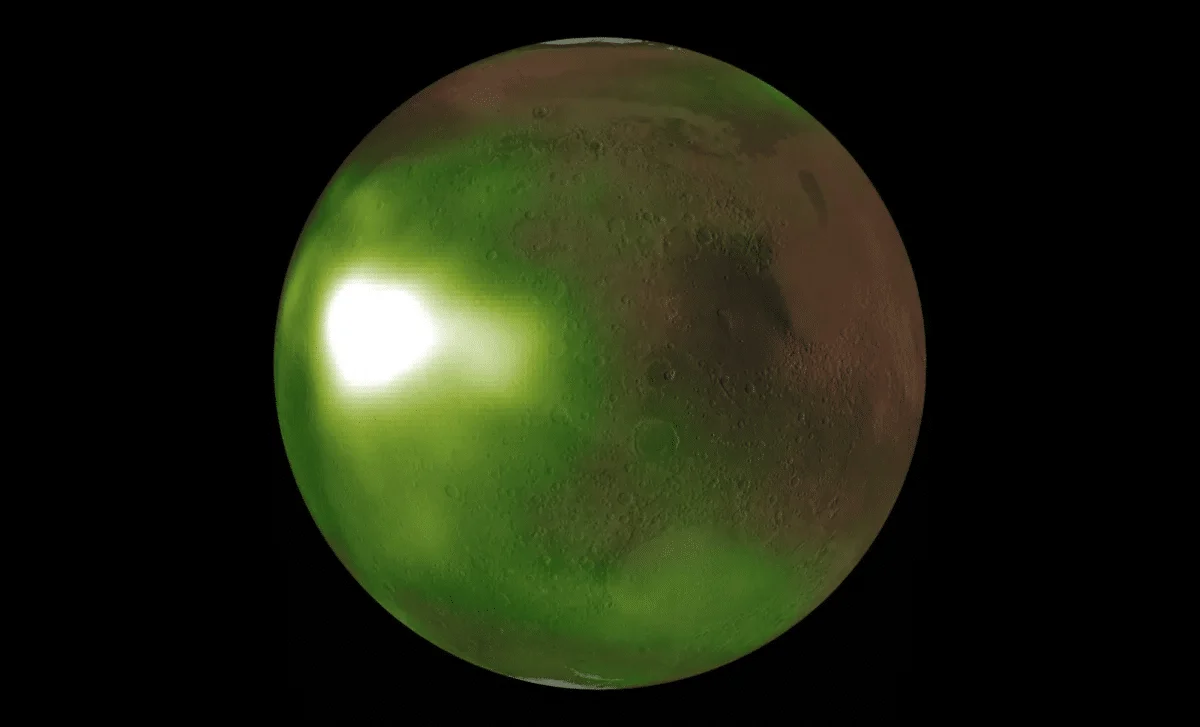
A new arXiv paper outlines a phased, testable plan to terraform Mars—starting with atmospheric warming and melting frozen reservoirs, then seeding engineered microbes to build Earth-like ecosystems—arguing advances in climate modeling, biotech, and cheap launches make it plausible, while underscoring ethical and scientific uncertainties about reversibility and potential microbial life.

"Doomed Comet C2023 A3 May Shatter Before 2024 Sky Show"
astronomy1 year ago

"Doomed Comet C2023 A3 May Shatter Before 2024 Sky Show"

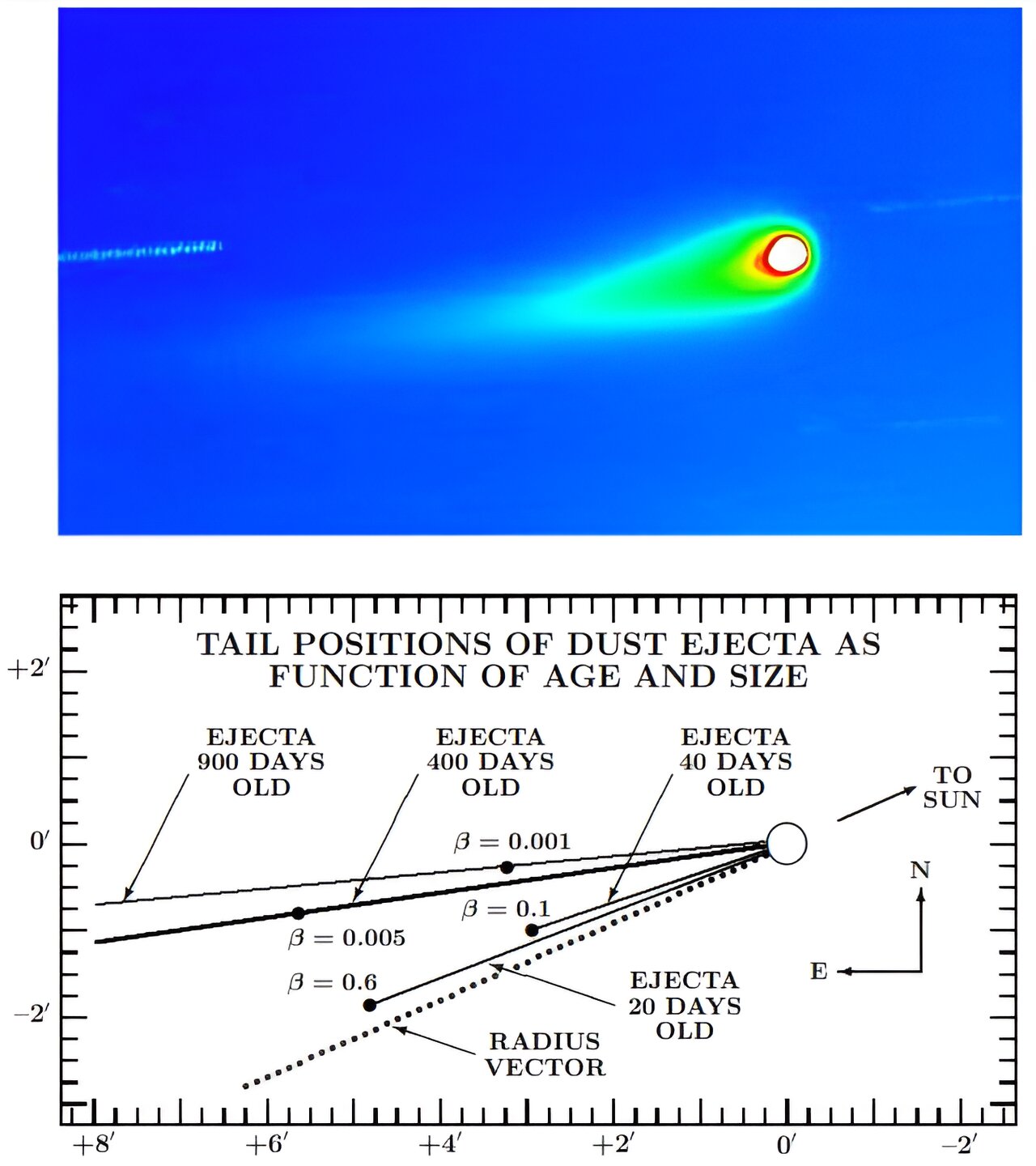
Comet Tsuchinshan-ATLAS (C/2023 A3) is showing signs of breaking up before its anticipated close pass to Earth this October, according to astronomer Zdenek Sekanina. Despite initial excitement about its visibility, the comet's lack of expected brightness and signs of advanced fragmentation suggest it will disintegrate into pieces too small to be seen from Earth.

"New Data Fuels Debate Over Replicated Room-Temperature Superconductor Claims"
science-and-technology2 years ago

"New Data Fuels Debate Over Replicated Room-Temperature Superconductor Claims"

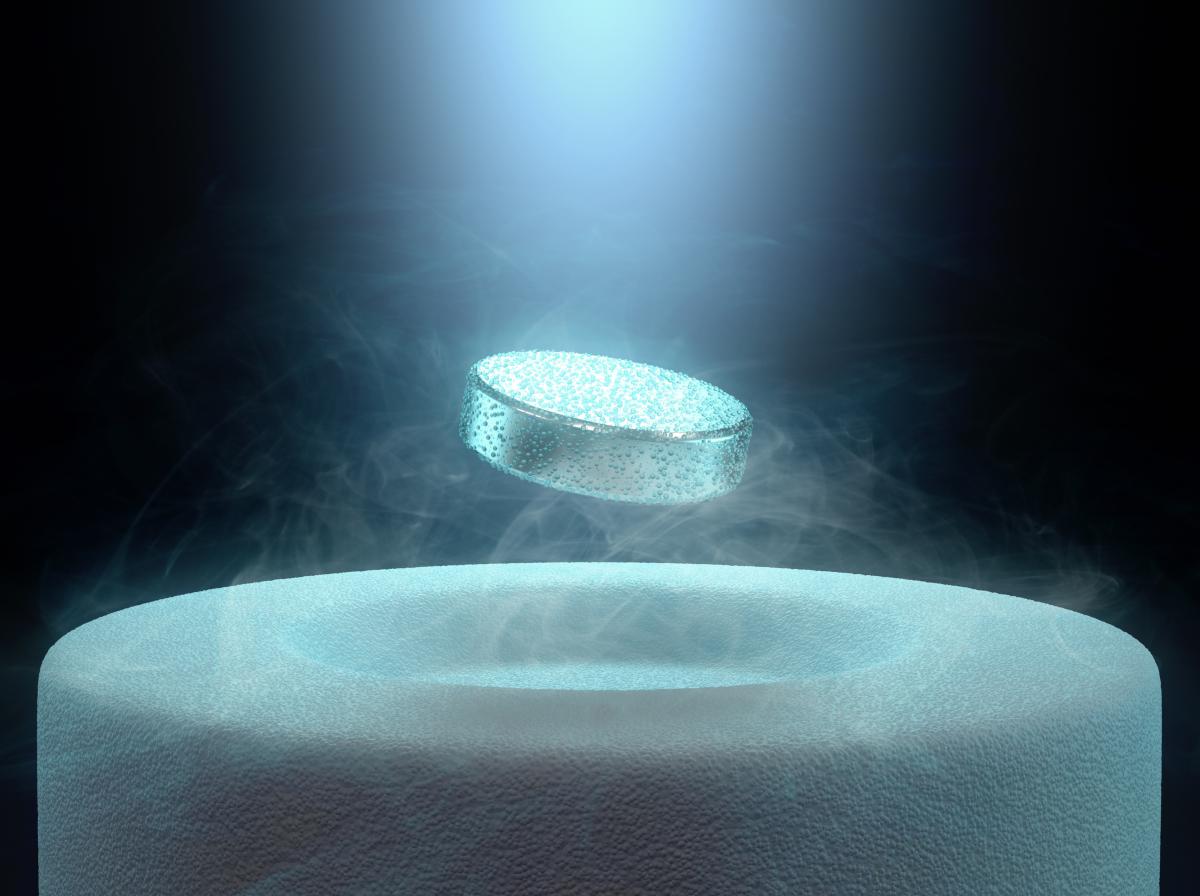
A new claim of a near-room-temperature superconductor has emerged from a Chinese research team, with a paper posted on arXiv suggesting the material operates at –23°C. However, given past disappointments in this field, such as the debunked LK-99 and a retracted paper by Ranga Dias, the scientific community remains skeptical. The material's true capabilities are yet to be confirmed through peer review and replication of results.