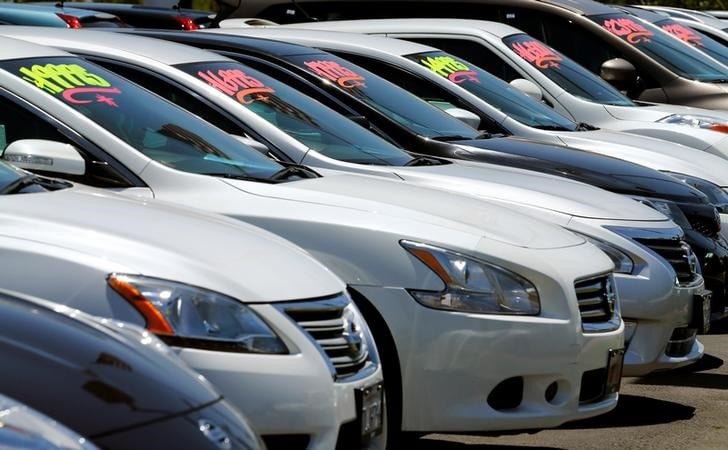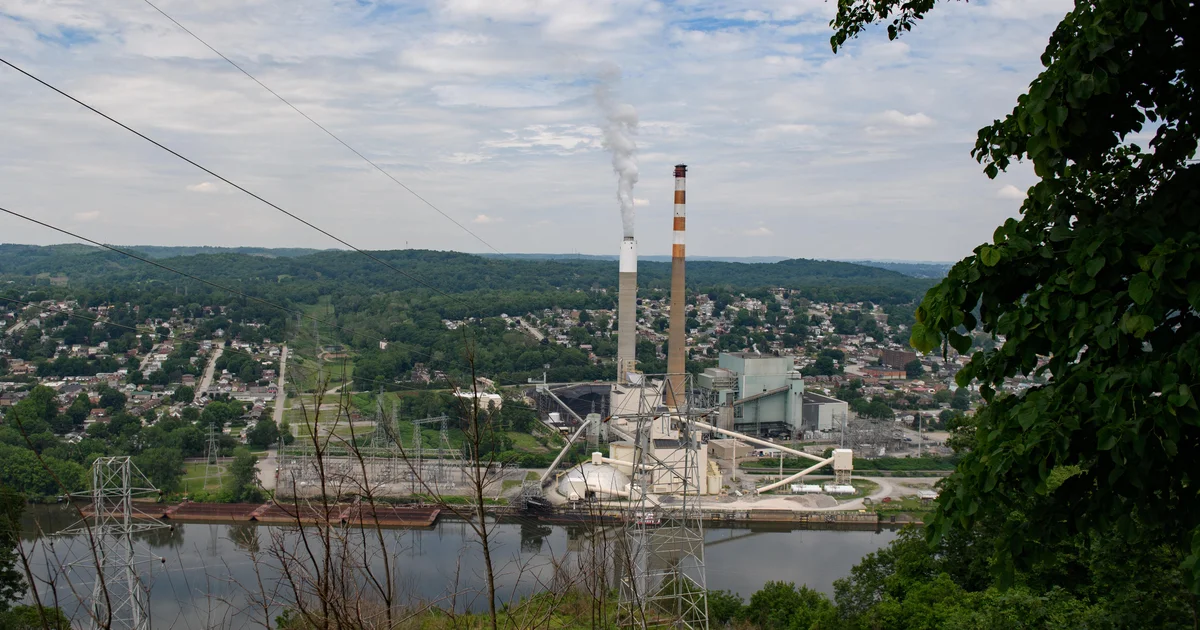
Utility bills in the U.S. are rising due to increased demand driven by AI, electrification, and geopolitical disruptions, coupled with transmission bottlenecks, tariffs, and policy shifts away from renewables, leading to higher energy costs and challenges in expanding clean energy infrastructure.
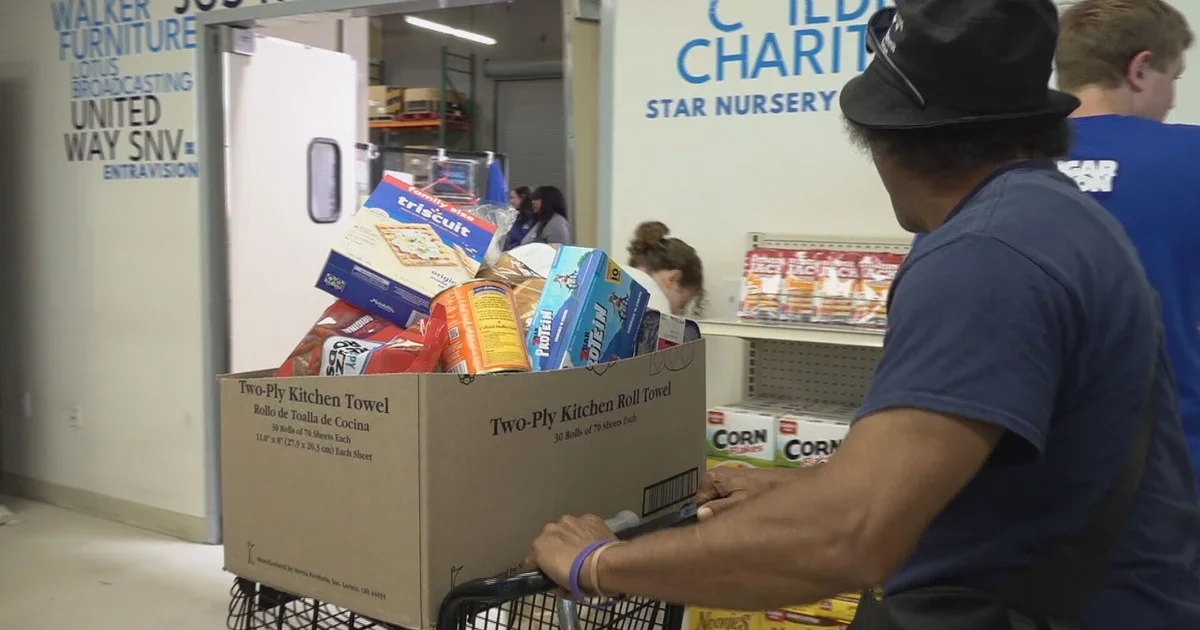
Nevada is experiencing increasing food insecurity due to rising grocery prices, changes in SNAP policies, and limited state revenue options, leading more residents to rely on food pantries like Helping Hands of Vegas Valley, with child hunger also on the rise.
Chicago restaurants are struggling with soaring operating costs due to inflation, higher wages, property taxes, and tariffs, leading to reduced profit margins, cautious expansion, and changes in staffing and menu pricing, which in turn affects customer spending and neighborhood vitality.
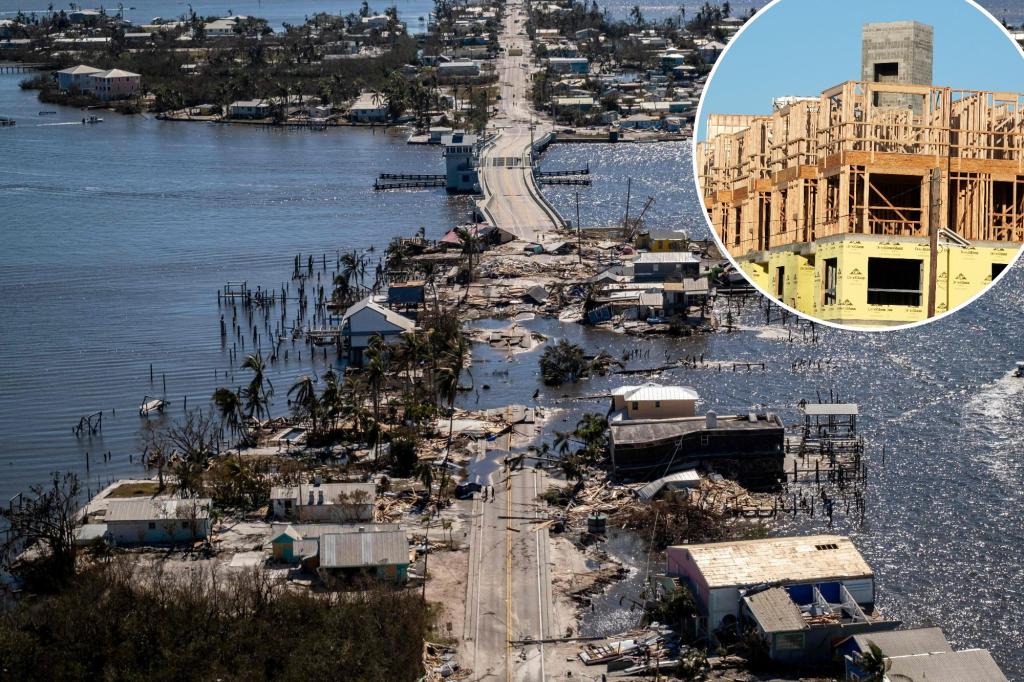
Home insurance costs are on the rise, causing financial strain for homeowners. The insurance industry is experiencing increased expenses due to climate change-related events and rising construction costs, leading to higher premiums for policyholders. This trend is expected to continue, prompting homeowners to carefully consider their insurance options and budget for potential increases in the future.
Auto insurance costs in the US have surged at the fastest rate in 47 years, with a 20.6% increase from the prior year in February 2023. The rise is attributed to a combination of factors including more severe accidents, higher repair costs due to advanced vehicle technology, and a shortage of skilled technicians. Insurance companies like GEICO and Travelers have responded with premium hikes and aggressive policy writing to offset underwriting losses. Additionally, weather catastrophes in states like Florida and Louisiana have also contributed to the surge in insurance costs.
The Consumer Price Index data reveals a significant 21% increase in car insurance costs nationwide over the past year, marking the largest surge in nearly 50 years. This spike has contributed to half a percentage point of the overall 3.2% inflation rate. While some individuals remain unaffected, many Americans are grappling with the hefty rise in insurance expenses.
Andrew Zimmern explains that rising fast food prices, exemplified by a recent viral outrage at Five Guys, are due to various factors including soaring beef costs, severe weather impacting cattle, concentration of market power among a few companies, rising prices for ingredients like buns and tomatoes, increased labor costs, and the need for fair wages and benefits for employees. He argues that Americans are emotionally addicted to low food prices and that the industry needs to charge prices sufficient to sustain their businesses and pay fair wages.
The average cost of home insurance in the U.S. surged 12% in 2023, with states like Florida, Oklahoma, and Mississippi experiencing the highest increases due to severe weather and climate-related catastrophes. Insurance companies leaving certain states and concerns over hurricane risk have driven prices even higher for homeowners, making homeownership less attainable. The astronomic rise in insurance premiums is further exacerbating the challenges of surging mortgage rates and home prices, potentially forcing families to leave these high-cost states.
Experts predict that in the next five years, the middle class may struggle to afford extended family trips, new cars, private school tuition, homeownership, and healthcare costs due to rising inflation and expenses. Additionally, leisure and travel in retirement, as well as traditional "safe" investments for retirees, may become more challenging to maintain, prompting the need for careful financial planning and adjustments to accommodate these changes.
Gas prices surged by 12 cents per gallon, reaching an average of $3.27, with Ohio experiencing the largest increase at 30 cents, due to the shutdown of BP-Whiting oil refinery in Indiana. The refinery's closure led to supply shortages, causing prices to rise in affected states. Additionally, car insurance premiums are also on the rise, with rates expected to increase by 7% this year, driven by factors such as climate change and more frequent car accidents.
Home insurance premiums in the US are skyrocketing due to frequent natural disasters and high inflation, leading many homeowners to reduce their coverage to manage the increased costs. Insurers are passing on losses from natural disasters, leading to widespread underinsurance as homeowners struggle to afford adequate coverage. Some are forgoing protection against specific perils, lowering property replacement values, or raising deductibles, while others find their policies insufficient to cover the rising costs of rebuilding after disasters.
Car repair costs are on the rise due to heavier and more complex vehicles, new materials and manufacturing methods, a shortage of skilled technicians, and pandemic-induced supply shortages. The average annual increase in repair costs has jumped to about 10% since the pandemic, compared to 3.5% to 5% prior. Factors contributing to the rise include heavier and more powerful vehicles, increased crashes, more advanced technology, and a scarcity of skilled technicians. The industry is undergoing significant shifts, and stakeholders are motivated to drive down costs to ensure vehicles remain affordable to maintain and repair.
A new report from Bankrate reveals that car insurance premiums in the US have surged by 26% in 2024, reaching an average of $2,543 annually. This increase means that Americans now spend around 3.41% of their income on car insurance on average. Factors such as population density, driving habits, extreme weather, driving history, vehicle type, and credit history all contribute to the rising costs. Detroit has the highest net average cost of car insurance, while drivers in Seattle spend the lowest percentage of income on car insurance.
The demand for weight-loss drugs like Ozempic and Wegovy is causing concern for taxpayer-funded health plans as costs surge, with Medicaid spending $7.9 billion on these drugs in 2022. Some state and local governments are sounding the alarm about the impact on their health plans, prompting measures such as moratoriums on new users and reevaluation of coverage. The rising costs are leading to potential premium increases and budget strains, with some employers and governments cutting coverage. While manufacturers argue that the drugs will save money in the long run, states are working to bring costs down as demand continues to grow.
The cost of insuring homes in America is skyrocketing, with premiums jumping by an average of 21% from May 2022 to May 2023. Weather events are becoming more destructive, leading to underwriting losses for insurers. This is impacting the housing market, with some of the strongest housing markets experiencing stalled home sales and condo buildings becoming ineligible for mortgages. Insurers are abandoning entire states, leaving residents with fewer and costlier choices for protection against costly catastrophes. The rising cost of property insurance is making it difficult for homeowners to afford insurance, impacting real estate development and causing some to forgo insurance altogether.