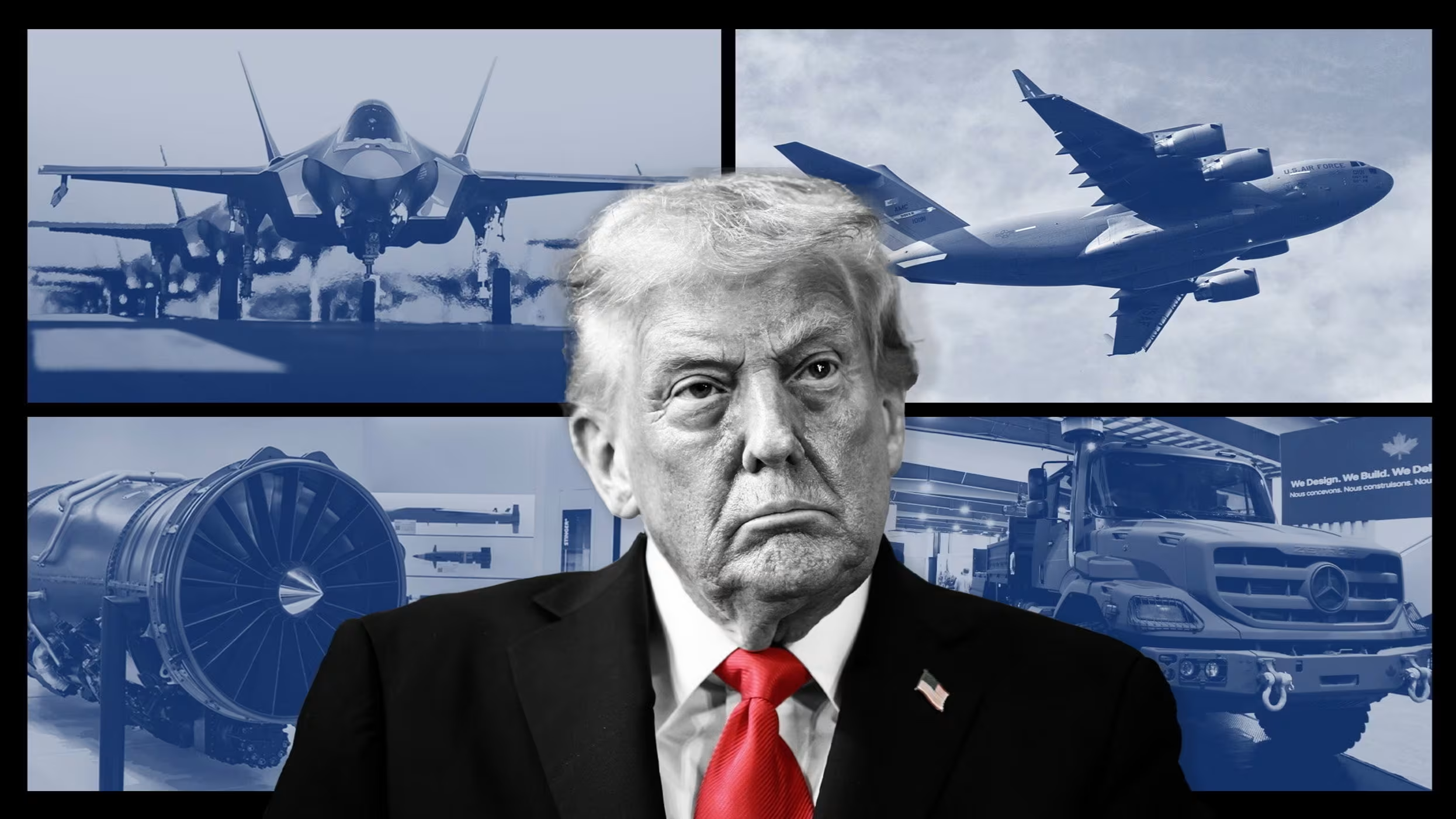
The article discusses concerns among investors about former President Trump's policies and actions that threaten the US defense industry, potentially affecting national security and market stability.
The article critiques the 'medical freedom' movement's push to eliminate vaccine requirements, highlighting the potential health and economic risks, including increased disease outbreaks, costs to taxpayers, and harm to vulnerable populations, emphasizing the importance of maintaining immunization policies for community health.
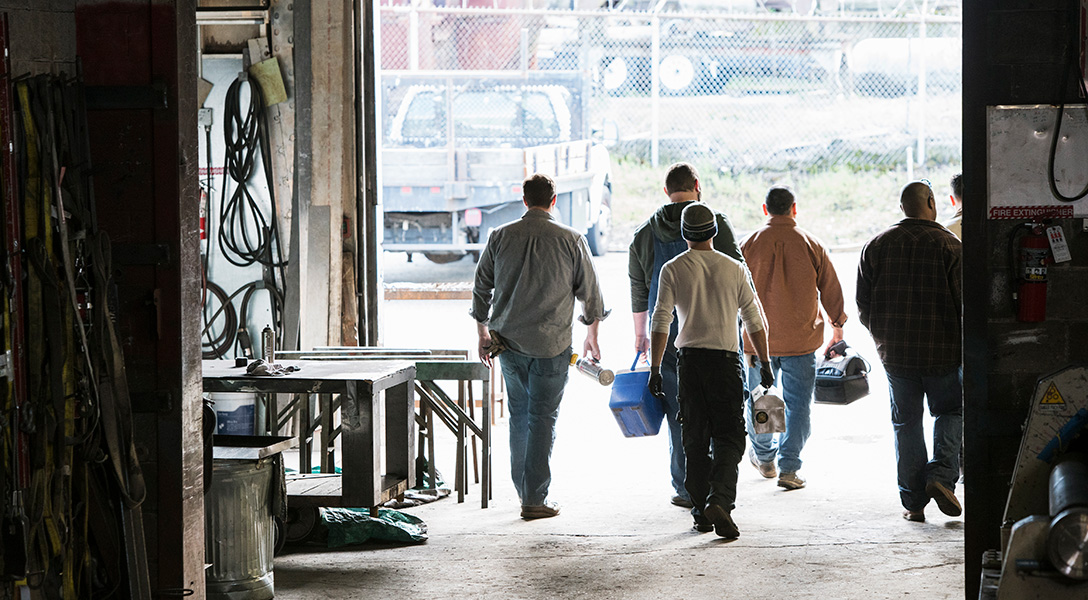
Immigration enforcement policies implemented since mid-2024 have slowed inflows of foreign-born workers into Texas, contributing to weaker job growth and labor supply issues, especially affecting sectors reliant on immigrant labor. This decline in immigration, combined with increased arrests and a chilling effect on immigrant communities, is impacting worker retention and hiring, potentially leading to slower overall economic growth in Texas and nationally.
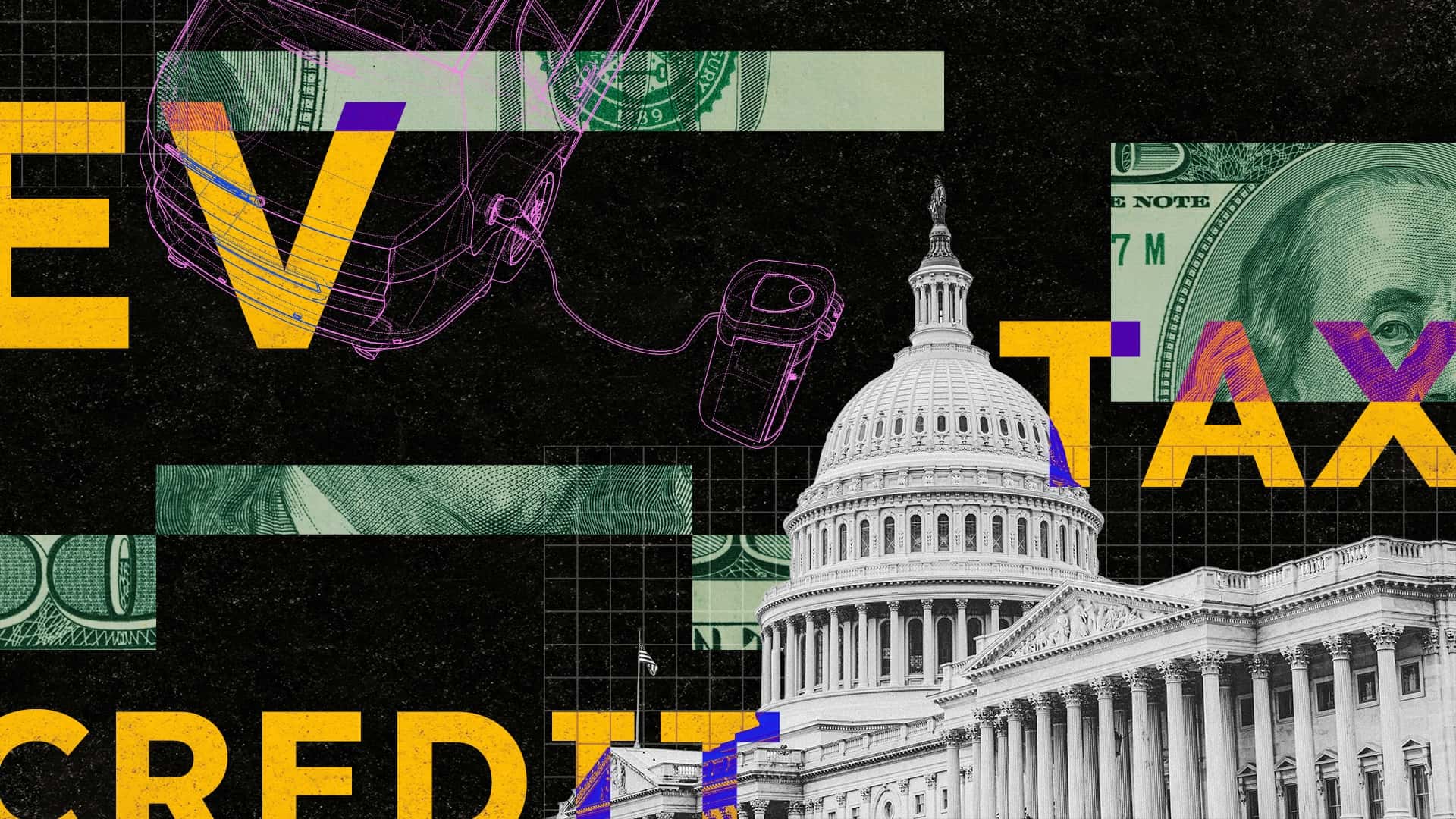
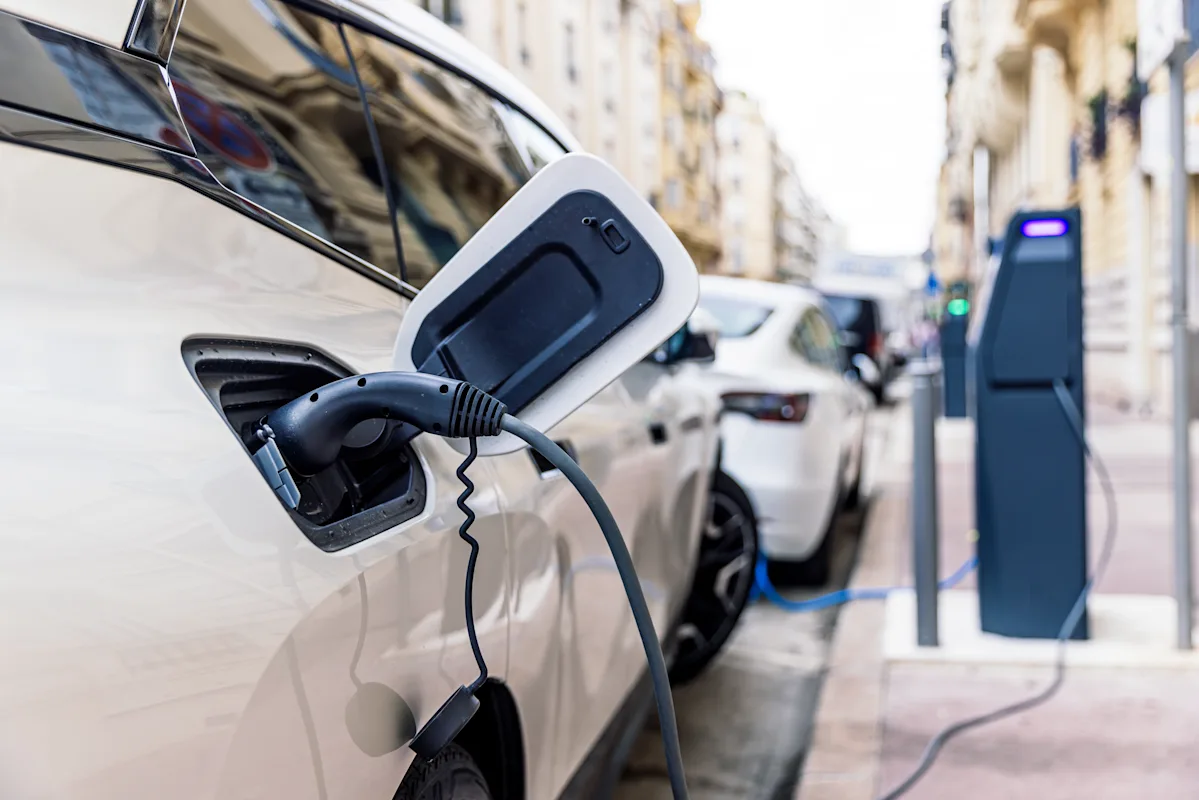
The federal EV tax credit has expired, leading to a short-term decline in EV demand and potential industry adjustments, but long-term growth in electric vehicle adoption is expected to continue due to technological improvements, falling costs, and global market pressures, despite slower growth forecasts and some automaker cancellations.
A 2025 report by Mental Health America ranks New York, Hawaii, and New Jersey as the top states for mental health, while Nevada, Arizona, and Alabama rank lowest, highlighting ongoing disparities and the need for increased investment and policy changes to improve mental health services across the US.
A coalition of medical, scientific, and public health organizations calls for the resignation of HHS Secretary Robert F. Kennedy Jr. due to concerns that his policies undermine science and public health efforts, risking increased foodborne illnesses, reduced disease surveillance, weakened vaccination programs, and diminished emergency response capabilities, ultimately threatening the health and safety of Americans.
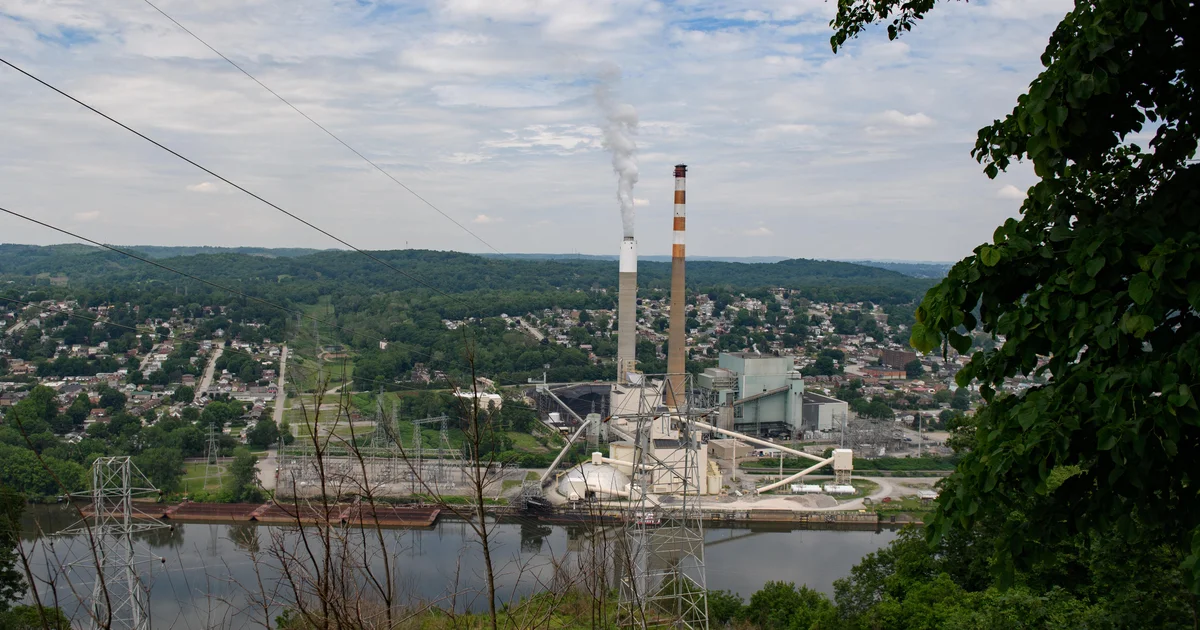
Over 85 scientists have criticized a recent U.S. Department of Energy climate report for containing errors and misrepresenting climate science, raising concerns about its use in policy decisions and the administration's stance on climate regulation.
Utility bills in the U.S. are rising due to increased demand driven by AI, electrification, and geopolitical disruptions, coupled with transmission bottlenecks, tariffs, and policy shifts away from renewables, leading to higher energy costs and challenges in expanding clean energy infrastructure.
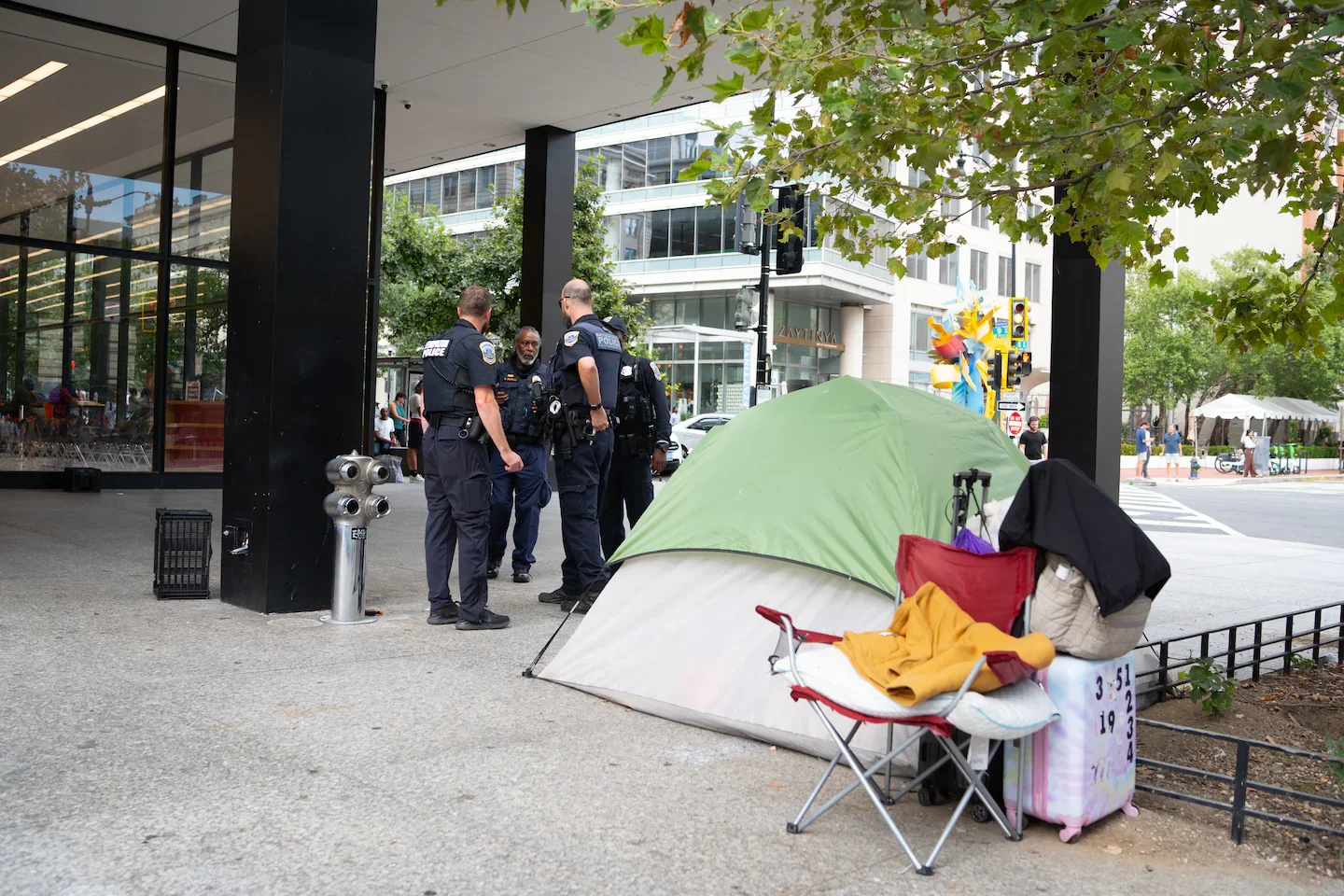
Homeless individuals in Washington D.C. are beginning to experience the effects of a recent crackdown initiated during Trump's administration, highlighting ongoing social and policy challenges.
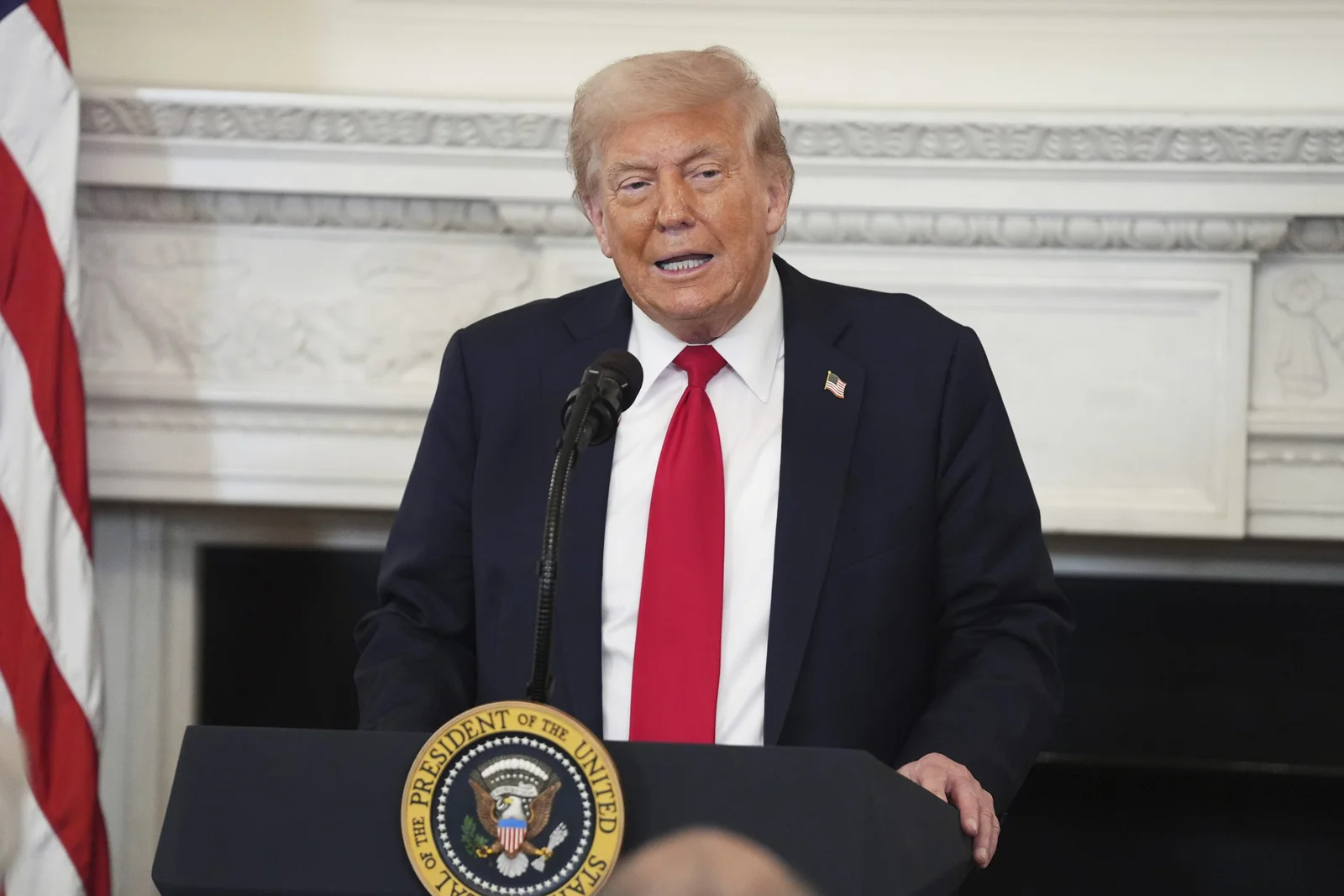
A recent AP-NORC survey indicates that most Americans believe Donald Trump's policies have caused more harm than good for them personally, with significant partisan divides in approval and perceptions of his effectiveness, especially on issues like healthcare, foreign relations, and economic management.
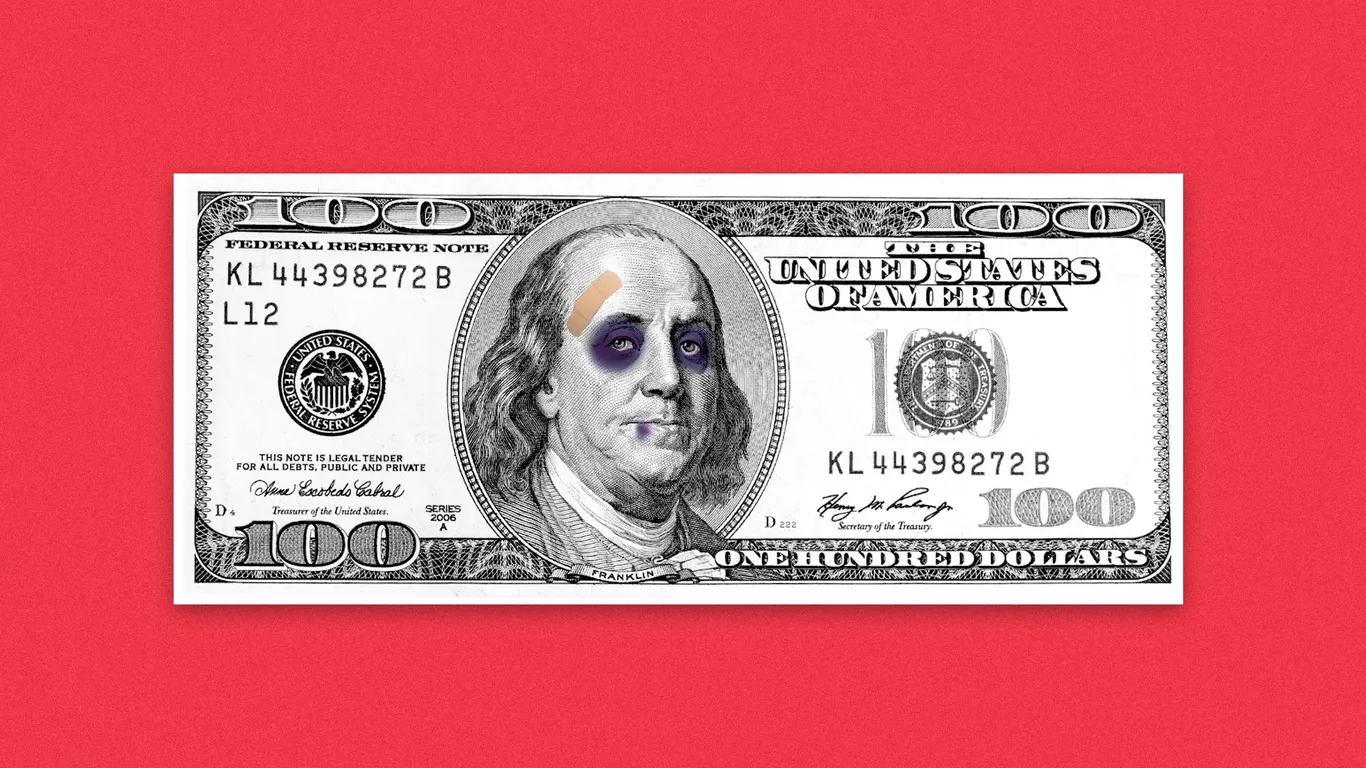
Millions of low-income Americans face a dual threat as recent legal and policy changes could lead to increased medical debt appearing on credit reports and higher healthcare costs due to Medicaid and ACA cuts, potentially damaging their credit scores and financial stability.
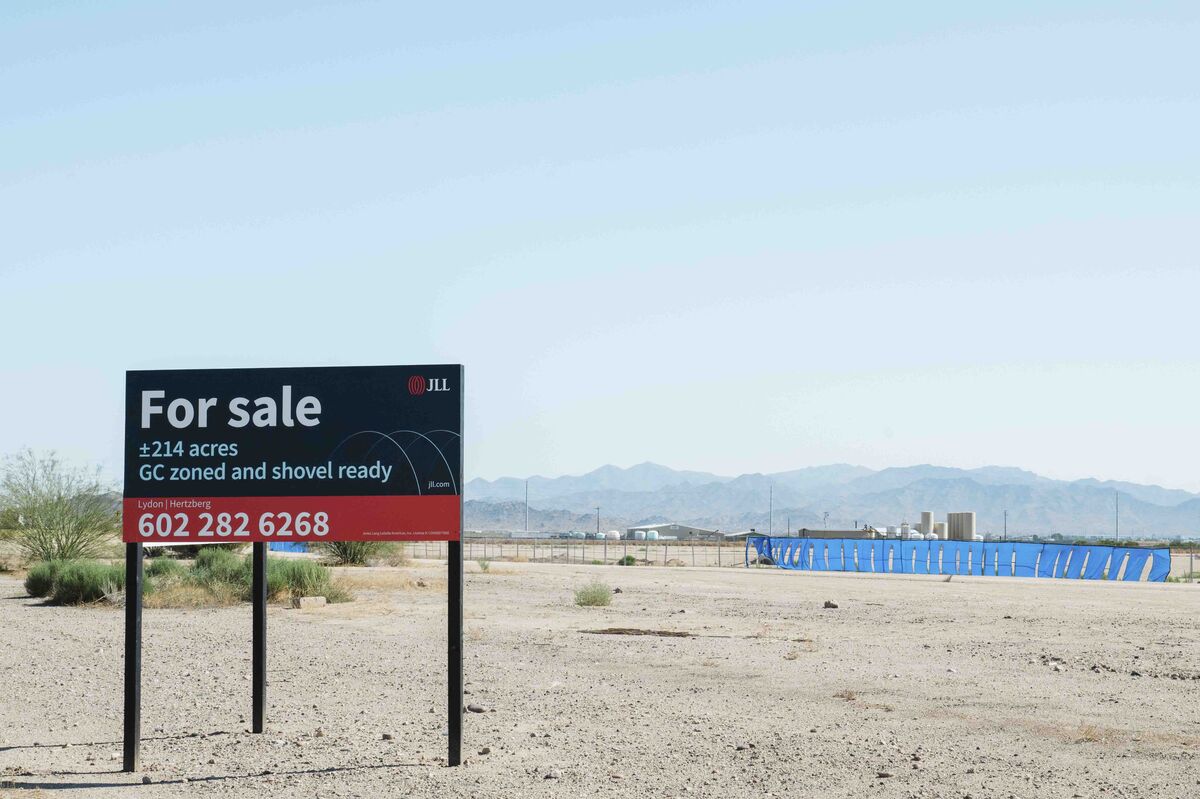
Several planned green manufacturing factories in the US, including a major battery plant in Buckeye, Arizona, have been canceled or delayed due to rising costs, interest rates, and policy shifts, notably the rollback of green subsidies under Trump's new tax law, which threatens the future of US green energy initiatives and could lead to increased reliance on overseas manufacturing.
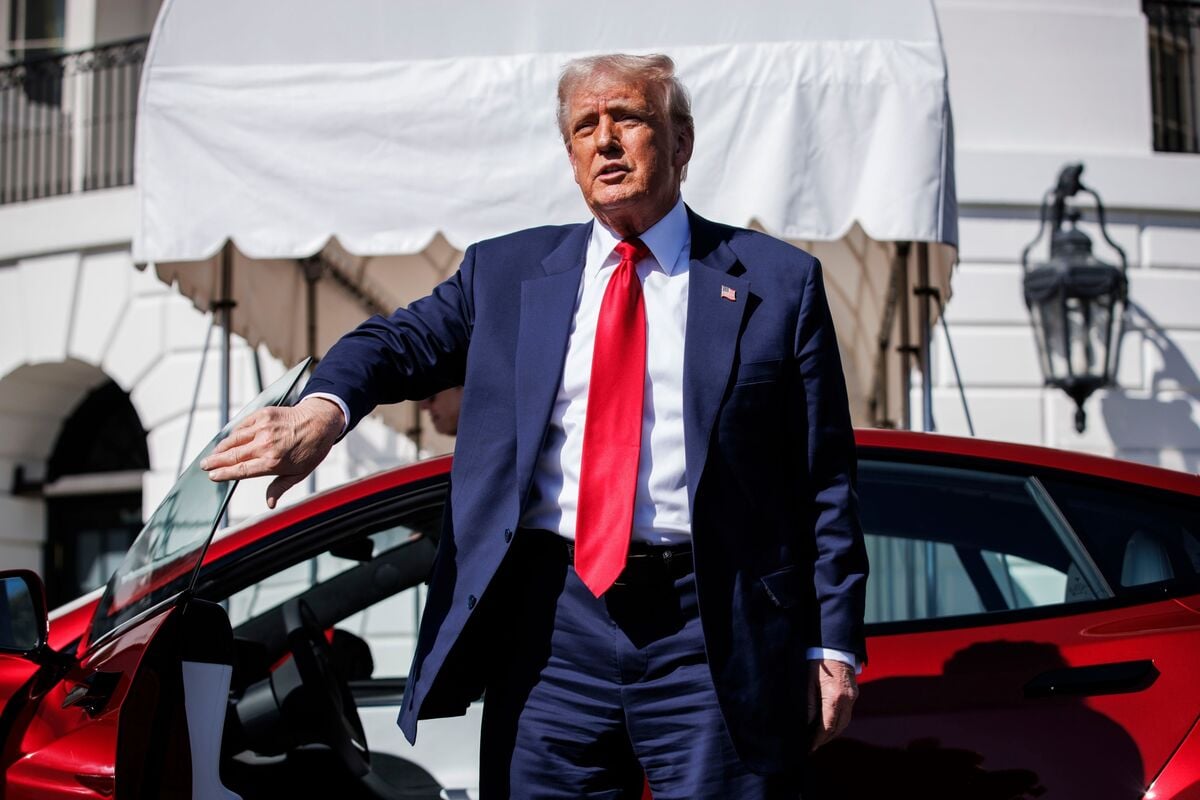
The 'Big, Beautiful Bill' has been passed, significantly impacting US technology and manufacturing sectors by ending EV tax credits, reducing incentives for used and commercial EVs, and disadvantaging domestic solar companies, potentially opening the market to cheaper Chinese solar panels and benefiting fossil fuel interests.
The potential removal of US federal EV tax credits by the Trump administration is expected to slow EV adoption in the US, but the market will still grow due to decreasing prices, increased model options, and dealer incentives. While the US may fall behind in global EV rankings, a significant portion of Americans remain interested in EVs, though lower-income consumers could be disproportionately affected by policy changes. Overall, US EV growth will face hurdles, but the market remains resilient, with international markets like China leading the charge.
The White House immigration crackdown is leading to the deportation of foreign-born healthcare workers, particularly in the long-term care industry, exacerbating staff shortages and threatening the quality of care for the elderly and disabled in the U.S., with advocates warning of significant negative impacts on vulnerable populations.