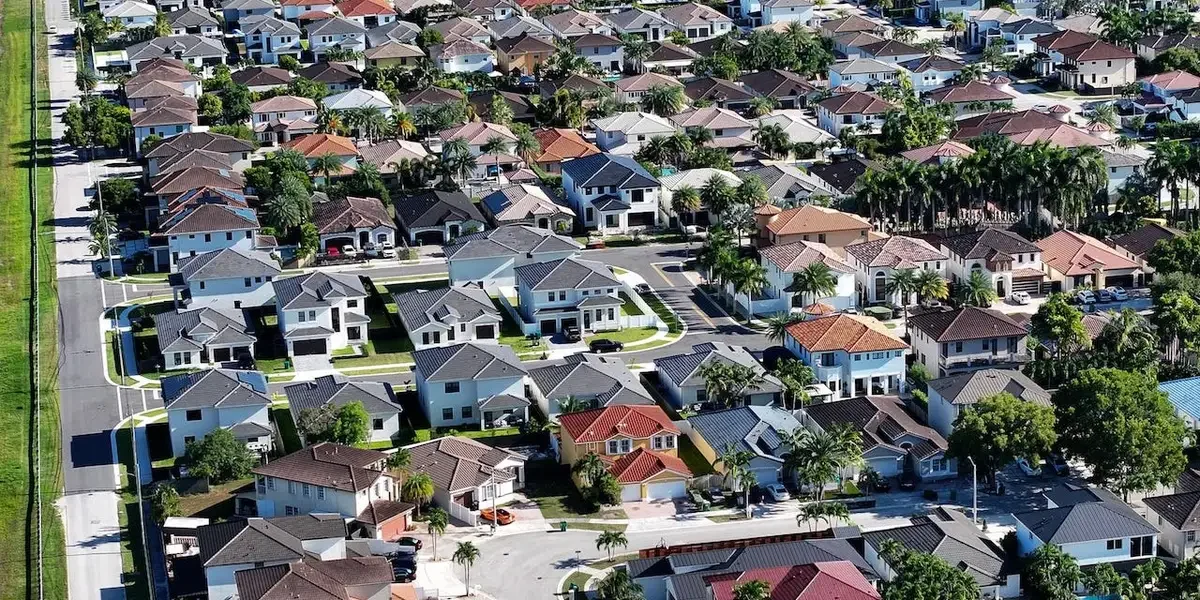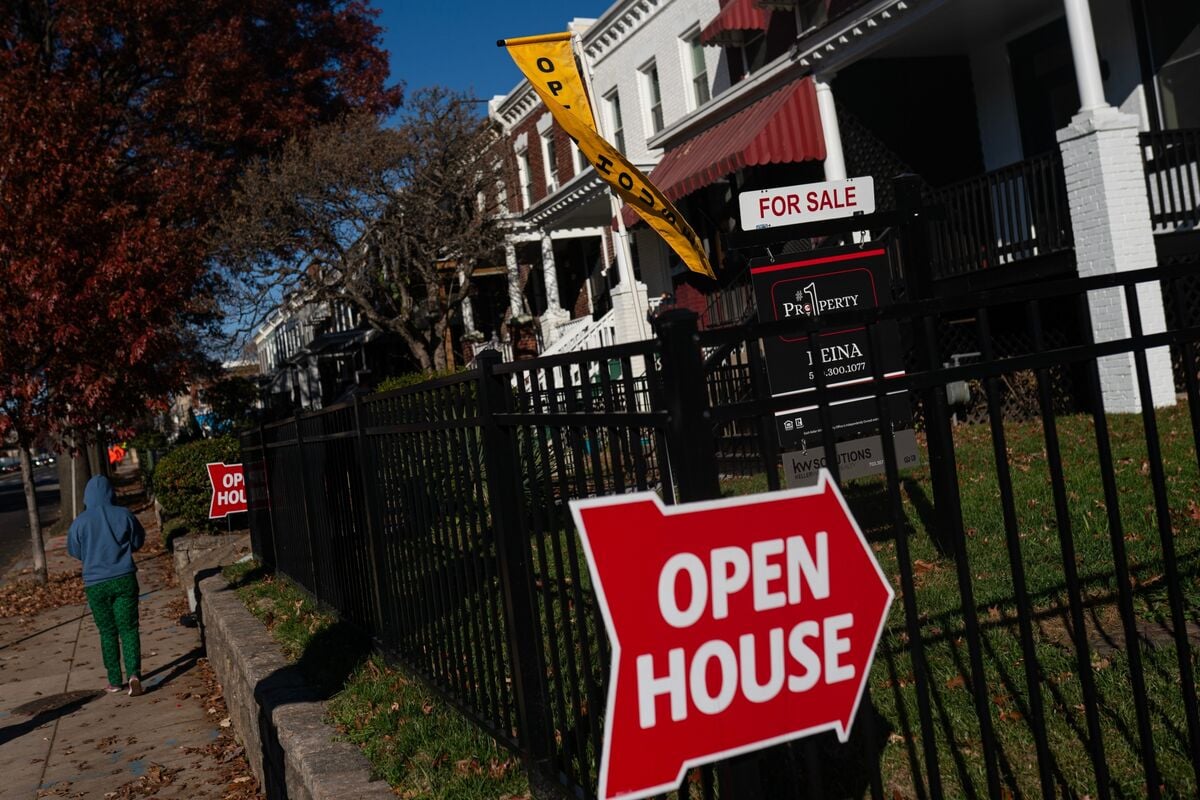
Institutional investors own a small overall share of US single-family rental homes, but their ownership is heavily concentrated in Southern and Sun Belt cities like Atlanta, Dallas, and Phoenix, where they control significant portions of the rental market. President Trump has proposed banning large institutional investors to make homeownership more affordable, but experts argue that the real issue is a nationwide housing shortage, and that concentration of ownership could lead to higher rents and market power concerns.
Achieving the American dream now costs approximately $5 million over a lifetime, covering key goals like retirement, homeownership, and raising children, with costs rising compared to previous years, highlighting the increasing financial challenge for Americans.
In California, the traditional view that homeownership is always financially advantageous is being challenged due to high prices, mortgage costs, and market uncertainties, making renting a potentially smarter financial choice for many, despite the social and personal benefits of owning a home.
Joyce Gifford's experience highlights the complexities and potential pitfalls of placing a home into a trust, as she discovered her ownership was transferred without clear understanding, leading to stress and legal battles after the firm McClure went bust. The case raises concerns about the effectiveness and regulation of asset protection trusts, with others sharing similar stories of financial loss and confusion.
Wisconsin homeowners are facing the highest property tax increases since 2018, driven by stagnant state support, increased school funding needs, and voter-approved referendums, leading to significant hikes in local taxes and raising concerns about housing affordability.
Experts criticize President Trump's proposal for 50-year mortgages, arguing it may temporarily lower monthly payments but could slow home equity building and pose long-term financial challenges, especially for older first-time buyers. The White House states that any policy changes will be officially announced, but analysts see the idea as a potential band-aid rather than a solution to housing affordability.
The Trump administration proposed a 50-year mortgage plan aimed at making home buying more affordable, but it would significantly reduce the benefits of traditional mortgages by slowing debt repayment and likely increasing interest costs, offering only marginal monthly savings.
The Trump administration is exploring a 50-year fixed-rate mortgage to improve homeownership affordability amid high rates and market gridlock, though critics warn of increased risks and costs associated with longer loan terms.
The U.S. housing market is experiencing a significant decline in first-time homebuyers, especially among younger generations like Millennials and Gen Z, due to high home prices, rising mortgage rates, and stagnant wages, leading to an aging median age of homebuyers and a potential future shift in homeownership ownership from older to younger generations.
The median age of first-time homebuyers in the US has increased to 40 due to high home prices and mortgage rates, leading to delayed homeownership and a significant decline in first-time buyer market share to 21%, the lowest since 1981. This shift could result in Americans losing approximately $150,000 in home equity over a lifetime, with older, wealthier buyers dominating the market.
A 56-year-old freelance travel writer, facing unaffordable rent, built her own tiny house on wheels during the COVID-19 pandemic, which became her first owned home, providing her with security, freedom, and a simplified lifestyle.
Due to recent rate drops, monthly payments on a $550,000 mortgage have decreased significantly, with a 30-year loan now costing around $3,419 and a 15-year loan about $4,535, offering substantial savings and more affordability for homebuyers and refinancers.
Achieving the American dream now costs over $5 million over a lifetime, with expenses rising across key components like retirement, homeownership, and raising children, reflecting increasing inflation and economic pressures.
In 2024, the cost of homeownership in Texas increased despite efforts to reduce property taxes, with homeowners facing higher expenses for insurance and utilities, and rent prices remaining above pre-pandemic levels, while incomes have only modestly grown.
The article discusses how private equity firms and institutional investors have been buying and renting out homes across the U.S., which has both benefits, like increased neighborhood diversity and affordable rentals, and drawbacks, such as making homeownership more difficult and driving up prices due to reduced housing supply. It highlights the complex trade-offs involved and suggests that increasing housing construction could be a more effective solution than banning corporate landlords.