The article shares 18 personal stories from individuals who faced health insurance claim denials, highlighting the struggles and frustrations with the American healthcare system. These accounts, collected from the BuzzFeed Community, include cases of denied coverage for critical treatments, medications, and procedures, often leading to severe health consequences or financial burdens. The stories underscore the challenges many face with insurance companies prioritizing profits over patient care.
Tokio Marine America Insurance Co. and Trans Pacific Insurance Co., subsidiaries of Tokio Marine Holdings Inc., are withdrawing from the homeowners and personal umbrella insurance markets in California, impacting over 12,000 homeowner insurance policies and 2,700 personal umbrella policies. The nonrenewal notices will begin on July 1, with the proposed effective date for the filings set for August 1, 2025. The reason for their withdrawal was not disclosed, and these companies join a growing list of insurance companies making it harder for California residents to obtain home coverage, including State Farm, Allstate, Farmer’s Insurance, and The Hartford.
Former President Donald Trump posted a $175 million bond in the New York civil fraud case after a state appeals court reduced the amount from $454 million, with the bond protecting his assets from seizure while he appeals the fraud judgment. The chairman of the company underwriting the bond stated that it was an easy decision, despite nearly 30 insurance companies declining to underwrite it. Additionally, an insurance company previously posted a $92 million appeal bond for Trump in a federal defamation case, prompting the CEO to defend the decision in a letter to investors.
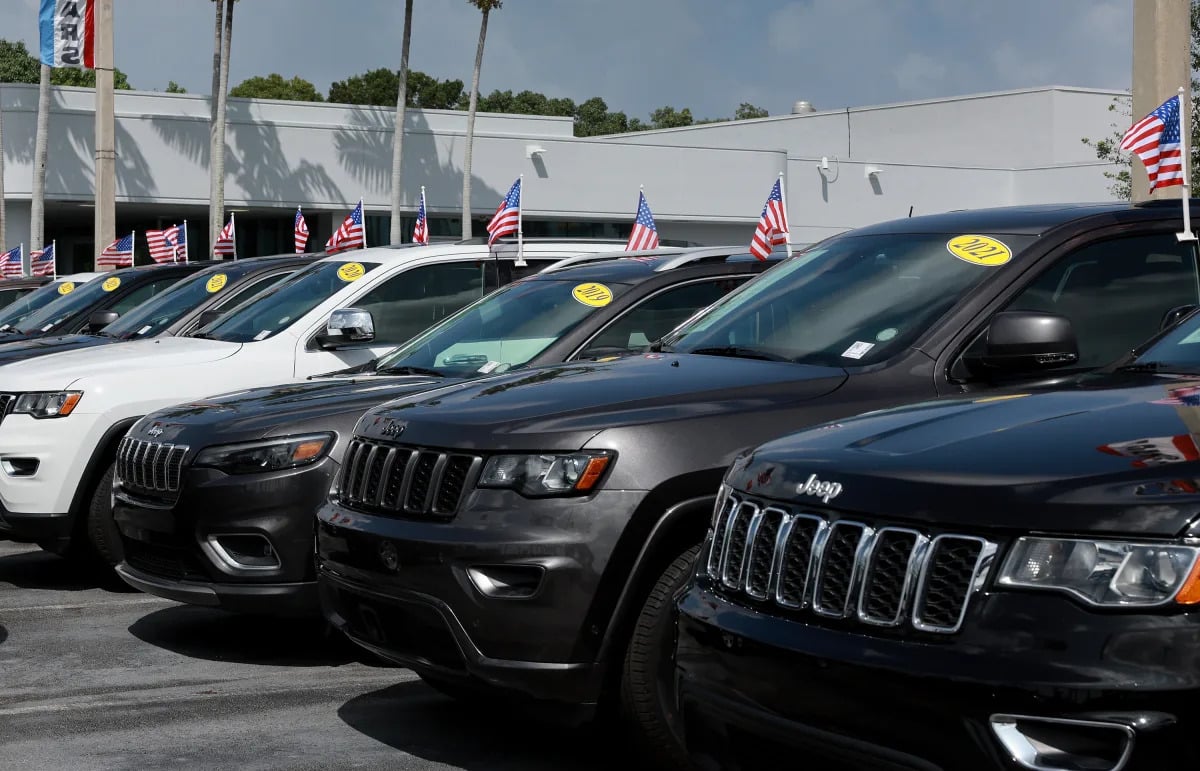
Auto insurance costs in the US have surged at the fastest rate in 47 years, with a 20.6% increase from the prior year in February 2023. The rise is attributed to a combination of factors including more severe accidents, higher repair costs due to advanced vehicle technology, and a shortage of skilled technicians. Insurance companies like GEICO and Travelers have responded with premium hikes and aggressive policy writing to offset underwriting losses. Additionally, weather catastrophes in states like Florida and Louisiana have also contributed to the surge in insurance costs.
Automakers like General Motors are sharing detailed driving data of their customers with insurance companies through data brokers like LexisNexis, which analyze the information to create risk profiles for insurers. This practice has raised concerns about data privacy and consumer rights, as drivers may not be aware that their driving behavior is being monitored and shared. The data includes trip details, distances, speeding, braking, and acceleration, and is used by insurers to personalize insurance coverage.
American National Group plans to stop offering homeowners insurance in nine states due to declining profitability caused by increased frequency and severity of weather events and inflationary pressures. This decision reflects a trend among major insurance firms like Allstate, Farmers, and State Farm, who have also ceased providing homeowners insurance in certain states due to similar reasons. Homeowners across the country are experiencing soaring insurance costs due to unpredictable weather patterns, leading to increased claims and higher premiums, with experts predicting further rate hikes in the coming years as insurers become more selective in who they insure and adapt to climate change.
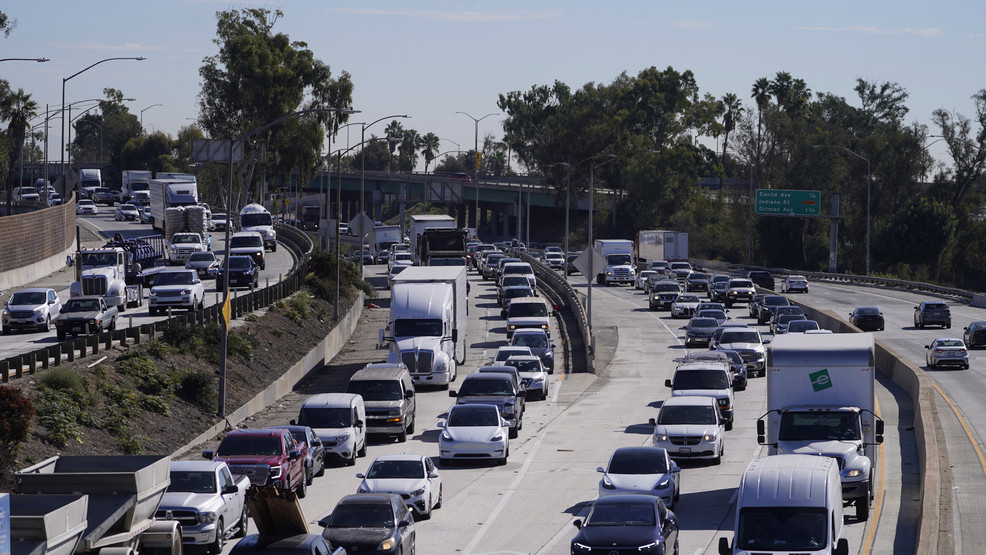
Californians are facing a potential 35% increase in car insurance rates as many insurance companies are leaving the state due to regulatory challenges. With only two major insurers remaining, customers are experiencing significant price hikes, with one individual seeing their premium double. The exodus of insurance companies is attributed to Proposition 103, which requires all rate increases above 6.9% to be approved by the California Department of Insurance. As a result, many companies are halting new policy writing or leaving the state altogether, leaving consumers with limited options and higher costs.
California's extreme wildfires have led to a lack of home insurance options for residents as climate risks increase. Some insurance companies are either refusing new applications or leaving the market altogether. Homeowners in fire-prone areas are experiencing significant rate hikes, with premiums doubling in some cases. The limited number of major insurance companies remaining in California has resulted in higher prices, as there is less competition to counterbalance the increased fire risk. Insurance companies are still recovering from past wildfire disasters, leading to the need for higher premiums to recoup losses. Home insurance prices rose by 7% last year and are expected to increase by 9% in 2023 due to inflation and the rise in natural disasters and severe weather.
Two insurance companies in Washington state are facing lawsuits for refusing to cover weight loss treatments, including new weight loss drugs and follow-up surgeries. In one case, a woman is suing her public employee plan for not covering weight loss drugs, while another woman is suing Regence BlueShield for declining coverage for her weight loss surgery. The lawsuits argue that denying coverage for weight loss treatments is discriminatory and violates Washington state law, which recognizes obesity as a disability. The plaintiffs claim that treating obesity now can save on future healthcare costs related to conditions like cancer, heart disease, and joint replacements. The lawsuits are seeking class action status to include others who have been denied coverage for similar weight loss treatments.
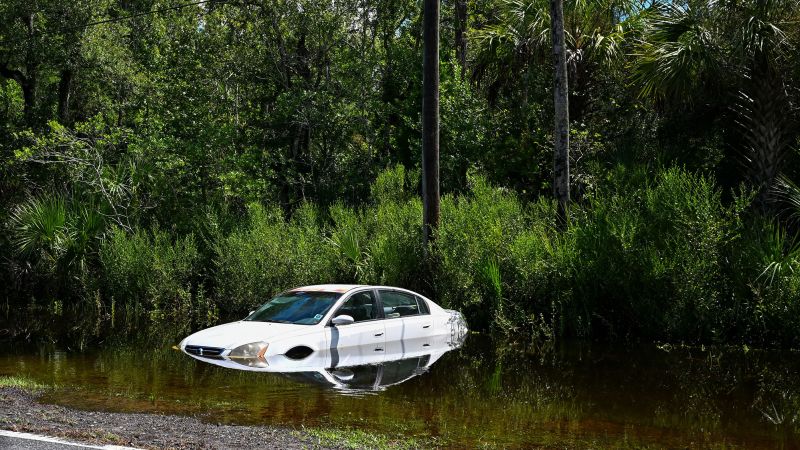
Car insurance rates in the United States have seen their largest annual increase since 1976, with Florida being hit particularly hard due to the increasing prevalence and destructiveness of extreme weather events. Insurance companies are raising rates or pulling out of states prone to such weather to cover the higher losses from increased claims. Factors contributing to the rate increases include rising car prices, repair and medical costs, riskier driving behavior, and the impacts of Hurricane Ian. Additionally, reinsurance companies are pulling out of the market or raising rates, leading to increased costs for customers nationwide.
Insurance companies have informed charterers of ships operating in Russia's Black Sea ports about an increase in "war risk premiums" following escalating tensions in the region. The premiums, which were introduced last year after Russia's military action in Ukraine, have now been raised from around 1% to approximately 1.20-1.25% of the cargo's cost. This increase adds an additional $200,000 per voyage for a Suezmax tanker delivering Russian oil to India, resulting in an overall cost of nearly $1 million. The rise in premiums reflects the higher risks associated with cargoes carrying Russian oil, as recent attacks at Black Sea ports have raised concerns about the security of shipments.
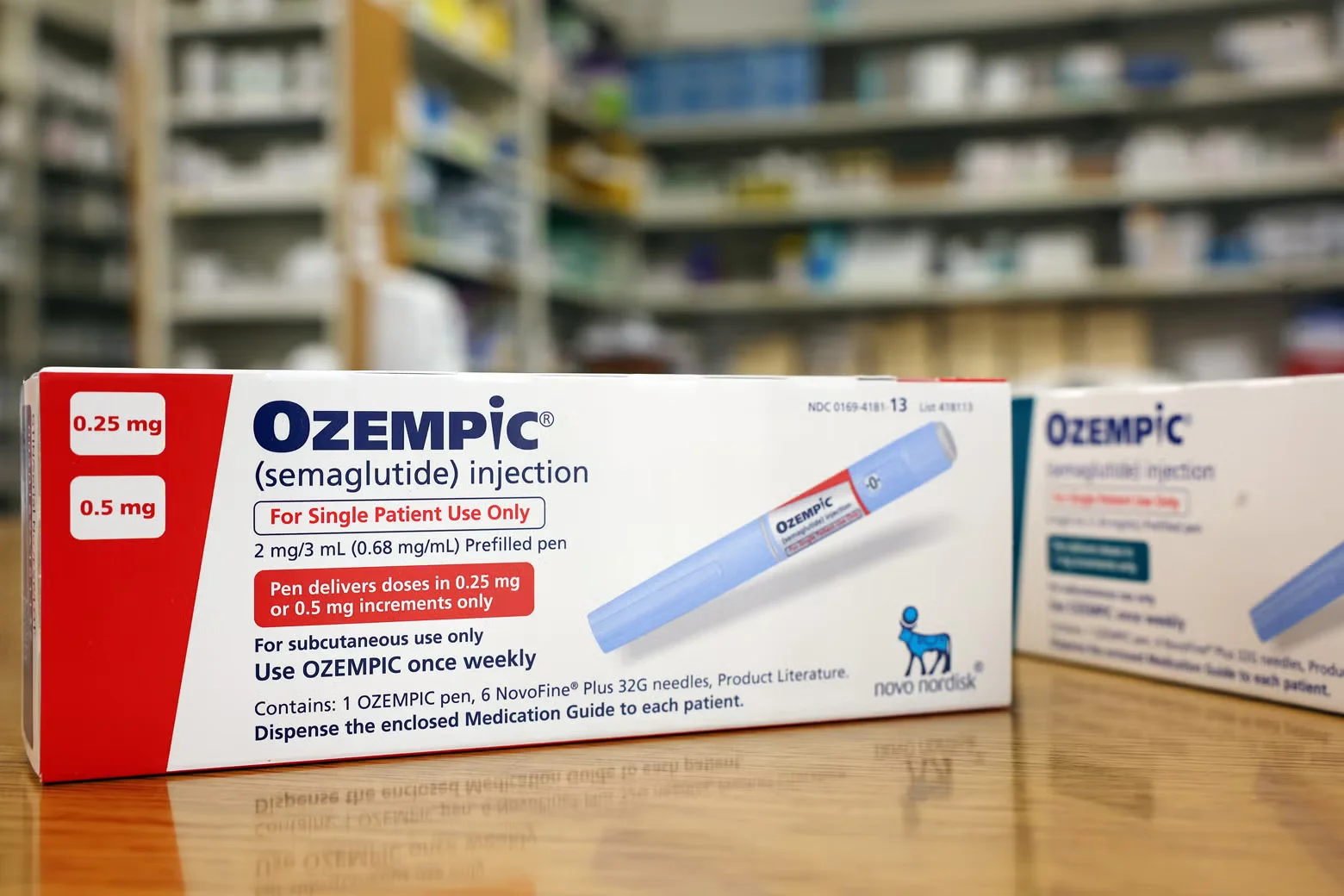
The diabetes drug Ozempic is extremely expensive, costing around $1,000 per month in the US. However, a study suggests that the minimum profitable price for a drug like Ozempic could be as low as $40 per month. By adopting a subscription model similar to Netflix, drug companies could provide more people with access to the drug while still making a profit. Insurance companies have a financial incentive to offer effective weight loss options, as obesity increases medical costs. If insurance companies could negotiate a deal with drug manufacturers to provide these drugs to their members, it would result in cost savings for both the insurance companies and the drug companies, while improving access to potentially life-saving medications. Alternatively, legislation could be implemented to regulate drug pricing and ensure affordable access to necessary medications.
Dozens of insurance companies are suing Xcel Energy, an energy corporation based in Minneapolis, to recover funds paid out for damages caused by Colorado's destructive 2021 wildfire. Investigators found that a power line owned by Xcel was one of the causes of the fire, which destroyed nearly 1,000 homes and resulted in two deaths. The insurance companies allege that Xcel failed to properly design, construct, and maintain its electrical equipment. Xcel disputes the findings and claims that the fire started away from its power lines. More lawsuits are expected to be filed against the company.
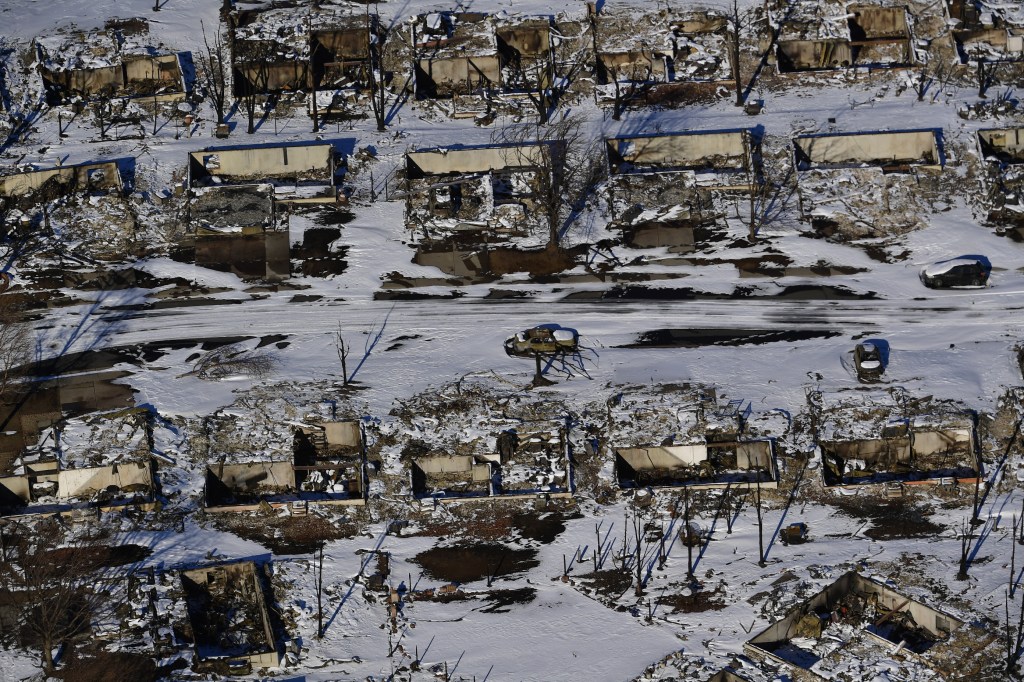
Over 150 insurance companies have filed a joint lawsuit against Xcel Energy, seeking to reclaim money paid in settlements to victims of the Marshall fire. The fire, which caused over $2 billion in property damage, was determined to have been partly caused by a faulty Xcel Energy power line. The insurance companies argue that Xcel Energy was negligent in maintaining its equipment and failed to account for the potential damage caused by strong winter winds. This lawsuit follows the Boulder County sheriff and district attorney naming Xcel Energy as one of the entities responsible for the fire.
Farmers Insurance has become the third major insurance company to limit homeowner policies in California, following similar moves by Allstate and State Farm. The company cited rising inflation, severe weather events, and increasing reconstruction costs as reasons for the policy limitations. Farmers Insurance will now only write new homeowners insurance policies in California up to a level consistent with their projected monthly volume before recent market changes. While more than 100 insurance companies are still operating in the state, consumer advocates suggest that smaller companies may be able to provide assistance. California Insurance Commissioner Ricardo Lara stated that his department does not have the authority to reverse the decisions of these companies and will instead focus on protecting consumers and ensuring coverage.