automotive-industry5.05 min read
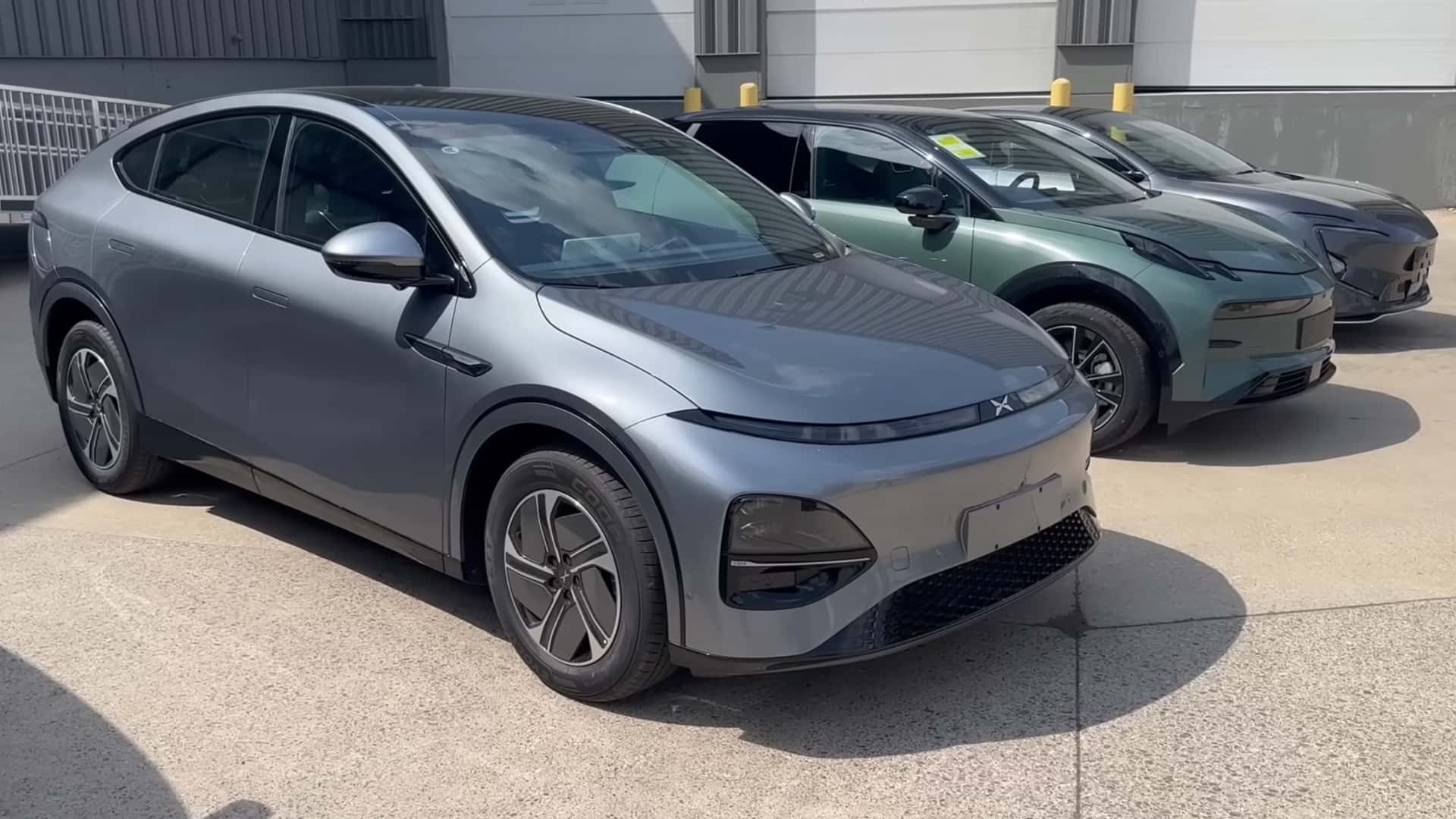
China's $230 Billion Bet on Dominating the EV Market
1 year ago•Source: InsideEVs

The latest automotive industry stories, summarized by AI
Toyota Motor Corp. admitted to cheating on vehicle certifications for seven models through falsified safety tests, leading to halted shipments of three models and impacting approximately 1.7 million vehicles. This adds Toyota to the list of Japanese automakers involved in misconduct, prompting the Transport Ministry to conduct on-site inspections for potential administrative action.

The Motley Fool•1 year ago
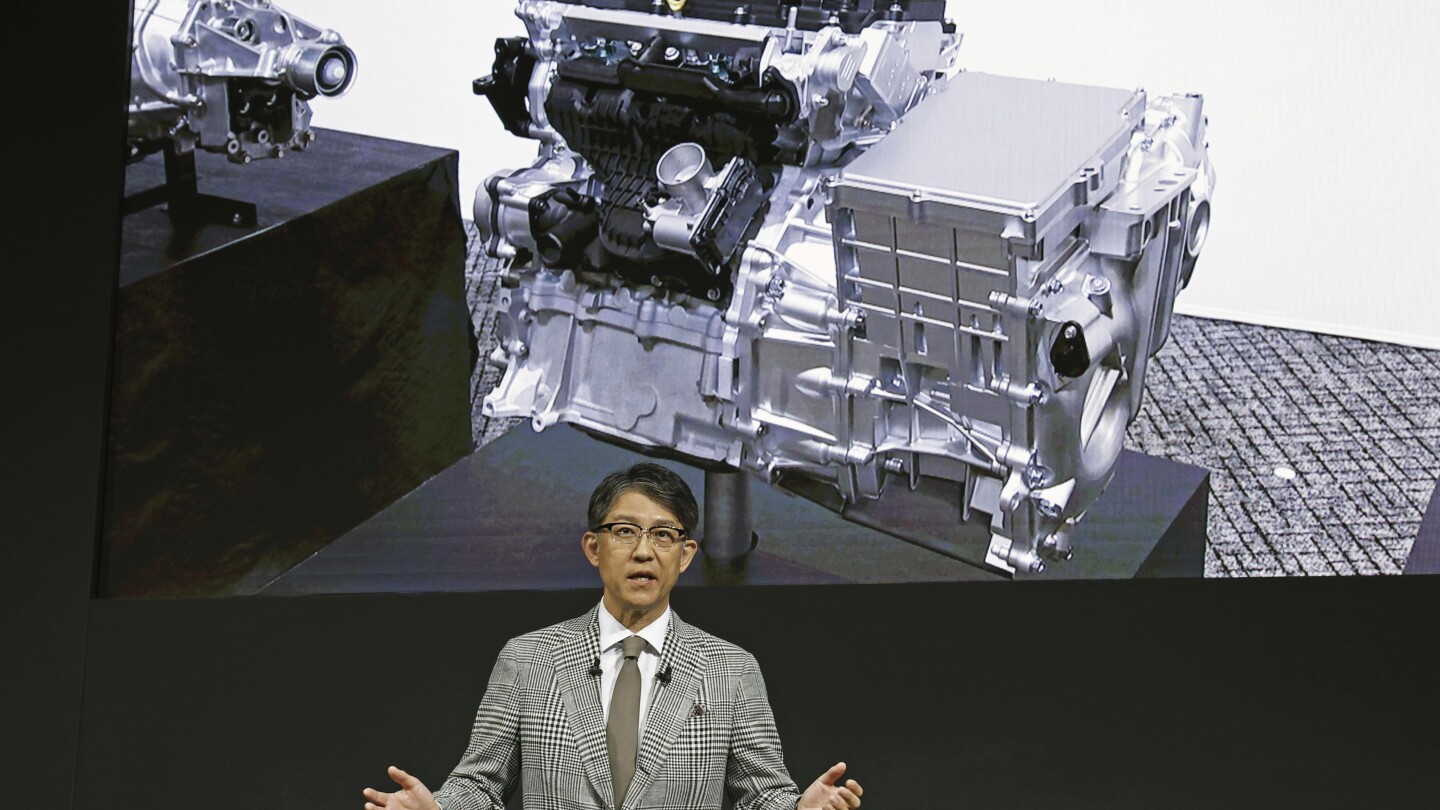
Toyota has unveiled plans to innovate the traditional internal combustion engine by using green fuels like hydrogen and bioethanol, and integrating them with electric motors in hybrids. This move comes as many automakers push for fully electric vehicles. Toyota's new engines aim to support the transition to carbon neutrality while addressing the economic and social impacts of a sudden shift to electric cars. Domestic allies Subaru and Mazda also showcased their ecological engine advancements. However, details on market availability were not disclosed.
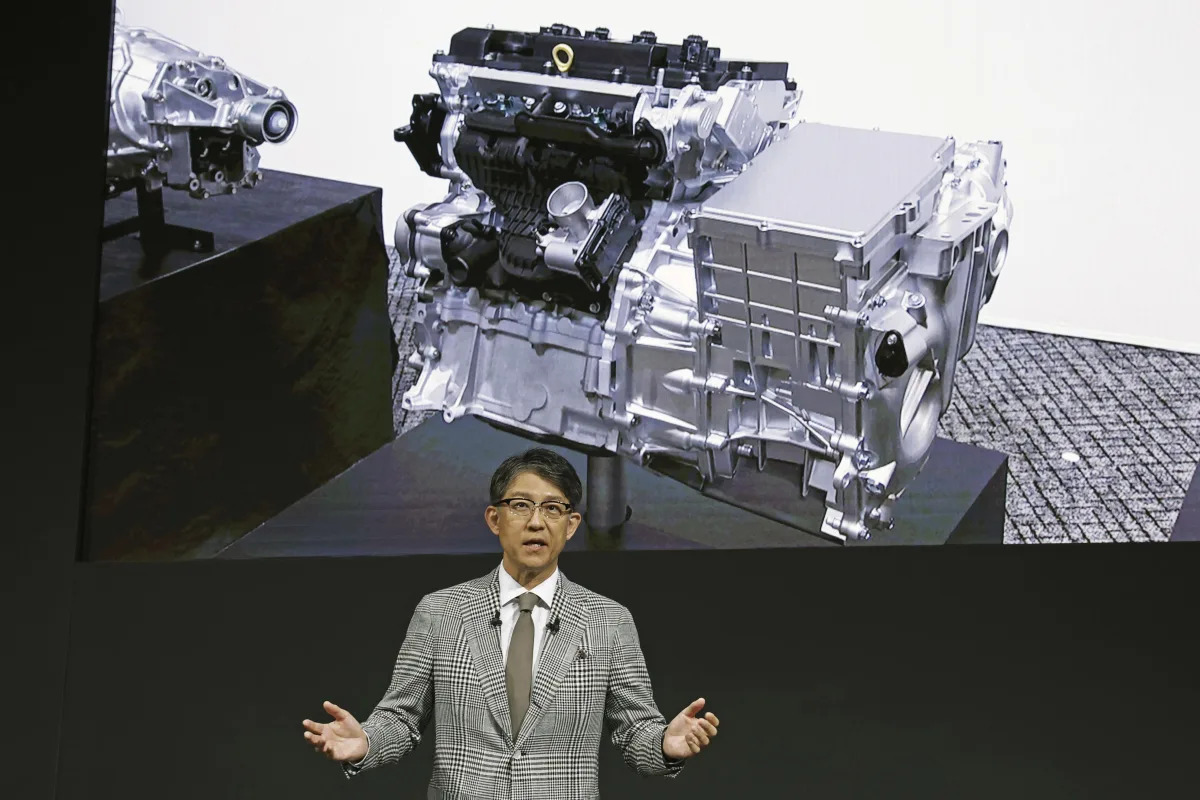
Toyota announced plans to develop compact engines running on green fuels like hydrogen and bioethanol, alongside electric motors in hybrids, as part of its strategy to achieve carbon neutrality. Despite the global push for fully electric vehicles, Toyota emphasizes a multi-pathway approach, collaborating with Subaru and Mazda to meet diverse energy needs and maintain economic stability. The company highlighted the challenges and uncertainties in the transition to electric vehicles, including the environmental impact of battery production and the need for gradual change.

The average age of vehicles in the U.S. has reached a record 12.6 years in 2024, driven by high new vehicle prices, which averaged over $45,000 last month. While new vehicle sales are recovering from pandemic-related shortages, many consumers are opting to keep their older vehicles longer due to cost concerns and the durability of modern cars. This trend benefits auto repair shops as a significant portion of vehicles are now beyond manufacturer warranties.

Former auto industry executives Bob Lutz and Bob Nardelli criticize the handling of the electric vehicle (EV) push, stating that it happened "too soon and too fast." They argue that the focus on EVs should have been preceded by an emphasis on hybrid vehicles and that the forced transition to zero emission transportation in the U.S. has been mishandled. They also express concerns about the impact on the car dealership experience and the potential challenges posed by China's growing presence in the EV market. Despite the criticism, they acknowledge the inevitability of a gradual transition to EVs, with Lutz predicting that EVs could represent about 25-30% of the market in the next 10 years.
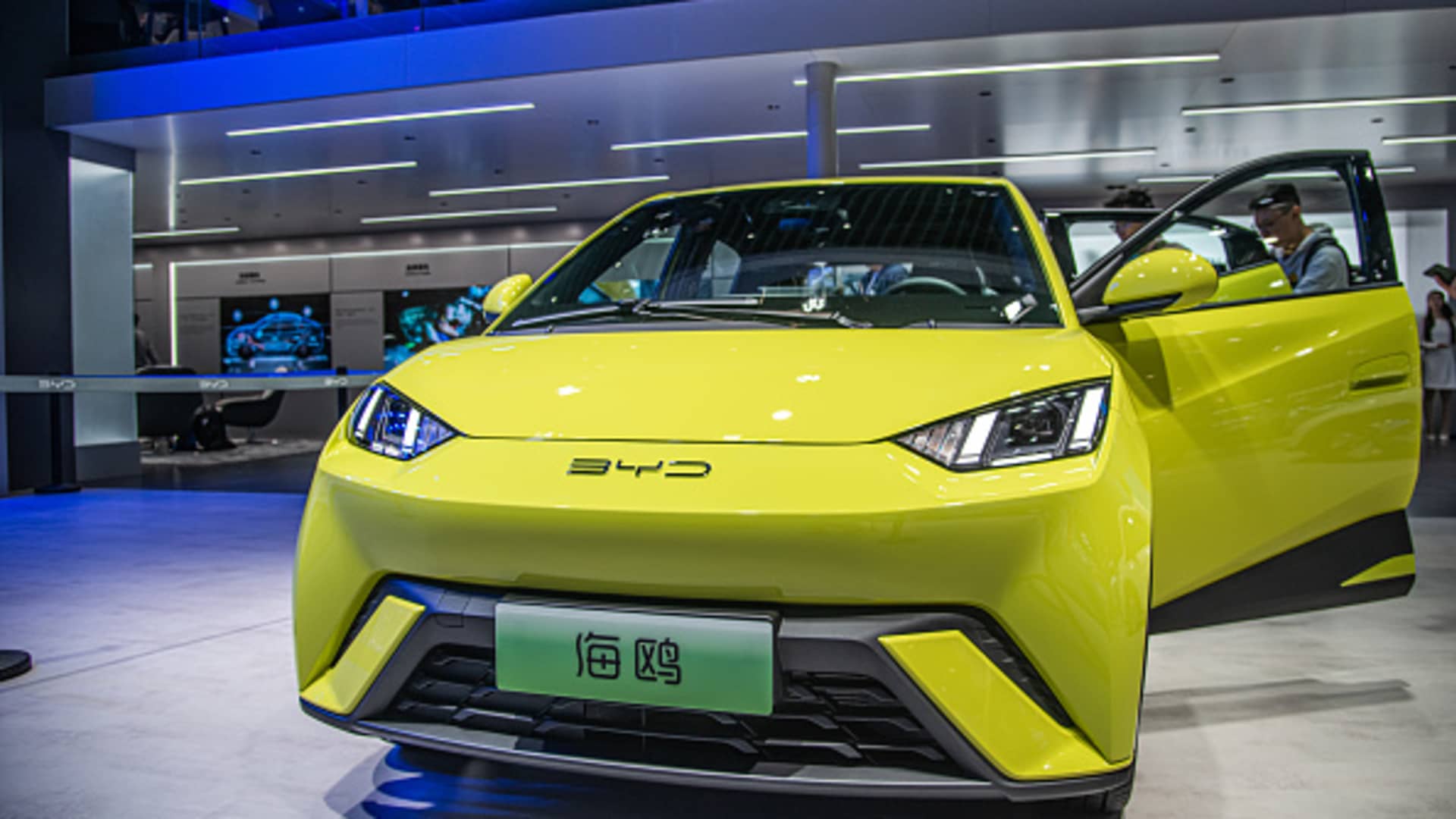
The China-made BYD Seagull, a small all-electric hatchback priced at less than $10,000, is causing concern among global automotive executives and politicians due to its potential to disrupt domestic auto industries worldwide. With the ability to turn a profit where U.S. automakers have struggled, and plans for global expansion, including potential entry into the U.S. market, the rise of Chinese automakers like BYD has sparked fears of undercutting domestic production and vehicle prices. As Chinese automakers expand and gain market share, concerns are growing about the impact on traditional automakers and the need for them to quickly adapt to the changing competitive landscape.
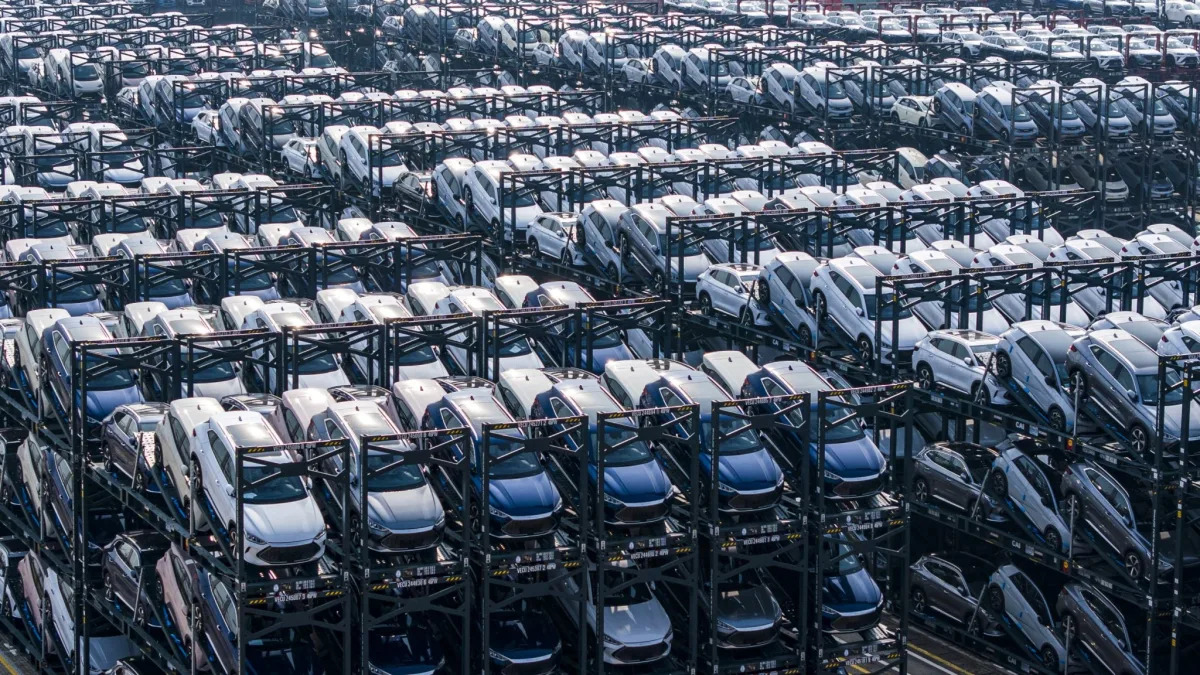
Chinese automakers, including BYD, are using Mexico as a backdoor to gain access to the US auto market through the more favorable tariffs under the USMCA, posing an "extinction-level" threat to the US auto sector, according to the Alliance for American Manufacturing. The report warns of the potential impact of Chinese EVs, which are backed by heavy state support, on the US auto industry and calls for policy recommendations to combat overcapacity and unfair trade practices. With Chinese carmakers scouting for manufacturing locations in Mexico and surging imports of Chinese cars into the country, the threat is seen as scarier than many people realize, potentially leading to an extinction-level event for the US auto sector.
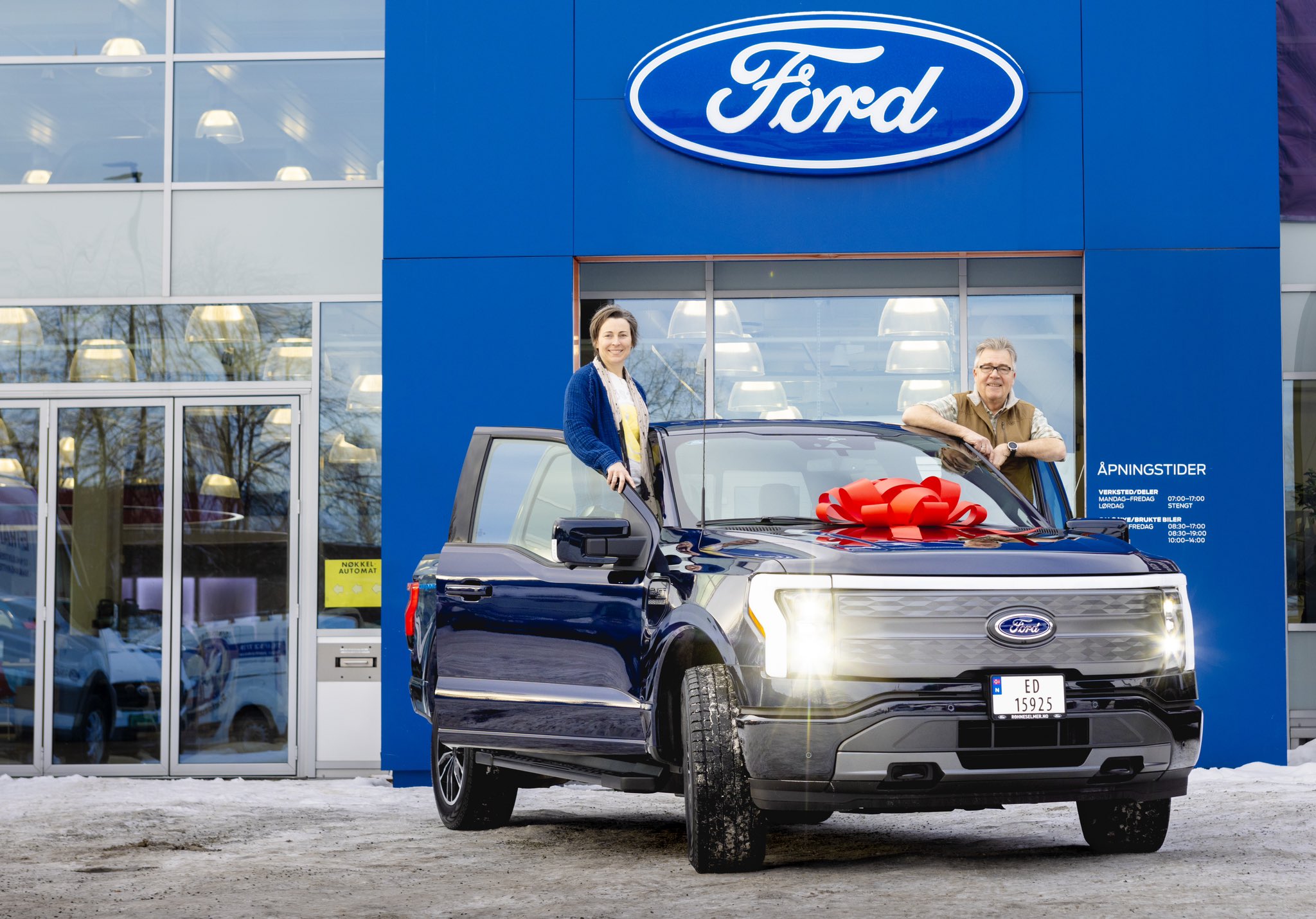
Ford CEO Jim Farley promotes Ford Pro as the future of the automotive industry, urging people to look beyond Tesla and its Full Self-Driving system. Ford Pro, catering to commercial customers, is expected to see significant growth, with projected pretax earnings surpassing those of Ford Blue and its Model e EV unit. Despite some dealer skepticism, Ford achieved its best-ever quarter for electric vehicle sales in Q4 2023.
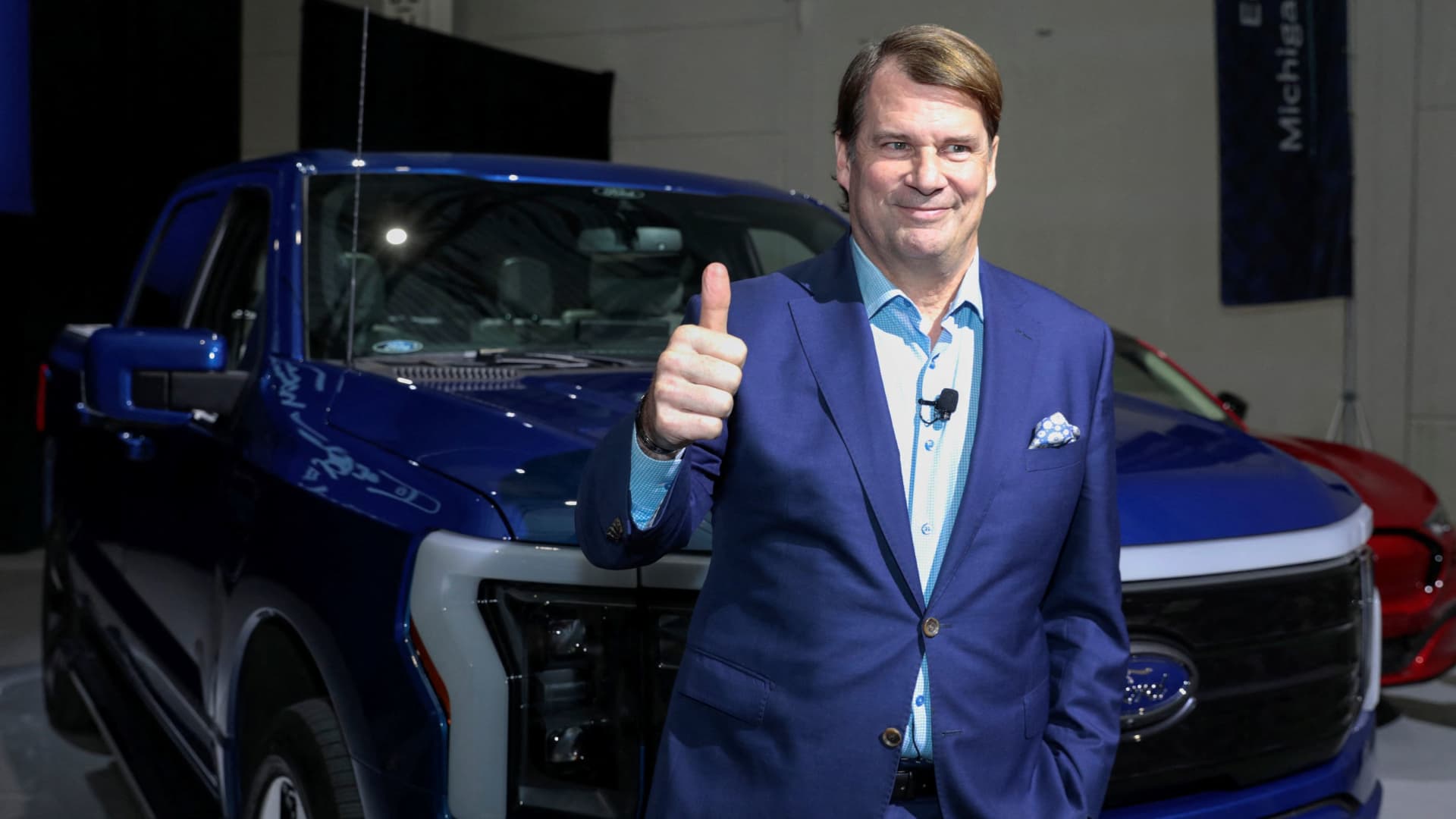
Ford CEO Jim Farley urged investors to shift focus from Tesla and its FSD driver-assistance systems to Ford's "Pro" fleet business, which doubled pre-tax earnings last year to $7.2 billion. The Pro unit encompasses traditional fleet and commercial businesses, telematics, logistics, and other connective operations for business customers, with expected pre-tax earnings of $8-9 billion this year. Farley emphasized the undervaluation of Ford Pro, drawing comparisons to Ferrari's undervaluation before being spun out of Fiat Chrysler. He also noted that fleet customers are adopting all-electric vehicles faster than anticipated, positioning the Pro operations as a key part of Ford's restructuring and growth plan.
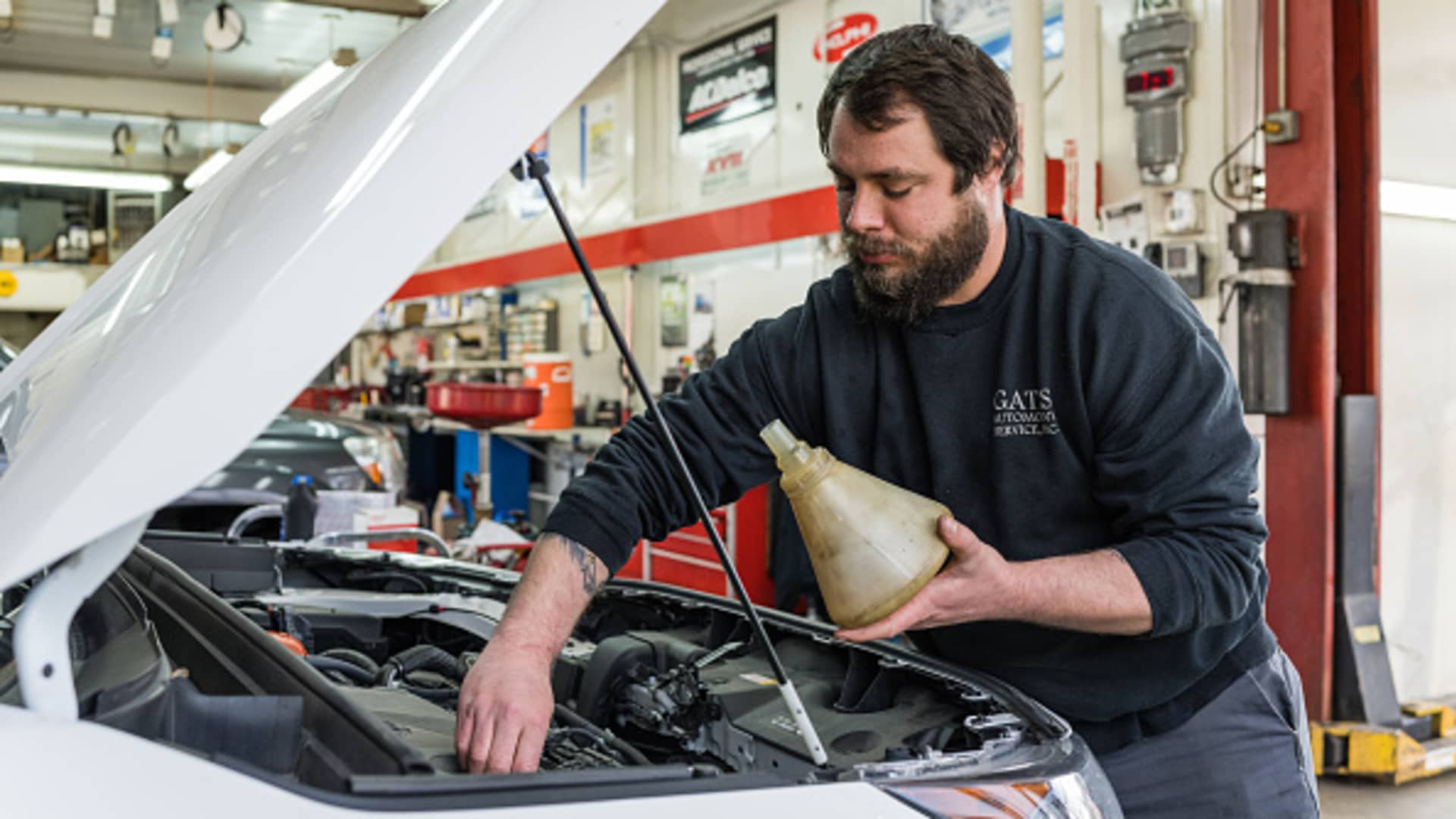
Car repair costs are on the rise due to heavier and more complex vehicles, new materials and manufacturing methods, a shortage of skilled technicians, and pandemic-induced supply shortages. The average annual increase in repair costs has jumped to about 10% since the pandemic, compared to 3.5% to 5% prior. Factors contributing to the rise include heavier and more powerful vehicles, increased crashes, more advanced technology, and a scarcity of skilled technicians. The industry is undergoing significant shifts, and stakeholders are motivated to drive down costs to ensure vehicles remain affordable to maintain and repair.
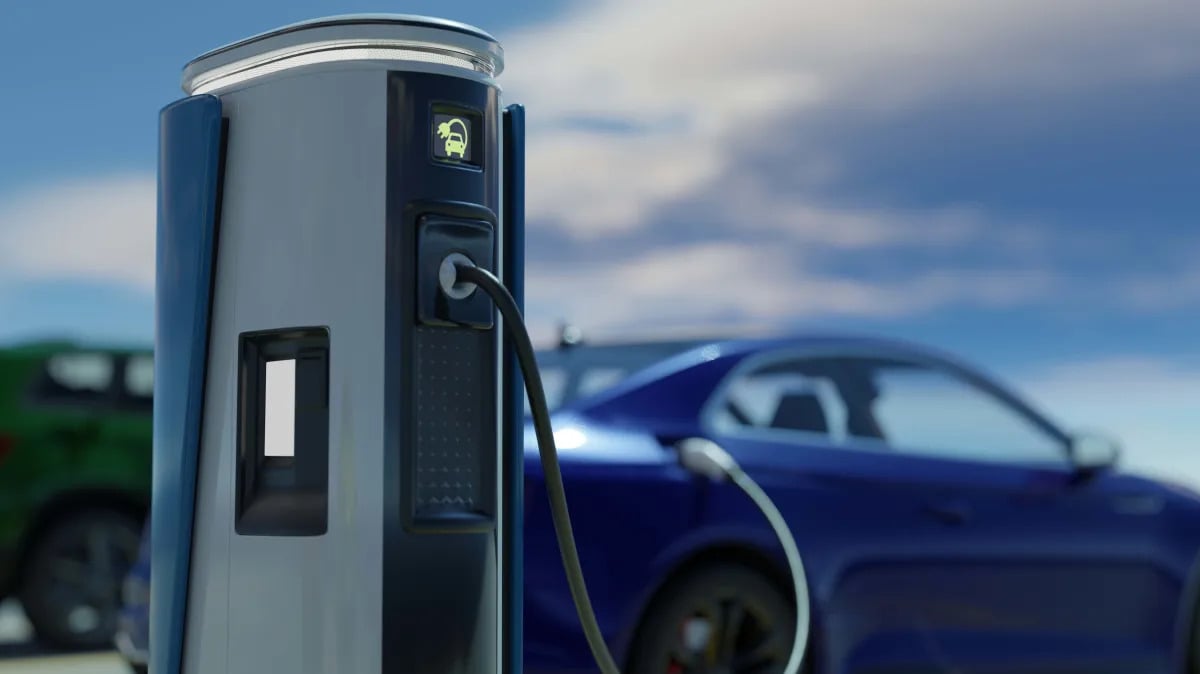
Industry experts believe that interest rate cuts would significantly alleviate the affordability issues in the electric vehicle market, as high interest rates have been pushing potential buyers out of the market and driving monthly payments to unmanageable levels. Additionally, the lack of charging infrastructure and high pricing are dissuading American car buyers from fully embracing EVs. With double the inventory of EVs compared to gas-powered vehicles, the market is expected to see more incentives, discounts, and price cuts, making it a cutthroat business in the next year or two. Addressing pricing and expanding and maintaining the EV charging infrastructure are crucial for mainstream adoption of electric vehicles.