Consumer Reports ranks Citizens Property as the worst homeowners insurance company due to delayed and denied claims, insolvency issues, and rising premiums, with many insurers facing similar challenges amid climate change and economic pressures. Homeowners are advised to shop around, compare quotes, and look for discounts to manage rising costs and find better coverage options.
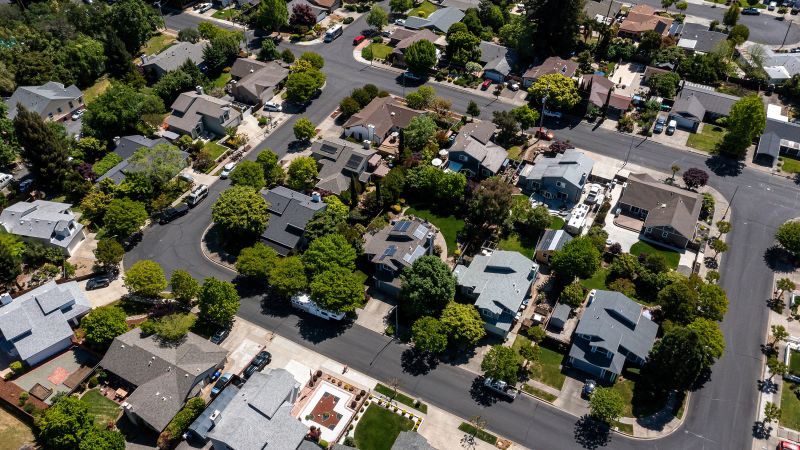
As the Atlantic hurricane season begins, homeowners are facing skyrocketing insurance costs due to increased storm frequency and inflation. Last year saw a 11.3% rise in rates, and many insurers are pulling out of high-risk states like Florida and California. Homeowners are advised to shop around for better rates, raise deductibles, or invest in home fortifications to mitigate costs.
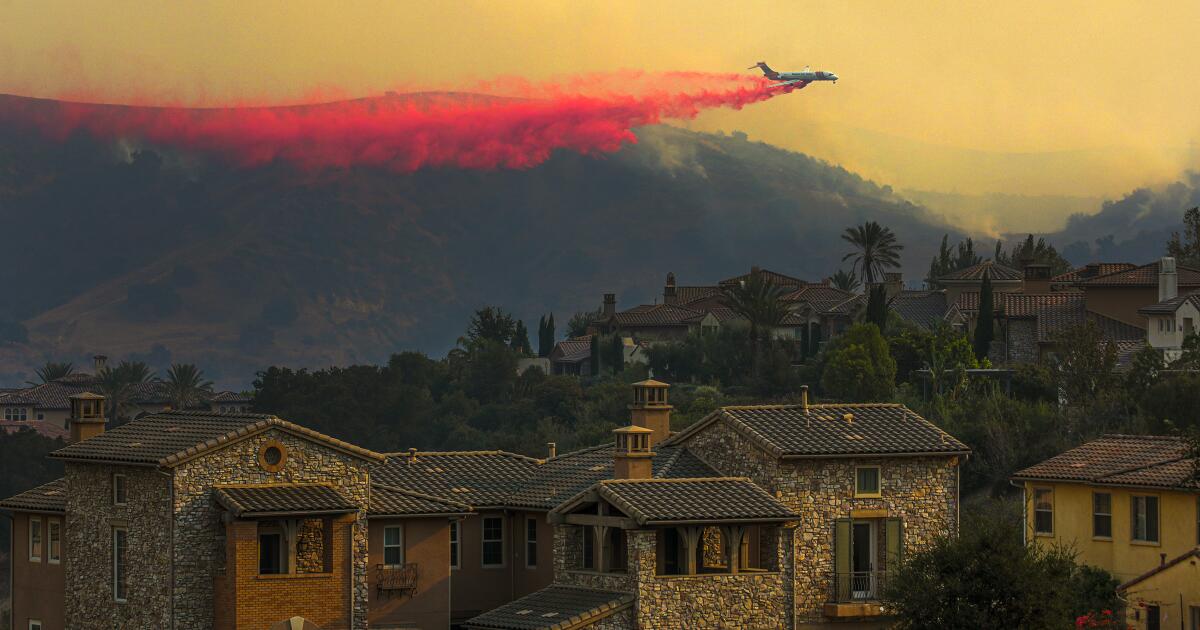
Many Californians are struggling to afford homeowners insurance as insurers abandon fire-prone areas, leaving residents either uninsured or reliant on costly last-resort options like the FAIR Plan. The state's regulatory system under Proposition 103 complicates rate adjustments, contributing to the crisis. Lawmakers and officials are considering measures to incentivize fire-hardening homes and streamline insurance regulations to stabilize the market.
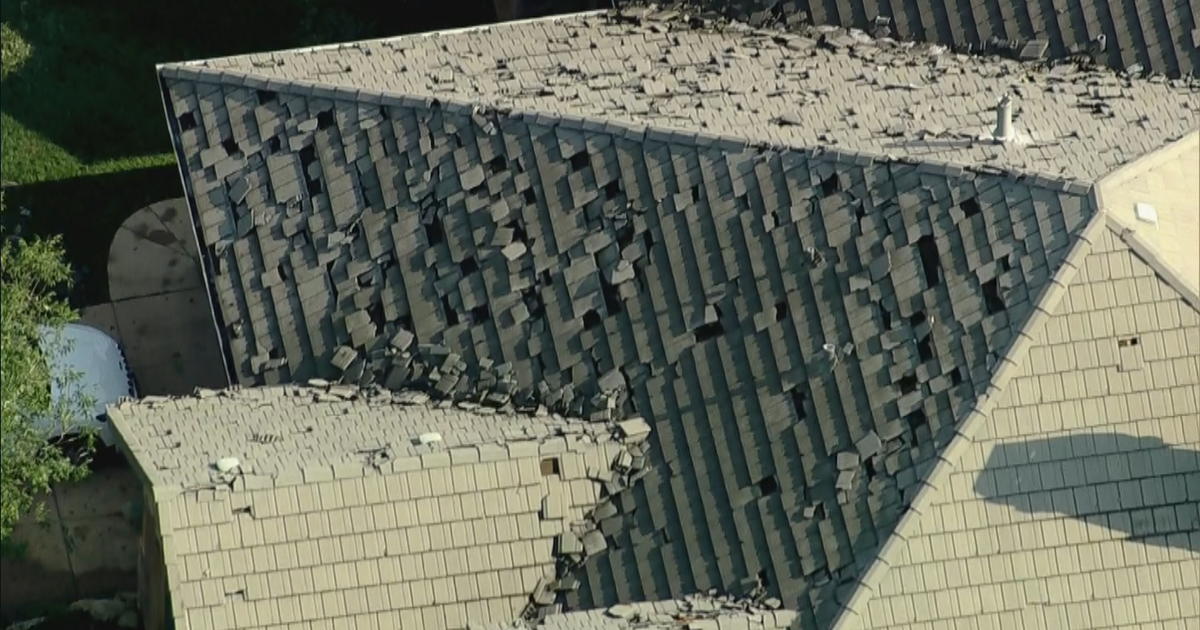
Severe weather, particularly hail, has led to significant financial losses for insurance companies in Minnesota, causing some to consider withdrawing from the region. Homeowners are facing soaring insurance rates, and the state has introduced a high-risk insurance product called FAIR as a last resort. Climate change is exacerbating the situation by increasing the frequency and severity of weather events.
Tokio Marine America Insurance Co. and Trans Pacific Insurance Co., subsidiaries of Tokio Marine Holdings Inc., are withdrawing from the homeowners and personal umbrella insurance markets in California, impacting over 12,000 homeowner insurance policies and 2,700 personal umbrella policies. The nonrenewal notices will begin on July 1, with the proposed effective date for the filings set for August 1, 2025. The reason for their withdrawal was not disclosed, and these companies join a growing list of insurance companies making it harder for California residents to obtain home coverage, including State Farm, Allstate, Farmer’s Insurance, and The Hartford.
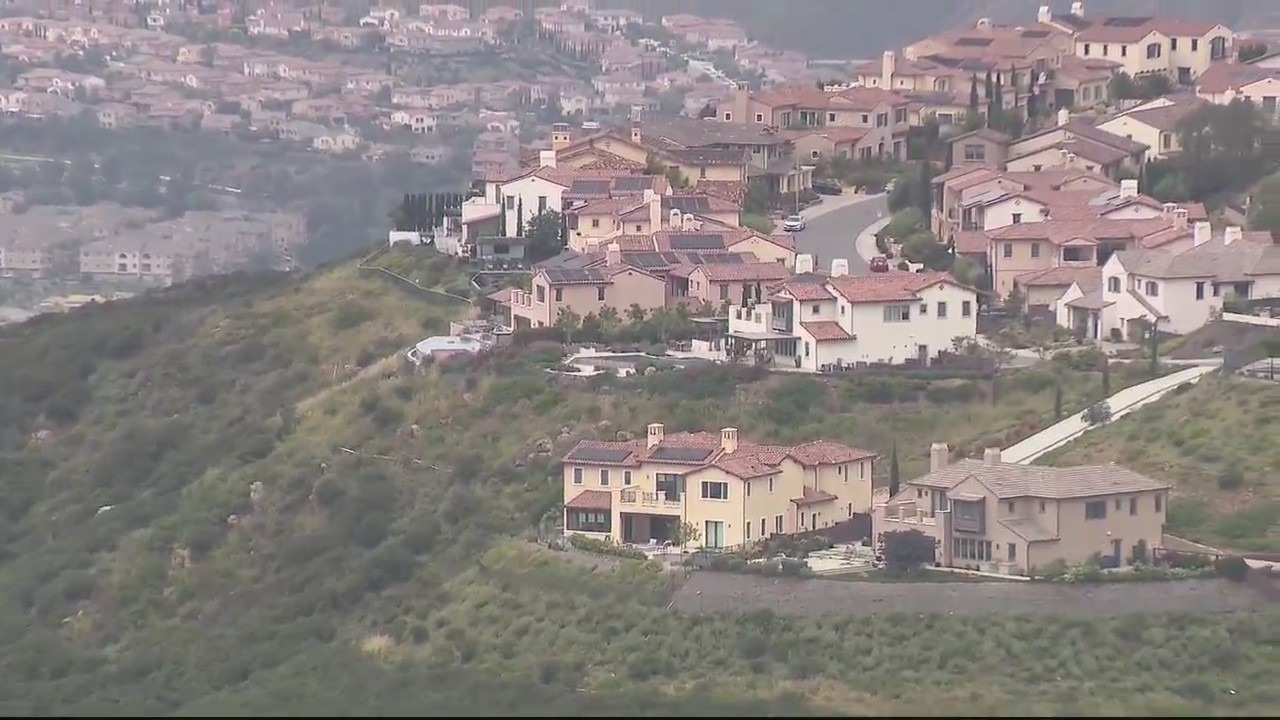
State Farm is dropping 30,000 homeowner’s insurance policies in California, affecting residents in 50 zip codes across San Diego County due to inflation, regulatory costs, and increasing catastrophe risks. Former San Diego Councilmember Scott Sherman attributes the issue to politics and regulatory restrictions, leading to limited options and soaring premiums for affected policyholders. Governor Gavin Newsom's emergency declaration aims to address the situation, with impacted customers retaining coverage until their current contracts expire.
Mortgage rates for 30-year and 15-year fixed-rate mortgages have risen to 6.88% and 6.16% respectively, driven by sustained inflation and increased demand. Monthly mortgage payments have hit an all-time high, with the average payment at $2,747. High sale prices on homes and rising homeowners insurance costs are contributing to overall high housing costs. Homeowners insurance rates are projected to increase by 6% in 2024, with Florida and Louisiana facing the highest average rates.
State Farm, California's largest insurer, is set to discontinue homeowners insurance coverage for thousands of houses and apartments in various zip codes across the state, with the Bay Area counties topping the list. The company cites increased risk of catastrophic wildfires, outdated regulations, and higher costs as reasons for the non-renewals, leaving many residents struggling to find alternative coverage in high-risk areas. The affected policyholders will retain coverage until their current contracts expire, but options for obtaining new insurance are limited and potentially expensive, with some being directed to the California FAIR Plan, the state's insurer of last resort.
State Farm, California's largest homeowner's insurance provider, is not renewing policies for some Bay Area residents, affecting ZIP codes in Orinda, Contra Costa County, Santa Clara, Santa Cruz counties, and Sonoma County due to financial challenges, inflation, catastrophe exposure, and reinsurance costs. Homeowners in high-risk areas will have to buy into the expensive California FAIR plan for fire coverage, as insurers struggle with California's premium limits and claim payouts, primarily due to wildfires. The California Department of Insurance is updating regulations to bring more policy options at competitive prices back to the state, but it could take a few years for the homeowner's insurance industry to stabilize.
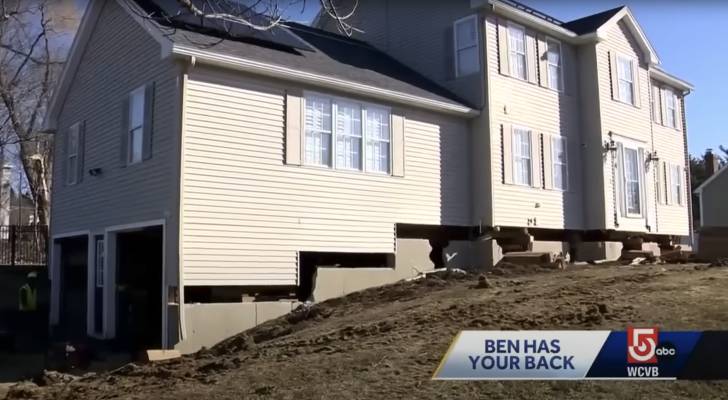
Thousands of Massachusetts homeowners are facing crumbling foundations infected with pyrrhotite, a mineral that compromises structural integrity and renders homes worthless. Homeowners insurance won't cover the issue, and banks won't provide loans, leaving affected homeowners to foot repair bills of over $250,000. State officials believe around 7,500 homes in Massachusetts could be at risk, and some are calling for financial aid similar to a trust fund set up in Connecticut to help cover the costs of new foundations.
Homeowners insurance companies are leaving California due to state regulations preventing them from raising rates to reflect inflation and market conditions. State Farm is non-renewing existing policies and getting out of apartment policies entirely, while American National is also withdrawing from the state. The state's "protections" for policyholders affected by wildfires are not effectively addressing the insurance crisis, leading more Californians to rely on the FAIR Plan, an insurer of last resort. The state's bureaucratic hurdles and lack of competition are distorting the marketplace, and despite warnings, the state's leaders have not taken the necessary actions to address the insurance problem.
State Farm will not renew coverage for 72,000 homes and apartments in California due to soaring costs, increasing risk of catastrophes like wildfires, and outdated regulations. The decision comes as California's insurance commissioner works on overhauling home insurance regulations to address the state's imploding market. The California Department of Insurance will question State Farm about its decision, and it remains unclear whether an investigation will be launched. Last June, State Farm announced it would stop accepting applications for property and casualty insurance, citing similar reasons.
State Farm, the leading insurer in California, is set to stop renewing approximately 72,000 homeowners, renters, and commercial property insurance policies over the next year, with a focus on high fire danger areas. The company's decision is attributed to financial strain from wildfire damage payouts and a significant drop in available capital. State regulators and lawmakers are expressing concern and considering changes to stabilize the insurance market and address the impact of wildfires and climate change on insurance calculations.
North Carolina's Insurance Commissioner denied a proposal to raise homeowners insurance rates by an average of 42.2%, while other states like California are seeing record high rate increases. Homeowners insurance rates have risen about 35% nationwide over the last two years, with states facing increased natural disasters experiencing the highest hikes. Auto insurance costs have also increased by 43% in the last three years, leading some drivers to cut back on coverage. It's important for consumers to compare rates and coverage options to find the best insurance plan for their needs.
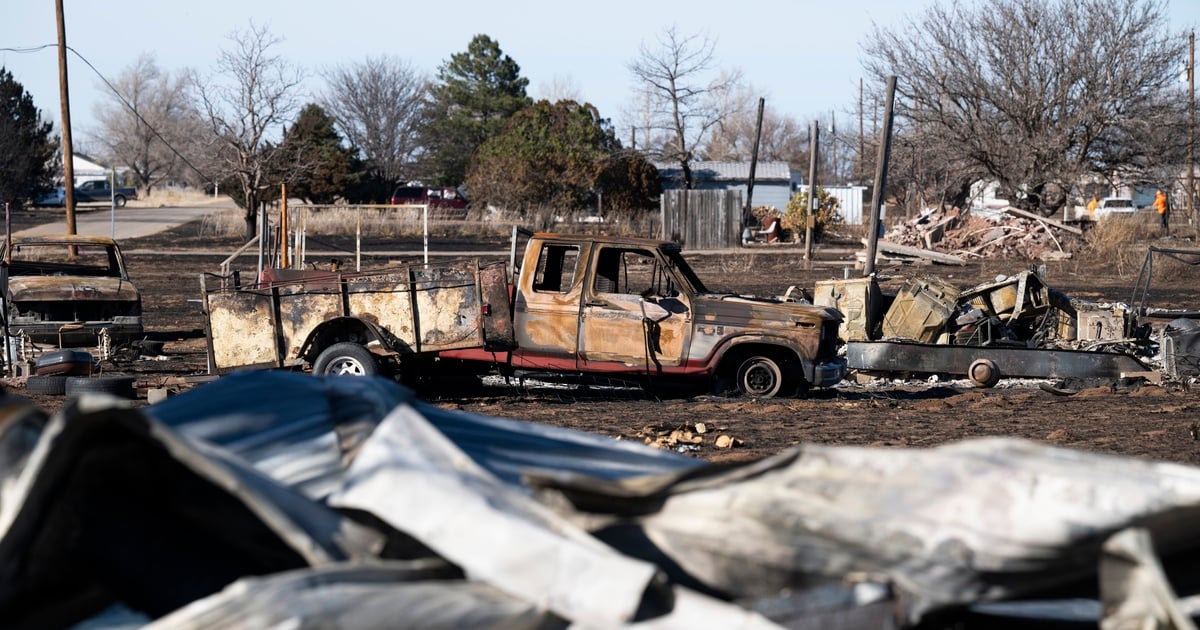
Many homes burned in the Texas wildfires were uninsured, leaving residents facing a difficult path to recovery. High homeowners insurance premiums, particularly in areas prone to extreme weather events, have made it challenging for Texans to afford coverage. Lower-income households and rural residents are disproportionately affected, with some unable to afford insurance and others struggling to insure manufactured homes. Without insurance, homeowners must rely on public and private assistance, which may not fully cover their losses. The full extent of the damage is still being assessed, and federal disaster aid may not fully replace what many homeowners have lost.