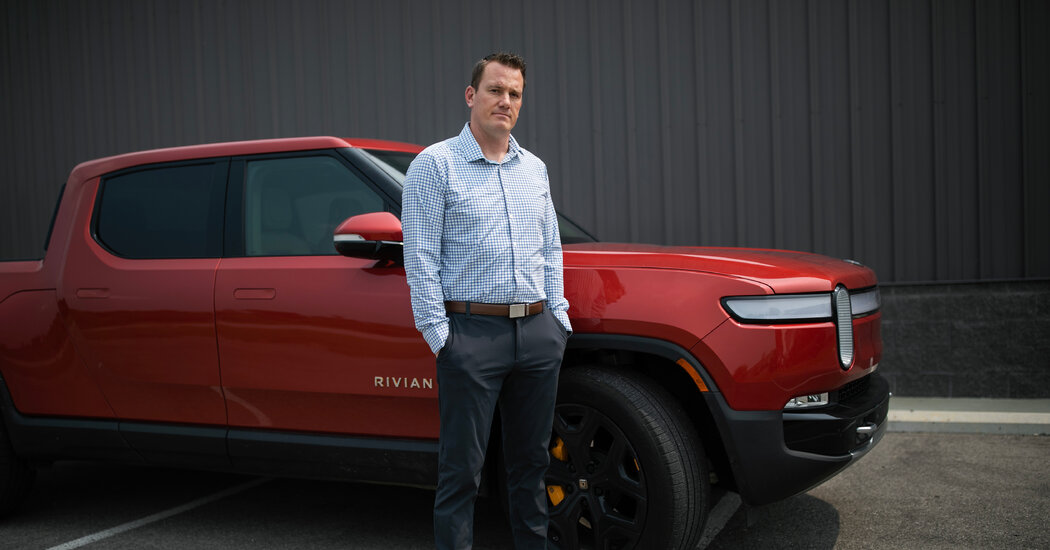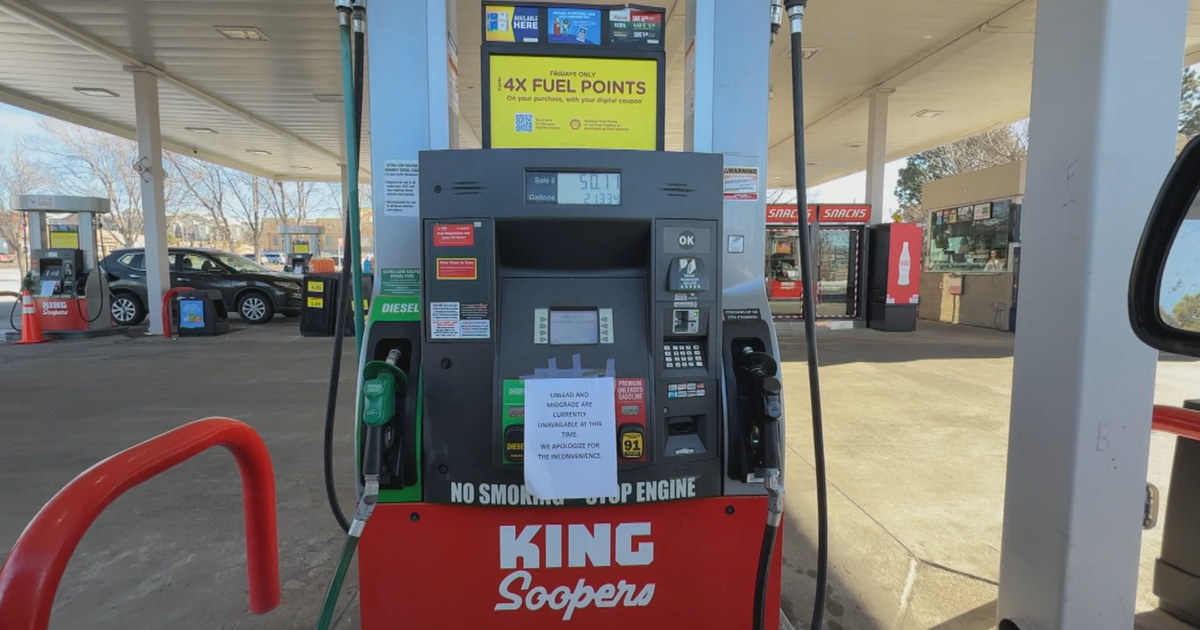
A Colorado man and other customers who unknowingly purchased tainted diesel at Denver gas stations are seeking reimbursement for costly car repairs, with some facing bills over $3,000. Despite assurances from gas station chains like Kroger that they will work with impacted customers, many are concerned about the reimbursement process and additional costs such as towing and transportation. State officials advise impacted customers to contact the stations or the Colorado Division of Oil and Public Safety for assistance.
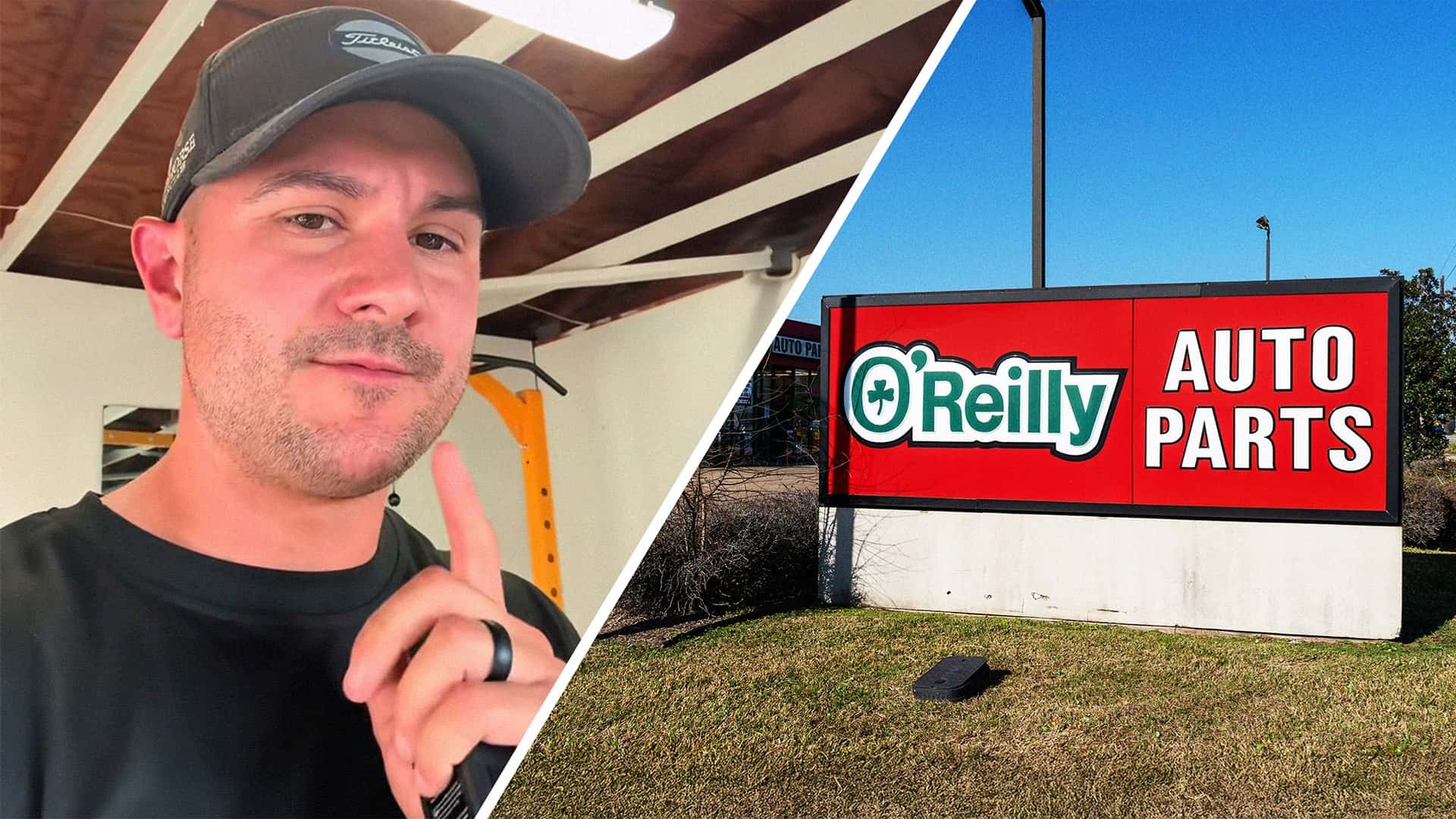
A Chevrolet owner saved $260 by using an OBD programmer bought at O'Reilly to self-program his key fob, bypassing dealership fees, and shared his success on TikTok, highlighting how DIY solutions can save drivers money on car repairs.
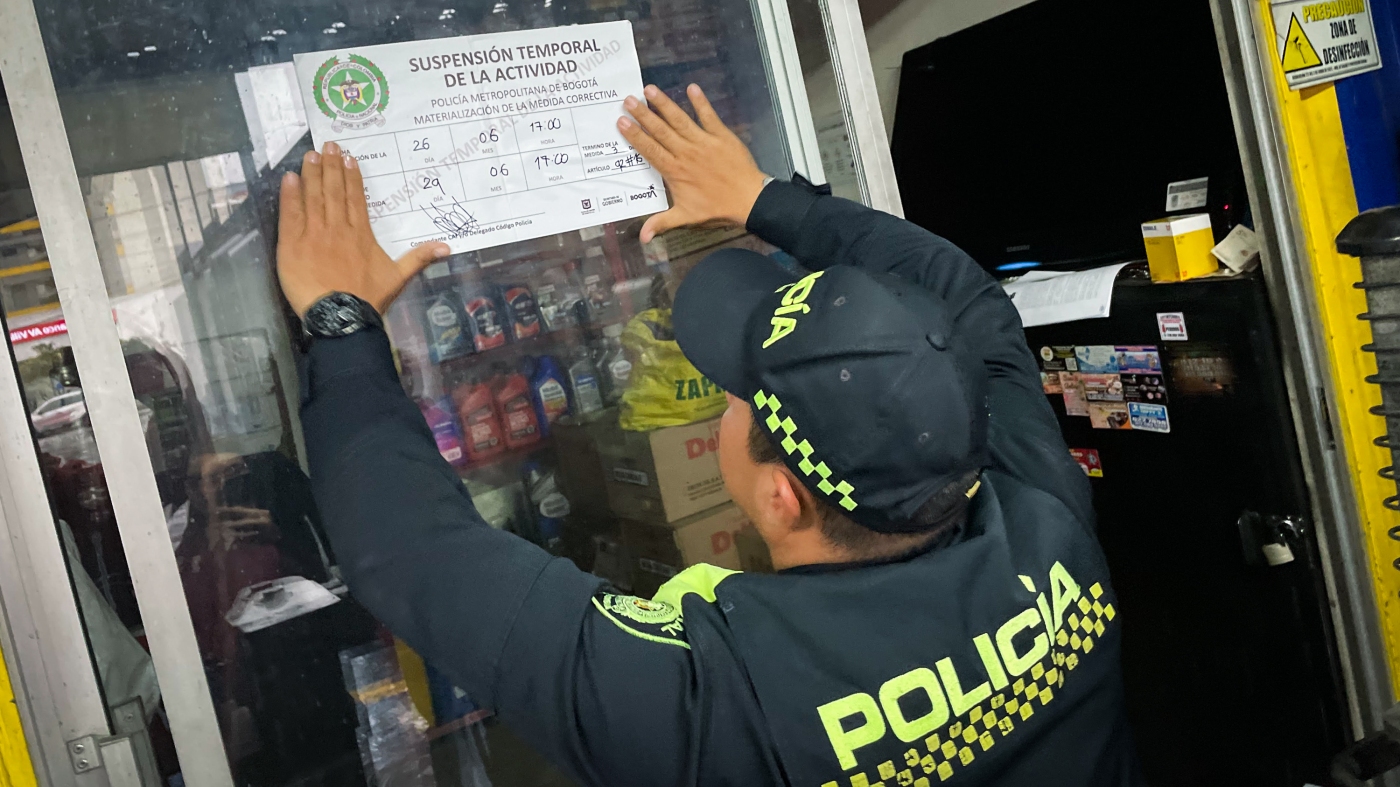
In Bogotá, a scam involving tire-puncturers called pinchallantas leads motorists to repair shops that overcharge or damage tires further, with authorities cracking down on suspected collusion to protect drivers from costly and deceptive repairs.
Surging auto insurance premiums, driven by factors such as increased car prices, supply chain disruptions, high demand, and a shortage of mechanics, are contributing to high inflation and financial strain on U.S. households. The cost of auto insurance rose 2.6% in March, bringing the total annual gain to 22.2% – the fastest yearly rate on record. Car insurance companies are also trying to make up for steep losses incurred in 2021, which saw a sharp rise in fatal car accidents. The burden of inflation is disproportionately impacting low-income Americans, who are forced to pay more for everyday necessities.
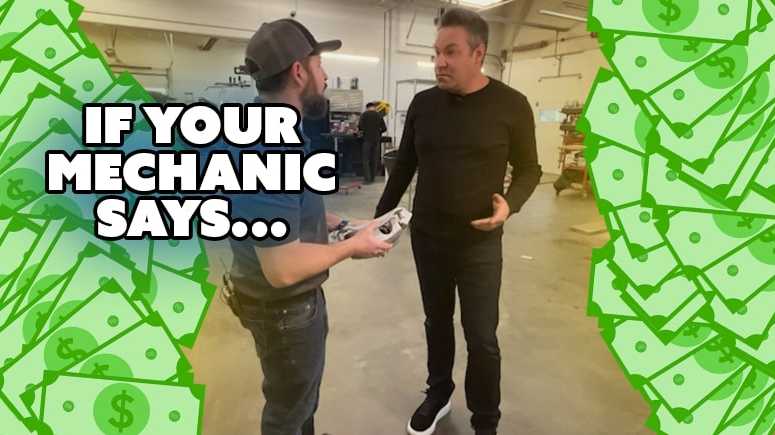
This week's Rossen Reports covered tips for dealing with car repairs, including getting a second opinion, urgent safety warnings about water bead toys, a savings calendar for scoring deals year-round, and a discussion on whether travel insurance is worth it for upcoming summer vacations.
Car repair costs are on the rise due to heavier and more complex vehicles, new materials and manufacturing methods, a shortage of skilled technicians, and pandemic-induced supply shortages. The average annual increase in repair costs has jumped to about 10% since the pandemic, compared to 3.5% to 5% prior. Factors contributing to the rise include heavier and more powerful vehicles, increased crashes, more advanced technology, and a scarcity of skilled technicians. The industry is undergoing significant shifts, and stakeholders are motivated to drive down costs to ensure vehicles remain affordable to maintain and repair.
The cost of car repairs has been steadily increasing due to the complexity and advanced technology found in modern vehicles, including electric models. The average cost of repairing damaged cars has risen by 36% since 2018 and may exceed $5,000 by the end of this year. Luxury SUVs and pickup trucks, as well as electric vehicles, are particularly expensive to repair due to their intricate systems and specialized parts. Insurance premiums have also been rising as insurers bear the brunt of these costly repairs. While repairing electric vehicles can be more expensive initially, a closer analysis shows that repair costs for electric and gasoline vehicles of similar age and price are often comparable. Automakers are working to make repairs easier and more efficient, especially for electric vehicles, which are expected to replace gasoline models in the future.
Inflation unexpectedly declined to 4.9% last month, but prices for goods and services are still high. Margarine saw the biggest annual increase, costing almost 24% more than last year due to a tighter supply of vegetable oil. Motor vehicle repairs are up 20% for the year, and the cost of sending a child to day care or preschool is up 7%. These increases are attributed to more people driving older cars and increased demand for child care as workers return to in-person work.