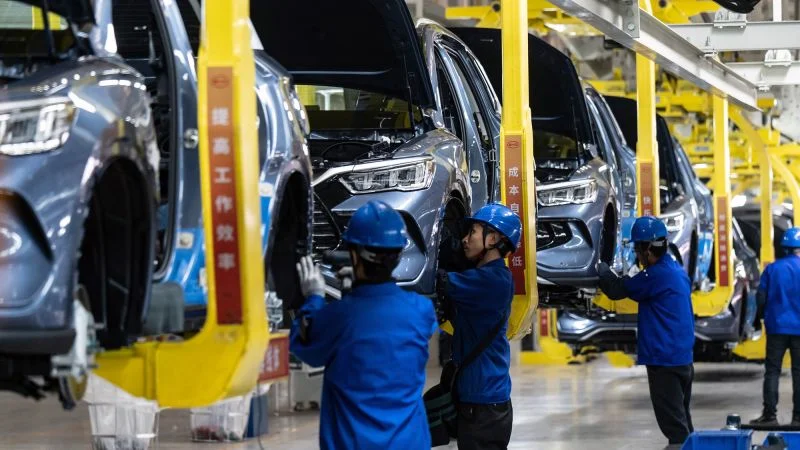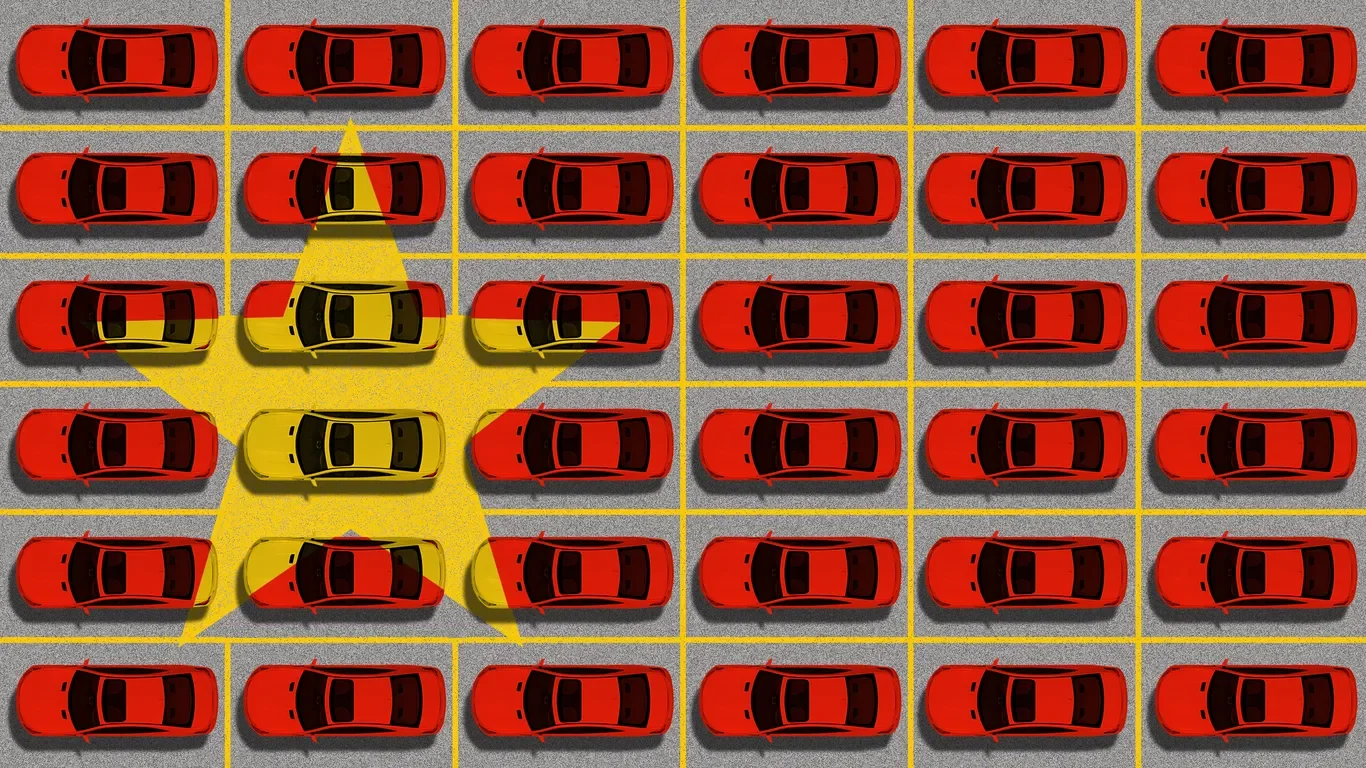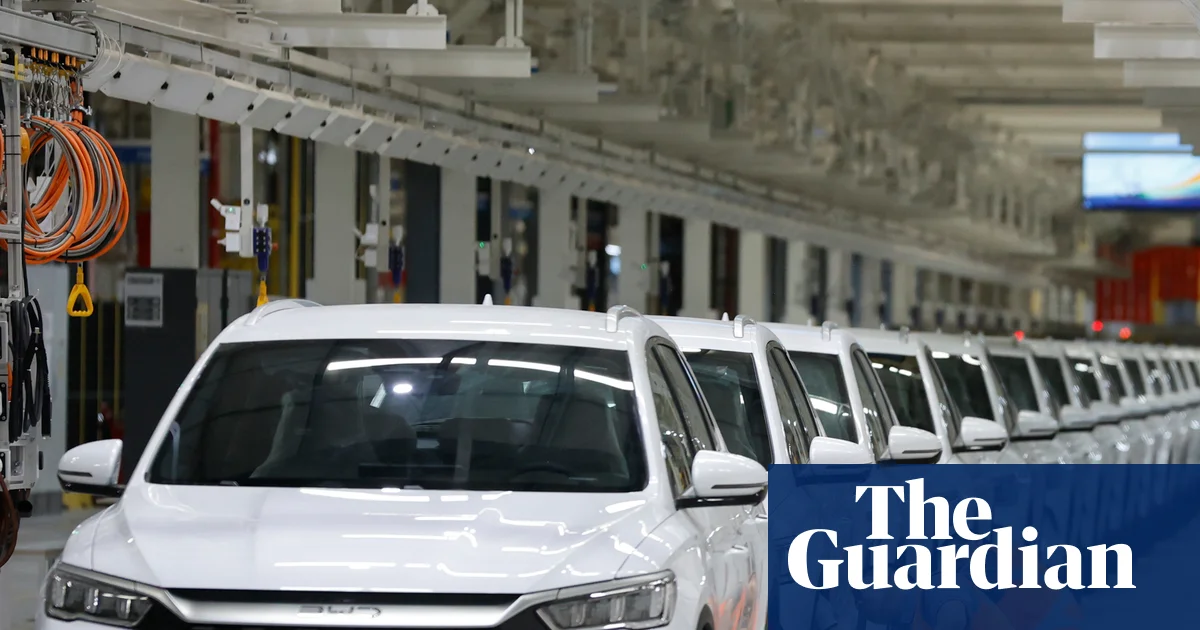
Chinese automotive brands have increased their new car sales in the UK, surpassing 2 million units, indicating a significant growth in their market presence.
Electric vehicle sales are expected to experience the slowest growth since the pandemic, indicating a potential slowdown in the automotive industry's shift towards electric vehicles.
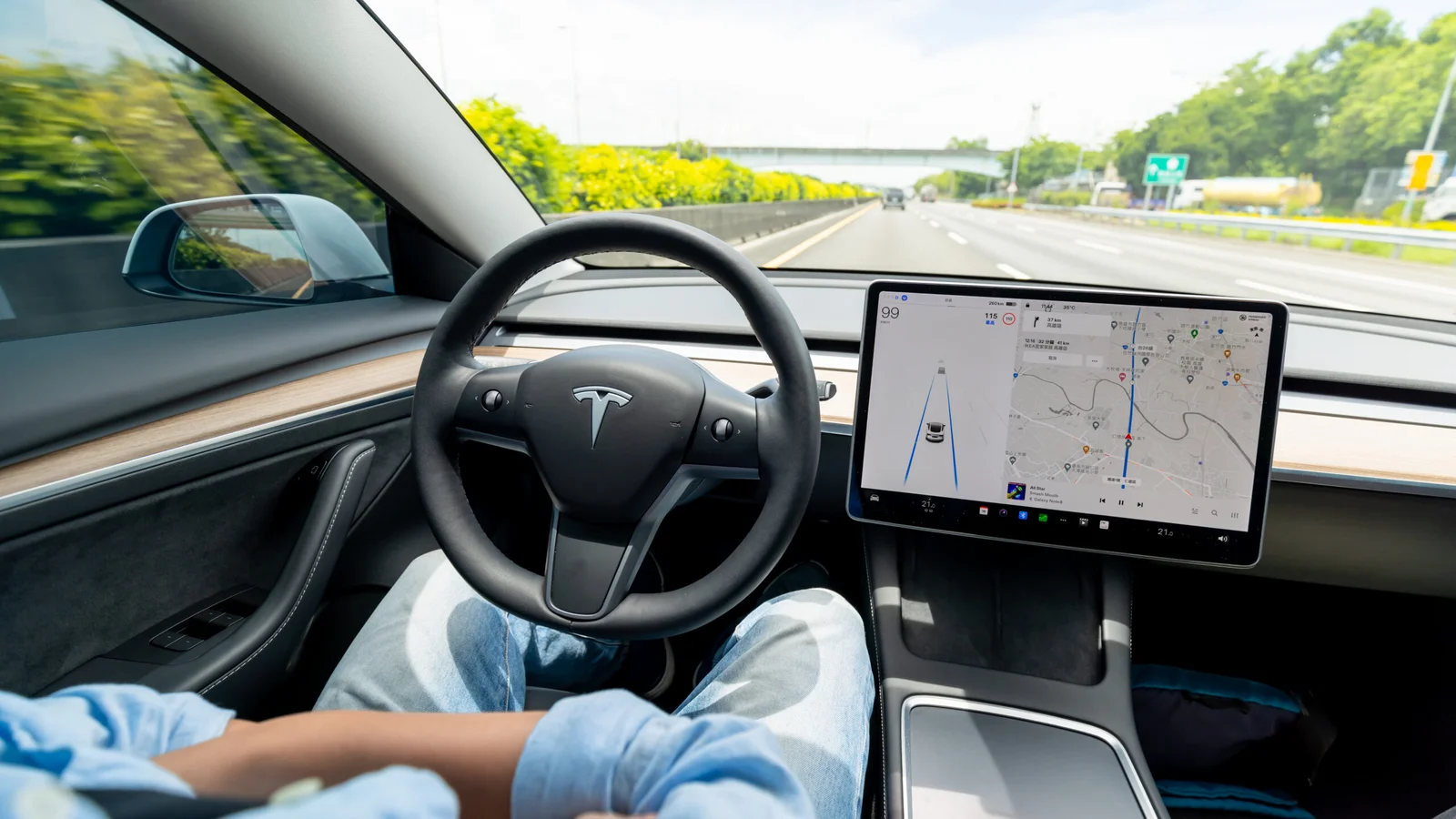
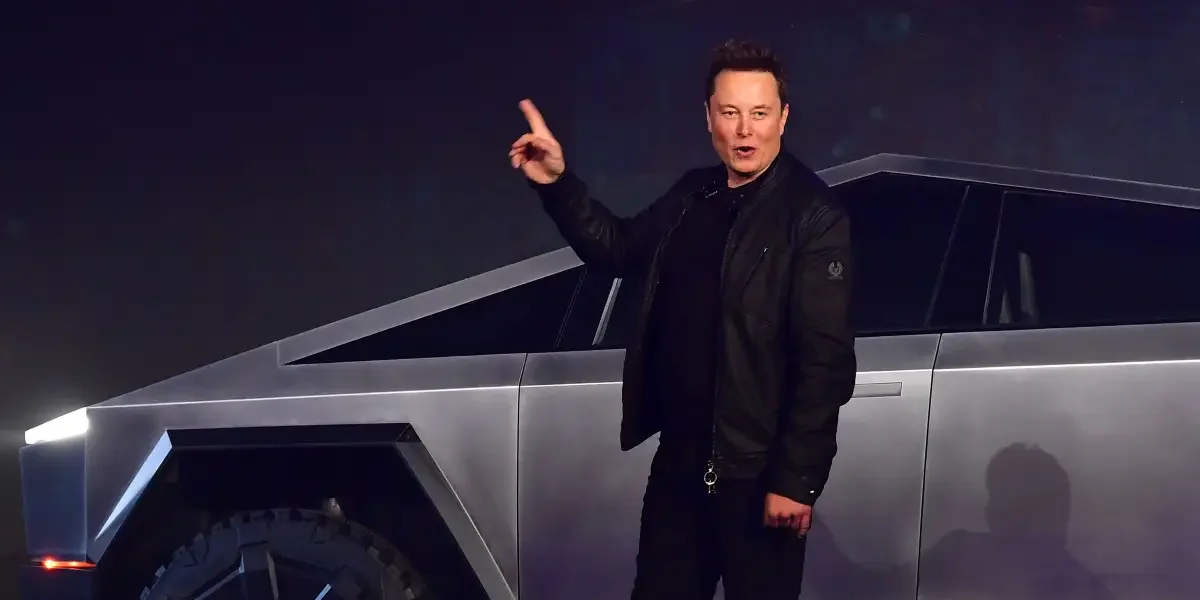
Tesla lost its position as the world's top EV seller to China's BYD in 2025 due to a 9% sales decline, while BYD's sales surged, especially in China and Europe. Tesla's focus has shifted towards AI and robotics, with concerns about future EV demand in the US following the end of federal incentives. Despite the sales drop, Tesla's energy storage business remains strong, and the company is developing new vehicles like the Cybertruck and Cybercab, with CEO Elon Musk optimistic about 2026.
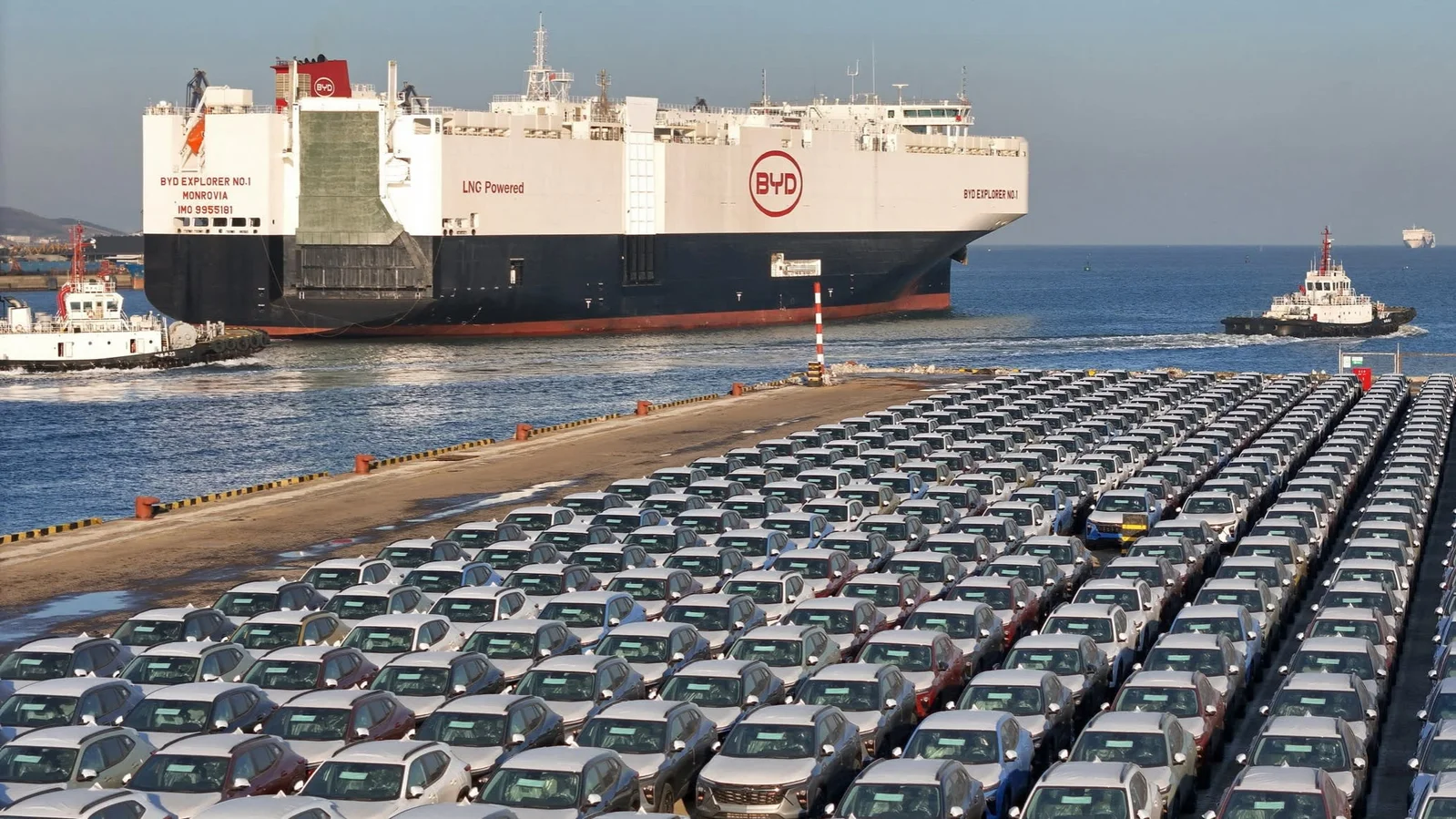
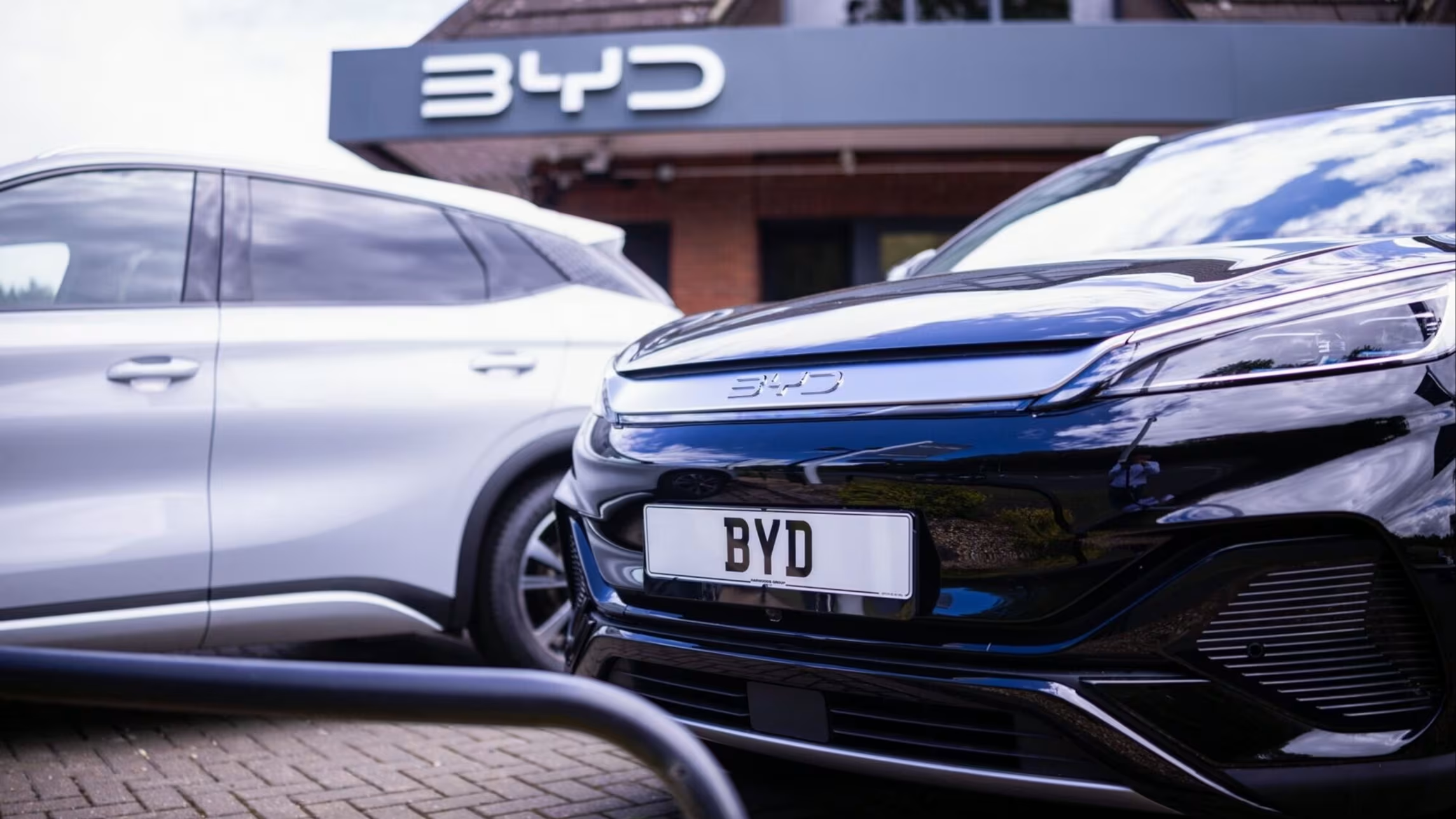
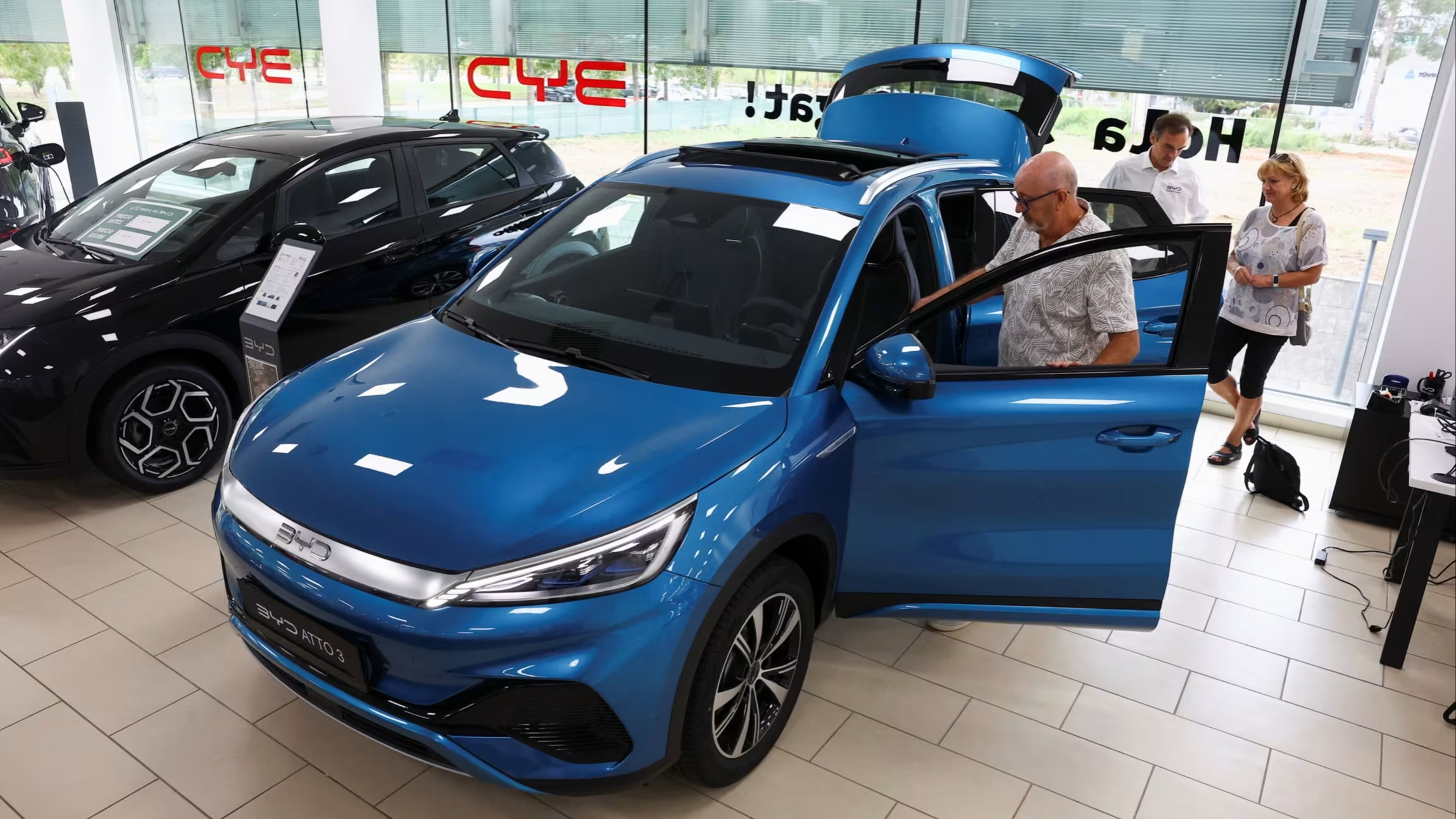
In 2025, China's BYD surpassed Tesla as the world's largest electric car manufacturer, selling 2.26 million battery electric cars compared to Tesla's 1.63 million, marking a significant shift in the global automotive industry driven by China's growing EV market and challenges faced by Tesla in the US market.
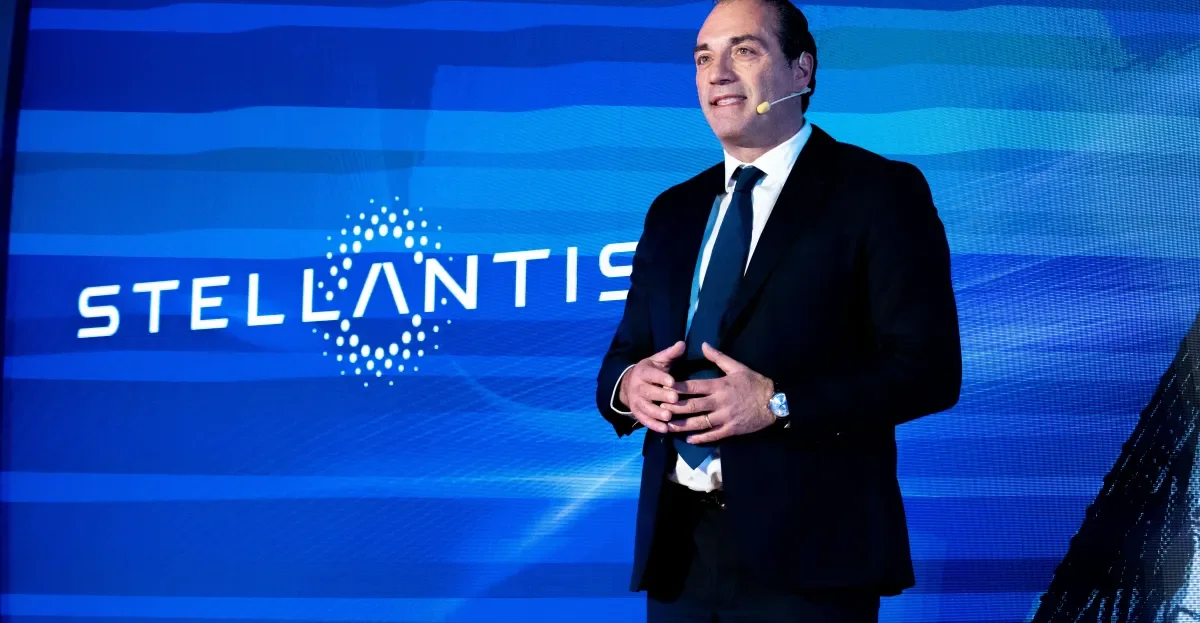
Stellantis is reviving the V-8-powered Ram TRX pickup truck for 2027, capitalizing on relaxed emissions regulations, with a focus on high performance and brand halo effects, amidst broader industry shifts towards electrification and brand revitalization efforts.
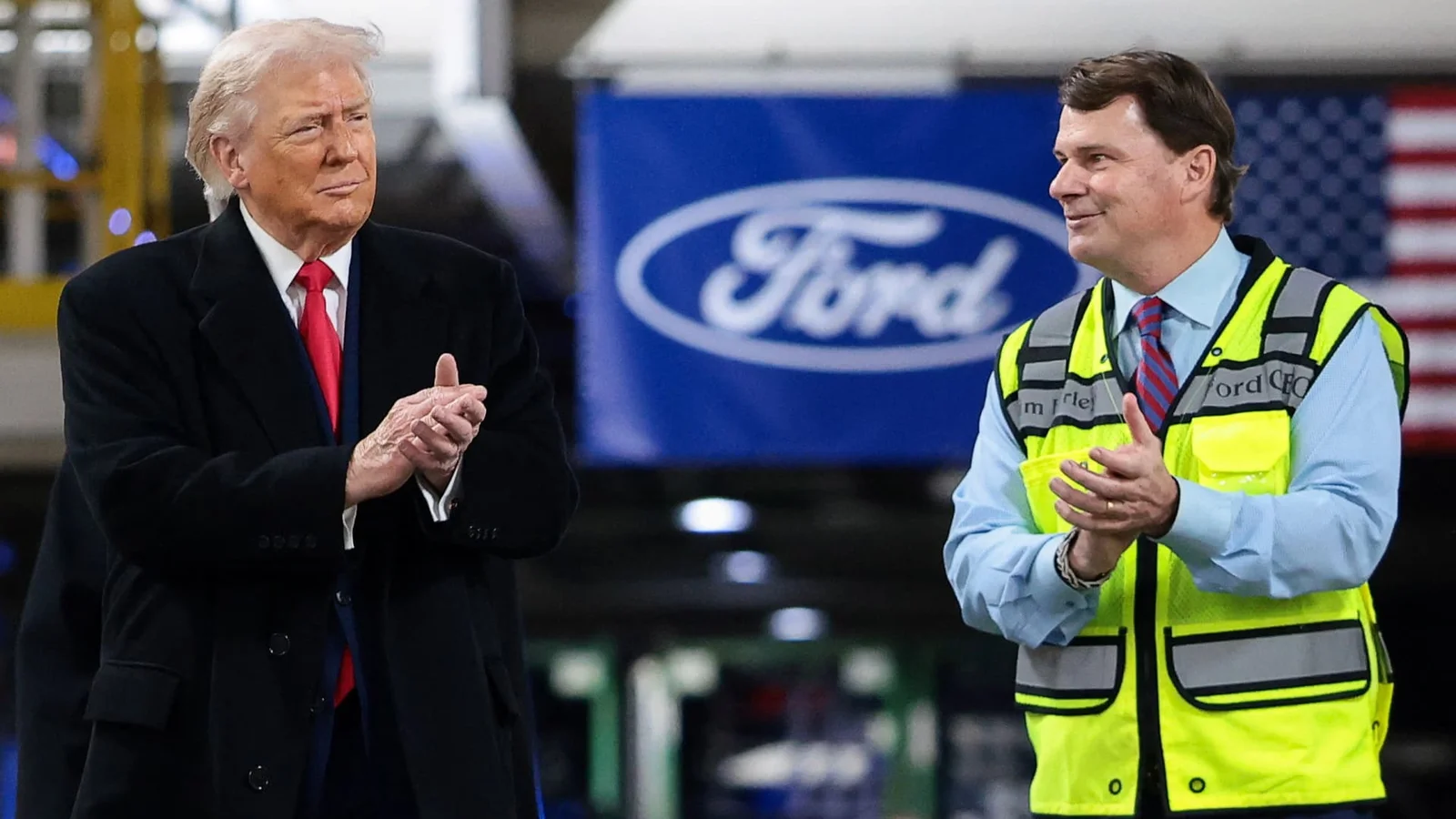
Ford has ceased production of its all-electric F-150 Lightning truck due to lack of profitability and declining consumer demand, signaling a potential slowdown in the shift toward electric vehicles in the US, especially as government incentives diminish and consumer preferences favor more affordable options. Ford plans to focus on more profitable vehicle segments and introduce a smaller, more affordable electric pickup in the future.
The European Union's proposal to relax restrictions on petrol cars has been rejected by Fiat, highlighting ongoing tensions in the automotive industry's transition to greener vehicles.
Germany's opposition led by Merz influenced the EU to reverse its ban on new internal combustion engines from 2035, favoring flexibility and technological diversity to support the struggling automotive sector, amid ongoing debates on climate targets and industry competitiveness.
Volkswagen has closed its Dresden plant in Germany after 88 years and plans to transform it into an AI, robotics, and chip design research hub in collaboration with Saxony's government and TU Dresden, as part of its strategy to adapt to economic challenges, including tariffs, trade tensions, and fierce competition in China. The company aims to invest heavily in AI and technology to enhance its vehicle development and production processes, amidst industry-wide shifts towards autonomous and AI-driven vehicles.
Ford is discontinuing its fully-electric F-150 Lightning pickup due to financial losses and declining demand, shifting focus to hybrid and gasoline vehicles, and reallocating investments toward more profitable segments like trucks, vans, and hybrids, amid broader industry challenges with EV adoption.
Ford has ceased production of its electric F-150 Lightning pickup due to unprofitability, shifting focus to hybrid models and smaller, more affordable EVs, while repurposing battery plants for grid storage and industrial use amid changing market and regulatory conditions.
Ford is discontinuing its all-electric F-150 Lightning and other large EVs to focus on developing smaller, more affordable vehicles and hybrids, amid declining EV demand and high battery costs. The company plans to retool factories, invest $19.5 billion in restructuring, and aims for 50% of its global vehicle sales to be hybrids or EVs by 2030, with profitability expected by 2029.
Ford is expected to incur a $19.5 billion loss as it overhauls its electric vehicle strategy, reflecting significant changes and investments in its EV plans.
Ford's initial investment in electric vehicles didn't meet expectations, leading the company to shift focus towards hybrids and energy storage solutions as part of its strategic pivot in the automotive industry.