The Trump administration has ordered states to immediately reverse any actions taken to provide full SNAP benefits, citing lack of authorization, amid ongoing funding uncertainties caused by the government shutdown. This has led to confusion, legal battles, and increased demand at food banks, with some states providing emergency funds and direct payments to support low-income Americans.
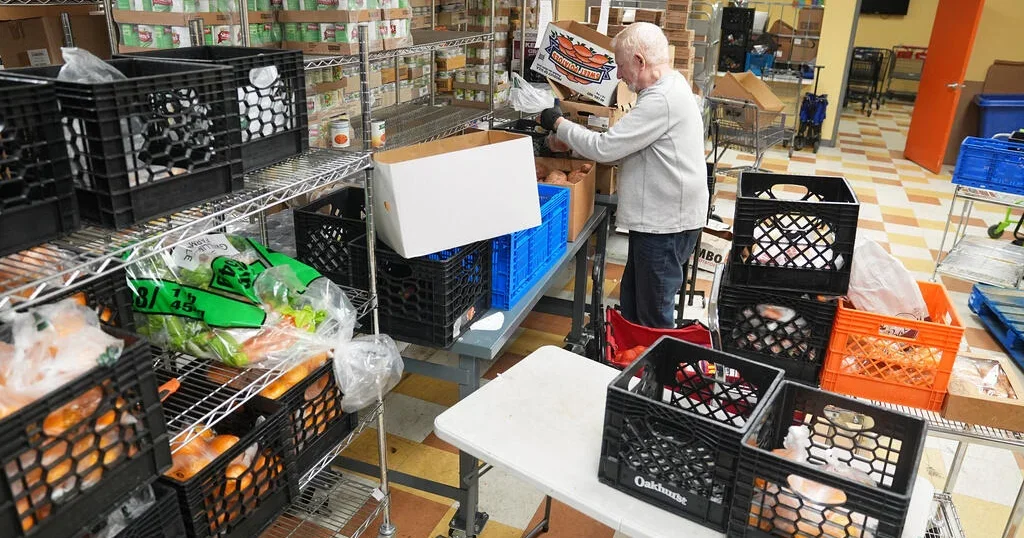
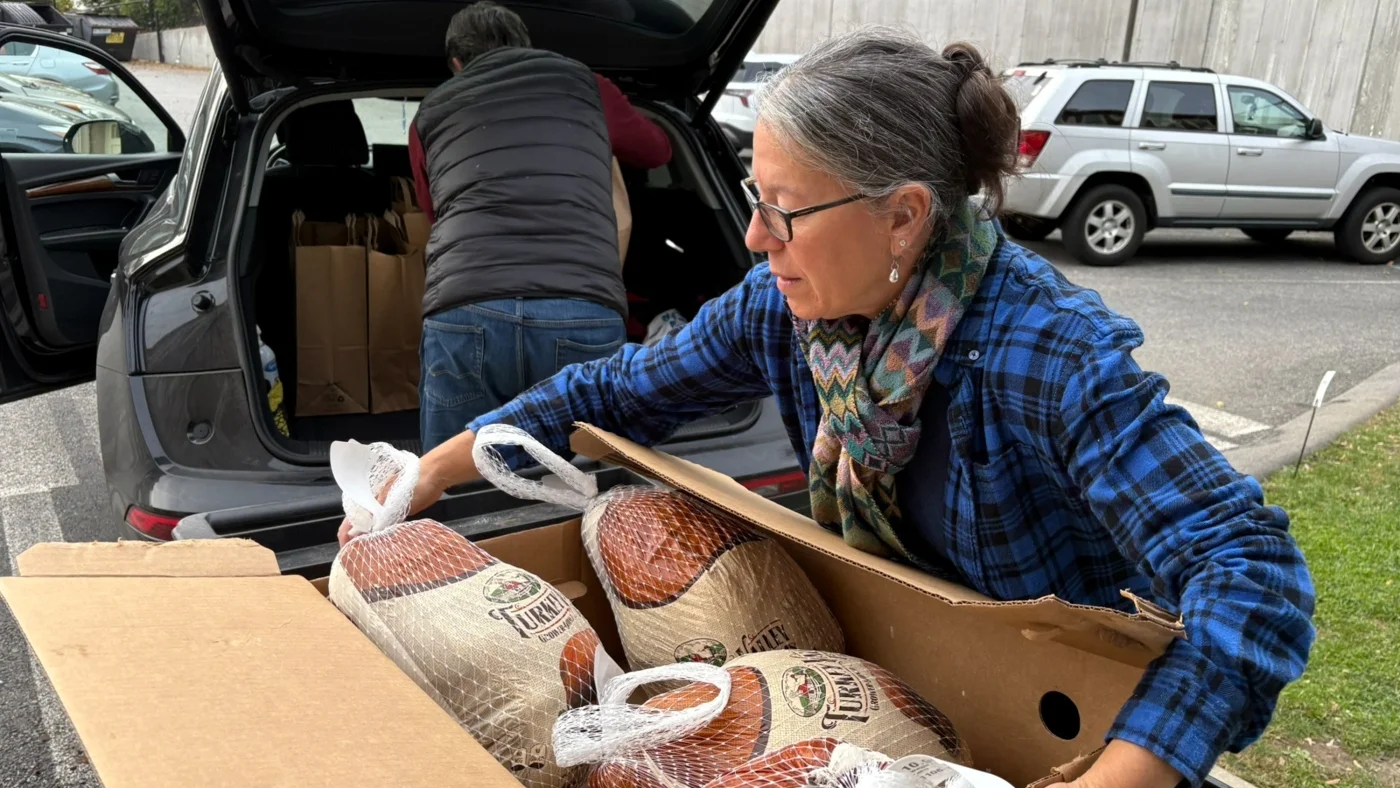
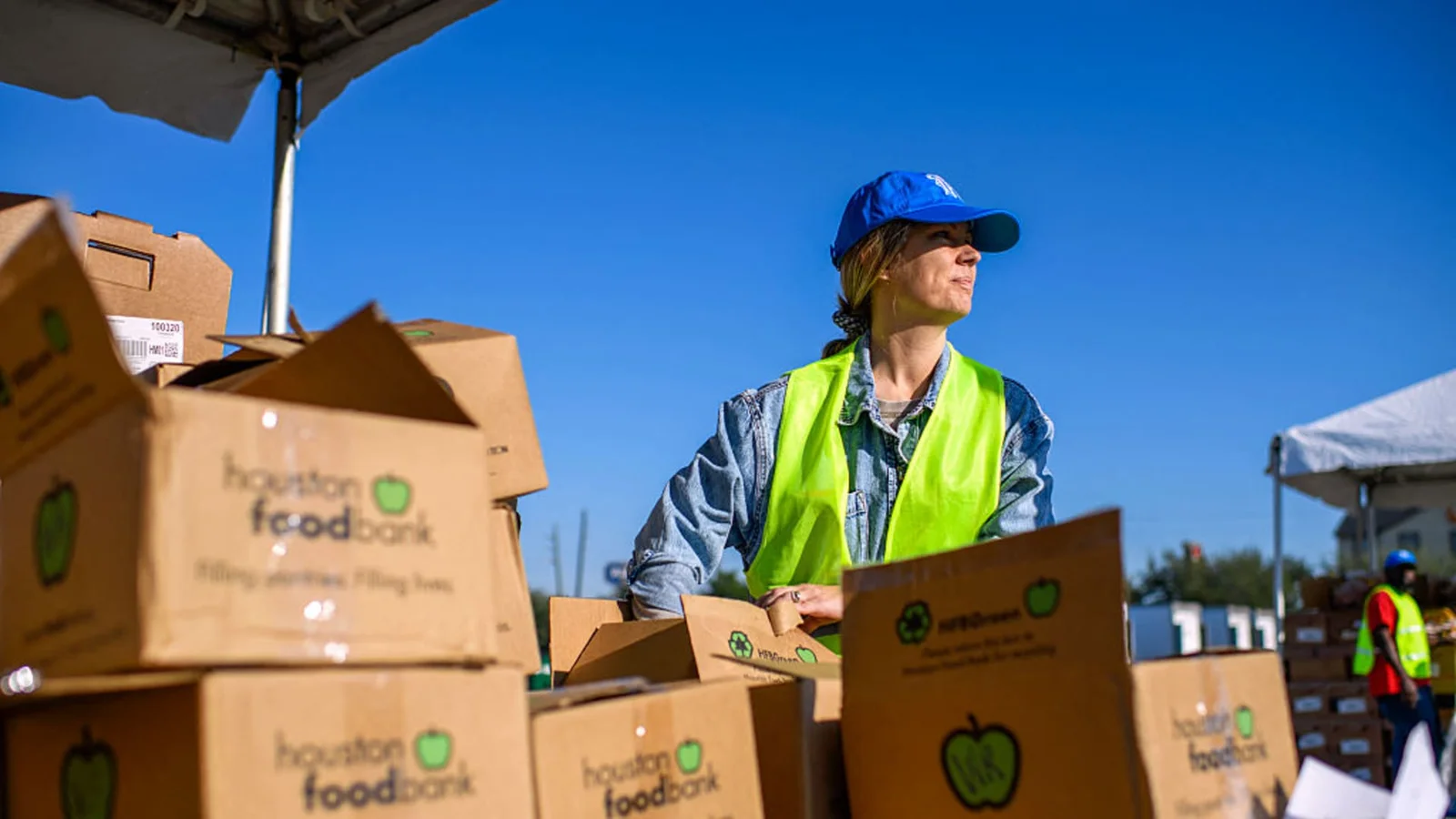
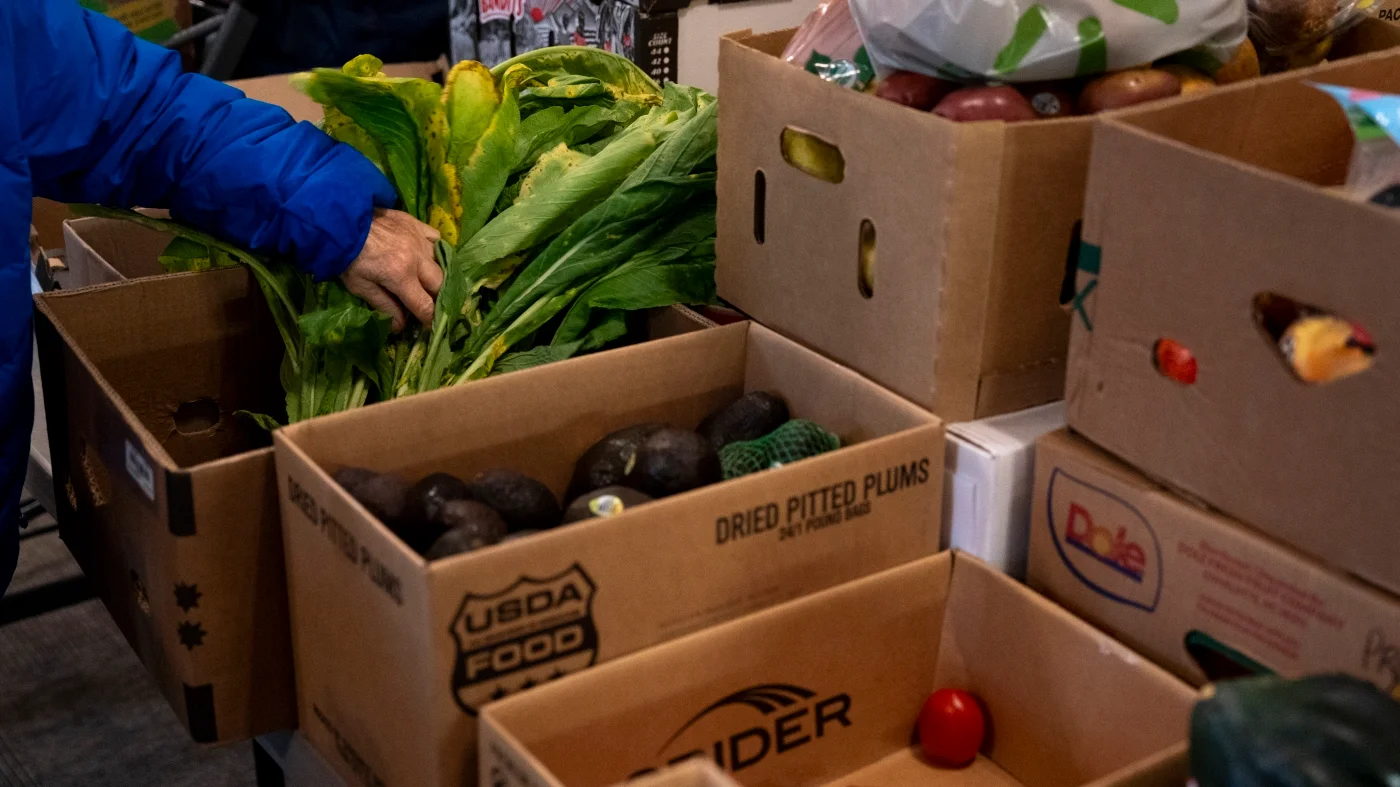
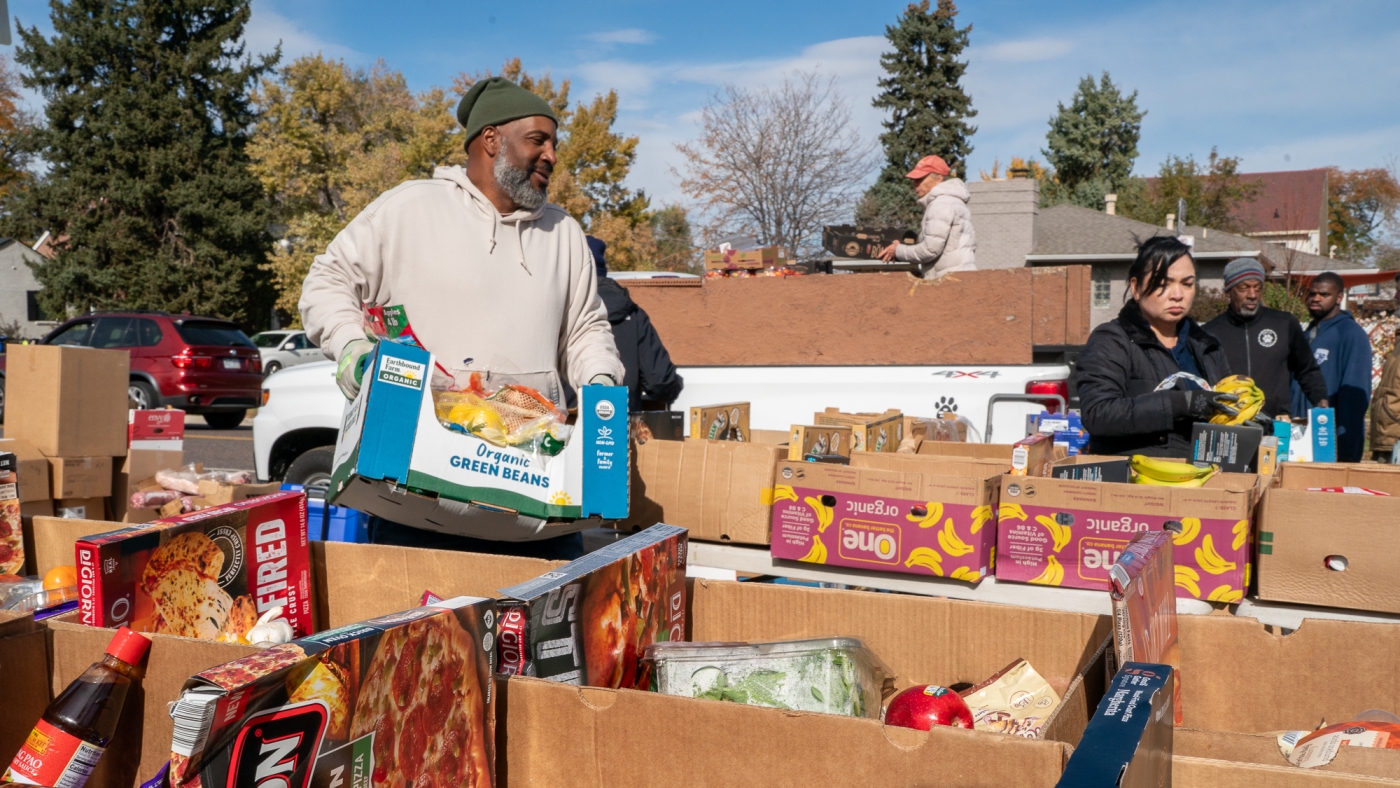
The lapse in SNAP benefits has caused a surge in demand at food banks across the US, leading to shortages, long waits, and increased strain on charitable organizations, highlighting the critical need for government support in addressing food insecurity.
Food banks across the U.S. are in crisis mode due to the government shutdown and SNAP funding cuts, leading to increased demand for food assistance, strained resources, and urgent calls for donations and support as the situation worsens daily.
The article discusses the ongoing uncertainty around SNAP benefit disbursements due to the federal government shutdown, highlighting how different communities and states are responding by setting up emergency measures, supporting food banks, and urging residents to seek alternative resources to mitigate the impact on vulnerable populations.
The Trump administration announced it will restart SNAP benefits at half the usual amount using emergency funds, following court rulings that the freeze on payments was unlawful. The partial funding may lead to logistical challenges and insufficient support for the 42 million Americans relying on the program, with many states and food banks struggling to fill the gap.
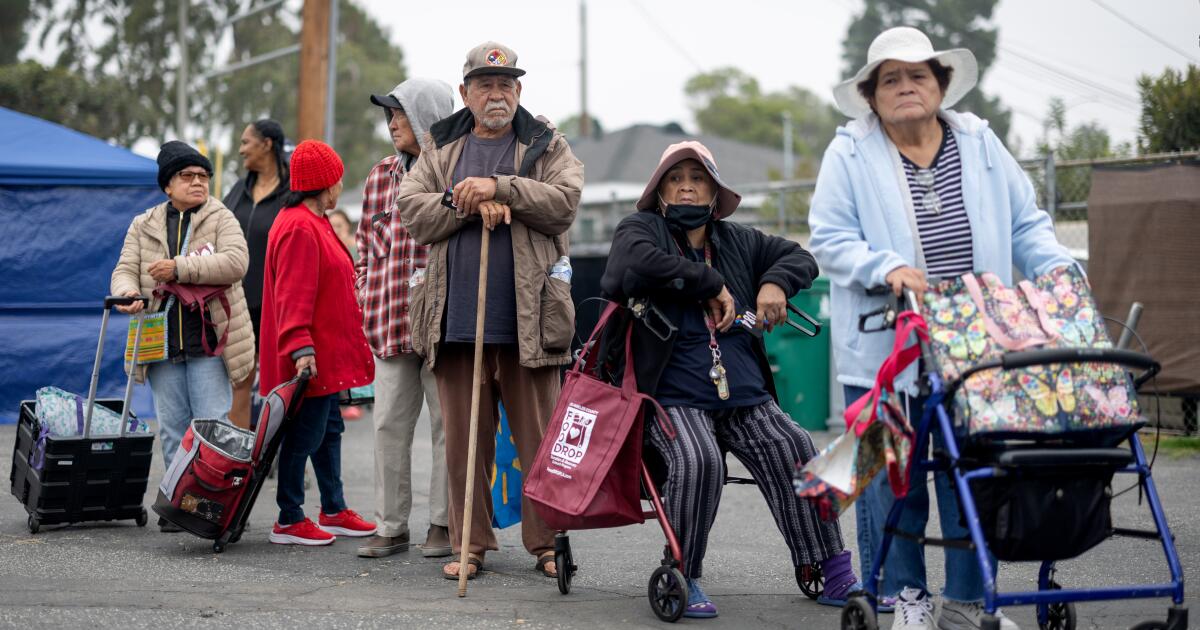
The lapse in federal SNAP benefits due to the government shutdown has led to increased demand at food banks in Southern California, with thousands relying on emergency distributions as officials scramble to resolve funding issues amid legal and political disputes.
Amid the US government shutdown and the impending lapse of Snap benefits, food banks across the country are rushing to stock supplies and prepare for increased demand, as millions of Americans, including federal workers and vulnerable families, face heightened food insecurity. Despite legal efforts to continue benefits, the shutdown threatens to cut off crucial support, prompting states and cities to allocate emergency funds and food banks to increase inventories.
The uncertainty over federal funding has led to a potential lapse in SNAP benefits for over 40 million Americans, prompting warnings from food banks about a looming public health crisis, as ongoing government shutdown and legal disputes hinder the continuation of food aid programs.
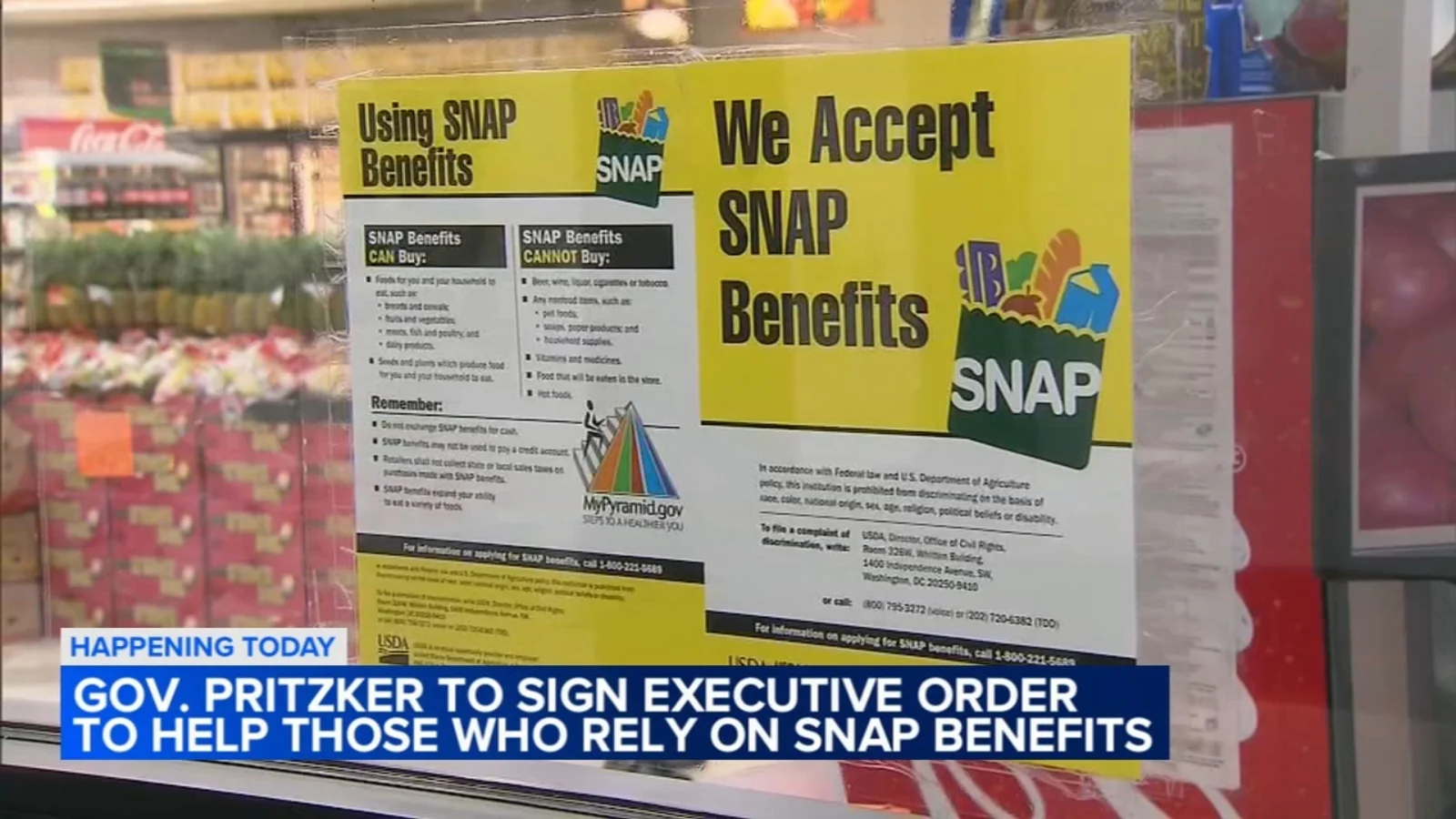
Illinois Governor JB Pritzker is set to sign an executive order to support nearly two million residents relying on SNAP benefits by directing $20 million to food banks, amid concerns that federal shutdown could end SNAP benefits for many starting November 1, and with the state unable to fully fund the program due to high costs.
Food banks are bracing for a surge in demand as the federal government shutdown threatens to cut off SNAP benefits for 42 million Americans, exacerbating an already strained food assistance system amid rising costs and federal benefit cuts.
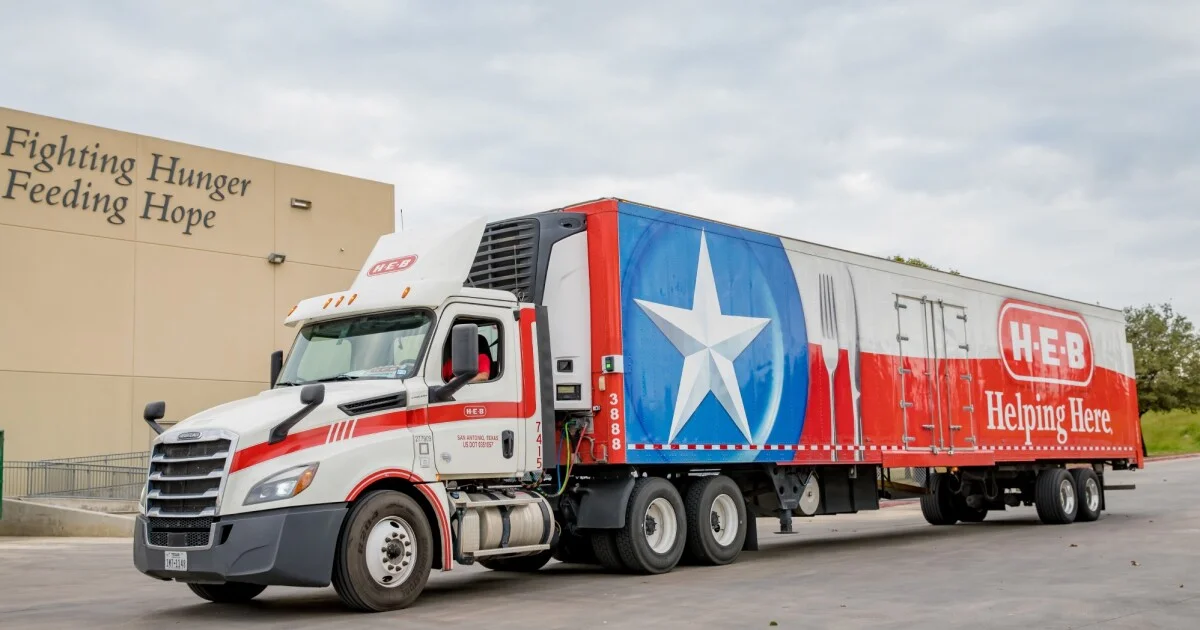
H-E-B commits $6 million to support food banks and Meals on Wheels across Texas, addressing food insecurity among families and seniors, and continues its annual holiday meal program.
Over one million federal employees are working or furloughed without pay due to a government shutdown, leading many to rely on side jobs and food banks to survive, with some experiencing emotional distress over their financial instability.
The ongoing U.S. federal government shutdown threatens to cut off food assistance for 42 million people relying on SNAP, potentially causing widespread hunger and economic instability, with additional risks for pregnant women and new parents due to WIC funding issues.
The article highlights the growing issue of food insecurity in rural America, exemplified by a mobile food bank in Clinton, Missouri, where rising inflation, cuts to government aid, and increased demand have led to more people struggling to access food, with many expressing frustration and calling for political unity to address the crisis.
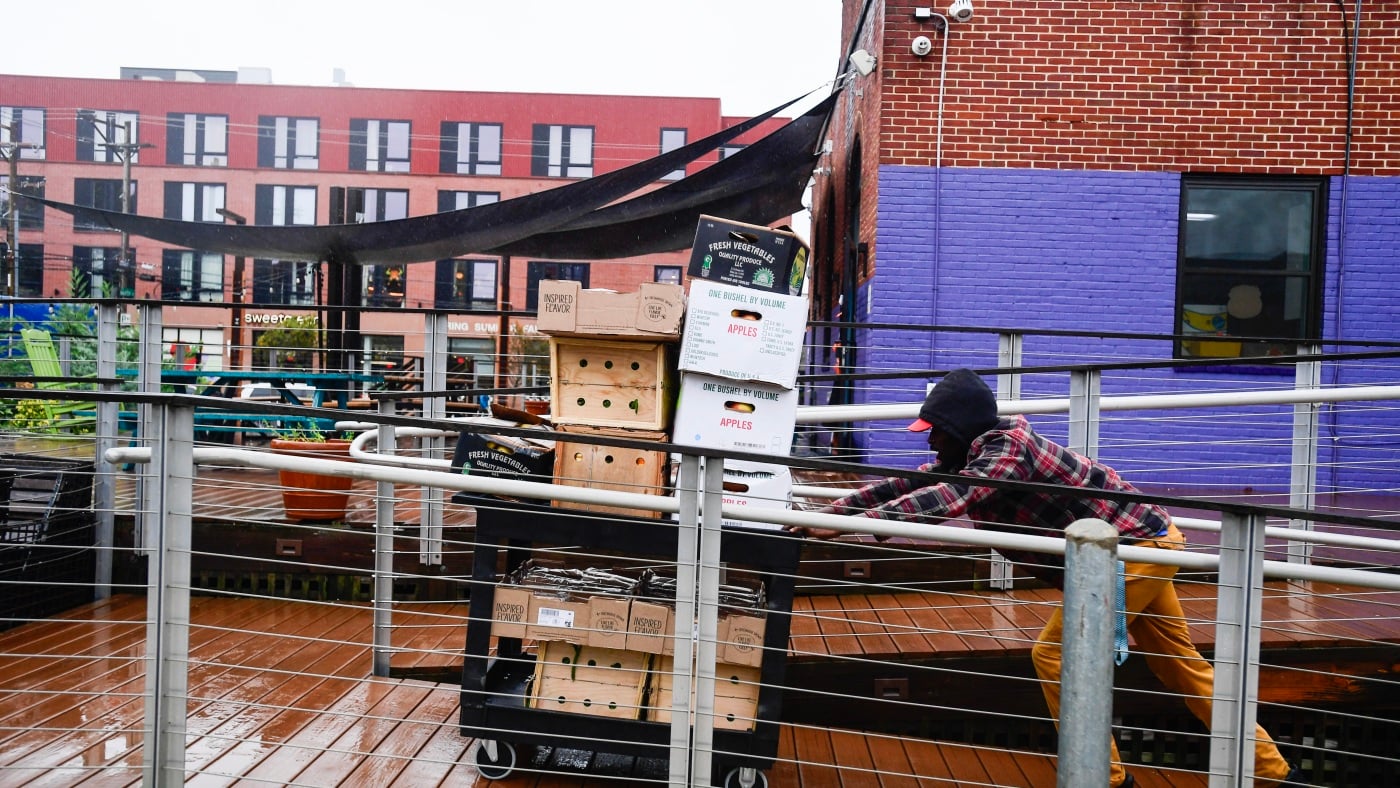
The ongoing government shutdown has led to thousands of federal workers in Maryland relying on local food banks for assistance, with many experiencing financial stress and emotional strain, prompting community organizations to increase food distribution efforts and support for affected families.