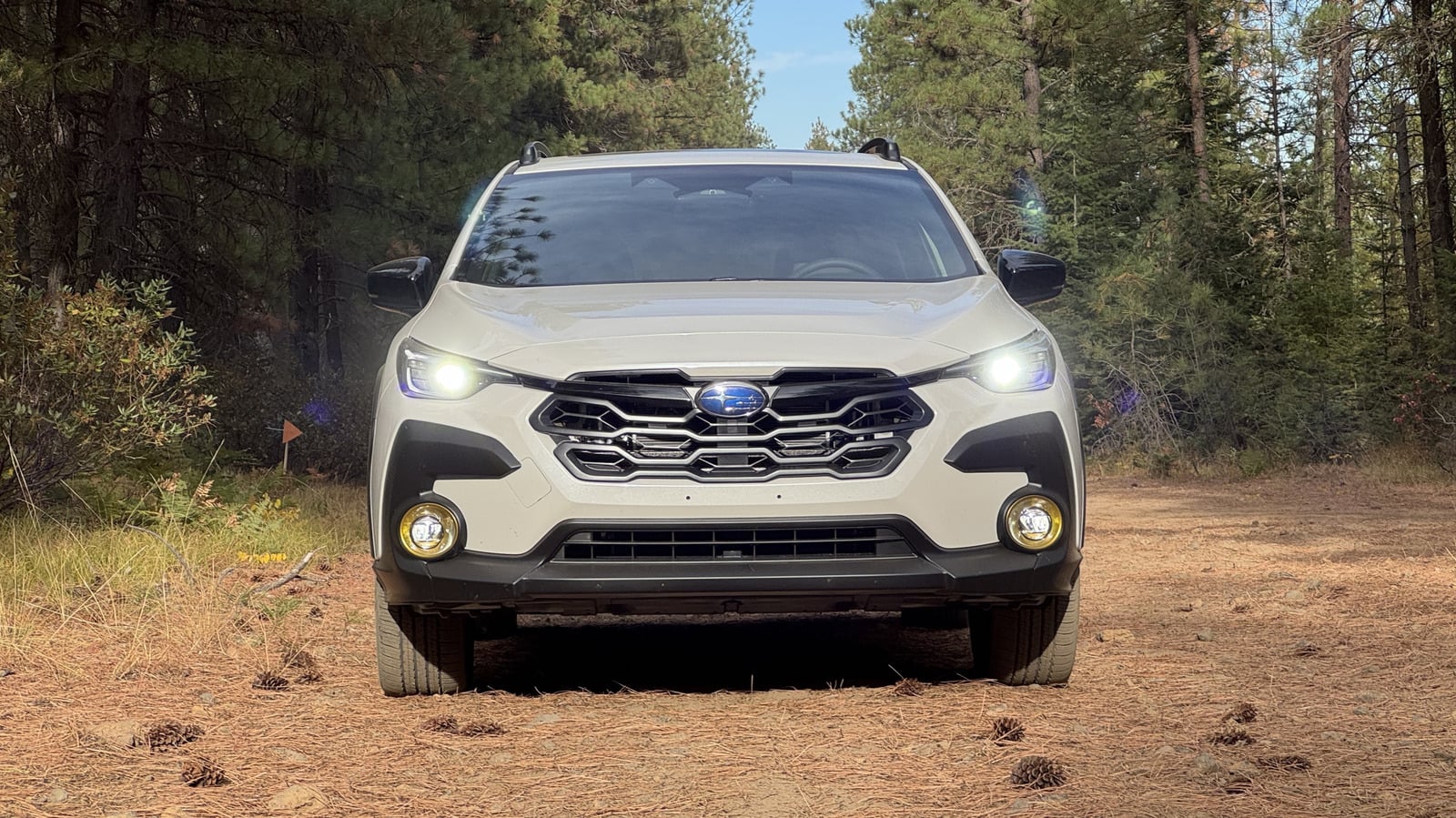
Consumer Reports, using data from Insurify, lists Subaru, Buick, Volvo, GMC, and Mini as the top five cheapest car brands to insure in the US, with Subaru being the most affordable. Insurance costs vary based on multiple factors, including vehicle safety features and personal circumstances, so shopping around is recommended.
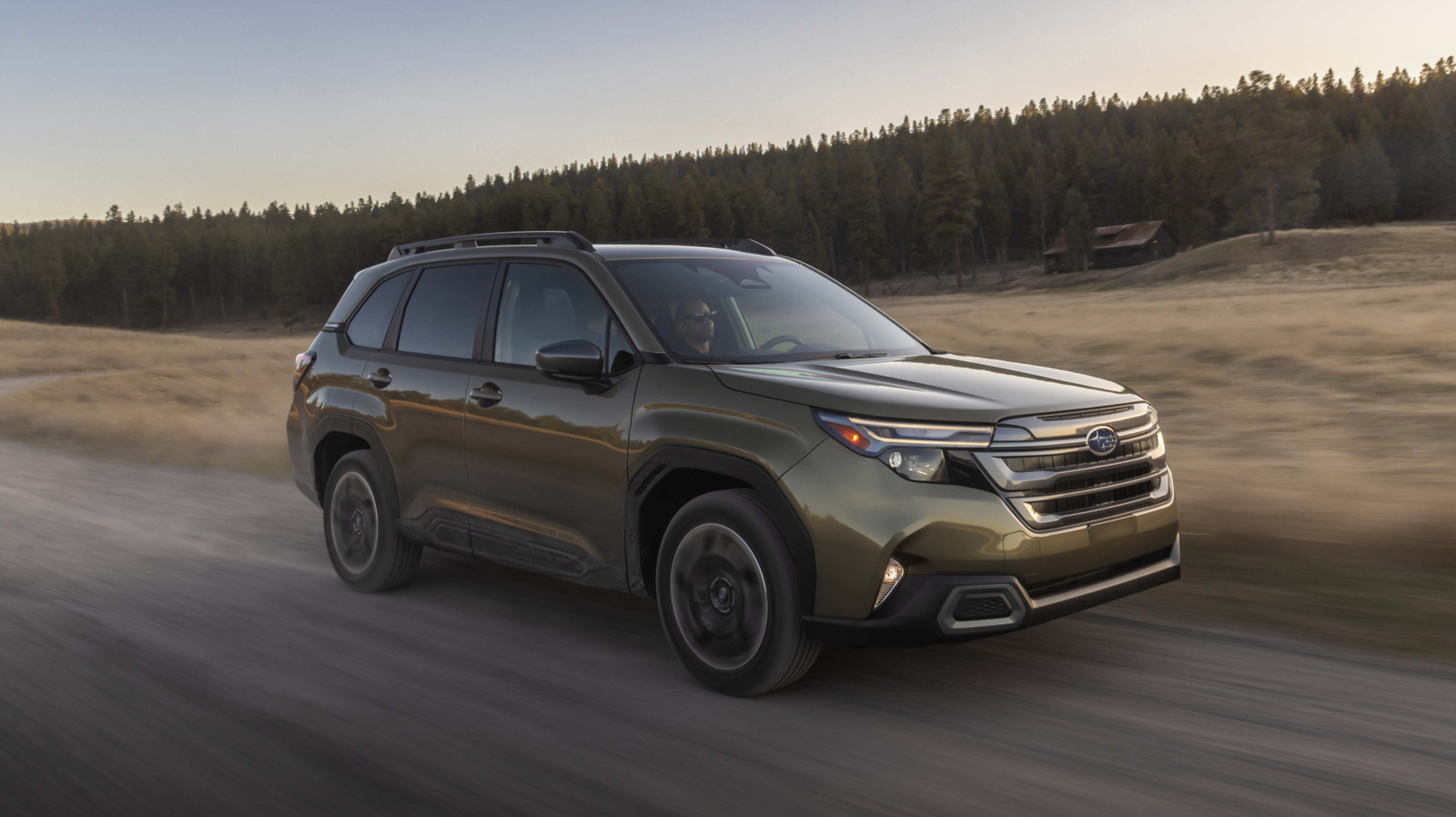
Consumer Reports' analysis shows that the Subaru Forester is the cheapest recommended car to insure, with an average annual premium of $2,184, while the Tesla Model 3 is the most expensive at $4,835, highlighting significant differences in insurance costs among popular vehicles.
Car insurance premiums have risen by 55% since February 2020 due to higher vehicle costs, repairs, and accident expenses, leading many drivers to shop around, cut expenses, or drive uninsured, with some experiencing financial hardship and delaying teenage driving to manage costs.
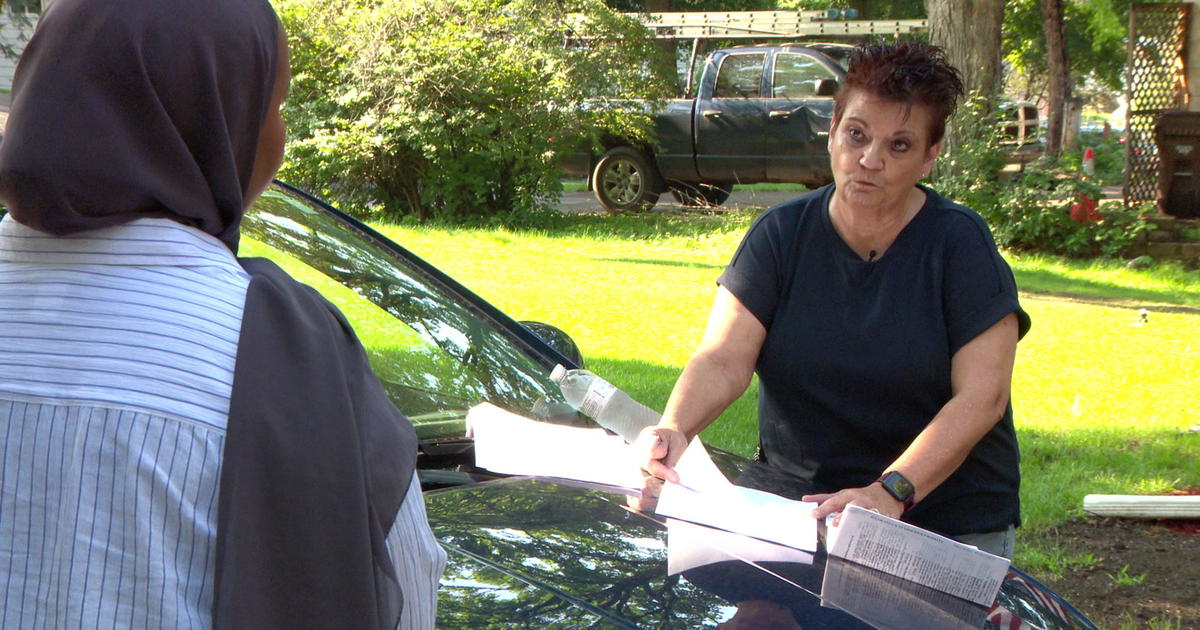
Erin Walters from Maple Grove, Minnesota, was denied car insurance renewal by State Farm due to the high theft rates associated with her 2019 Hyundai Elantra, a problem exacerbated by social media trends. Walters, who has never experienced theft, was advised to install a push-to-start ignition to be insured. She faced similar rejections from Progressive, highlighting a broader issue affecting Hyundai and Kia owners. Walters believes the manufacturer should recall and address the security flaws.
Car insurance costs have risen by 20.6% over the past year due to factors such as expensive repairs, more accidents, and increased auto theft. Experts advise against reducing coverage to save money, as this could lead to financial risk in the event of an accident. To lower costs, drivers can consider raising their deductible, shopping around for better rates, asking about discounts, improving their credit score, and avoiding decreasing their coverage.
The Consumer Price Index data reveals a significant 21% increase in car insurance costs nationwide over the past year, marking the largest surge in nearly 50 years. This spike has contributed to half a percentage point of the overall 3.2% inflation rate. While some individuals remain unaffected, many Americans are grappling with the hefty rise in insurance expenses.
Car insurance rates in the US have surged by almost 21% over the past year, contributing significantly to the overall inflation rate. Factors driving this increase include rising car repair costs due to expensive auto parts and labor shortages, as well as more severe and frequent car accidents leading to higher claims and legal representation. There is significant variation in rate increases across states, with Nevada experiencing the highest jump at 38% and North Carolina the smallest at 5.5%. Experts anticipate a moderation in national trends over the year, but some markets may continue to see rate hikes.
Car insurance rates in the US have surged by almost 21% over the past year, contributing significantly to the overall inflation rate. Factors driving this increase include higher costs for car repairs due to expensive auto parts and labor shortages, as well as a rise in severe and frequent car accidents leading to more costly claims. There is significant variation in rate increases across states, with Nevada experiencing the highest jump at 38% and North Carolina seeing the smallest increase at 5.5%. Experts anticipate a moderation in these trends nationally over the course of the year, but some markets may continue to see rate hikes.
Insurance companies are obtaining personal driving data from car manufacturers to assess the risk of insuring individuals, leading to unexpected premium increases for some drivers. This practice, often hidden in privacy policies and fine print, has raised significant privacy concerns among vehicle owners. While there are claims that the data collection aims to promote safer driving, it appears to primarily serve financial profit. Policymakers and privacy advocates are calling for investigations into these practices, and consumers are advised to take proactive steps to understand and potentially opt out of data collection by their vehicles.
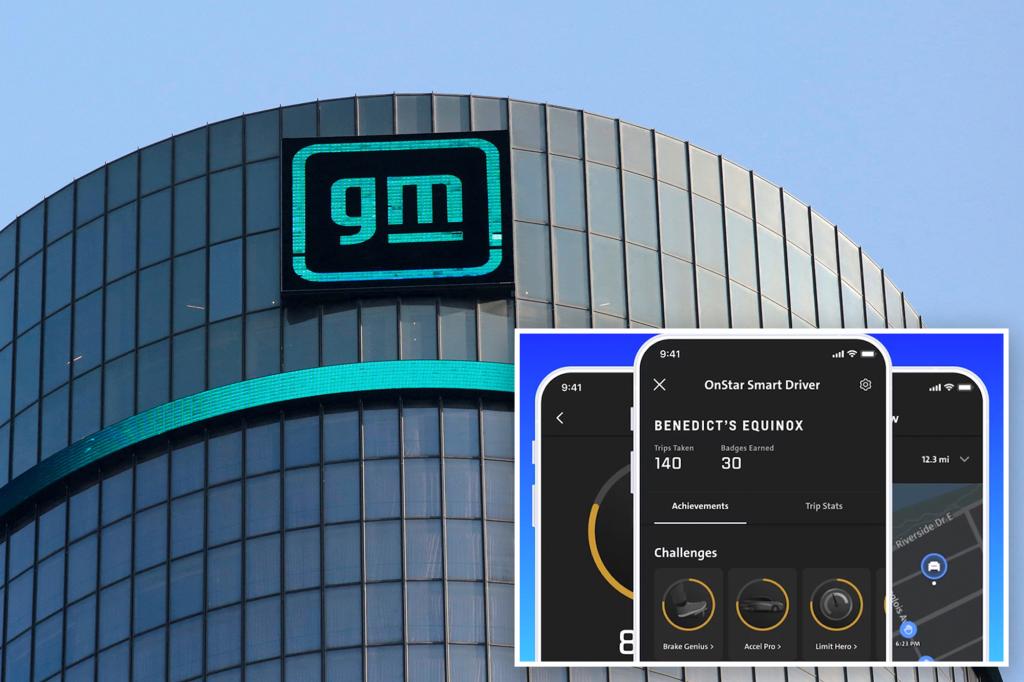
Drivers of cars from manufacturers like General Motors, Ford, and Honda have reported increases in their insurance rates after the companies sent driving behavior data to insurers without their knowledge. The data, collected through systems like GM's OnStar Smart Driver, includes details on driving habits such as speeding, hard braking, and sharp accelerations. This information is then used by insurance companies to assess customer rates, leading to significant cost hikes for some drivers. Concerns about data privacy and consent have been raised, with some drivers considering legal action against the car manufacturers.
Gas prices surged by 12 cents per gallon, reaching an average of $3.27, with Ohio experiencing the largest increase at 30 cents, due to the shutdown of BP-Whiting oil refinery in Indiana. The refinery's closure led to supply shortages, causing prices to rise in affected states. Additionally, car insurance premiums are also on the rise, with rates expected to increase by 7% this year, driven by factors such as climate change and more frequent car accidents.
A new report from Bankrate reveals that car insurance premiums in the US have surged by 26% in 2024, reaching an average of $2,543 annually. This increase means that Americans now spend around 3.41% of their income on car insurance on average. Factors such as population density, driving habits, extreme weather, driving history, vehicle type, and credit history all contribute to the rising costs. Detroit has the highest net average cost of car insurance, while drivers in Seattle spend the lowest percentage of income on car insurance.
The annual cost of auto insurance in the D.C. area has surged by 42%, far exceeding the national average increase of 26%. Factors contributing to this rise include inflation affecting healthcare supplies and car parts, extreme weather, labor costs, and product shortages. Additionally, an increase in fatal crashes and carjackings, particularly in the District, has led to higher premiums. The cost of repairing even minor damages has also risen due to advanced car safety technology, contributing to the overall increase in insurance costs.
Californians are facing a potential 35% increase in car insurance rates as many insurance companies are leaving the state due to regulatory challenges. With only two major insurers remaining, customers are experiencing significant price hikes, with one individual seeing their premium double. The exodus of insurance companies is attributed to Proposition 103, which requires all rate increases above 6.9% to be approved by the California Department of Insurance. As a result, many companies are halting new policy writing or leaving the state altogether, leaving consumers with limited options and higher costs.
New Yorkers pay the highest car insurance premiums in the country, with an average yearly premium of $3,374 for full-coverage car insurance. Other states with high premiums include Nevada, Florida, Delaware, and Louisiana. The average annual premium for full-coverage car insurance across the country is $2,019, with premiums increasing by 7% this year. This comes as the average transaction price for new vehicles dropped by 2.4% from the previous year.