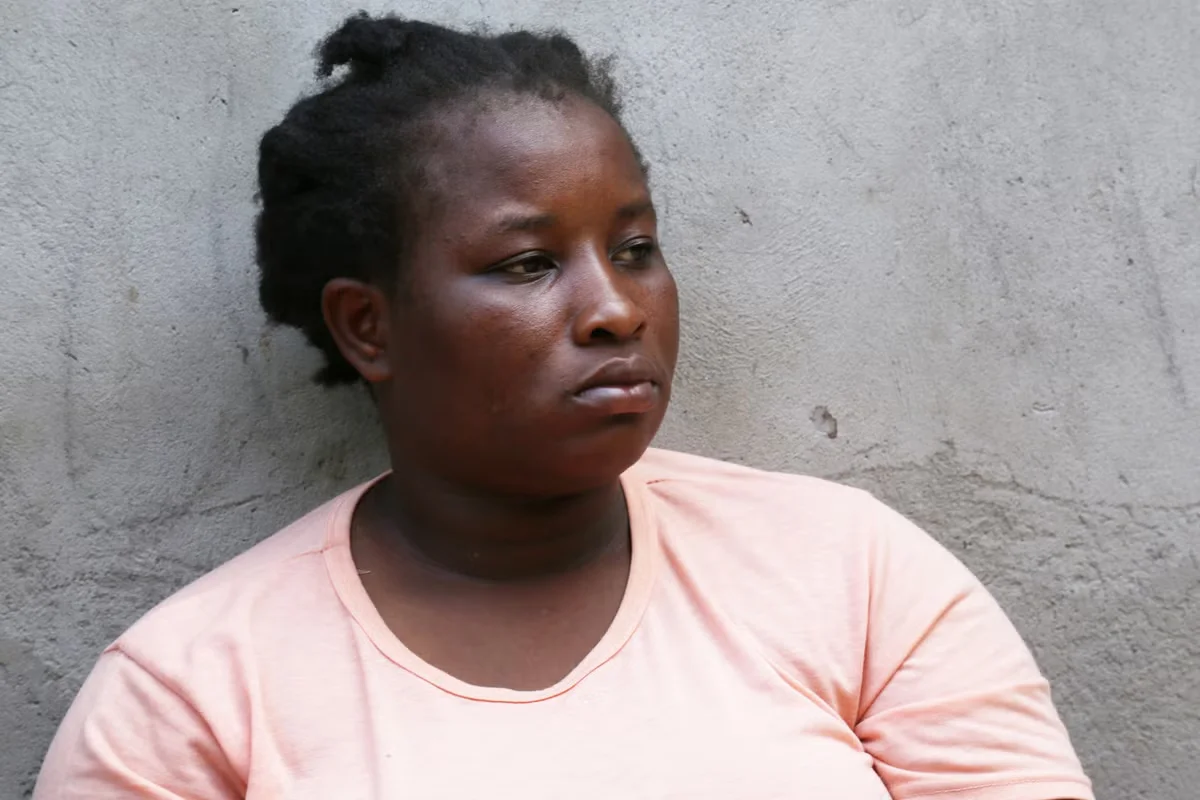
Zambia abortion denial leads to imprisonment in high-security facility
A young woman in Zambia was sent to a maximum-security prison after authorities denied her a legal abortion and she terminated the pregnancy on her own.

All articles tagged with #reproductive rights
A young woman in Zambia was sent to a maximum-security prison after authorities denied her a legal abortion and she terminated the pregnancy on her own.
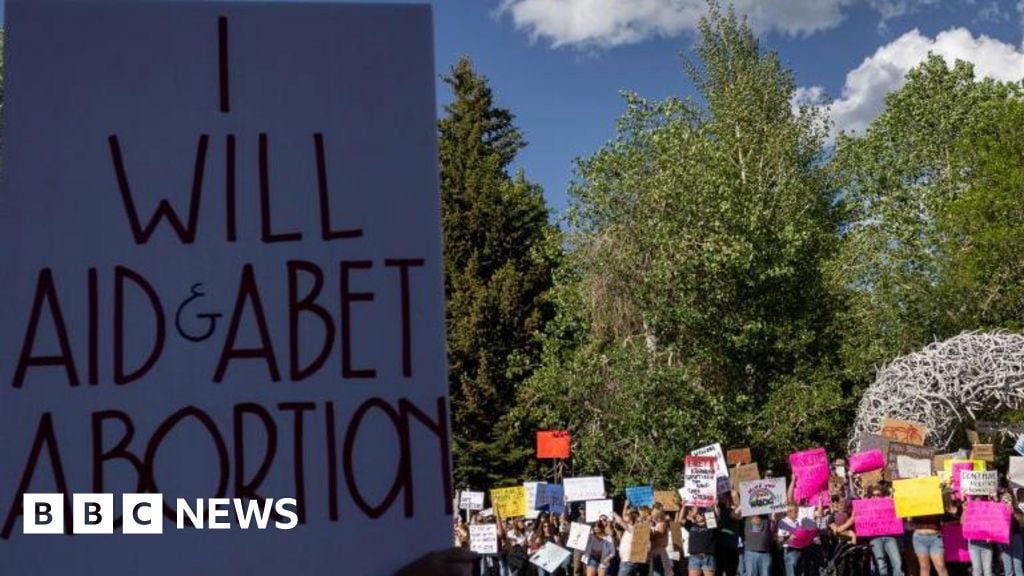
Wyoming's top court has struck down laws that nearly banned abortion, affirming a woman's right to make healthcare decisions, including abortion, citing the state's constitution. The decision invalidates laws banning abortion in most cases and the use of abortion pills, despite opposition from Republican leaders who seek to enshrine bans through a constitutional amendment.
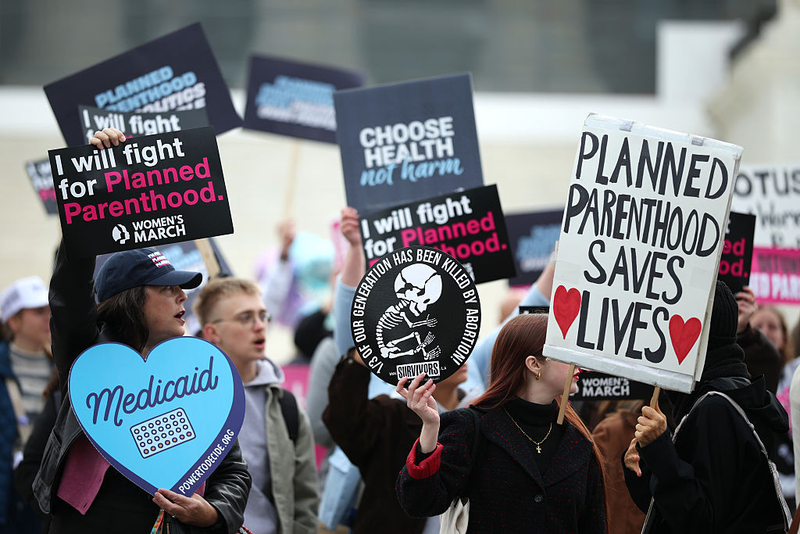
In Ohio, ongoing legislative efforts by both Democrats and Republicans focus on reproductive rights, with Republicans pushing for bills that challenge or limit abortion access despite a 2023 constitutional amendment enshrining reproductive rights, while Democrats aim to protect and expand access through supportive legislation. The political landscape remains contentious, with proposed bills addressing issues from abortion regulations to funding and informed consent.
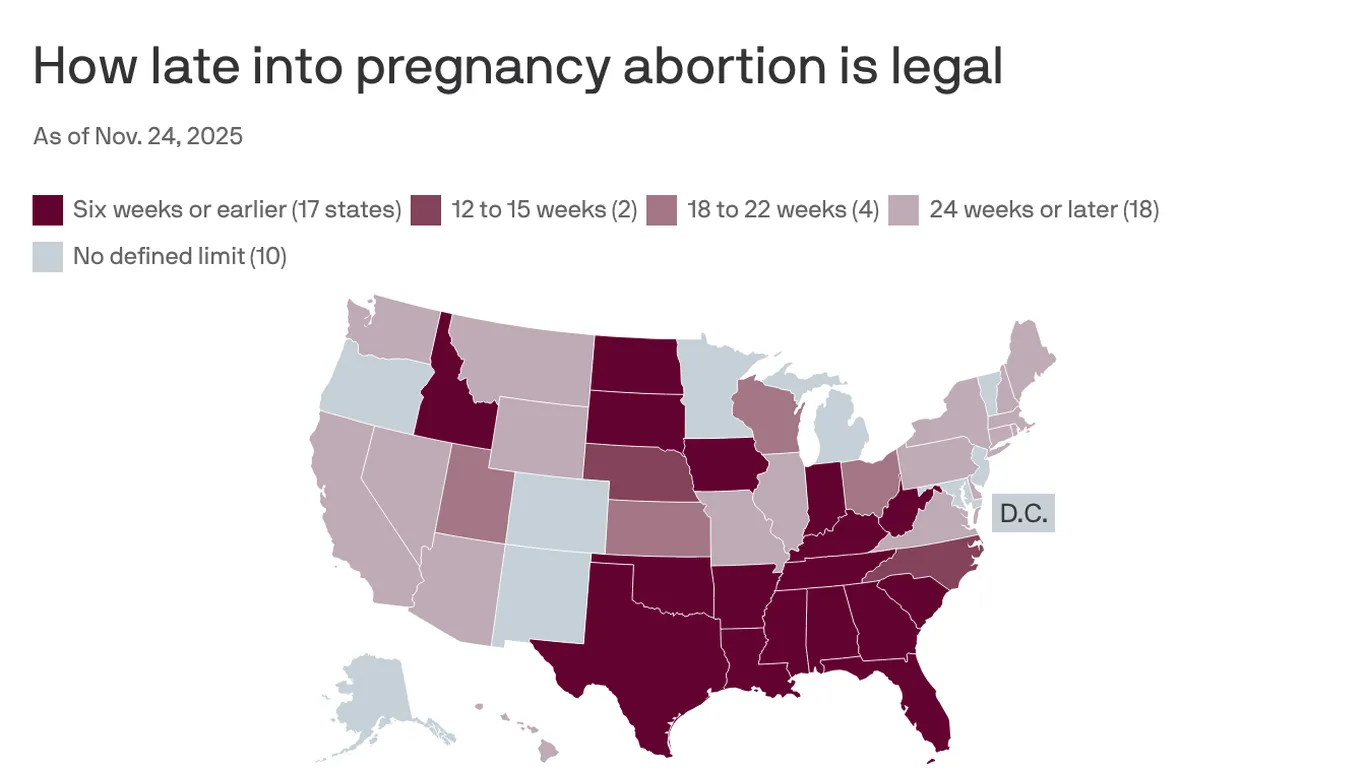
Several key states including Missouri, Nevada, Virginia, Idaho, Oregon, and Nebraska are poised to influence abortion access through upcoming ballot measures in 2026, with debates over constitutional protections, restrictions, and broader reproductive rights amid ongoing legal and political shifts post-Roe v. Wade overturn.
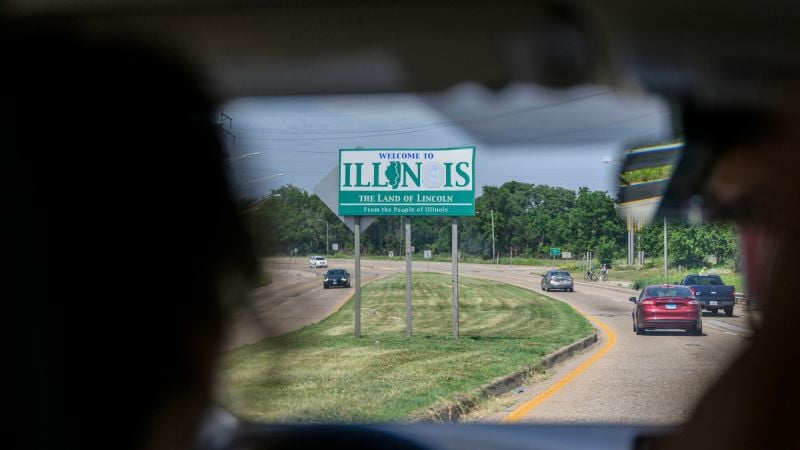
Following the 2024 election, states that voted on abortion rights have seen mixed results, with some expanding access and others facing ongoing legal battles and restrictions, highlighting the ongoing flux in U.S. reproductive law and the potential for further changes in upcoming elections.

The European Parliament voted in favor of establishing an EU fund to expand access to abortion across member states, supporting reproductive rights and healthcare equality, despite political divisions and varying national laws.
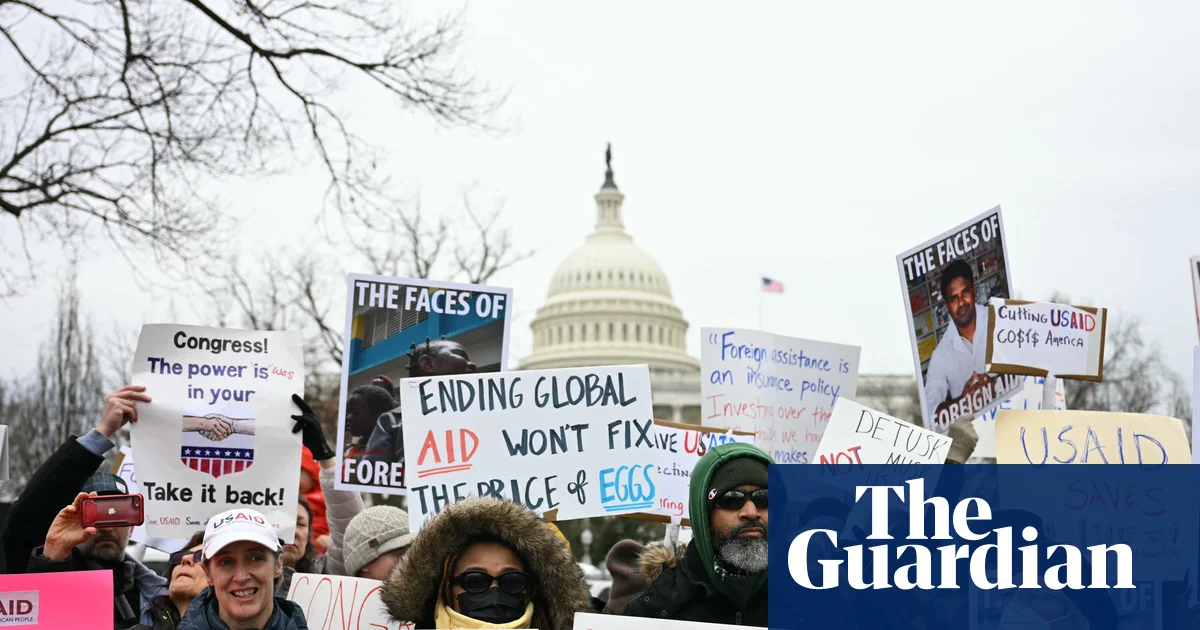
The abrupt US aid cuts through USAID have led to a power vacuum in global health, which anti-rights groups are exploiting by promoting conservative policies and alternative services that threaten reproductive rights and health, especially in developing countries. These efforts include the Geneva Consensus Declaration and the Protego project, aiming to restrict access to abortion and comprehensive sexuality education, potentially increasing maternal mortality and unsafe abortions worldwide.

President Trump’s new IVF policy proposals fall significantly short of his campaign promise to make IVF completely free, disappointing many supporters and failing to address the high costs and accessibility issues associated with fertility treatments.
Nicole Beharie discusses her powerful role as Chris Hunter in 'The Morning Show' season four, revealing her character's traumatic backstory involving loss and performance-enhancing drugs, and emphasizing the show's responsibility to handle sensitive topics like reproductive rights with care and authenticity.
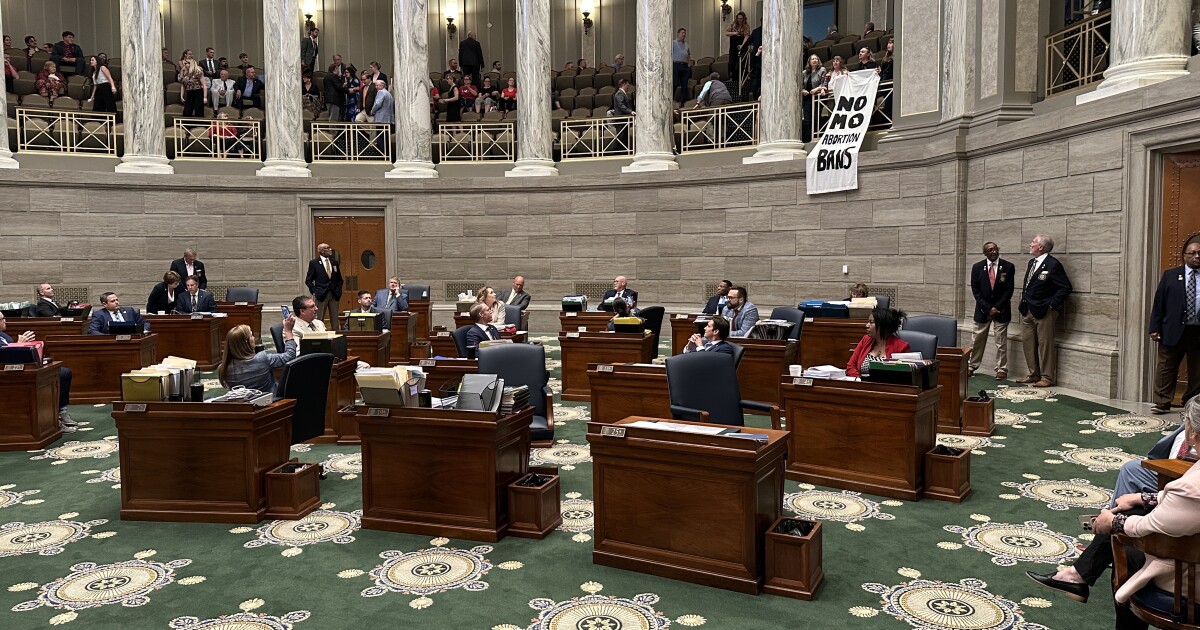
A Missouri judge approved the ballot language for a proposed amendment that would ban most abortions and restrict transgender healthcare for minors, allowing it to appear on the ballot despite criticism from the ACLU that the language is misleading and not fully transparent about the measure's implications.
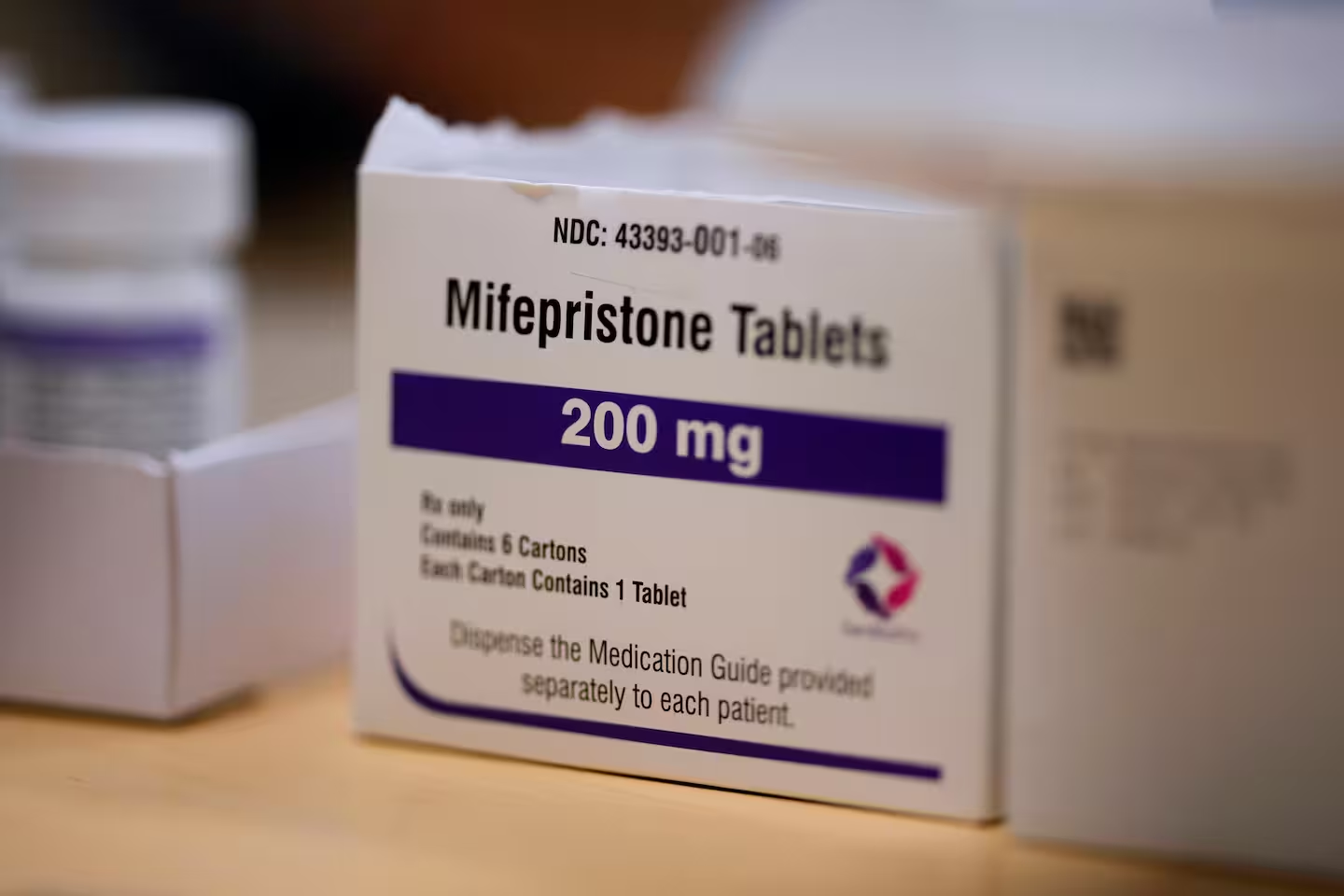
The Trump administration approved a new generic version of the abortion pill mifepristone, sparking outrage among abortion opponents who criticize the administration's handling of drug approvals.
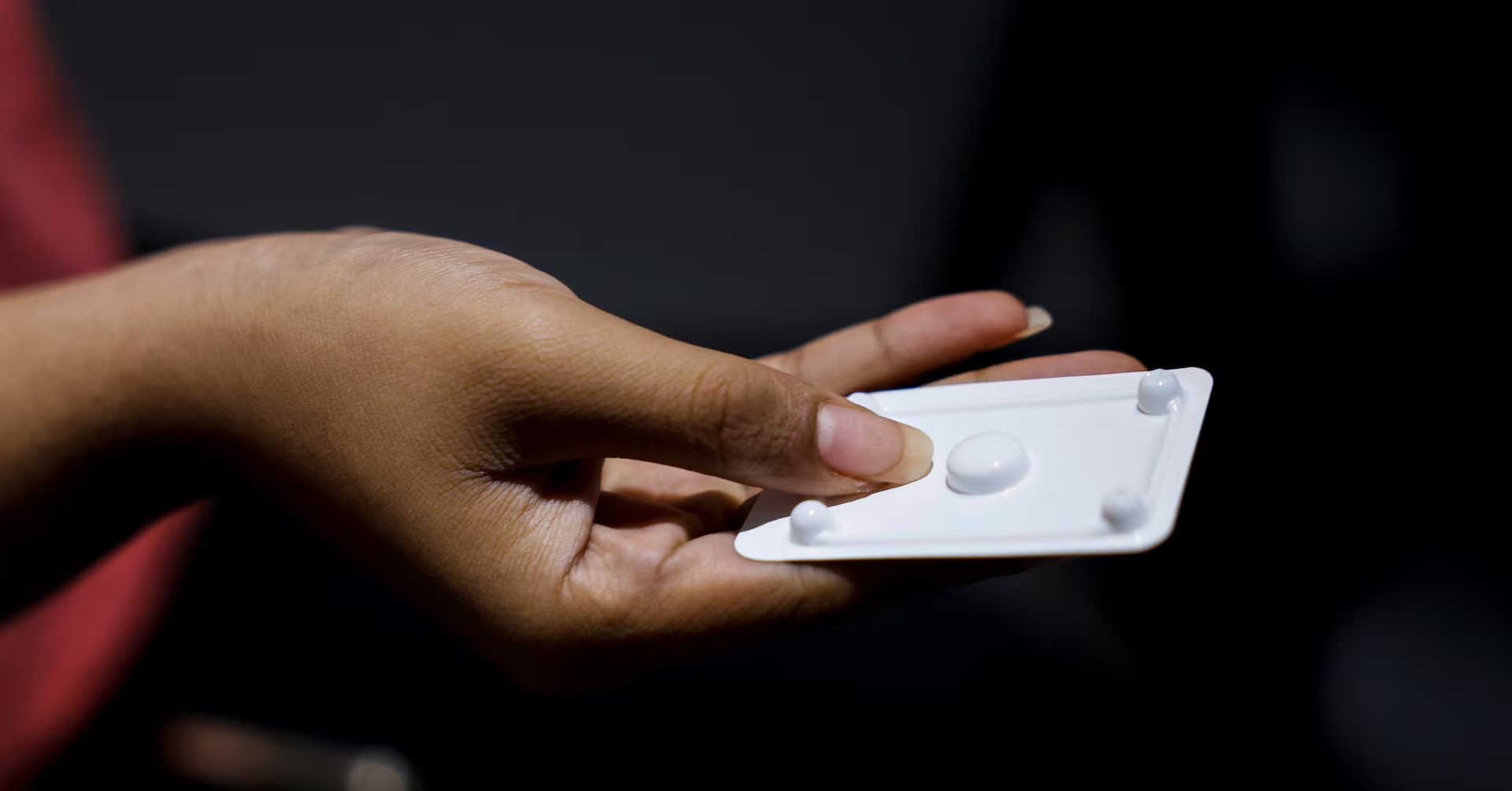
Costco has decided to stop selling the abortion pill mifepristone in all its U.S. stores due to low demand, amid ongoing political and social debates surrounding the medication, which is used for medical abortions and is still dispensed by some other retailers in states where abortion is legal.
The Florida Democratic gubernatorial primary is influenced by the abortion issue, with David Jolly gaining support from reproductive rights advocates who believe he would veto restrictive legislation, though some Democrats remain skeptical about his true stance on abortion and other issues.
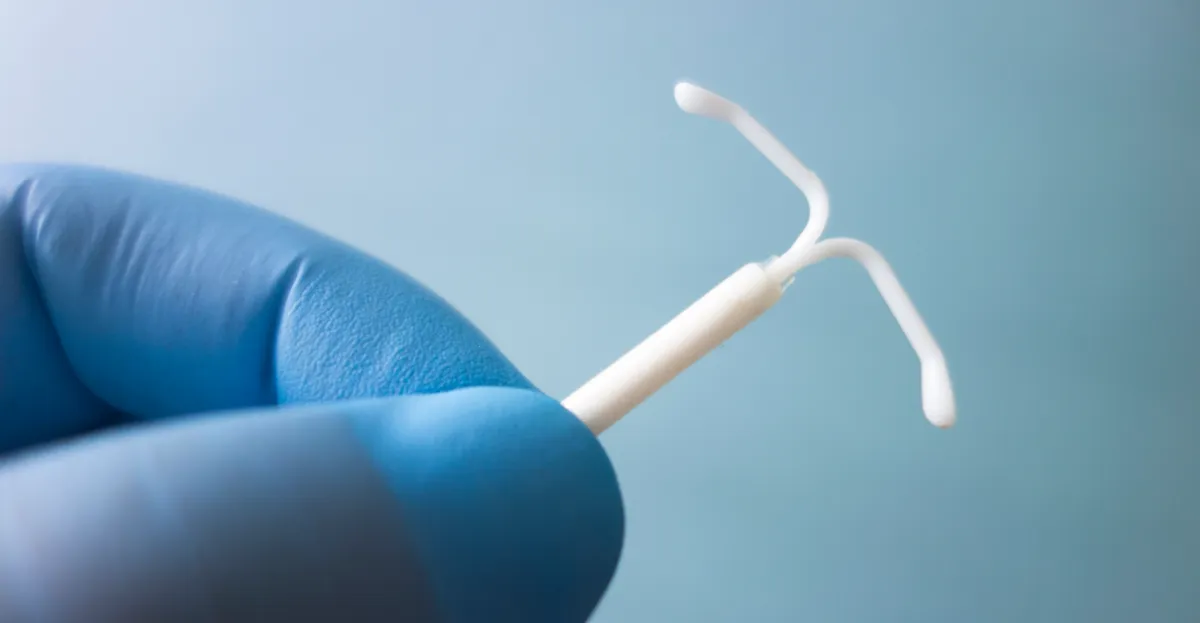
Doctors are increasingly recognizing and addressing the pain associated with IUD insertions, a procedure that has historically been under-discussed and often minimized, by adopting better pain management practices and encouraging patients to advocate for their comfort during the process.
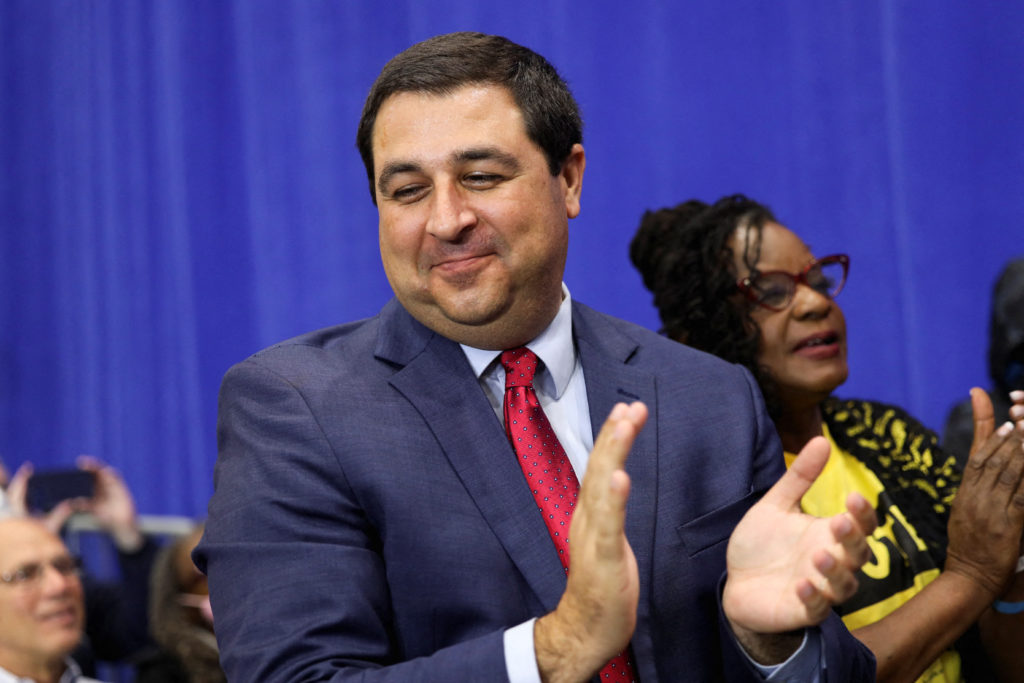
The Wisconsin Supreme Court's liberal majority struck down the state's 176-year-old abortion ban, ruling that it was superseded by more recent laws regulating abortion, thus affirming the legality of abortion in Wisconsin. The decision was influenced by the court's composition and recent legal statutes, with the ruling providing clarity that abortions remain legal in the state.