Following the 2024 election, states that voted on abortion rights have seen mixed results, with some expanding access and others facing ongoing legal battles and restrictions, highlighting the ongoing flux in U.S. reproductive law and the potential for further changes in upcoming elections.
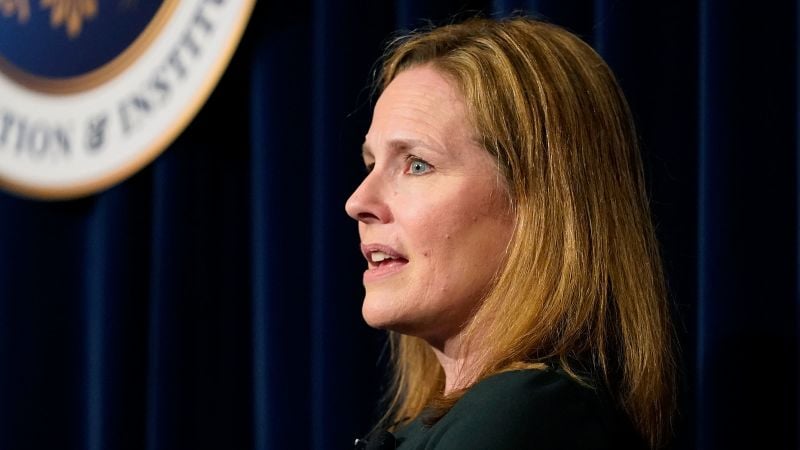
Justice Amy Coney Barrett defends the Supreme Court's decision to overturn Roe v. Wade, describing the 1973 ruling as a historic outlier that went against the will of many Americans, in her new memoir.
Justice Amy Coney Barrett defends her vote to overturn Roe v. Wade in her new memoir, explaining her view that the Court's role is to respect the will of the American people and criticizing Roe as an overreach. She also discusses her decision-making process, her views on religious bias, and the dynamics within the Supreme Court, emphasizing her commitment to the law over personal beliefs.
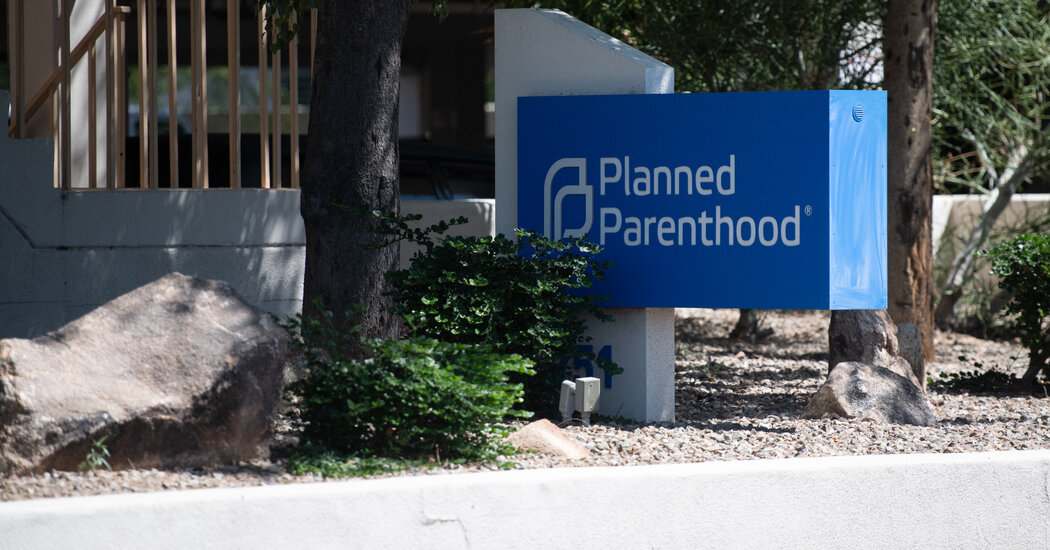
Planned Parenthood received a temporary court order allowing its clinics to continue Medicaid funding for non-abortion services, challenging a new law that restricts federal funding based on abortion advocacy, which they argue violates free speech rights.
Lena Dunham discusses her decision to take a stand on abortion rights during a significant moment, highlighting her activism through her work and public statements.
Rep.-elect Kelly Morrison, a Democrat from Minnesota, won her seat by defeating a Republican in a district that has shifted towards Democrats. A former OB-GYN, Morrison has been active in state legislation supporting abortion rights and aims to continue this work at the federal level, despite a Republican majority. She plans to focus on bipartisan issues like support for new parents and veterans, joining the New Democratic Coalition. Morrison's medical background and moderate stance are central to her political identity.
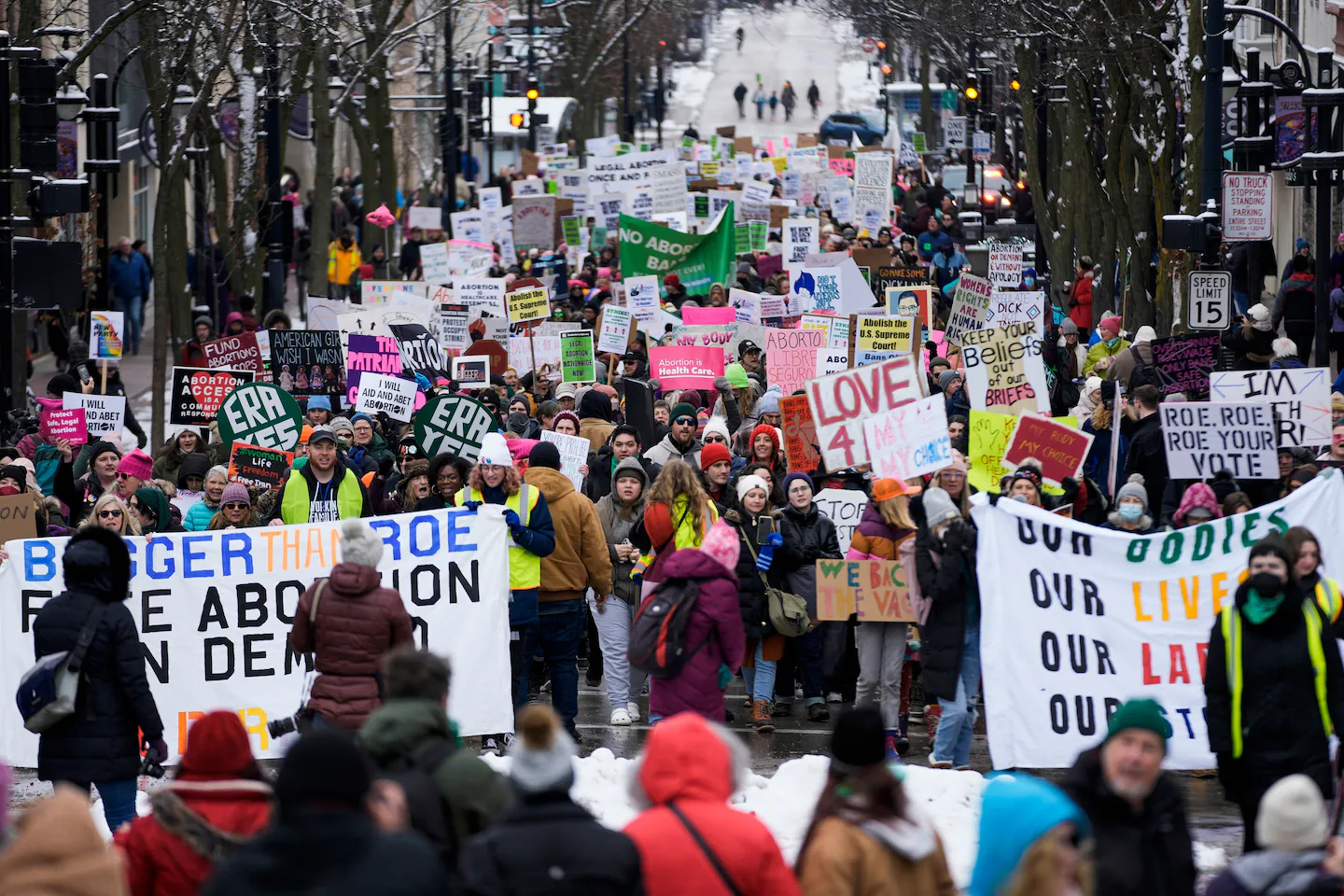
Wisconsin's Supreme Court is hearing a pivotal case on whether an 1849 law banning abortion is enforceable, following the overturning of Roe v. Wade. The court's liberal majority suggests a favorable outcome for abortion rights advocates, with a decision expected in 2025. The case highlights tensions over reproductive rights, with implications for medical professionals and victims of sexual assault. The ruling will determine if the old law, which lacks exceptions for incest or the mother's health, stands against more recent legislation.
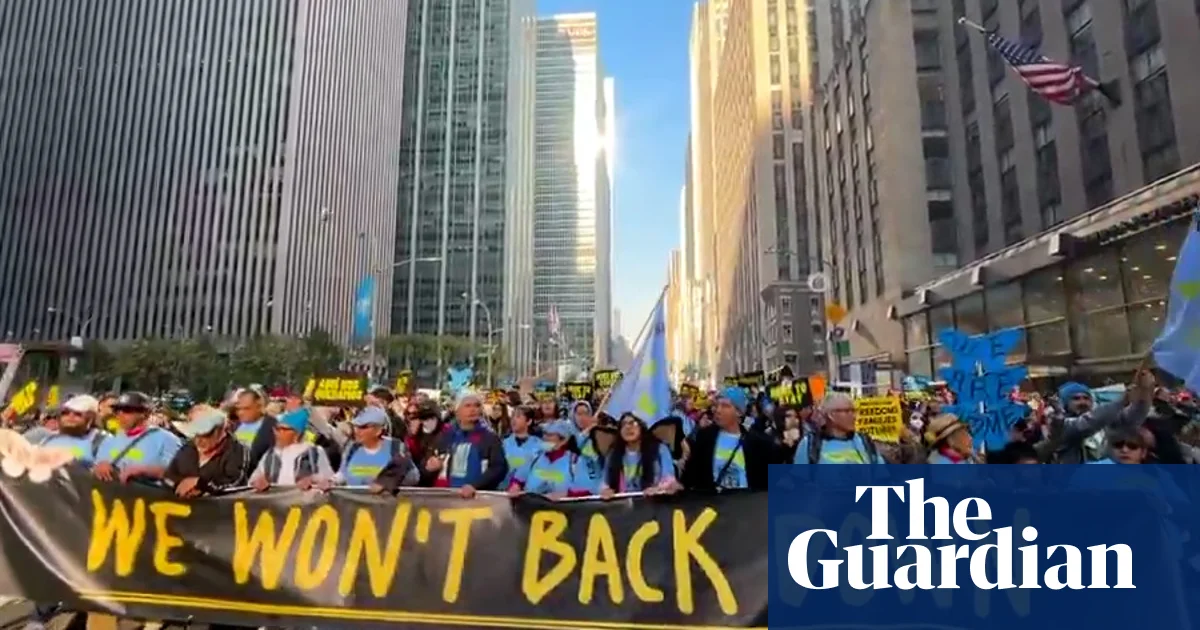
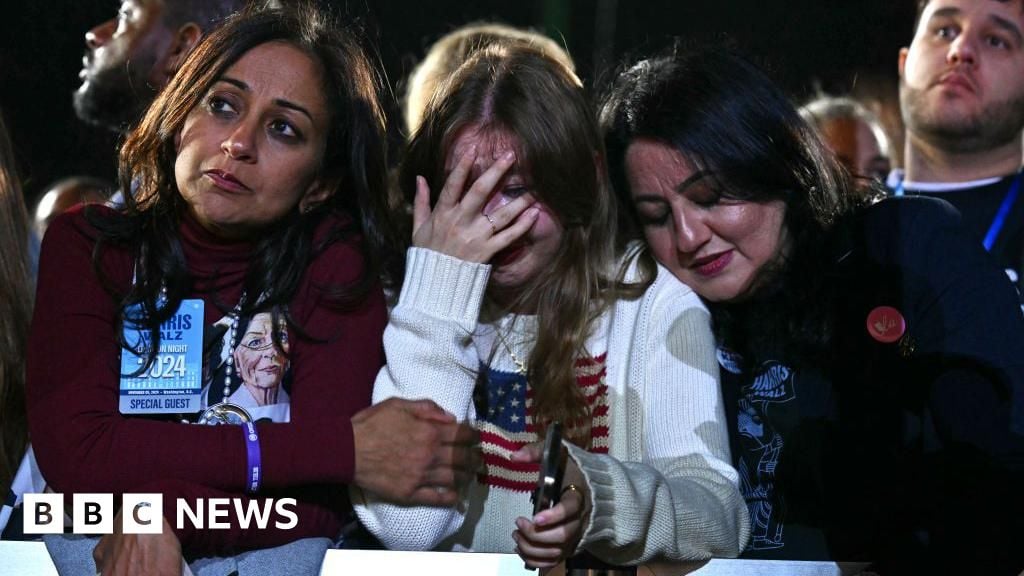
Thousands protested outside Trump Tower in New York and in Washington DC against Donald Trump's re-election and his promise of mass deportations. Concerns were also raised about potential threats to abortion rights following the overturning of Roe v Wade in 2022.
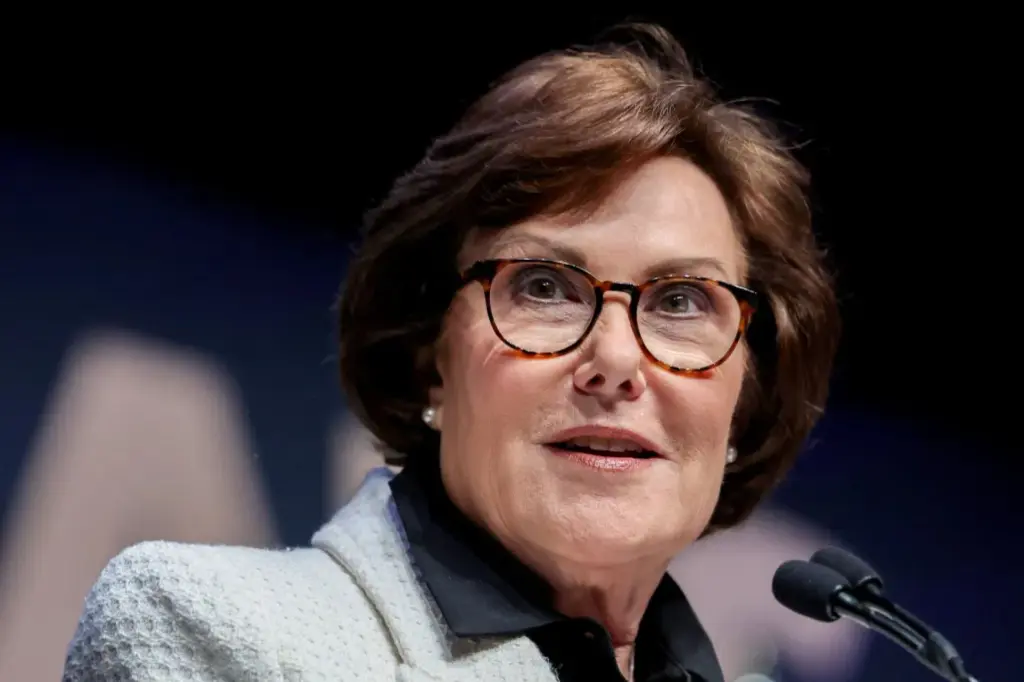
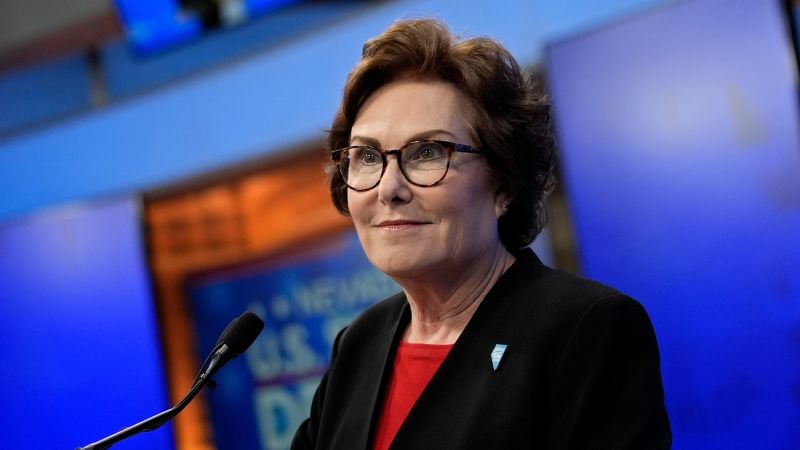
Democratic Senator Jacky Rosen has been re-elected in Nevada, defeating Republican Sam Brown in a closely contested race. Rosen campaigned on abortion rights and her nonideological stance, similar to the strategy used by fellow Nevada Senator Catherine Cortez Masto. Despite Brown's support from Donald Trump and a strong early GOP showing, he was outspent and unable to overcome Rosen's campaign. The race drew less national attention compared to the presidential contest, and all of Nevada's U.S. House incumbents also secured re-election.
A survey by StorageUnits.com reveals that over half of Kamala Harris voters are considering relocating after Donald Trump's victory in the 2024 presidential election. While 44% of respondents would like to move but probably won't, 10% are seriously considering it, with Canada, the UK, and Mexico as top international destinations. Concerns driving this sentiment include potential federal abortion bans, increased racial inequality, and the rollback of progressive rights. Gen Z voters show the highest inclination to move, with financial and familial ties being major factors for those staying.
Democratic Senator Jacky Rosen is projected to win reelection in Nevada, defeating Republican challenger Sam Brown. Despite Donald Trump winning the state, Rosen's victory is part of a broader Democratic success in Senate races. The campaign focused heavily on abortion rights, with Rosen attacking Brown's past support for restrictive abortion measures. Brown, endorsed by Trump, faced challenges including accusations of being a carpetbagger and controversial positions on local issues like Yucca Mountain. Nevada voters also approved a measure to enshrine abortion rights in the state constitution.
President-elect Donald Trump criticized California Governor Gavin Newsom's efforts to shield the state from potential Republican policies, calling Newsom's actions a "tired, old playbook of grievances." Newsom convened a special legislative session to prepare for possible federal actions against abortion rights, environmental protections, and disaster funding. Trump accused California's Democratic leaders of poor policy decisions, while Newsom emphasized the need to defend the state against anticipated federal challenges.
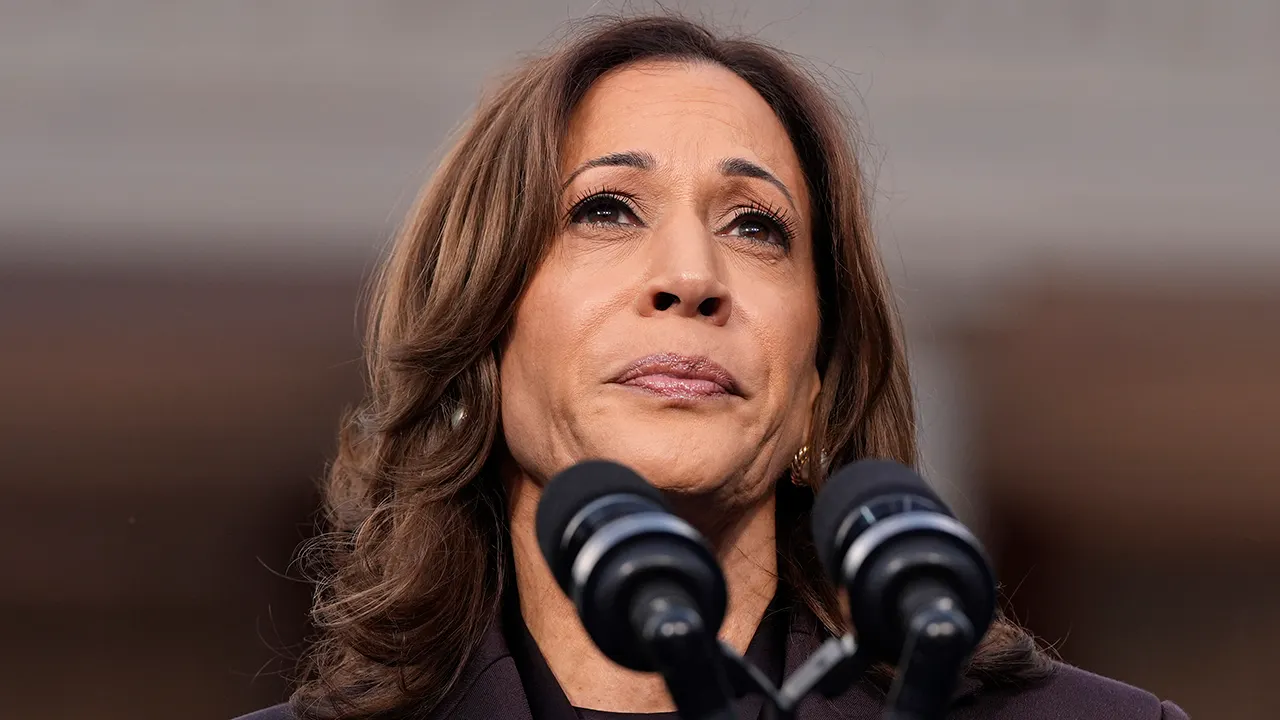
In the recent election, Kamala Harris's campaign strategy to mobilize women voters, particularly on the issue of abortion rights, fell short as women did not turn out in the expected numbers. Despite a focus on reproductive rights, Harris's support among women was less than Joe Biden's in 2020, with significant losses among Latino and non-college educated women. Economic concerns, particularly inflation, were more decisive for many voters, favoring Donald Trump. Analysts suggest that gender dynamics and societal sexism may have also played a role in Harris's defeat.
In Missouri, voters approved progressive measures like protecting abortion rights and raising the minimum wage, while simultaneously electing Republicans who oppose these initiatives. This pattern reflects a complex political landscape where well-funded campaigns for ballot measures succeed despite the state's conservative leanings. The success of these measures is attributed to significant financial backing and the ability to engage voters on specific issues, bypassing the broader political affiliations that often hinder Democratic candidates in the state.
Amendments aimed at protecting abortion rights have been successfully passed in seven out of ten states, reflecting a significant political shift in state-level legislation regarding reproductive rights.