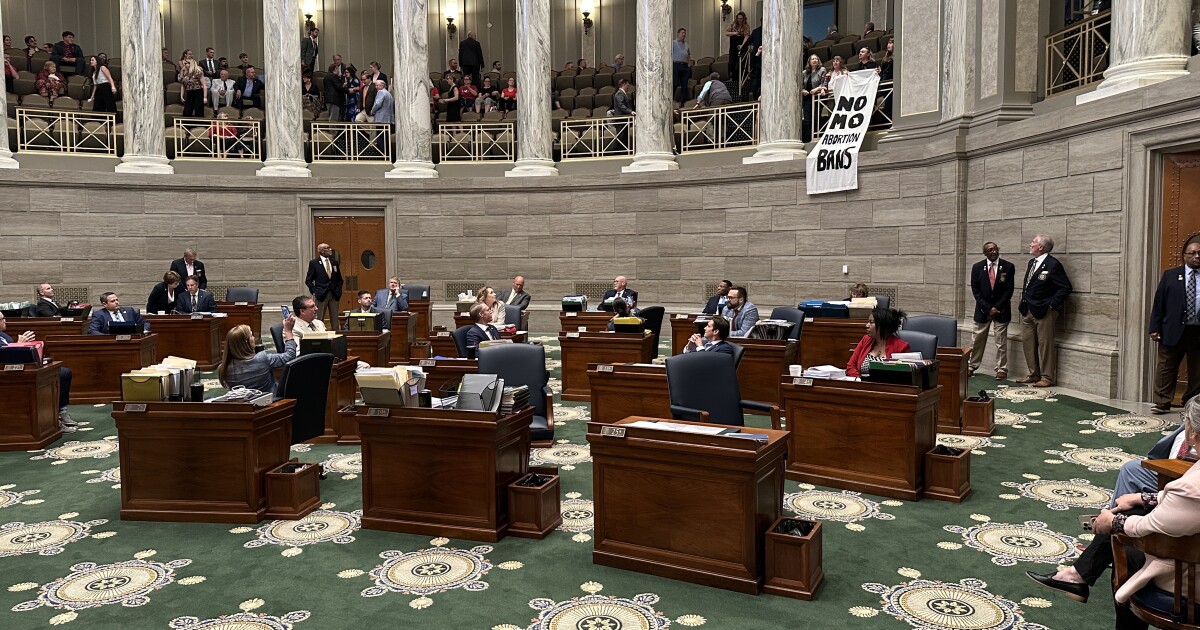
A Missouri judge approved the ballot language for a proposed amendment that would ban most abortions and restrict transgender healthcare for minors, allowing it to appear on the ballot despite criticism from the ACLU that the language is misleading and not fully transparent about the measure's implications.
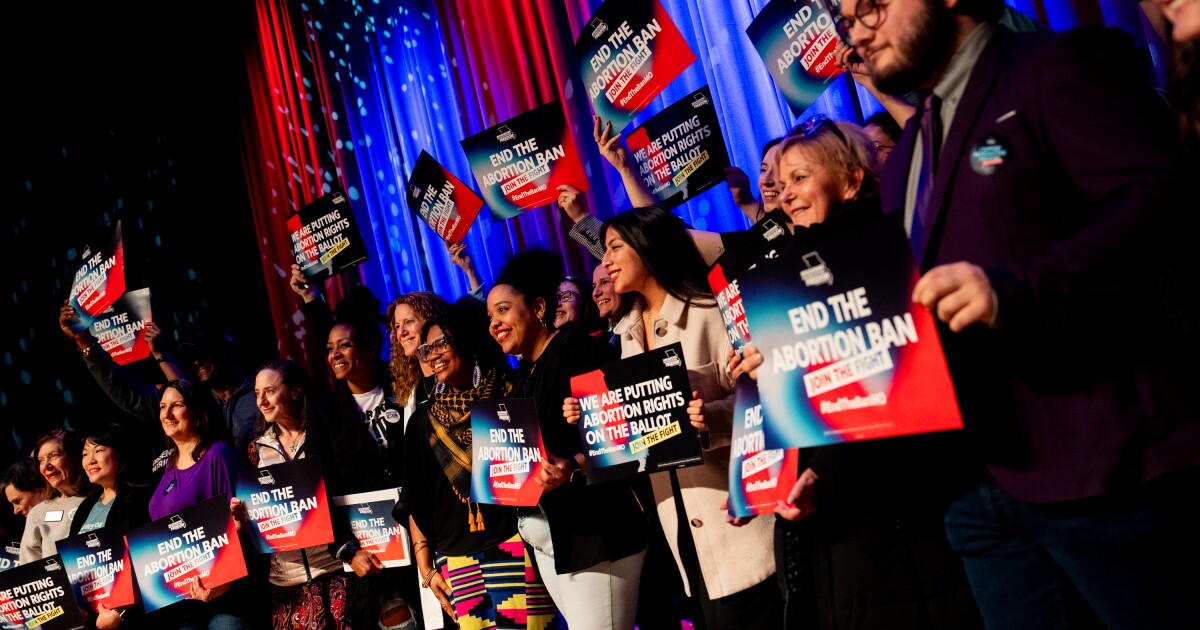
The Missouri Supreme Court has temporarily reinstated the state's near-total abortion ban by ordering a judge to lift previous rulings that had halted its enforcement, following legal challenges and amendments to the state constitution.
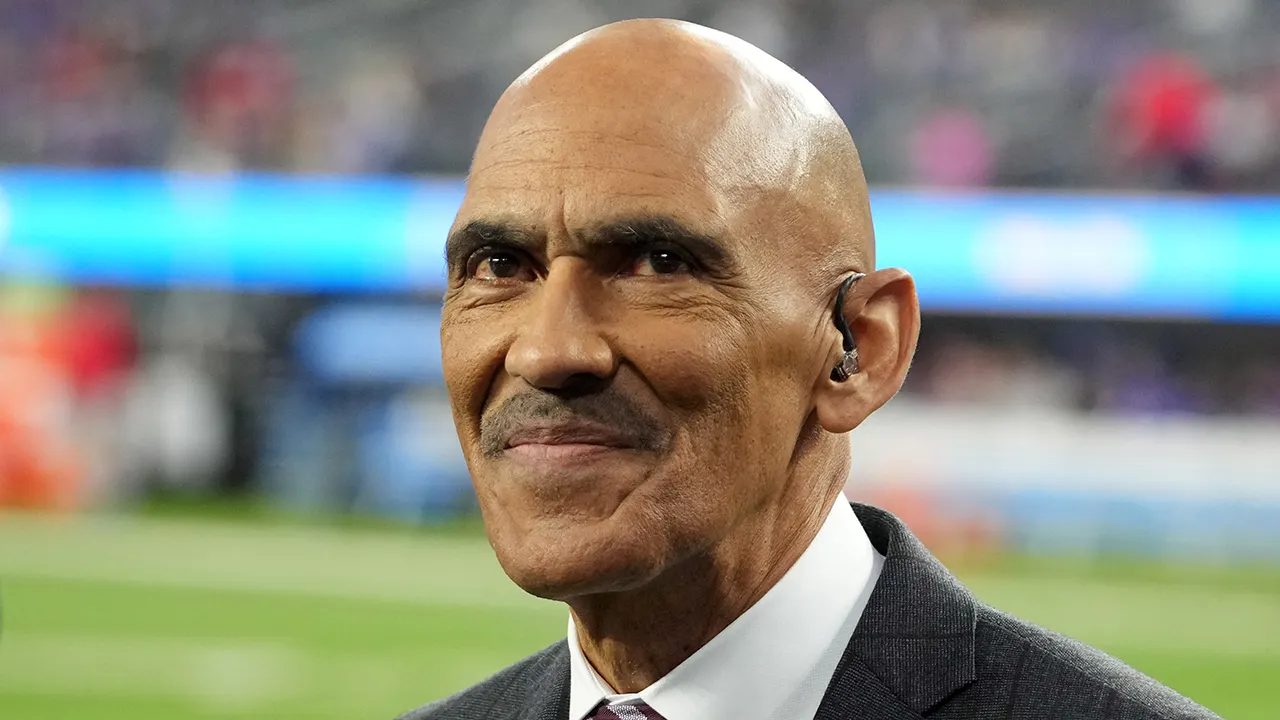
Super Bowl-winning coach Tony Dungy expressed satisfaction after a Florida abortion amendment failed to pass, as it did not achieve the required 60% supermajority. Dungy, who opposed the amendment, praised voters for maintaining restrictions, emphasizing that exceptions for rape and incest remain. The amendment aimed to protect abortion access before viability or when necessary for the patient's health. Florida's current six-week abortion ban remains contentious, with the state being one of nine with abortion-related measures on the ballot. Dungy also noted the failure of Amendment 3, which sought to legalize marijuana.
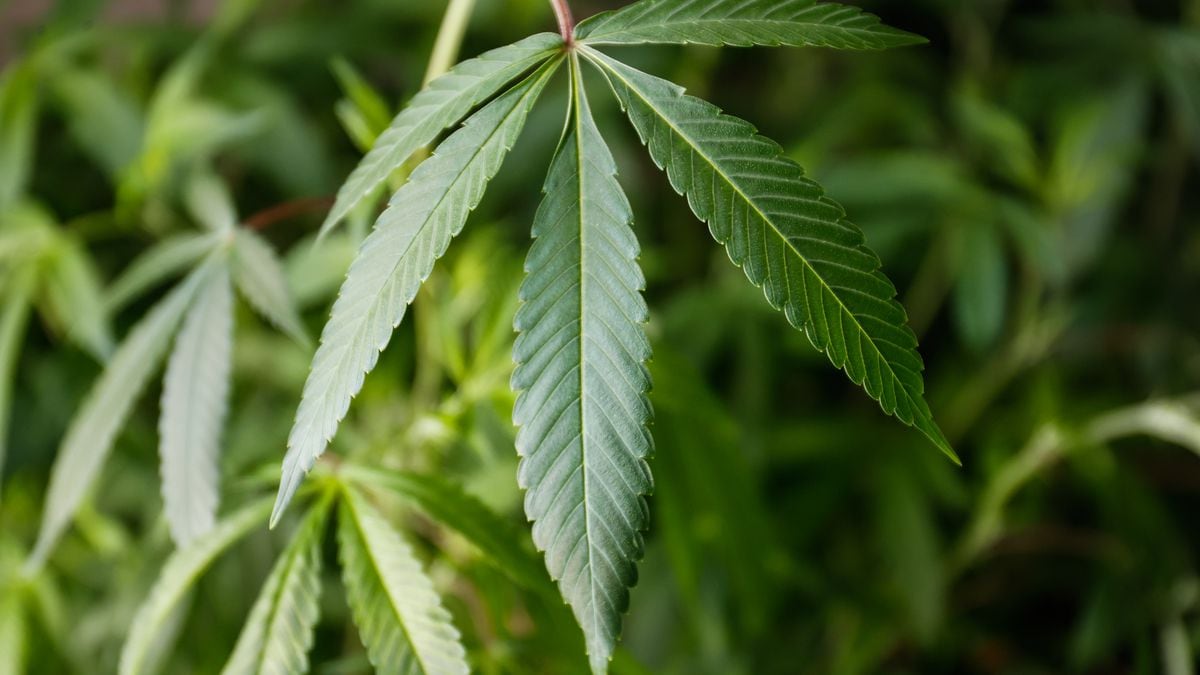
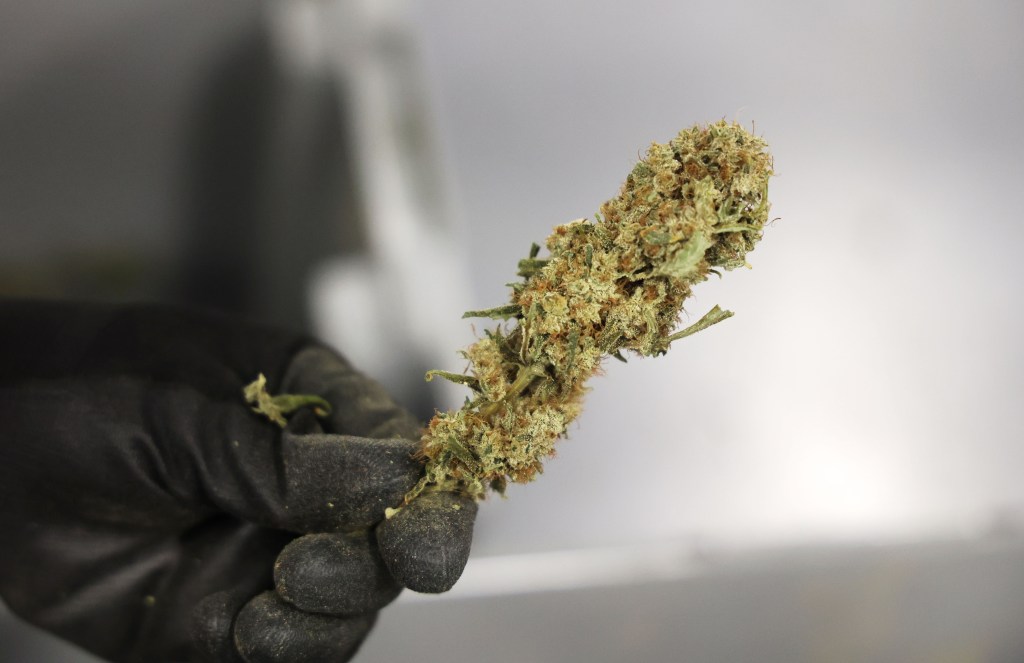
Florida's Amendment 3, which sought to legalize recreational marijuana, failed to secure the necessary 60% voter approval. Despite support from figures like Donald Trump, the measure was opposed by Governor Ron DeSantis, who argued it would lead to public nuisances. Recreational marijuana remains illegal in Florida, though medical use is permitted under certain conditions.
Florida's Amendment 3 proposes legalizing recreational marijuana, with the state Supreme Court approving the ballot language. If passed, it would create a multibillion-dollar industry and allow adults over 21 to possess up to 3 ounces for personal use. Concerns include the smell of marijuana in public spaces and potential impact on car crashes. The initiative is funded by Trulieve, a major medical marijuana company, and would initially give licensed medical marijuana companies exclusive rights to sell recreational pot. The Legislature could potentially make changes to the market structure if the measure passes.
The Supreme Court ruled in favor of allowing voters to decide on legalizing recreational marijuana in Florida, dismissing weak arguments against the amendment. The majority opinion provided a scathing response to attempts to block the amendment, emphasizing that voters are capable of understanding the ballot question. The ruling highlights the current availability of recreational pot and the failure of state regulators to enforce the restrictions of the 2016 medical marijuana amendment. The court's decision paves the way for potential voter approval of the 2024 amendment and reinforces the right to expand protections for recreational pot usage.