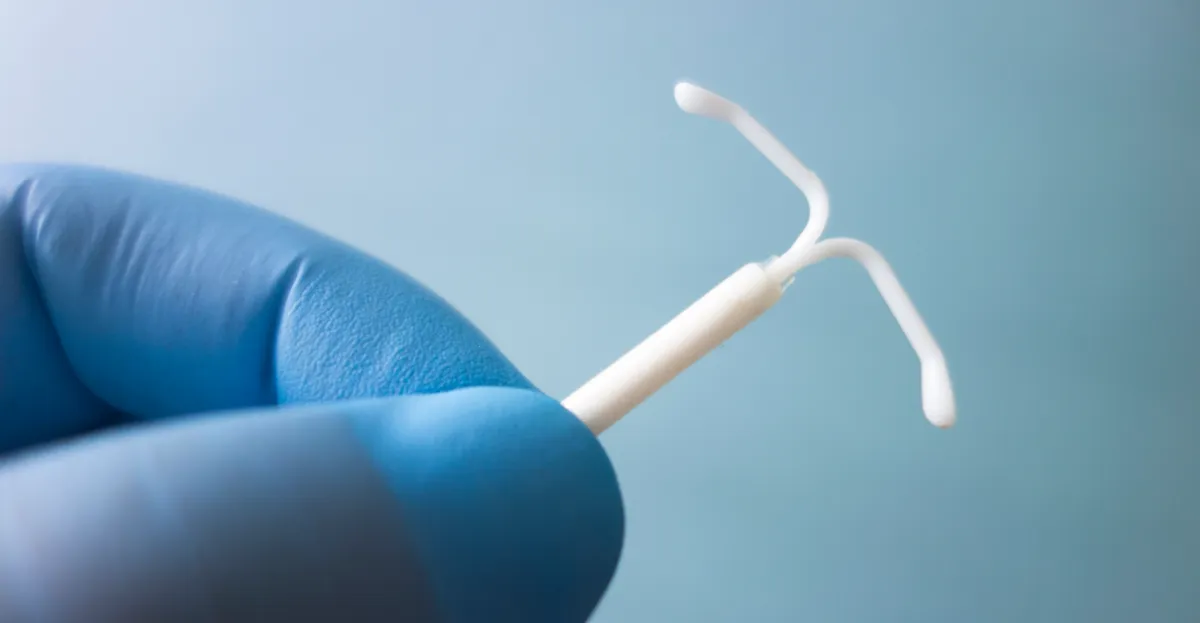
Doctors are increasingly recognizing and addressing the pain associated with IUD insertions, a procedure that has historically been under-discussed and often minimized, by adopting better pain management practices and encouraging patients to advocate for their comfort during the process.
Pop singer Lily Allen openly discussed her history of multiple abortions on her podcast, mentioning she can't remember the exact number, and shared her experiences with IUDs and her views on reproductive choices, advocating for pro-choice perspectives.
New guidelines from the American College of Obstetricians and Gynecologists aim to improve pain management for women receiving IUDs by emphasizing better communication, pain relief options like topical lidocaine, and patient autonomy, addressing the historical lack of standardized care and helping women have a more comfortable experience with this highly effective contraceptive method.
An 18-year-old woman, Savannah Stuthers, experienced severe pain and complications after IUD insertion, which was initially dismissed by doctors. Eventually, a male OB-GYN identified a large cyst containing teeth, hair, and fat, which led to the removal of her ovary. Her story highlights the importance of listening to women's health concerns and the potential dangers of dismissing symptoms.
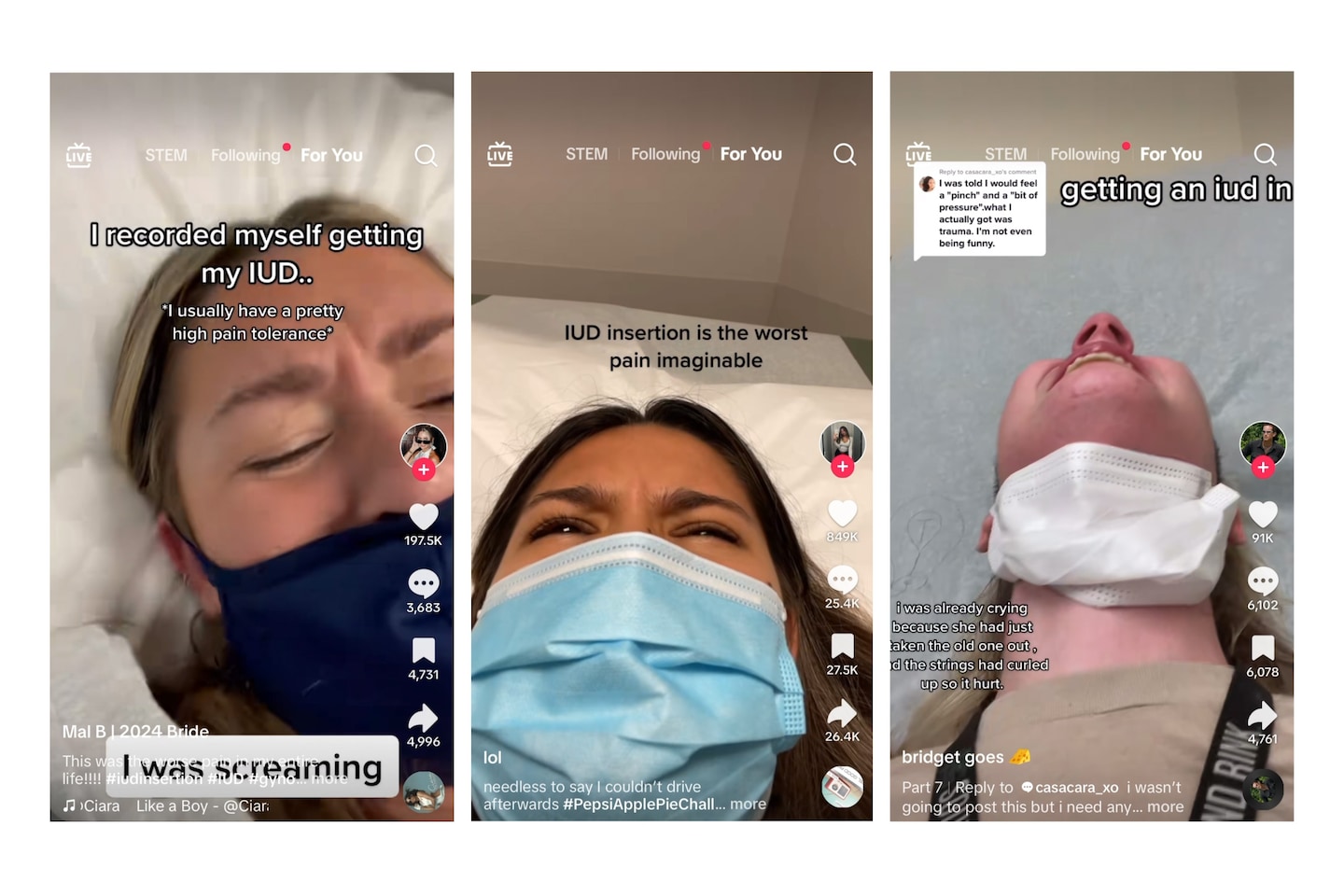
Women have been using TikTok to document their painful experiences during IUD insertions, shedding light on the lack of adequate pain management options. Despite acknowledging the pain associated with IUD insertion, research shows that physicians often underestimate women's pain and do not readily offer pain-control options. The demographics of IUD users have changed, but pain-management approaches have not, leading to increased distress during the procedure. Physicians emphasize the importance of listening to patients and working with them to minimize pain during IUD insertions.
Women have been using TikTok to document their painful experiences during IUD insertions, shedding light on the lack of pain management options for the procedure. Despite the American College of Obstetricians and Gynecologists acknowledging the pain associated with IUD insertion, research shows that physicians often underestimate women's pain and do not readily offer pain-control options. The demographics of IUD users have changed, but pain-management approaches have not, leading to increased distress among younger users. Women are calling for better pain control options and more attentive care from clinicians during IUD insertions.