The Trump administration proposed new VA rules that would ban abortions for veterans even in cases of rape and incest, allowing exceptions only if the mother's life is at risk, sparking criticism from advocates and veterans who argue it endangers women's health and rights.
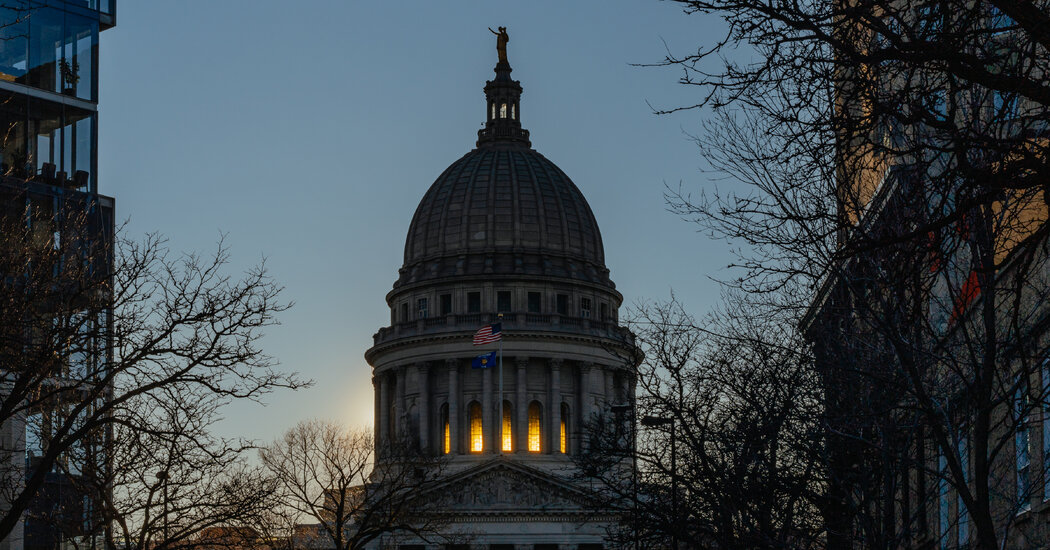
The Wisconsin Supreme Court's liberal majority struck down the state's 176-year-old abortion ban, ruling that it was superseded by more recent laws regulating abortion, thus affirming the legality of abortion in Wisconsin. The decision was influenced by the court's composition and recent legal statutes, with the ruling providing clarity that abortions remain legal in the state.
The Wisconsin Supreme Court struck down an 1849 abortion ban, affirming that recent legislation effectively repealed it, marking a victory for abortion rights activists in the state amidst ongoing legal and political battles over abortion laws.
The Wisconsin Supreme Court invalidated a dormant 1849 abortion law, ruling 4-3 that it was overridden by more recent legislation regulating abortion, following the overturn of Roe v. Wade. The decision reflects the impact of recent elections and ideological shifts on abortion rights in the state, with the court emphasizing comprehensive modern laws as a substitute for the old ban.
Adriana Smith, a brain-dead woman on life support since February due to Georgia's six-week abortion ban, gave birth via emergency C-section and is set to be taken off life support, sparking national debate over the law and its implications.
The Missouri Supreme Court ordered a judge to lift an injunction that had blocked abortion restrictions, effectively reinstating a de facto abortion ban across the state, leading to the cancellation of appointments and sparking ongoing legal and political debates over reproductive rights.
The Missouri Supreme Court has temporarily reinstated the state's near-total abortion ban by ordering a judge to lift previous rulings that had halted its enforcement, following legal challenges and amendments to the state constitution.
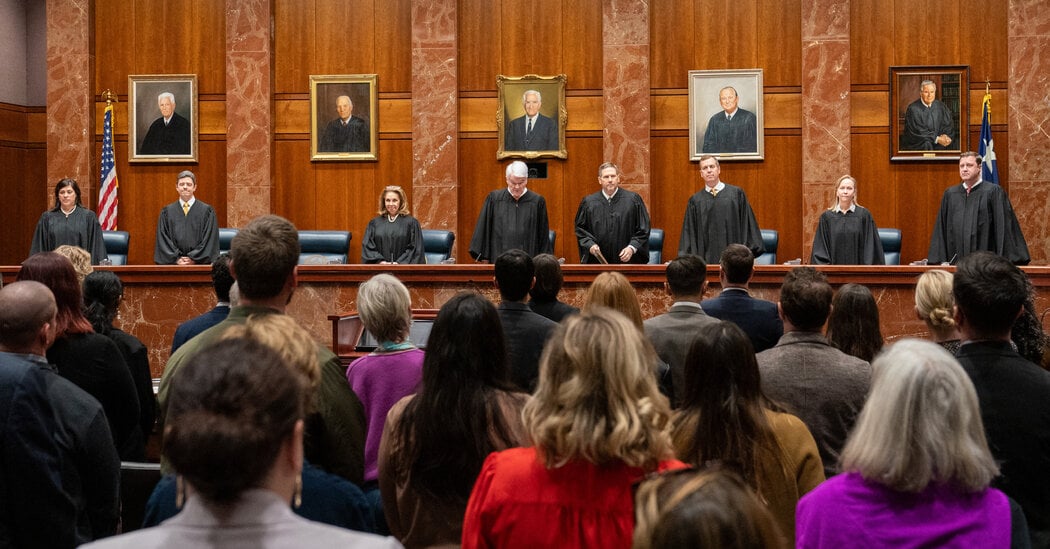
The Texas Supreme Court unanimously rejected a challenge to the state's strict abortion ban, ruling against expanding exceptions for medical emergencies. The lawsuit, filed by the Center for Reproductive Rights, will continue in trial court, but the high court's decision indicates that the challenge is unlikely to succeed. The court blamed doctors for misinterpreting the law, which allows abortions for life-threatening conditions before death or serious physical impairment are imminent.
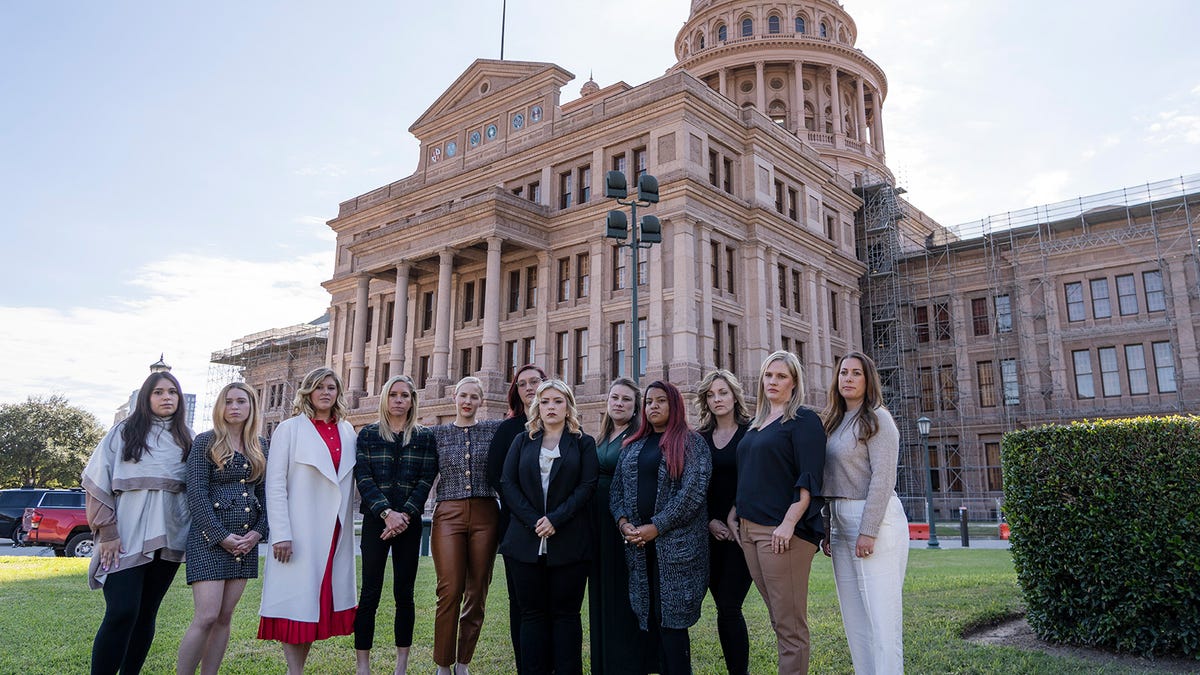
The Texas Supreme Court unanimously rejected a challenge from 20 women and two doctors seeking clarity on the state's near-total abortion ban's medical emergency exception. The court ruled that Texas law allows life-saving abortions if a physician uses reasonable medical judgment, but does not permit abortions for fetuses with life-limiting conditions unless the mother's life is at risk. Plaintiffs shared harrowing stories of being denied abortions despite risky pregnancies, with some having to travel out of state for the procedure. The ruling has significant implications for emergency medical care and may influence future US Supreme Court decisions on similar cases.
The Texas Supreme Court upheld the state's near-total abortion ban, rejecting a challenge by 20 women who were denied medically necessary abortions. The court ruled that the law's exception for life-threatening conditions is sufficiently broad and directed concerns to the Legislature. The decision has been criticized by affected women and abortion rights advocates, who vow to continue fighting for change.
The Texas Supreme Court unanimously rejected a challenge to the state's abortion ban brought by women with serious pregnancy complications, seeking clarification on exceptions. The ruling affirms that certain conditions like preterm premature rupture of membranes can warrant an abortion but does not allow abortions based solely on life-limiting fetal diagnoses. Critics argue the decision leaves many women and doctors in uncertainty, potentially endangering lives.
President Joe Biden is set to deliver a speech in Florida denouncing the state’s new six-week abortion ban and other efforts to restrict abortion access, tying it to the 2024 campaign and the stakes for reproductive freedom across the country. The event, scheduled in Tampa, will highlight the impact of overturning Roe v. Wade and is significant as Biden takes center stage on the issue, attacking Trump's role in allowing abortion restrictions. The Biden-Harris campaign has been actively campaigning against Republican-led state abortion bans, using emotional ads and affected women as surrogates, while aiming to nationalize the conversation around the issue.
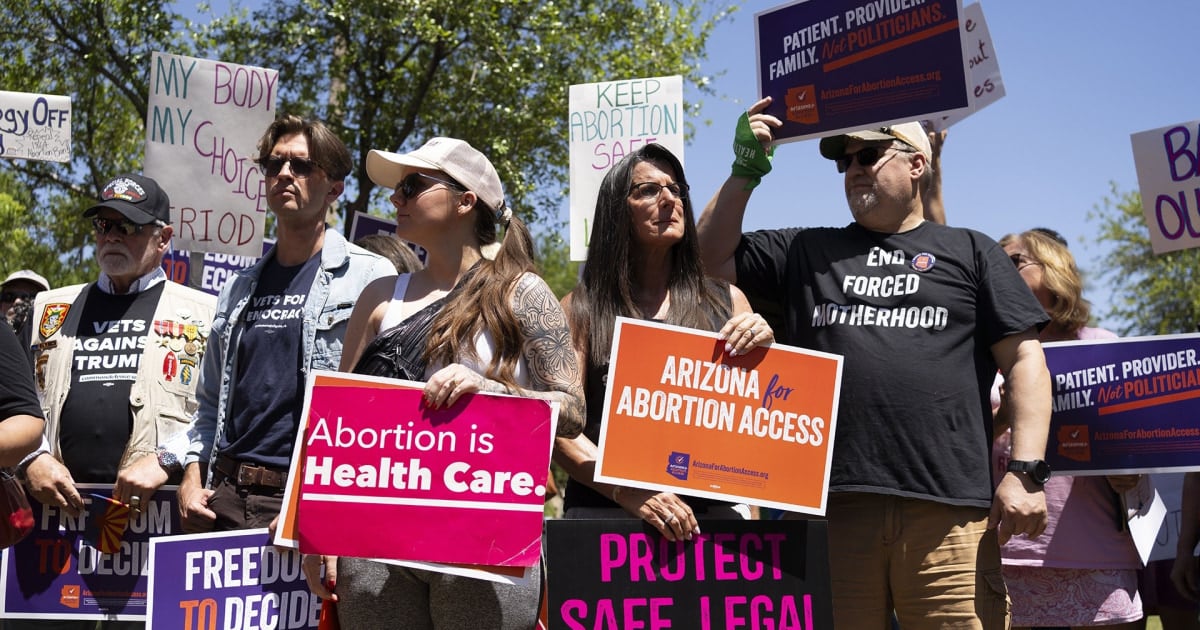
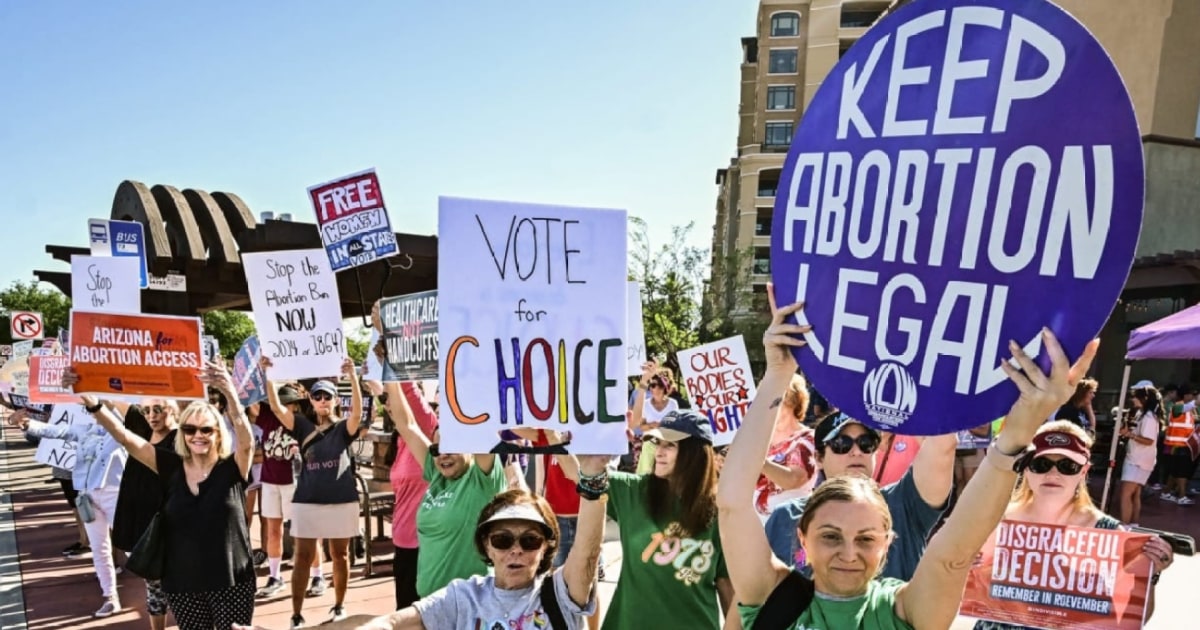
The Arizona GOP has once again thwarted an effort to repeal a 1864 law banning abortion, despite the law being unenforceable due to the U.S. Supreme Court's Roe v. Wade decision. This move comes amid a wave of conservative states passing restrictive abortion legislation, sparking a nationwide debate on reproductive rights.
Arizona lawmakers have blocked the repeal of a 1864 abortion ban, following a recent Arizona Supreme Court decision that has made the issue a political liability for Republicans. The near-total abortion ban has created chaos for women and doctors, with Governor Hobbs describing it as a matter of control.
Arizona Republican lawmakers are facing a dilemma over a 1864 abortion ban, with some considering a repeal due to concerns about the national uproar and potential impact on Donald Trump's presidential campaign. The GOP's long-held anti-abortion stance is clashing with the practical desire to win elections, as the U.S. Supreme Court's 2022 ruling to overturn Roe v. Wade has shifted the decision-making power to state lawmakers. The looming vote has deeply divided the Republican caucus, with some members feeling pressured by the political stakes and Trump's comments, while others are holding firm against repeal.