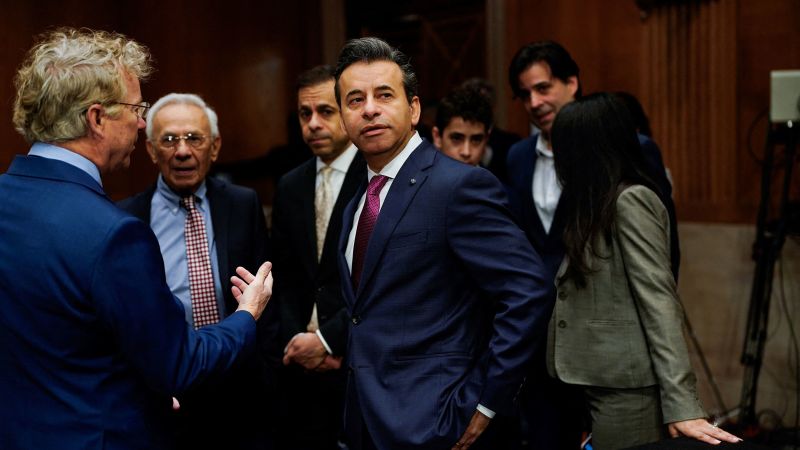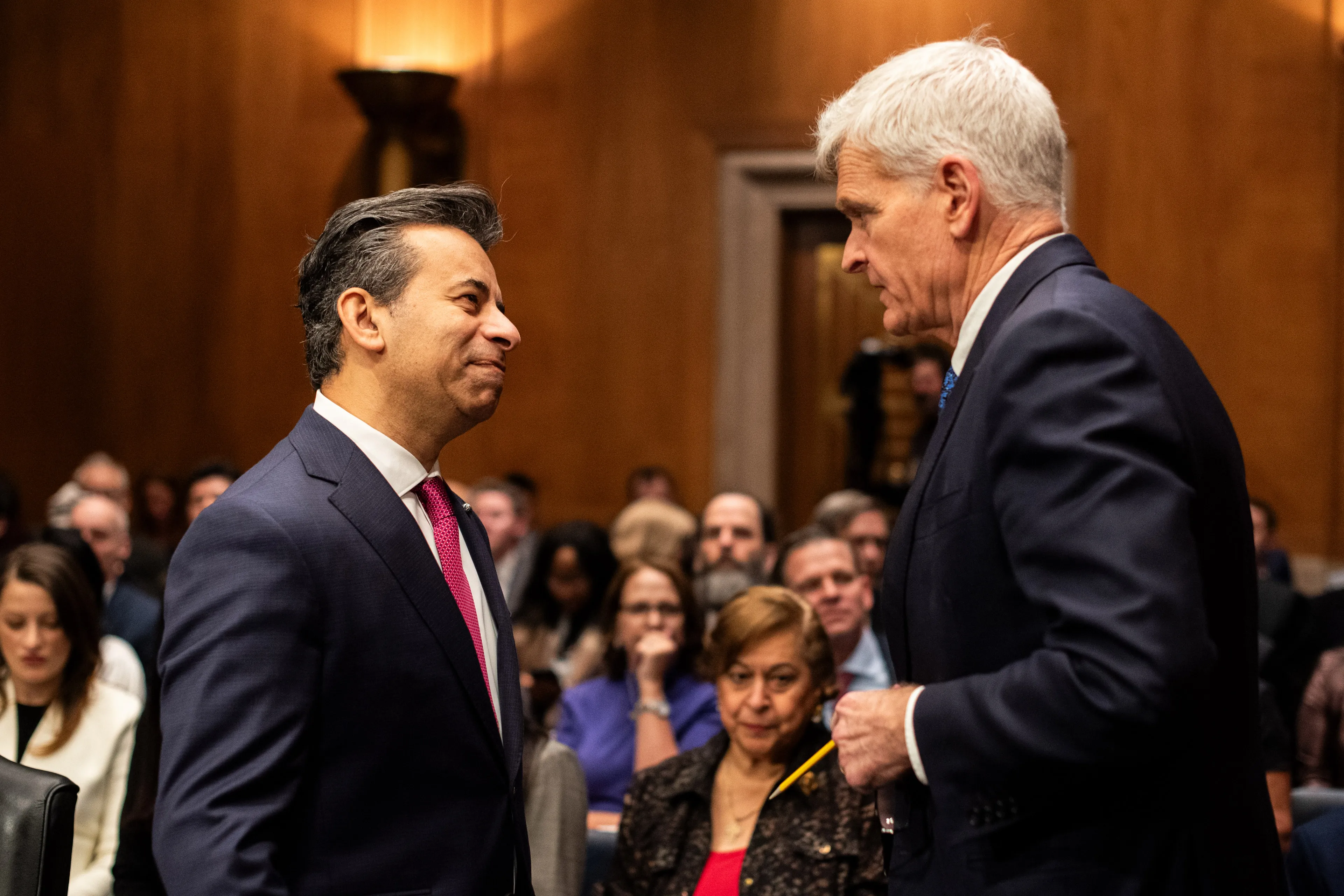
The FDA is embroiled in controversy following allegations against top regulator Tidmarsh, who criticized Aurinia's lupus drug voclosporin, leading to his resignation and concerns over the agency's credibility amid claims of misconduct and mismanagement.
George Tidmarsh, head of the FDA's Center for Drug Evaluation and Research, resigned amid ethics concerns and a lawsuit alleging bribery and false statements, following his administrative leave after raising issues about a drug approval program and questioning a drug's safety.
The FDA has issued its first nine priority review vouchers to expedite the approval process for certain drugs and therapies, including Regeneron's gene therapy for hearing loss, with the aim of reducing approval times from 10-12 months to 1-2 months, focusing on public health priorities and affordability.
The FDA announced the first nine recipients of the Commissioner’s National Priority Review vouchers, which expedite drug reviews for products aligned with national health priorities. Notably, EMD Serono received a voucher after agreeing to lower prices for its fertility drugs, including Pergoveris, in a move highlighted by President Trump. The program aims to incentivize companies to develop and provide access to important medications.
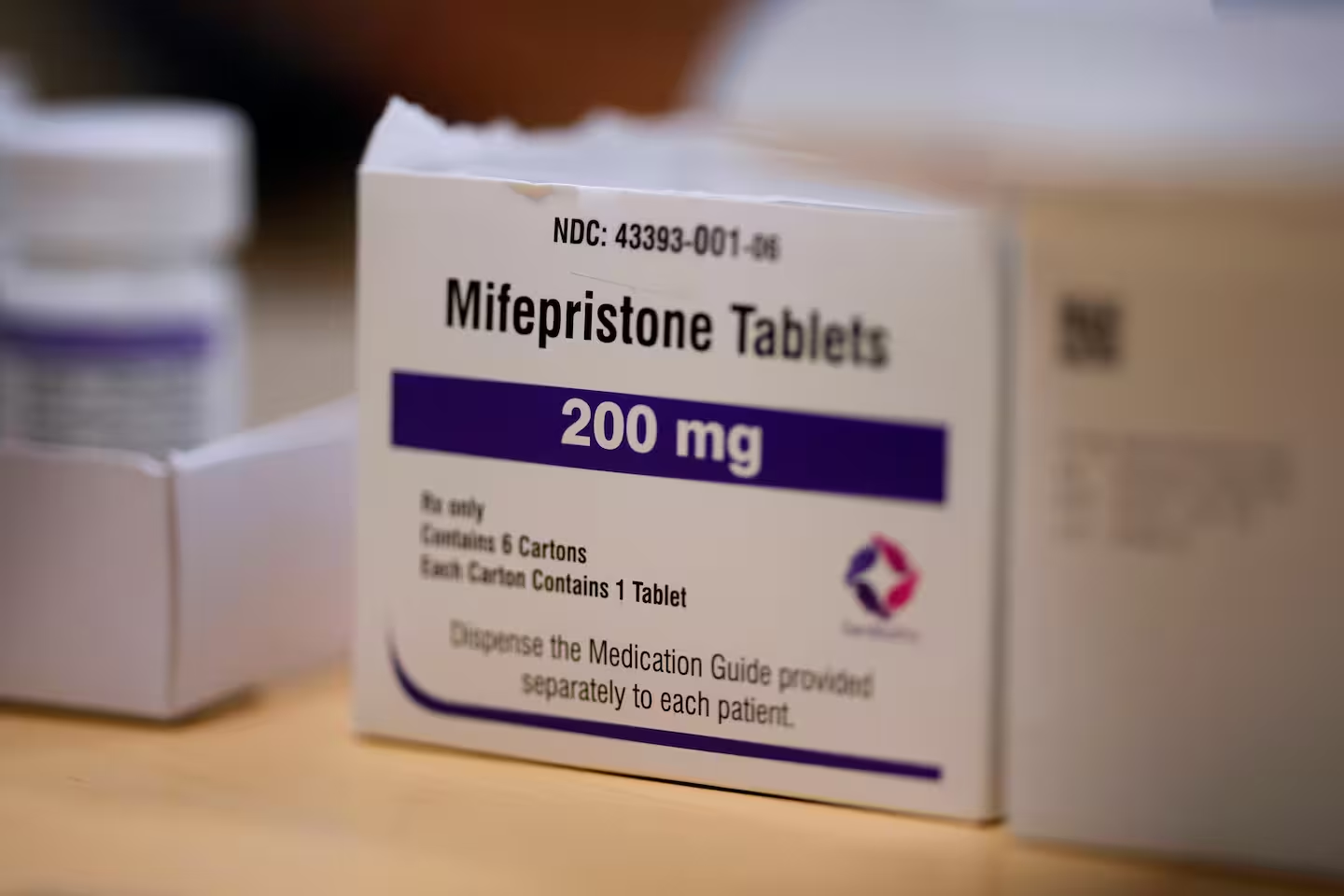
The Trump administration approved a new generic version of the abortion pill mifepristone, sparking outrage among abortion opponents who criticize the administration's handling of drug approvals.
The FDA unexpectedly approved the old chemotherapy drug leucovorin as a treatment for some individuals with autism, deviating from its usual rigorous review process, which has raised concerns among experts about the potential for hype and the narrowing of the drug's scope.
Under the Trump administration, the FDA is moving to phase out the practice of consulting outside experts for drug reviews, citing efficiency, but critics argue this reduces transparency and public oversight, potentially impacting the rigor and accountability of drug approval processes.
Under the Trump administration, the FDA is moving to eliminate the practice of consulting outside experts for drug reviews, arguing it saves time and resources, but critics say it reduces transparency and public trust in drug approval decisions. The agency plans to rely more on complete response letters and internal reviews, sparking concerns about the loss of public and expert input in the regulatory process.
AstraZeneca plans to seek regulatory approval for its experimental blood pressure drug, baxdrostat, by the end of the year, aiming for potential approval in 2026 in the US and EU. The drug targets the hormone aldosterone and has shown promising results in reducing systolic blood pressure, with peak sales expected to exceed $5 billion. A small percentage of patients experienced hyperkalaemia.
Eli Lilly is preparing for the potential approval of a new weight loss pill following successful late-stage clinical trials, signaling a significant development in the pharmaceutical company's product pipeline.
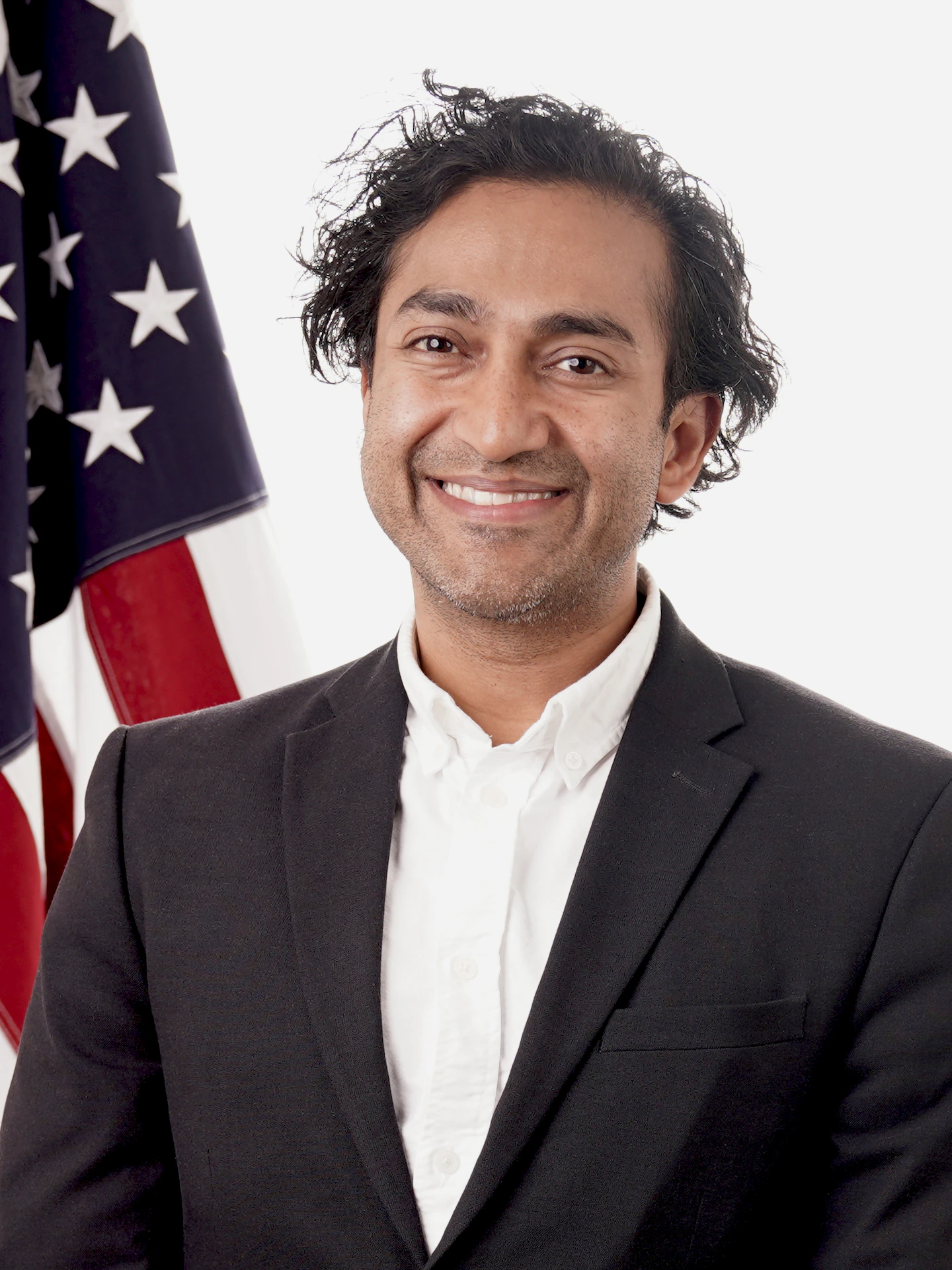
Biotech shares experienced volatility following the surprise reinstatement of FDA official Vinay Prasad, whose return raises concerns about political influence affecting drug approval processes amid leadership turmoil within the FDA, impacting companies like Sarepta and Replimune.
The FDA is currently facing turmoil after approving Sarepta Therapeutics' gene therapy for Duchenne muscular dystrophy in 2023, which was later linked to three patient deaths from liver failure, leading to a suspension request and a sharp decline in Sarepta's stock value.
Vinay Prasad, a prominent FDA regulator known for his rigorous approach to drug approval and skepticism of experimental therapies, was ousted amid political pressure and internal conflicts within the Trump administration, highlighting the influence of diverse political and advocacy groups on the agency's decision-making process.
A CNN report reveals that the FDA's AI tool Elsa is generating fake studies and misrepresenting research, raising concerns about the reliability of AI in drug approval processes and public health decision-making, amid broader skepticism about AI's effectiveness and accuracy in scientific contexts.
The FDA rejected Replimune's skin cancer therapy RP1 due to insufficient evidence of effectiveness and issues with clinical trial data, reflecting a tougher regulatory stance on new drug approvals.