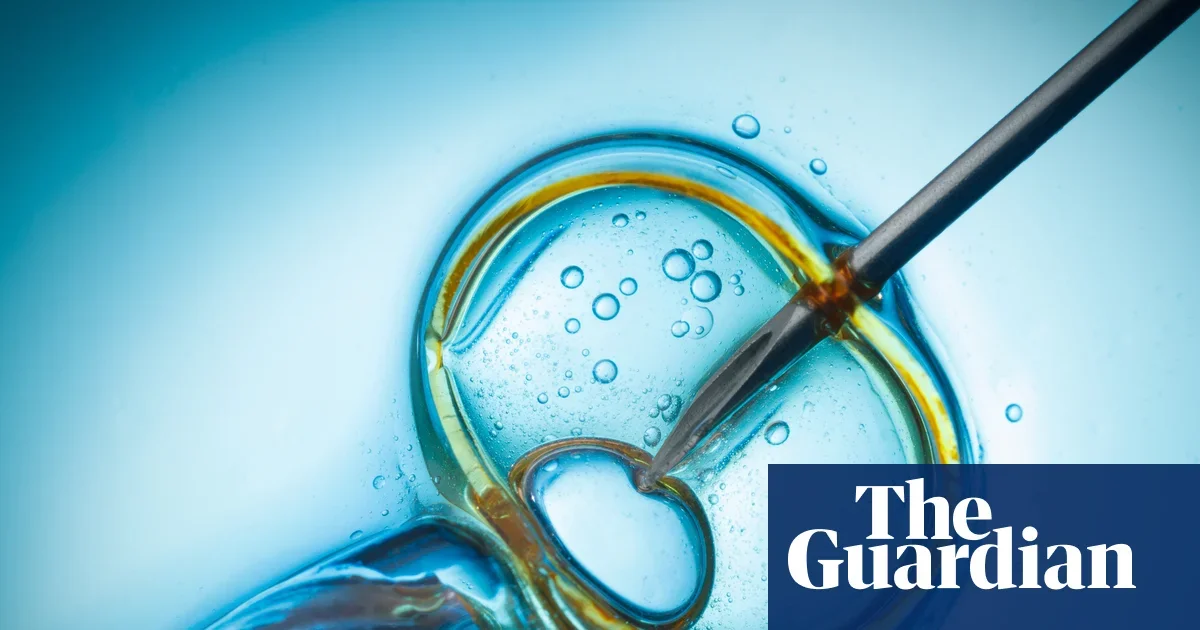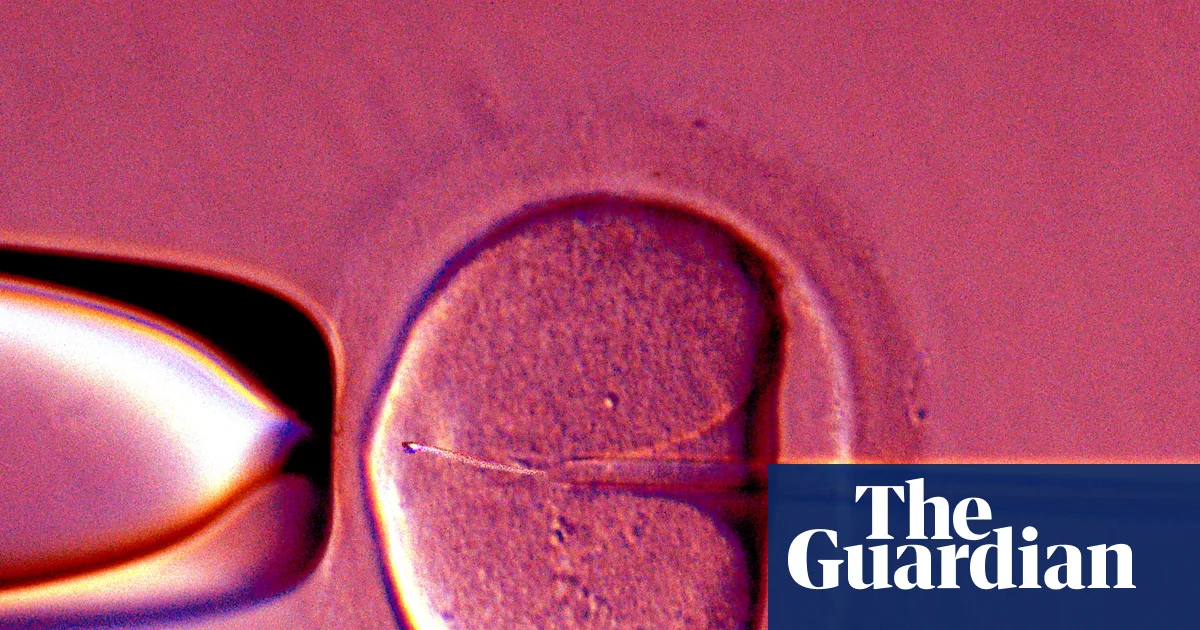
Scientists have developed a technique to 'rejuvenate' aging human eggs by supplementing them with a protein called Shugoshin 1, which reduces genetic errors linked to age, potentially improving IVF success rates for older women. The method involves microinjections that nearly halve the rate of chromosome abnormalities, offering hope for more effective fertility treatments, especially for women over 35.

There are calls for legal rights to paid leave for women undergoing IVF treatment, as current laws do not guarantee time off, leading many to use sick days or hide their treatment, which impacts their well-being and productivity. Campaigners argue that recognizing fertility treatment as a medical procedure and providing legal leave could benefit both employees and employers, with some political efforts underway to introduce legislation for this purpose.
President Trump’s new IVF policy proposals fall significantly short of his campaign promise to make IVF completely free, disappointing many supporters and failing to address the high costs and accessibility issues associated with fertility treatments.
The article discusses a Catholic perspective on supporting families and life, emphasizing opposition to IVF due to moral reasons, while encouraging Catholic institutions and employers to support family life through financial assistance for adoption and fertility treatments in accordance with Church teachings.
The White House plans to announce measures to expand access to IVF and implement a 'most-favored nation' pricing deal with a fertility drug manufacturer, aiming to lower costs and increase affordability of reproductive services, amidst political debates over the treatment's ethical implications.
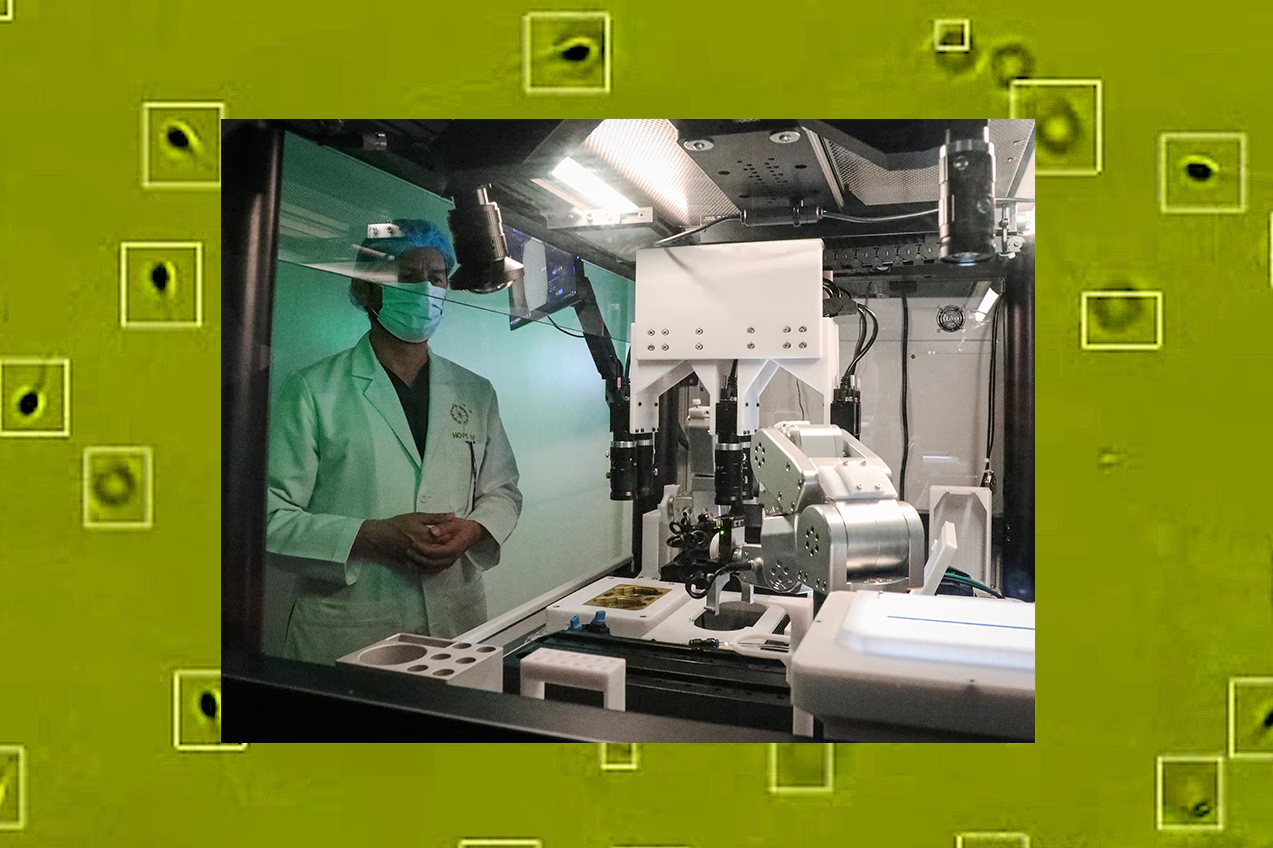
Innovative use of AI and robotics is transforming IVF in Mexico, automating complex procedures to improve success rates and accessibility, especially in underserved regions, offering hope to couples facing infertility.
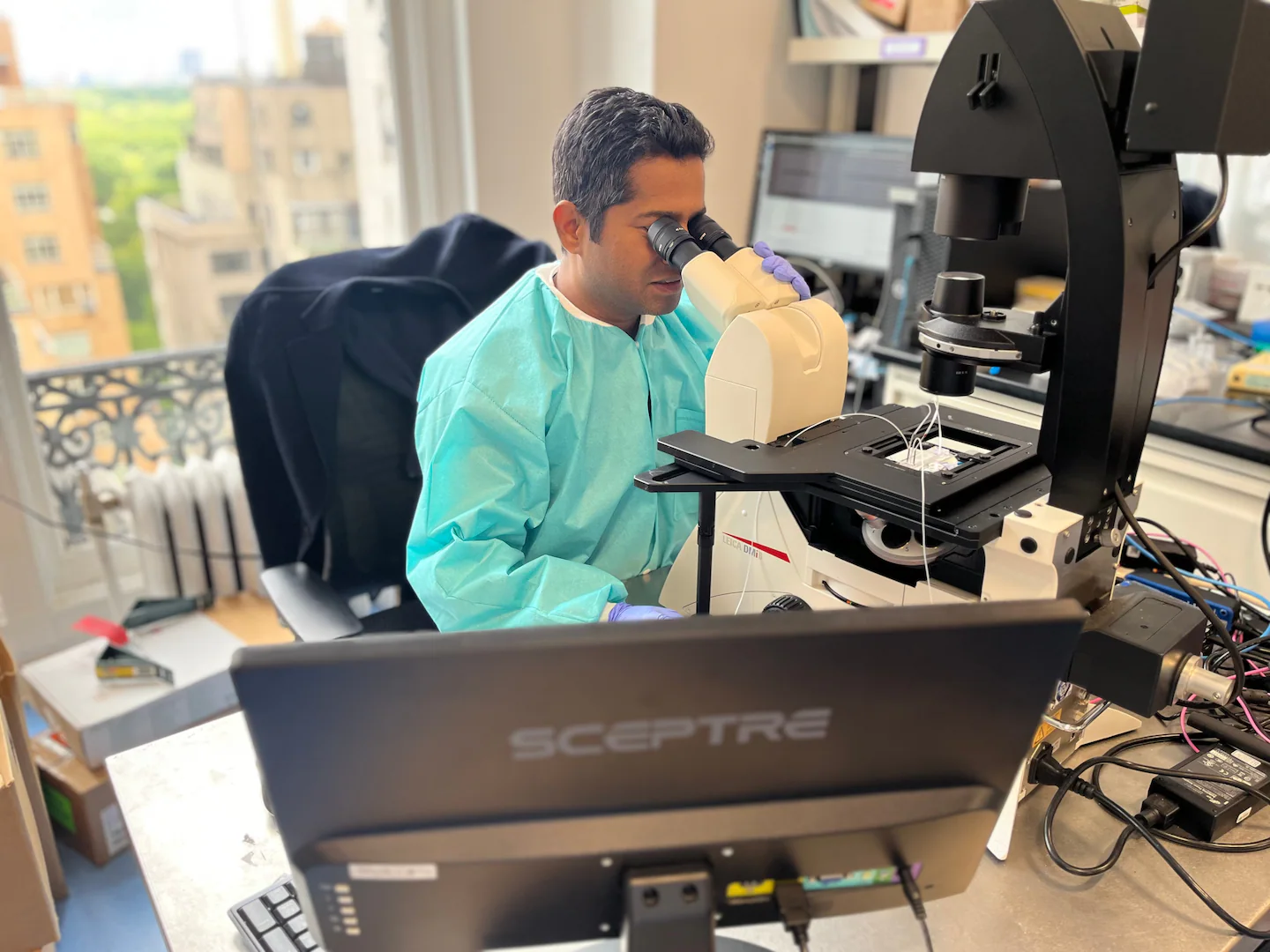
Scientists have successfully created human eggs in the lab using skin cells and a novel technique called 'mitomeiosis,' which could eventually help infertile women and enable gay couples to have genetically related children, though significant ethical and technical challenges remain.
Scientists have successfully produced functional human eggs from skin cells in the lab, which can be fertilized to form early-stage embryos, potentially offering new fertility treatments, though significant technical and ethical challenges remain.
The world's oldest baby was born in Ohio from an embryo frozen in 1994, highlighting advances in fertility treatments and embryo preservation, with the baby now being 28 years old and adopted through embryo donation.
AI technology enabled rapid detection of viable sperm in an infertile man, reducing a process that typically takes days to just hours, leading to a successful pregnancy after 18 years of infertility.
The WTA Tour has introduced a policy to protect the world rankings of women tennis players undergoing fertility treatments, allowing players ranked inside the top 750 who miss at least 10 weeks to use a Special Entry Ranking for up to three events, supporting players balancing family planning and their careers.
A woman shares her experience with fertility treatment, highlighting the aggressive push for IVF by doctors and the lack of consideration for alternative, more affordable, and safer options. She emphasizes the need for women to advocate for their own health and urges states like Alabama to reconsider their approach to pro-life legislation, emphasizing the importance of informing women about holistic and restorative reproductive treatments.
A political scientist in Alabama shares his personal experience after the state's Supreme Court ruled that frozen embryos used for in vitro fertilization are children, turning him into an activist for reproductive rights. The ruling caused uncertainty and panic for him and his wife, leading them to flee the state to continue their IVF process in Texas. The experience mobilized them and other affected individuals, highlighting the intersection of personal experiences and state politics in shaping activism and engagement.
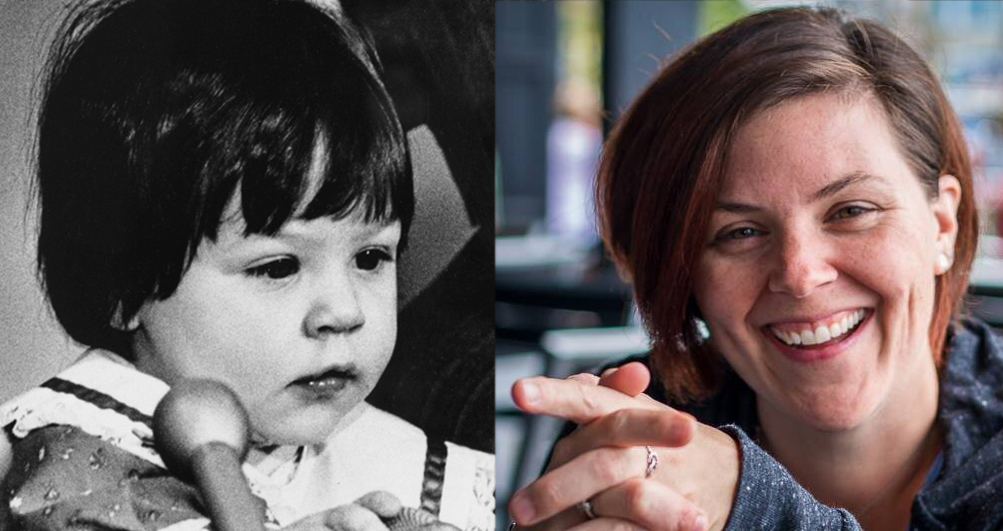
Elizabeth Carr, the first person born through IVF in the U.S., will attend the State of the Union as a guest of Democratic Sen. Tim Kaine to advocate for IVF access. The recent Alabama Supreme Court ruling that frozen embryos are considered "children" under state law has caused clinics to pause aspects of their IVF programs, sparking concerns about access to fertility treatments. While a new law in Alabama allows clinics to resume IVF treatments without fear of liability, it does not address the underlying issue of the status of embryos in the IVF process. Carr emphasizes the importance of protecting IVF access for a wide range of individuals beyond those struggling with infertility.
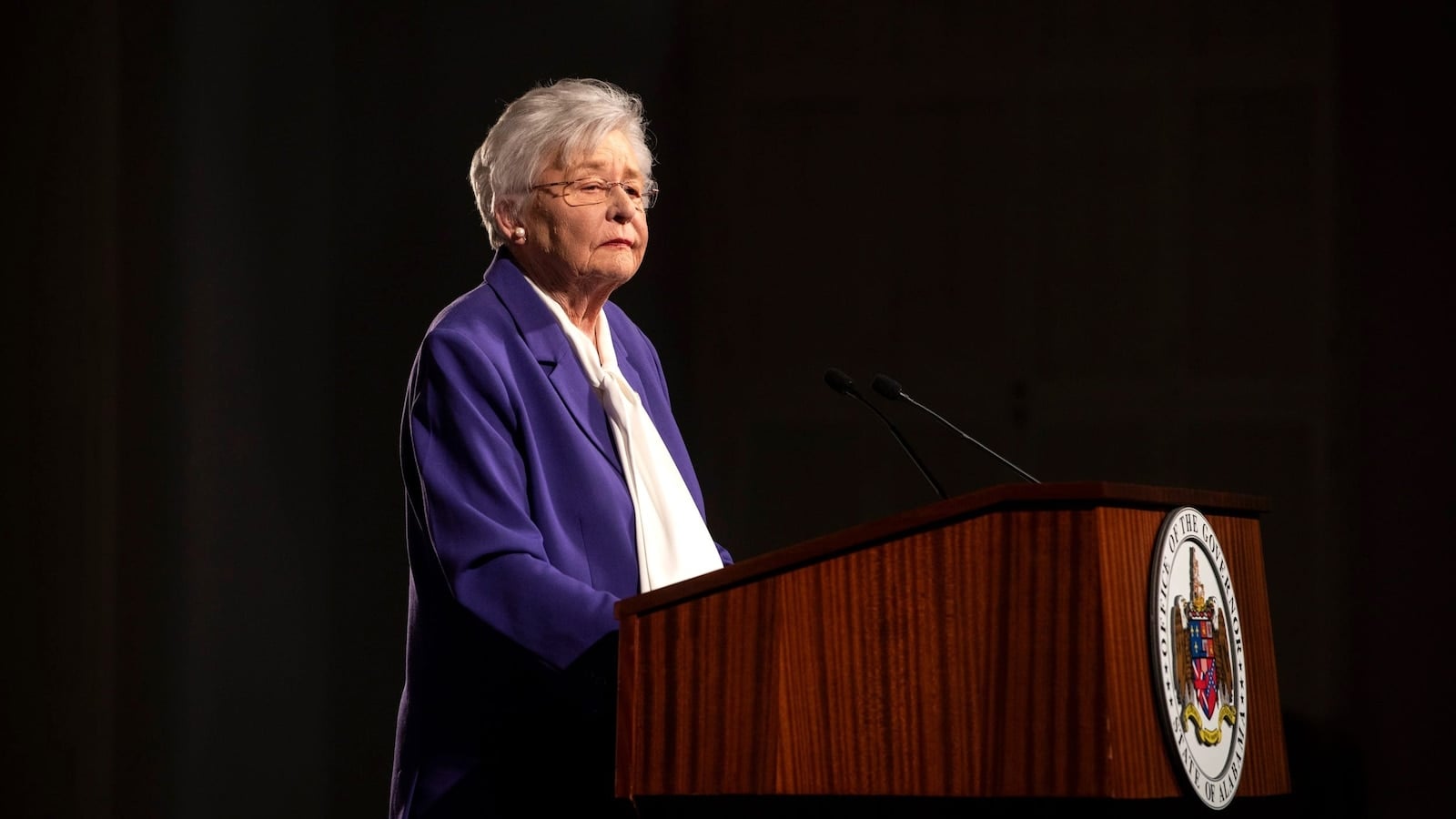
Alabama Governor Kay Ivey signed a bill into law to protect access to in-vitro fertilization (IVF) in the state, following a state Supreme Court decision that caused several IVF treatment providers to halt care. The legislation provides legal immunity to patients and clinics during IVF services, allowing them to proceed with treatments. While the bill passage is a step forward, there are ongoing discussions about the need for longer-term protection for IVF, with some advocating for a constitutional amendment to address the core question of whether embryos outside the uterus are considered life or potential life.