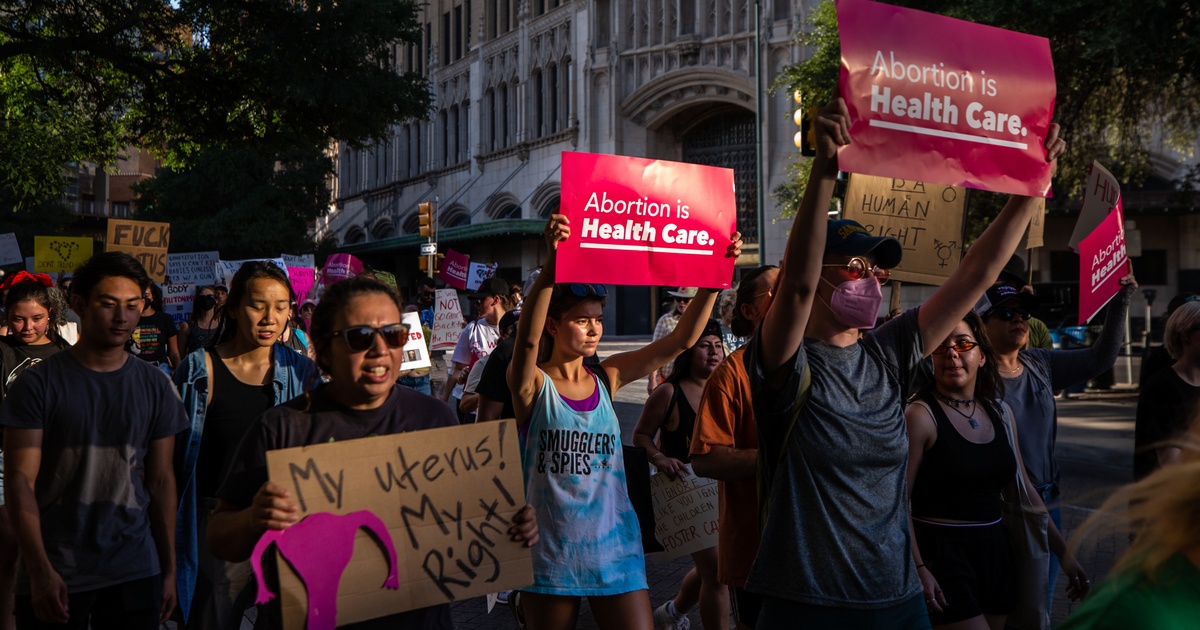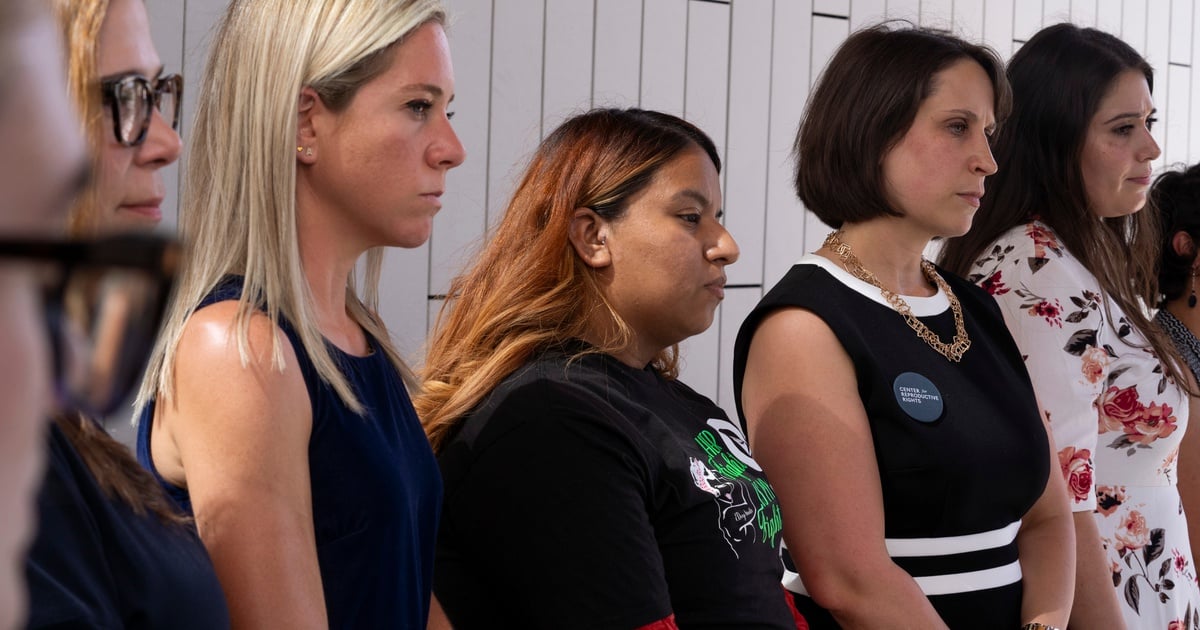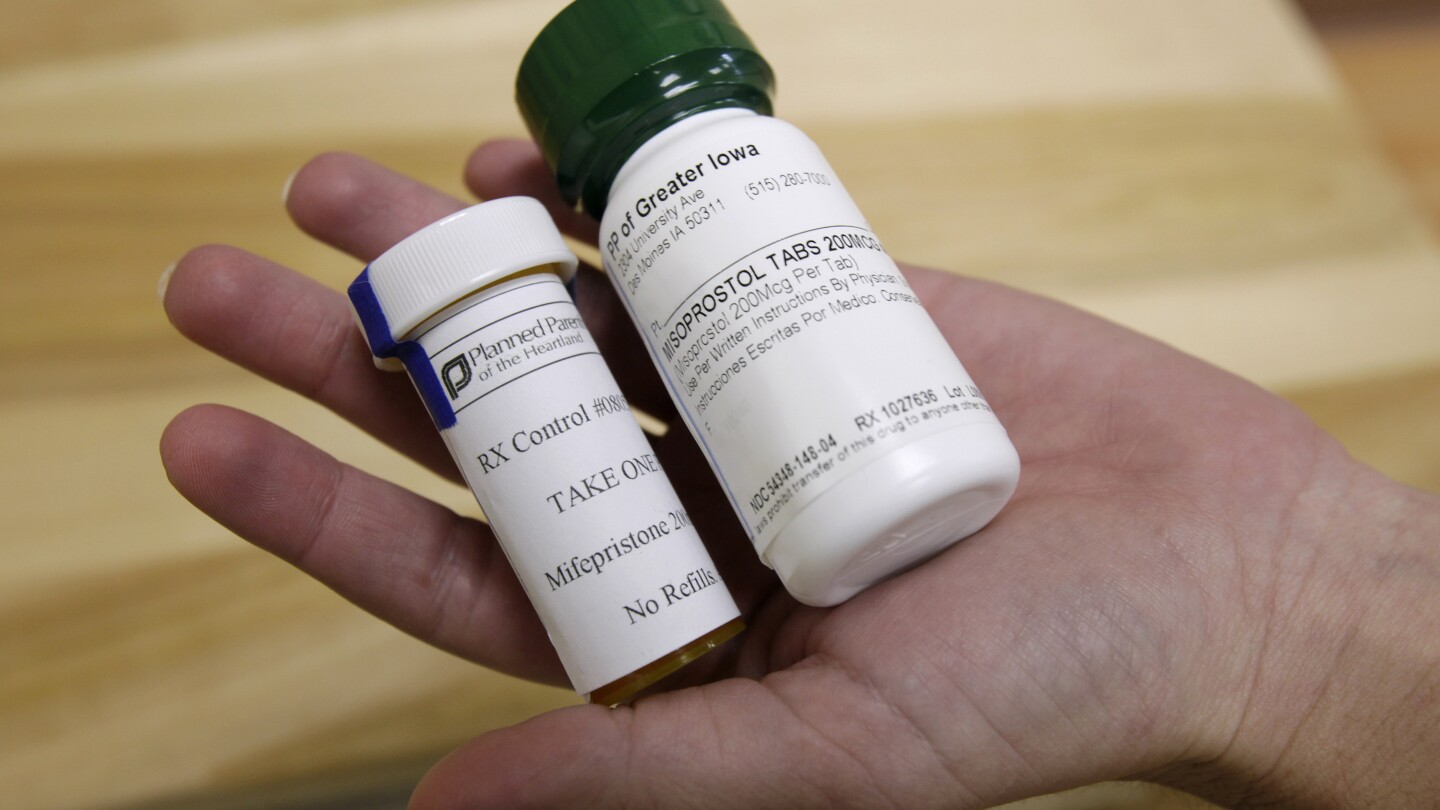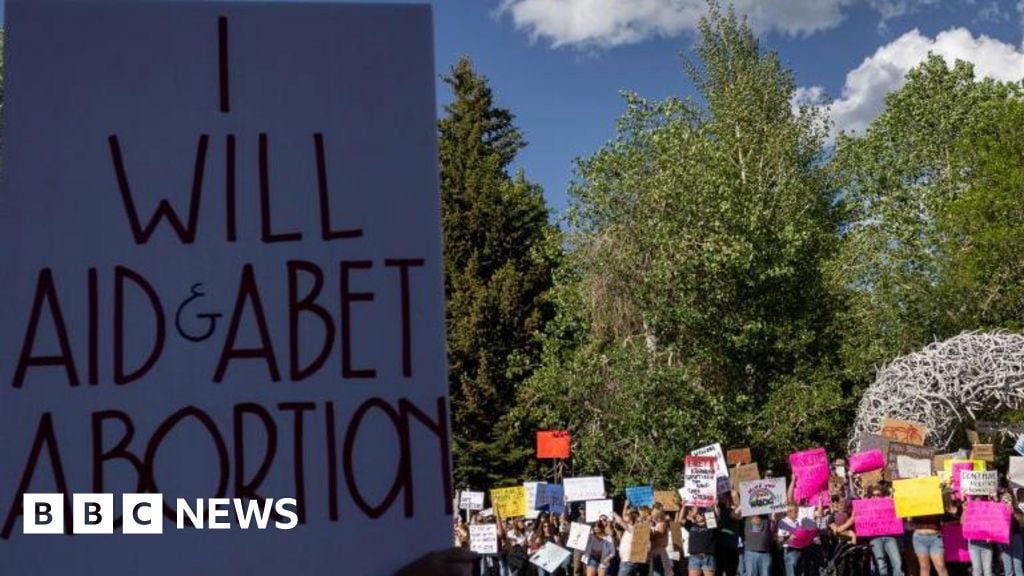
Wyoming's top court has struck down laws that nearly banned abortion, affirming a woman's right to make healthcare decisions, including abortion, citing the state's constitution. The decision invalidates laws banning abortion in most cases and the use of abortion pills, despite opposition from Republican leaders who seek to enshrine bans through a constitutional amendment.

Leila Mottley's novel 'The Girls Who Grew Big' explores the experiences of young women navigating pregnancy and motherhood in Florida, challenging misconceptions and highlighting community support, amid changing abortion laws. Mottley, also a doula and former Youth Poet Laureate, emphasizes diverse perspectives on teen parenthood and addresses issues like relationships with older men and sexual harassment, drawing from her own experiences and activism.
A group of 111 OB-GYNs in Texas has urged state lawmakers to amend abortion laws that they claim hinder their ability to provide lifesaving care to pregnant women. This follows reports of two women, Josseli Barnica and Nevaeh Crain, who died after medical staff delayed emergency care due to restrictive abortion laws. The doctors argue that these laws prevent them from offering quality, evidence-based care. The issue has become a focal point in the U.S. Senate race between Ted Cruz and Colin Allred, highlighting their opposing views on abortion.
The Texas Supreme Court unanimously rejected a significant challenge to the state's new abortion laws, ruling that the medical exceptions in the law are broad enough to withstand constitutional scrutiny. The case, Zurawski v. Texas, involved women with complicated pregnancies who argued that the laws prevented them from receiving necessary medical care. The court's decision overturned a previous temporary injunction that allowed abortions based on a doctor's "good faith judgment," stating that the law's requirement for "reasonable medical judgment" is clear. The ruling has been criticized for not providing sufficient reassurance to doctors and for potentially endangering women's health.
The spring housing market remains highly competitive with high prices and low sales due to high mortgage rates. Nikki Haley plans to vote for Trump in 2024 despite previous criticisms. ADHD diagnoses in children have increased significantly, with a narrowing gender gap. A new study highlights the benefits of cycling for joint health, particularly in reducing knee pain and arthritis. Abortion access continues to fluctuate across the U.S. with varying state laws and upcoming Supreme Court cases.
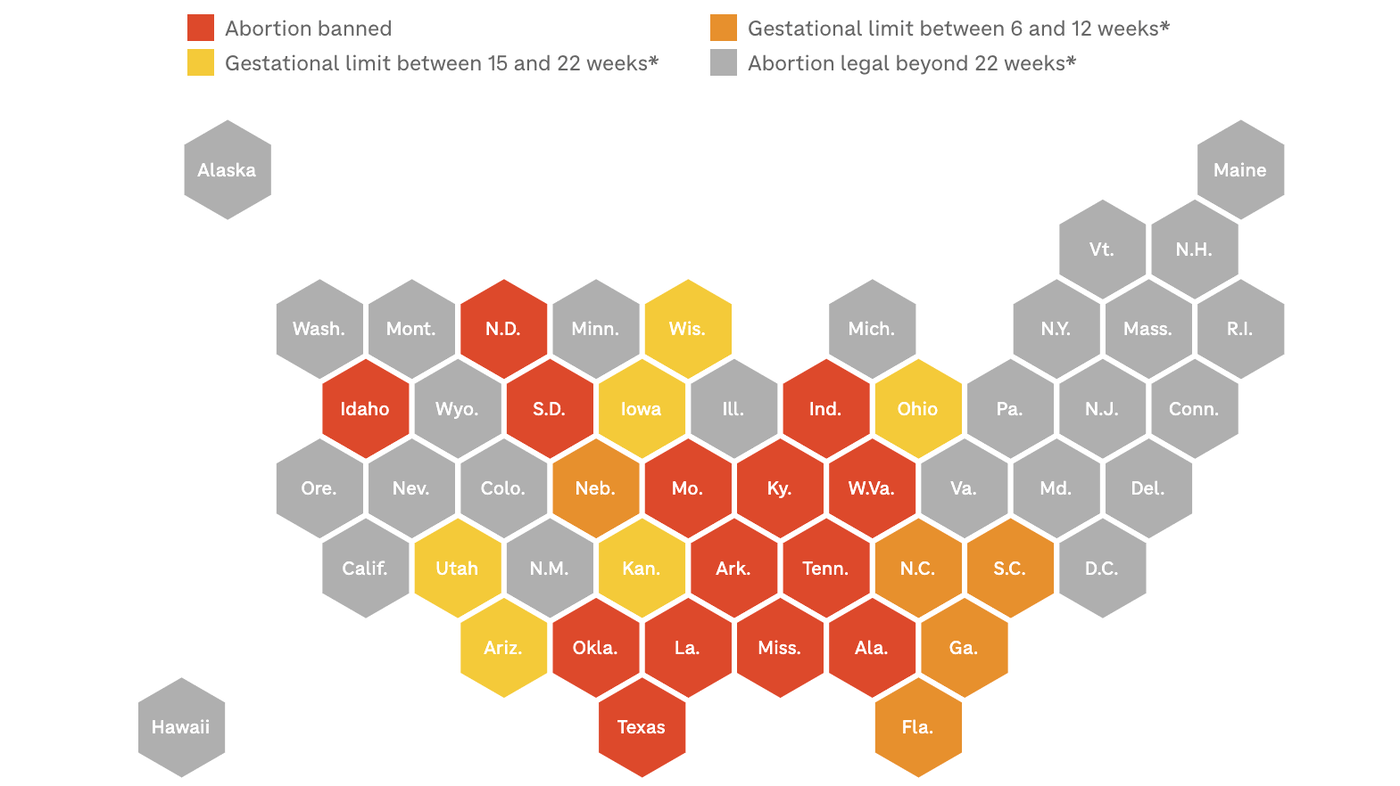
Abortion access in the U.S. has been in flux since the Supreme Court overturned Roe v. Wade, with about half of states imposing restrictions. Abortion bans are impacting healthcare systems and driving doctors out of states, while the number of abortions nationwide is increasing, partly due to telehealth services. Some states are making efforts to ease abortion access, while others are passing "shield laws" to protect providers. Two major abortion-related cases are pending before the Supreme Court, with decisions expected just before the 2024 election, ensuring that abortion will be a prominent issue in the upcoming election.
After the U.S. Supreme Court overturned Roe v. Wade, complaints of pregnant women being turned away from emergency rooms spiked, raising concerns about emergency pregnancy care in the U.S. Federal law requires emergency rooms to treat or stabilize pregnant patients, but cases of women being refused care have been reported in Texas, Florida, and North Carolina. The Biden administration has sued Idaho over its abortion ban, arguing it conflicts with federal law. The Supreme Court will hear arguments that could weaken these protections, potentially impacting emergency pregnancy care across the country.
Federal documents obtained by the Associated Press reveal a spike in complaints of pregnant women being turned away from US emergency rooms following the US supreme court's overturning of Roe v Wade. Despite federal mandates requiring emergency rooms to treat or stabilize pregnant patients, cases of women being denied care have raised alarms about the state of emergency pregnancy care, particularly in states with strict abortion laws. The Biden administration has sued Idaho over its abortion ban, arguing it conflicts with federal law, and federal investigators have looked into dozens of pregnancy-related complaints. The incidents highlight the challenges pregnant women face in accessing emergency medical care, and the ongoing debate over healthcare access and abortion rights.
After the U.S. Supreme Court overturned Roe v. Wade, federal documents reveal a spike in complaints about pregnant women being denied emergency care in red-state emergency rooms, despite federal mandates requiring treatment. Cases in Texas, Florida, and North Carolina highlight the alarming state of emergency pregnancy care, raising concerns about the impact of strict abortion laws. The Biden administration has sued Idaho over its abortion ban, arguing it conflicts with federal law. The Supreme Court will hear arguments that could weaken protections for pregnant patients, with potential implications for other states.
After the U.S. Supreme Court overturned Roe v. Wade, complaints surged about pregnant women being turned away from emergency rooms, despite federal law mandating their treatment. Instances included a woman miscarrying in a Texas ER lobby, another giving birth in a car after being denied an ultrasound, and a woman being refused care at a Florida hospital. The Biden administration has sued Idaho over its abortion ban, arguing it conflicts with federal law. The Supreme Court will hear arguments that could weaken protections for pregnant patients, raising concerns about the state of emergency pregnancy care in the U.S.
After the U.S. Supreme Court overturned Roe v. Wade, complaints surged about pregnant women being turned away from emergency rooms, despite federal law mandating treatment. Some women miscarried or gave birth in dire circumstances after being refused care, raising concerns about emergency pregnancy care in the U.S. The Biden administration has sued Idaho over its abortion ban, arguing it conflicts with federal law. Emergency rooms are subject to fines and risk losing Medicare funding for violating the law, but it's unclear what penalties might be imposed on hospitals that failed to properly treat pregnant patients. The Supreme Court will hear arguments that could weaken protections for pregnant patients seeking emergency care.
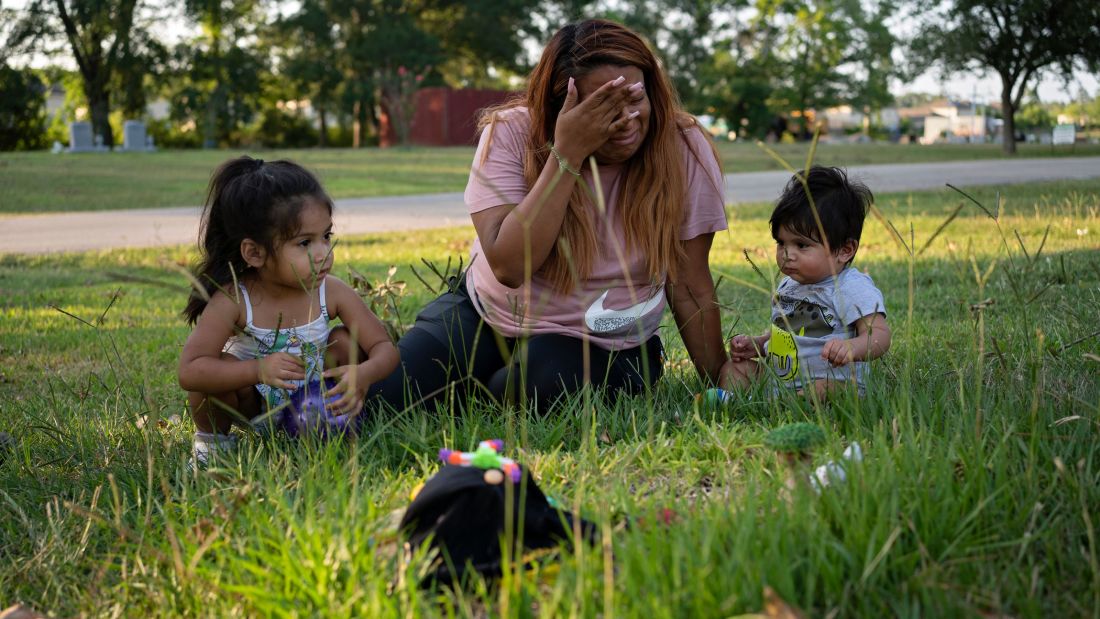
Samantha Casiano, a mother from Texas, was forced to give birth to her daughter, who had a fatal condition called anencephaly, due to the state's restrictive abortion laws. Despite wanting an abortion, she was unable to obtain one under Texas law, which only allows for abortion in cases of a "life-threatening" condition or serious risk of substantial impairment of a major bodily function. This experience has highlighted the challenges and limitations faced by individuals seeking abortion in states with strict laws, leading to emotional and financial burdens for families dealing with difficult pregnancies.
Texas Governor Greg Abbott, despite admitting to knowing little about in-vitro fertilization (IVF), expressed a desire for Texas to address the issue and maintain its "pro-life" stance following a recent Alabama ruling on IVF embryos. Abbott acknowledged the complexity of the issue and indicated that Texas would likely address it, emphasizing the state's pro-life position while also acknowledging former President Trump's support for IVF access. The potential Republican threat to IVF in a post-Roe America remains a concern.
The Texas Medical Board has remained silent on providing guidance to doctors regarding the state's abortion laws, despite calls from the Texas Supreme Court for more clarity. While the board has the power to revoke a doctor's license for violating the state's abortion ban, many doctors and advocacy groups argue that additional guidance would not be sufficient to address the complexities and nuances of each individual case. The board's chair, Dr. Sherif Zaafran, stated that the board would refrain from getting involved until ongoing court cases are resolved. Critics argue that doctors should be trusted to make decisions in consultation with their patients, and that legislative supervision is impractical and dangerous for women.
A judge in Wyoming is considering whether to uphold or strike down the state's abortion restrictions, including the first explicit ban on abortion pills in the United States. The laws, which have been blocked from taking effect, are being challenged by four women, two obstetricians, and two nonprofit organizations. The plaintiffs argue that the bans violate women's rights under the state constitution and the right to make their own healthcare decisions. The judge has shown sympathy for these arguments, and a ruling is expected to be appealed to the Wyoming Supreme Court.