The US military will cease using live animals like pigs and goats for trauma training, replacing them with advanced simulation technology, following legislation and animal rights advocacy, aiming to reduce animal suffering while maintaining training quality.
Many women experience menopause symptoms but often feel dismissed by healthcare providers due to a lack of training and awareness about menopause, leading to inadequate care and frustration. Efforts are underway to improve medical education on menopause to better support women during this phase.
The article discusses how shame affects medical professionals and patients, highlighting efforts by doctors like Will Bynum to teach 'shame competence' to reduce its harmful impact, improve physician well-being, and foster healthier patient interactions amid a culture that often blames and stigmatizes patients and clinicians alike.
Doctors are increasingly recognizing and addressing the pain associated with IUD insertions, a procedure that has historically been under-discussed and often minimized, by adopting better pain management practices and encouraging patients to advocate for their comfort during the process.
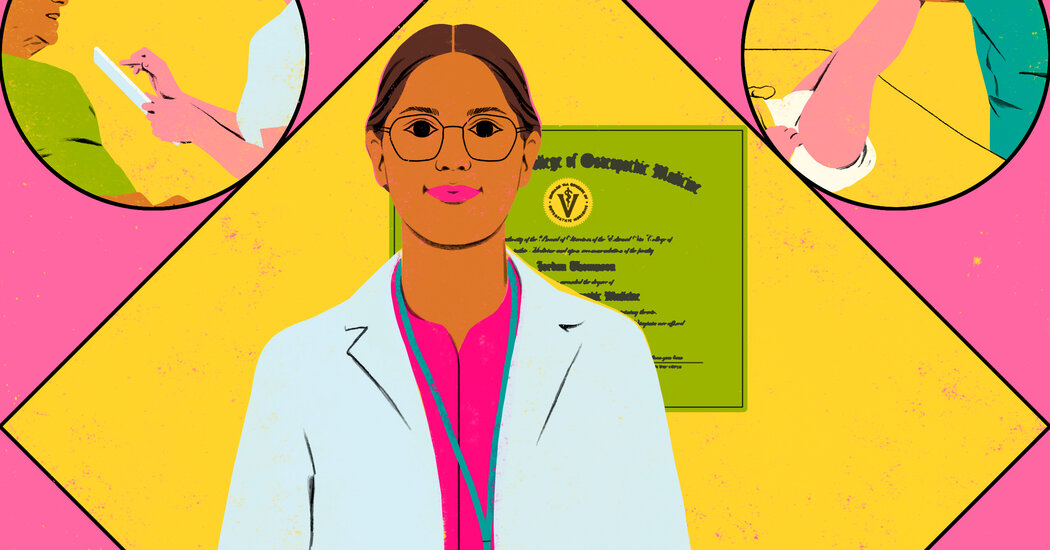
The number of osteopathic doctors (D.O.s) has grown significantly, and they now practice alongside MDs with similar training and responsibilities, but public awareness of what distinguishes D.O.s remains limited, and the profession faces challenges in maintaining its unique identity amidst increasing integration into mainstream medicine.
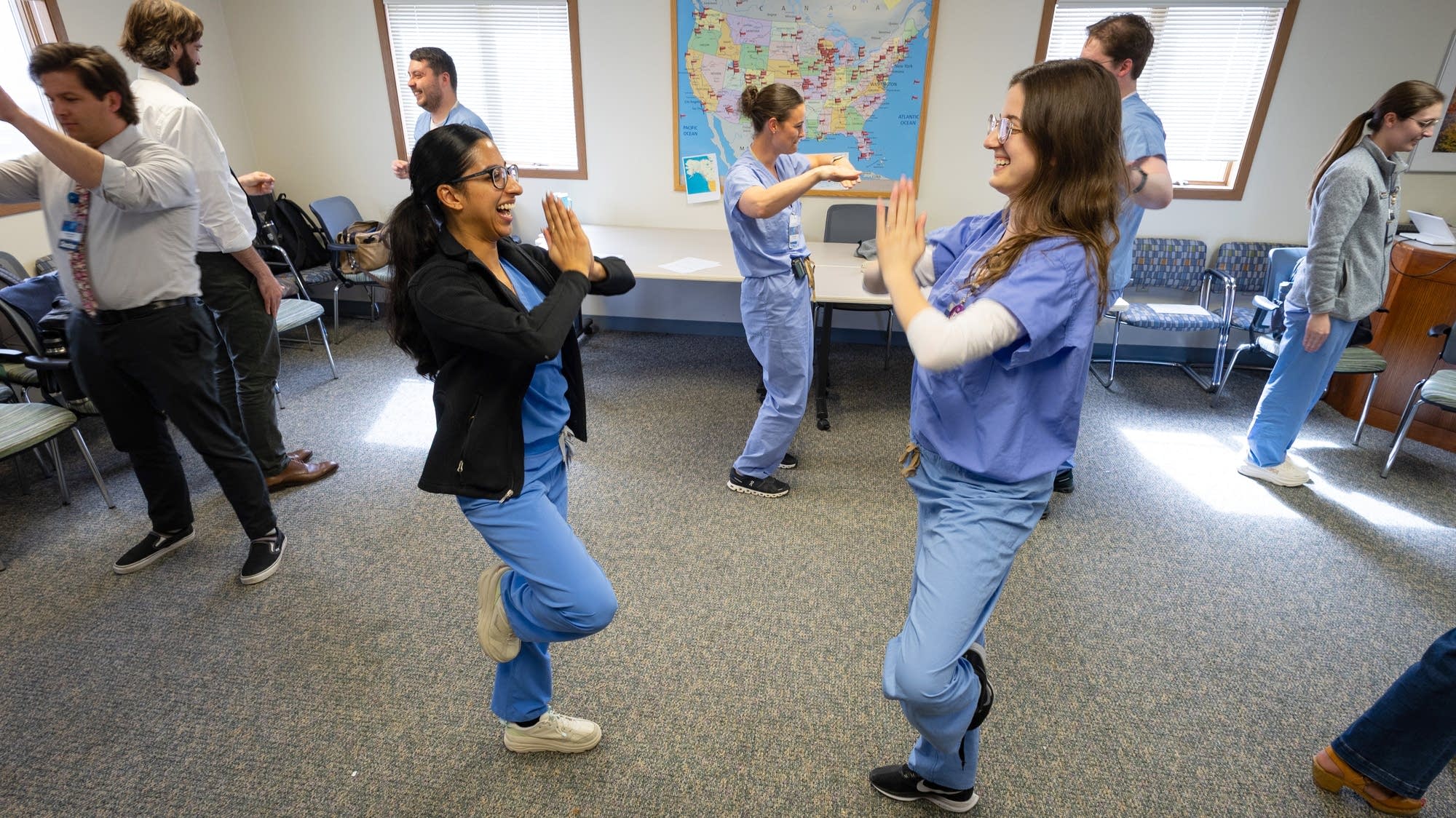
Doctors at Mayo Clinic are using improv theater techniques to enhance their communication, empathy, and adaptability skills, which are crucial for patient care and teamwork. These exercises help physicians connect better with patients and colleagues by practicing humor, curiosity, and body language awareness in a fun, engaging way.
Cervical cancer kills over 300,000 people annually, but can be prevented through vaccination and early diagnosis. The World Health Organization aims to eliminate it by 2030, but faces obstacles such as vaccine hesitancy and lack of funding. Specialists suggest targeting schools for vaccination programs, busting myths through communication campaigns, integrating screening into health-care systems, and using international mentors to train doctors in low- and middle-income countries. Collaboration, funding, and stakeholder cooperation are crucial for successful implementation.
As the US faces a growing physician shortage, nurse practitioners (NPs) and physician assistants (PAs) are increasingly providing healthcare services. NPs and PAs, trained in the nursing model, offer a holistic approach to patient care, focusing on personal goals and situations. While doctors are trained in the medical model to diagnose and treat illness, NPs and PAs may have longer visits, providing more time for patient education. For complex medical conditions, doctors have an advantage due to their extensive training, but for less complex cases, NPs and PAs provide safe and cost-effective care. Patients should inquire about their provider's training, seek help if needed, and feel empowered to seek a second opinion if necessary.
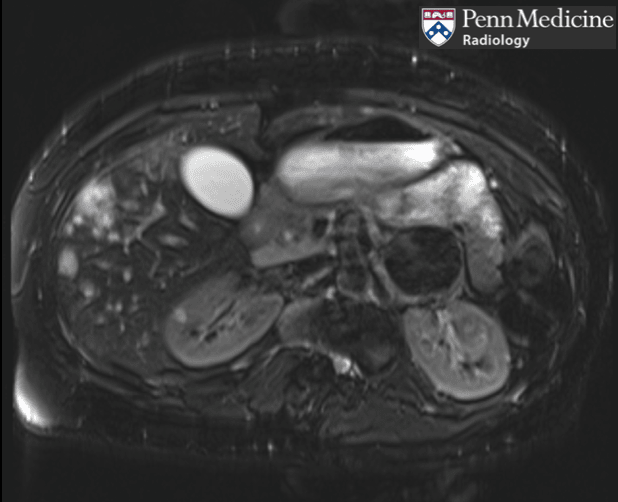
This article provides instructions for medical professionals on how to access and navigate a case study involving a 40-year-old man with an incidental adrenal mass. The case includes a history section, quiz questions, and a discussion section, allowing users to test their knowledge and learn more about the topic.
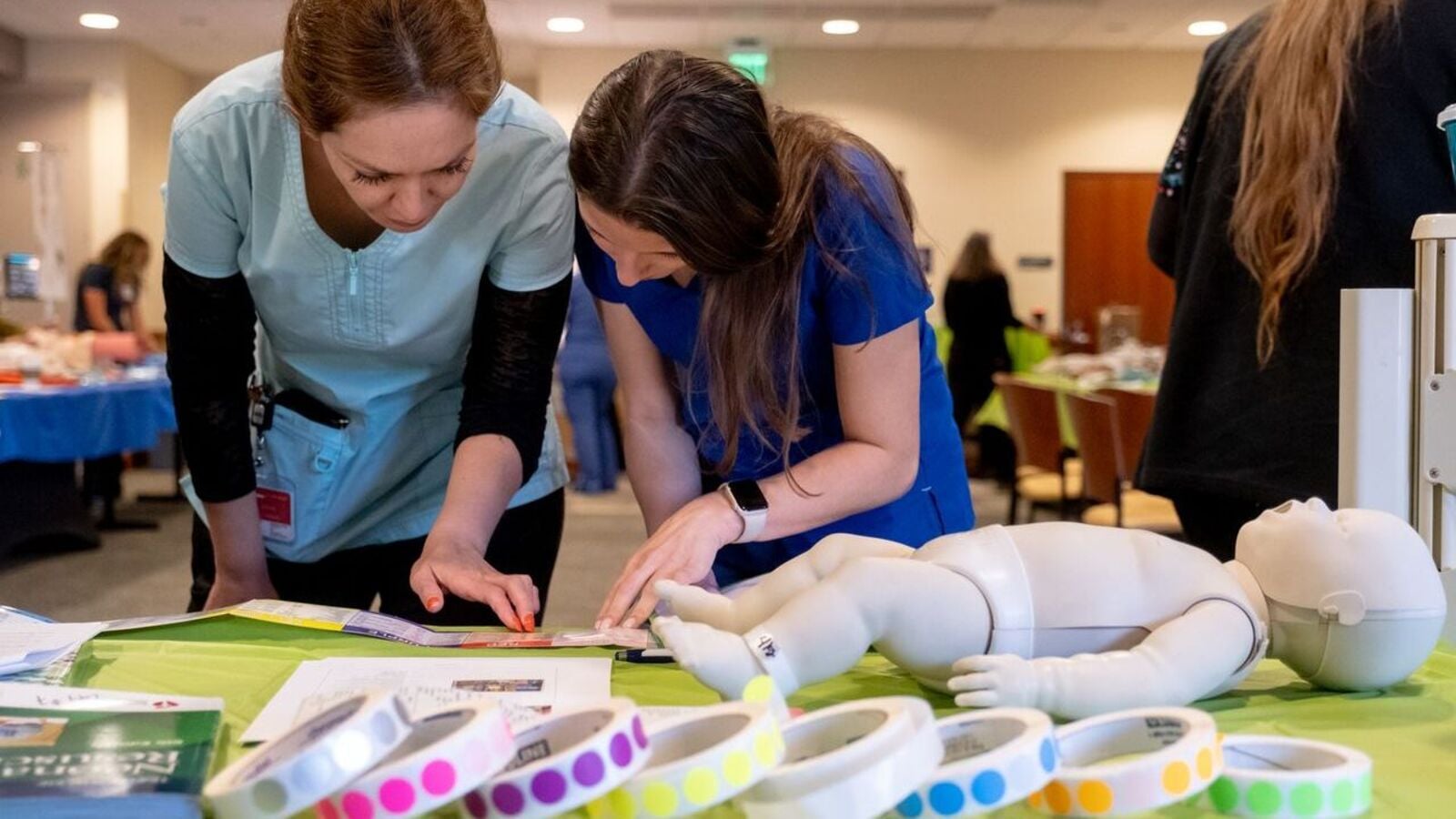
Grand River Health, a small hospital in Colorado, has significantly improved its readiness to treat children in emergency situations. By appointing child-emergency coordinators, color-coding equipment for different-sized children, and providing training for staff, the hospital scored a 97.5 on a pediatric-readiness test. This demonstrates the importance of health authorities in pushing hospitals to improve their emergency care for children. Research shows that prepared emergency rooms increase the chances of survival for critically ill children, but many departments are ill-prepared. Grand River Health's success highlights the need for more pediatric-ready emergency departments nationwide.
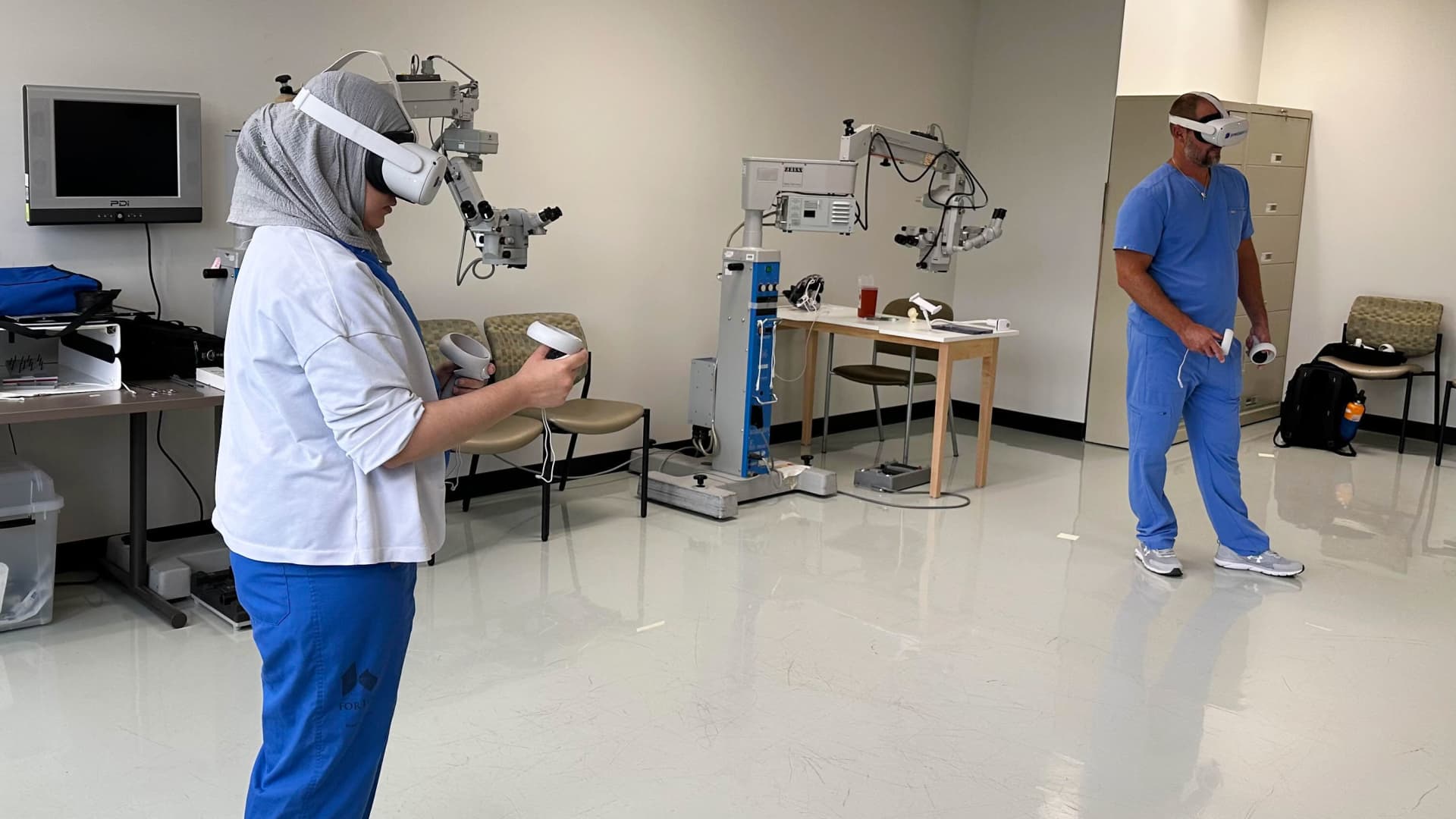
Virtual reality (VR) technology, particularly in the form of VR headsets like Meta Quest 2, is being utilized in healthcare settings to train surgeons and treat patients. Surgeons can practice procedures in a realistic 3D simulation, allowing them to fine-tune their skills and minimize risks to patients. VR is also being used for pain management and behavioral therapy, with promising results. However, the cost-effectiveness of VR in healthcare remains uncertain, and the technology is still considered clunky and not fully functional for medical professionals. Regulatory hurdles and the need for frequent updates to stay current with medical standards are additional challenges. Nonetheless, the field of extended reality in healthcare is growing, with organizations like the U.S. Department of Veterans Affairs and medical schools incorporating VR into their programs.
Medical institutions such as Massachusetts General Hospital (MGH) and Baylor College of Medicine are launching space medicine fellowships to prepare doctors for the unique challenges of providing medical care during space travel and prolonged missions. As space exploration becomes more accessible, there is a growing need for physicians trained in delivering complex medical care in austere environments. The fellowship programs include training in rescue medicine, rotations at NASA and commercial spaceflight companies like SpaceX, and experiences in remote locations on Earth that simulate the conditions of space. Doctors will need specialized knowledge to address the potential medical problems and make sound decisions with limited diagnostic tools. The training will also focus on understanding the effects of space on the human body, such as changes in air diffusion, infection risks, and the impact on vision, muscle, and bone density. The goal is to find the right balance between human physiology and engineering to protect human health during long-term space missions.
Alyssa Nash, a 27-year-old woman from Iowa, has a 99% chance of inheriting the gene mutation for FTD, a rare form of early-onset dementia. Despite this, she remains hopeful about her future. Other health news includes the approval of a new quit-smoking drug, the potential for children as young as 4 to learn medical emergency training, the use of an AI chatbot to supplement cancer care, and a refresher on pool safety basics.
Anna Acosta, Chief Operations Officer of WeAccel and host of the Smart City Diaries podcast, shares her experience of medical discrimination and bias when seeking treatment for a herniated disc. Despite having good health insurance, doctors refused to believe her symptoms and delayed her diagnosis and treatment. Anna believes that biases are inherent in the medical system, starting from medical school, and that doctors are often overworked to the point where empathy is lost. She advocates for a kinder medical system that prioritizes patient care and addresses biases.
Jancee Dunn's book "Hot and Bothered: What No One Tells You About Menopause and How to Feel Like Yourself Again" offers a womanist perspective on menopause, including the effects of racism and race on symptoms. Dunn addresses the lack of menopause training for medical professionals and provides helpful tips for navigating menopause, including seeking treatment if needed and refraining from freaking out. The book's chapters are organized around symptoms and packed with anecdotes and expert interviews. Dunn's ultimate goal is to help women feel empowered and informed during this natural life stage.