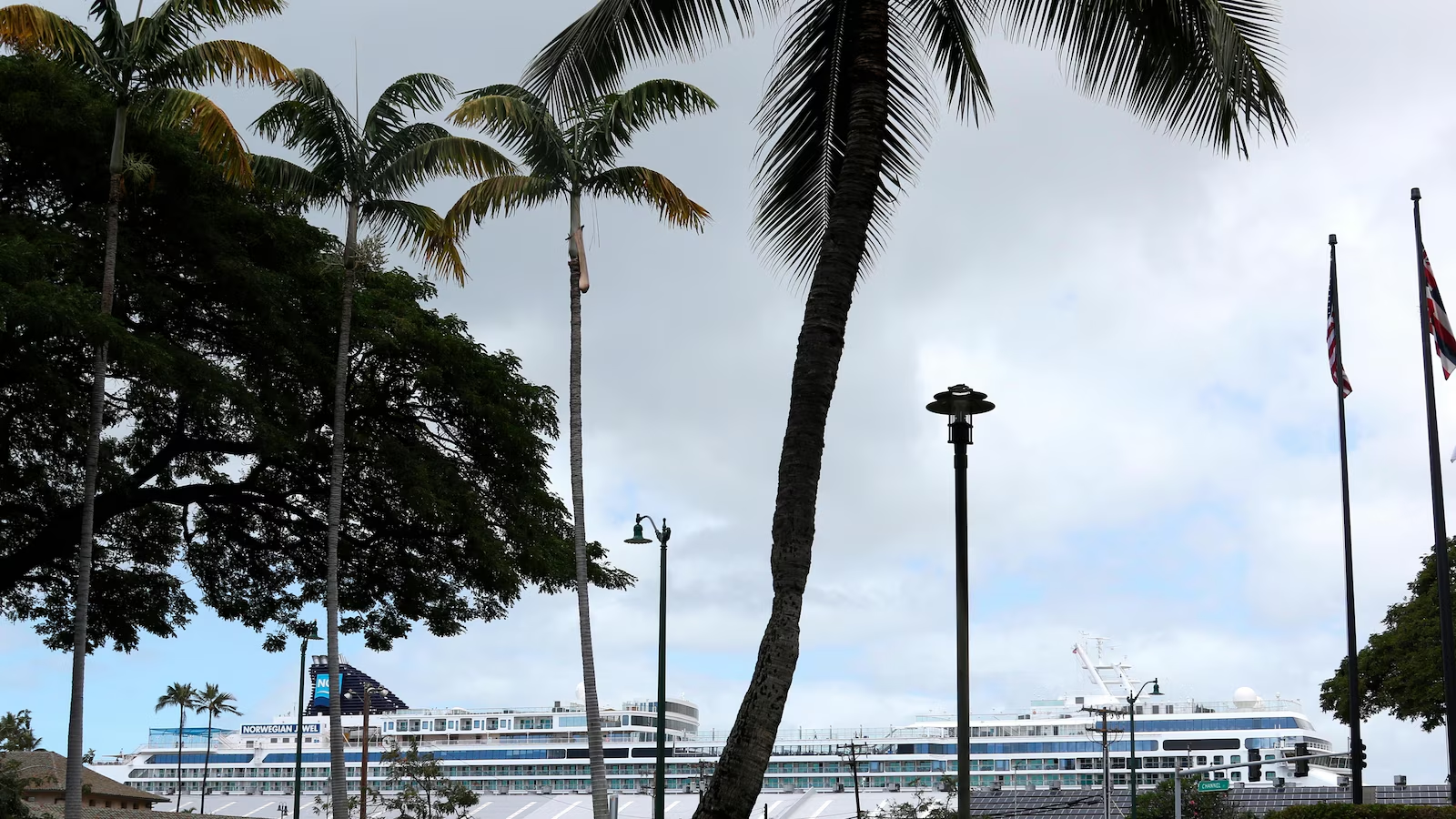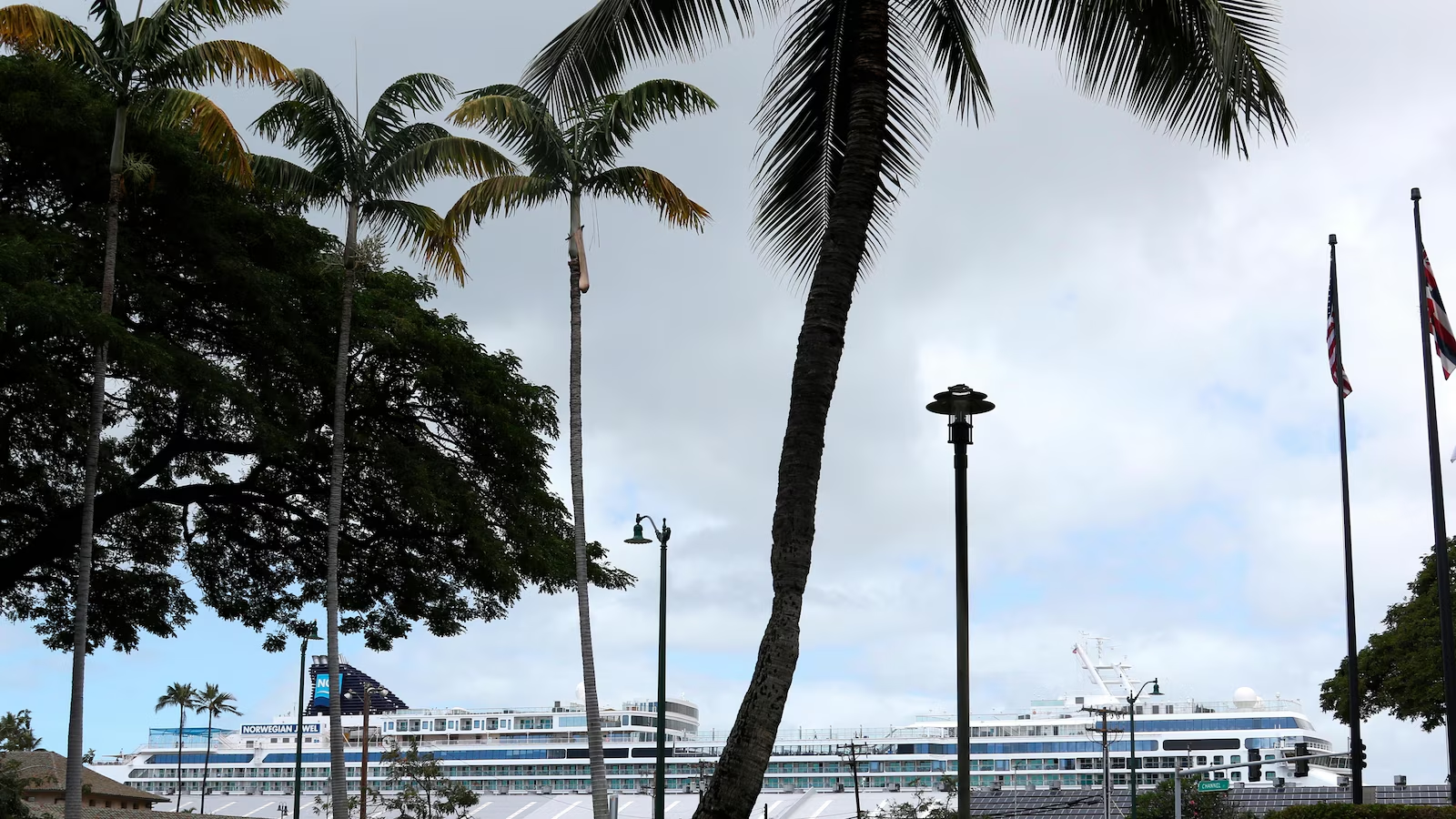
A federal appeals court temporarily blocked Hawaii from enforcing a new climate change tourist tax on cruise ships, which was set to start in 2026, after a lawsuit argued it violated the U.S. Constitution and would increase cruise costs. The law, aimed at raising nearly $100 million annually to address climate-related issues, is now under appeal, with enforcement halted pending the case's resolution.
A federal judge has allowed Hawaii's new climate change tax, which includes an 11% levy on cruise ship passengers, to take effect in 2026, despite legal challenges arguing it violates constitutional rights and could harm tourism; Hawaii aims to use the revenue to address climate-related issues like erosion and wildfires.
A US federal judge upheld the Trump administration's decision to impose a $100,000 fee on new H-1B visa applications, ruling it lawful under broad presidential authority, despite opposition from the US Chamber of Commerce and other legal challenges, signaling a potential restriction on skilled foreign worker immigration.
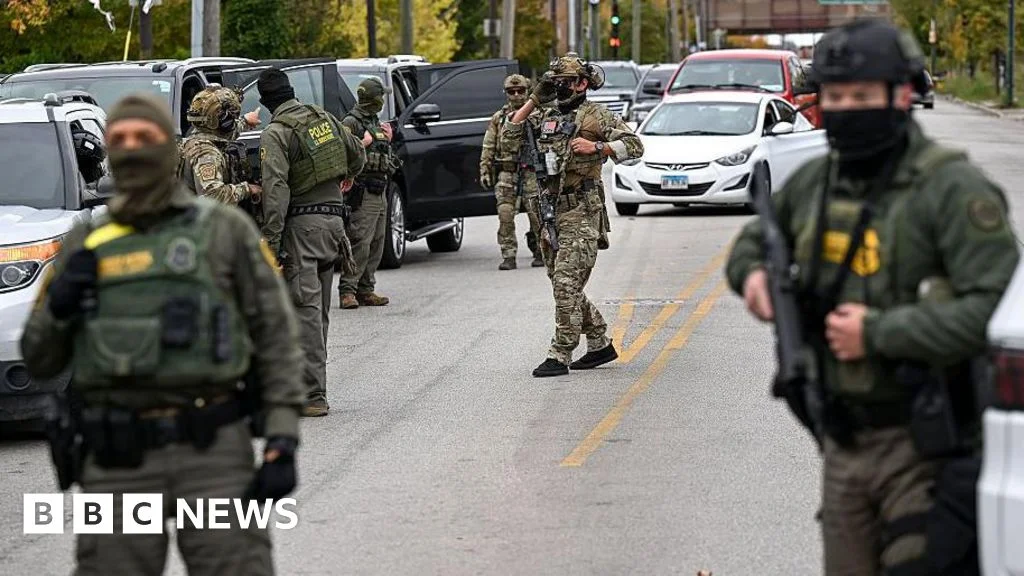
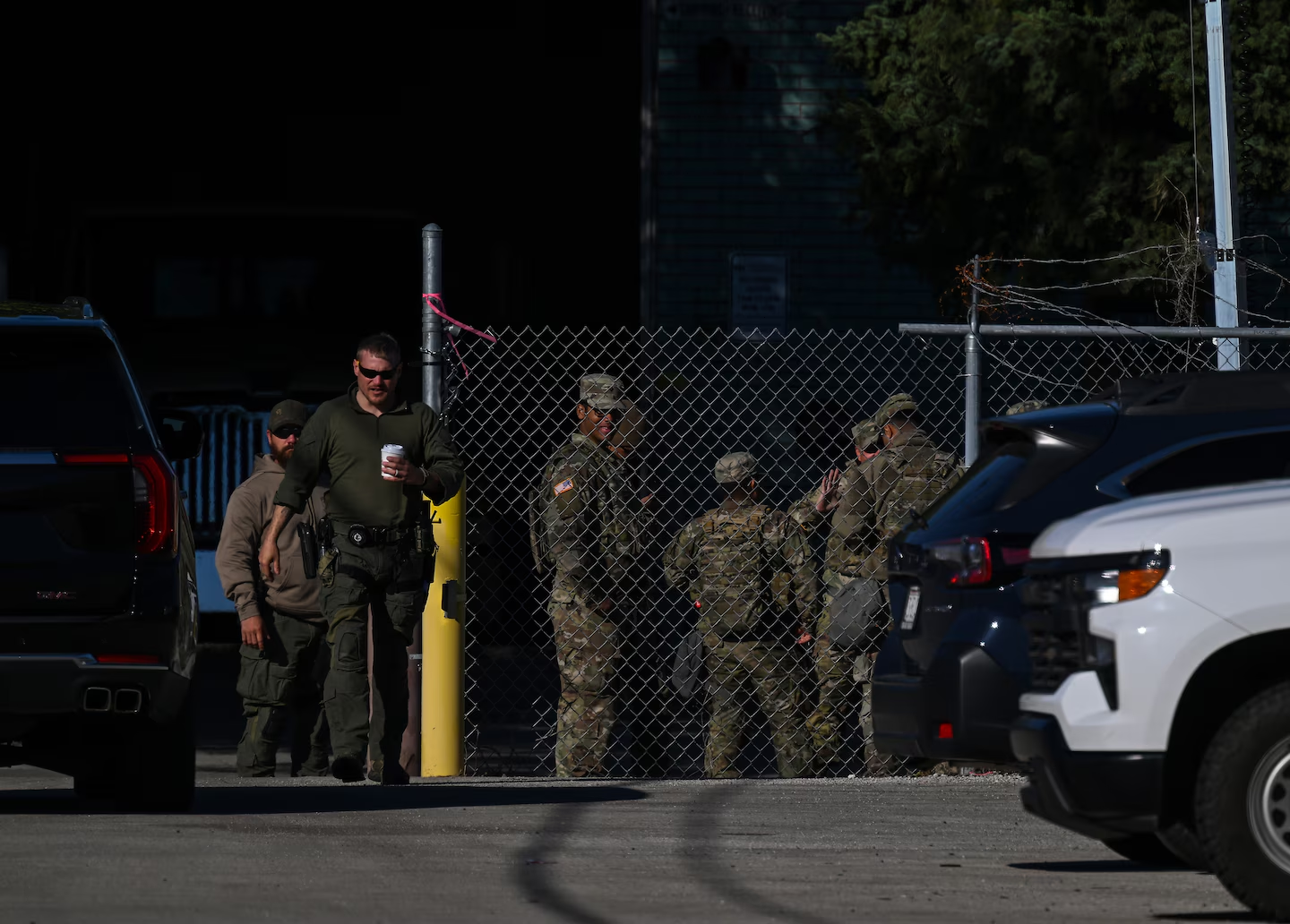
The US Supreme Court rejected Trump's attempt to deploy National Guard troops in Chicago, citing lack of legal authority, marking a rare decision against the administration's efforts to use military force in Democratic-led cities amid protests.
A federal judge in Washington ruled that President Trump's $100,000 fee on new H-1B workers was within his authority under the Immigration and Nationality Act, rejecting the US Chamber of Commerce's challenge that the fee exceeded legal limits and violated procedures.
The Supreme Court has blocked President Trump from deploying the National Guard in Chicago, marking a significant legal setback for his efforts to send troops into cities despite local opposition.
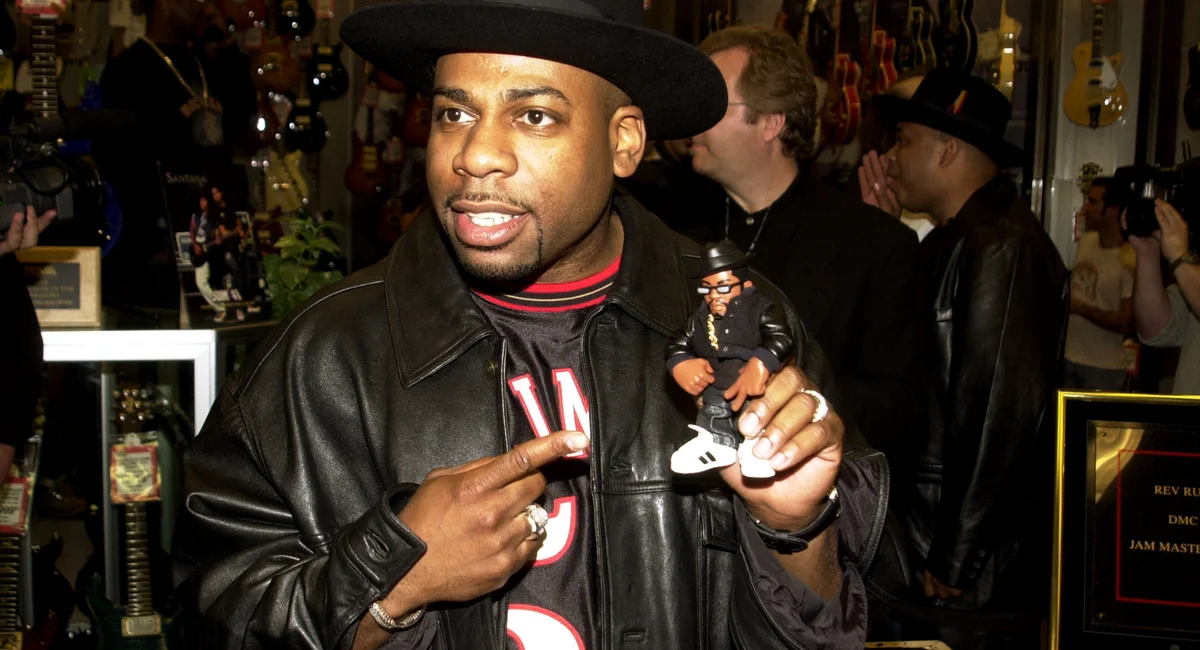
A federal judge in Brooklyn overturned the conviction of Karl Jordan Jr., who was previously found guilty of murdering Jam Master Jay in 2002, citing insufficient evidence of motive, while another man remains convicted and a third awaits trial.
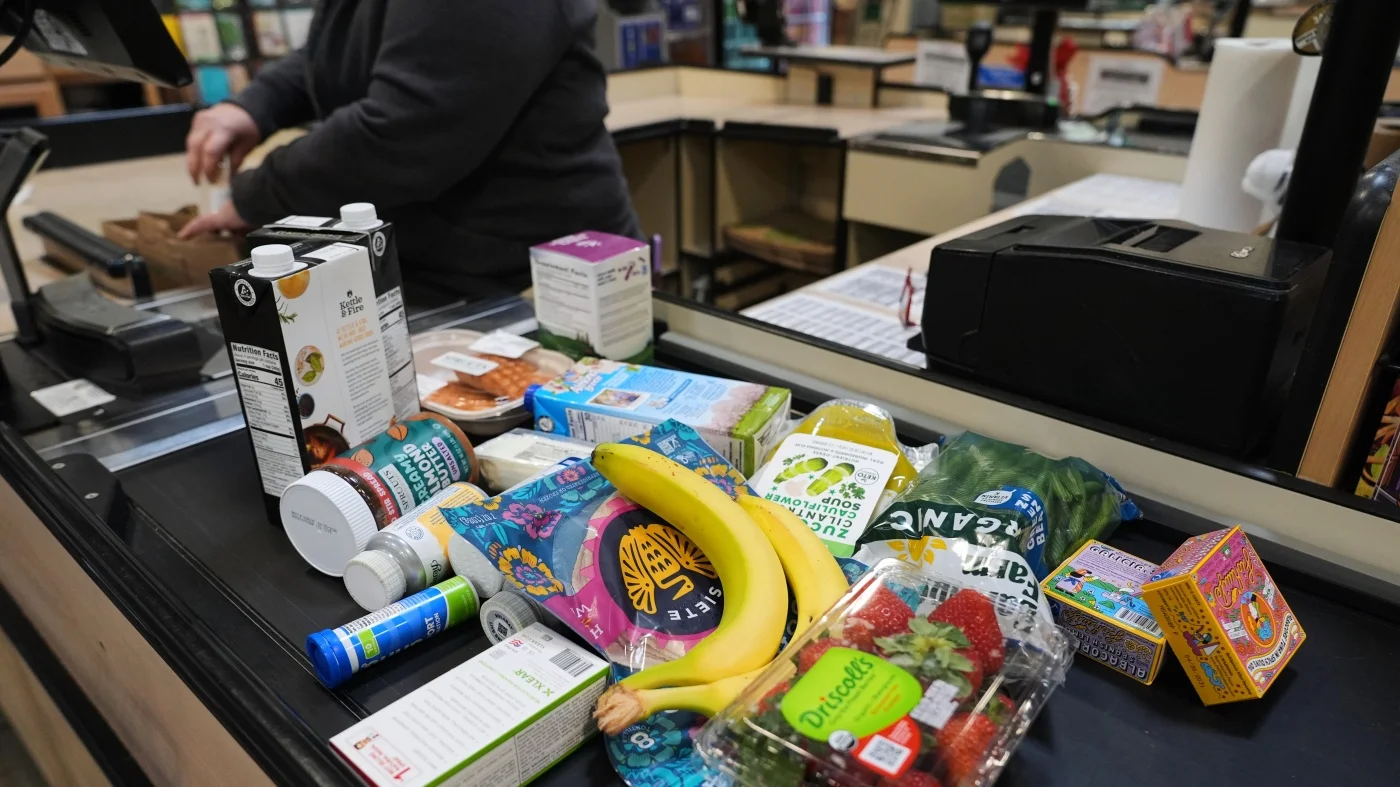
The Supreme Court extended its order blocking full SNAP payments amid the ongoing government shutdown, which could soon end as Congress considers a bill to reopen the government and resume food aid payments. The situation remains chaotic, with some beneficiaries receiving partial or no benefits, and legal battles over the funding continue. The shutdown has caused significant hardship for families relying on SNAP, highlighting the urgent need for resolution.
Islington Council won a High Court case allowing it to vaccinate an eight-month-old baby against her mother's wishes, citing the child's vulnerability to preventable diseases and the lack of scientific evidence linking vaccines to autism, under the authority of the Children Act 1989.
Amid a government shutdown, Democrats criticize the Trump administration for withholding SNAP funds, which federal judges have ruled likely illegal to do so, highlighting ongoing political and legal battles over federal aid and government operations.
Judge Bell dismissed NASCAR's counterclaim against 23XI Racing and Front Row Motorsports, ruling that NASCAR failed to prove an illegal cartel or antitrust injury, and emphasizing the ongoing legal dispute over the 2025 Charters and team negotiations.
A judge in Ohio has granted a temporary restraining order allowing high school athletes to profit from their name, image, and likeness (NIL), potentially enabling all students in the Ohio High School Athletic Association to enter into NIL deals, marking a significant shift in high school sports regulations.
A federal judge temporarily blocked the Trump administration from firing over 4,100 federal workers during the government shutdown, citing concerns that the layoffs appeared politically motivated and were carried out without proper consideration, highlighting the human and legal implications of the shutdown and administrative actions.
A US district judge extended a temporary restraining order preventing the Trump administration from deploying National Guard troops to Portland, as legal challenges continue and the case awaits trial, amid broader disputes over federal efforts to mobilize troops in Democratic-led cities.
A federal judge temporarily blocked the Trump administration from deploying 500 National Guard troops to Chicago, citing concerns that such deployment could escalate civil unrest and noting that protests have been largely peaceful, with federal actions often provoking violence. The judge's decision emphasizes the importance of local law enforcement and questions the reliability of DHS's account of events, while the administration plans to appeal.