Brian Heywood, a Seattle-area hedge fund founder, has spent over $11 million since 2022 to promote conservative ballot measures in Washington, including parental rights and transgender athlete bans, aiming to influence state legislation and voter decisions.
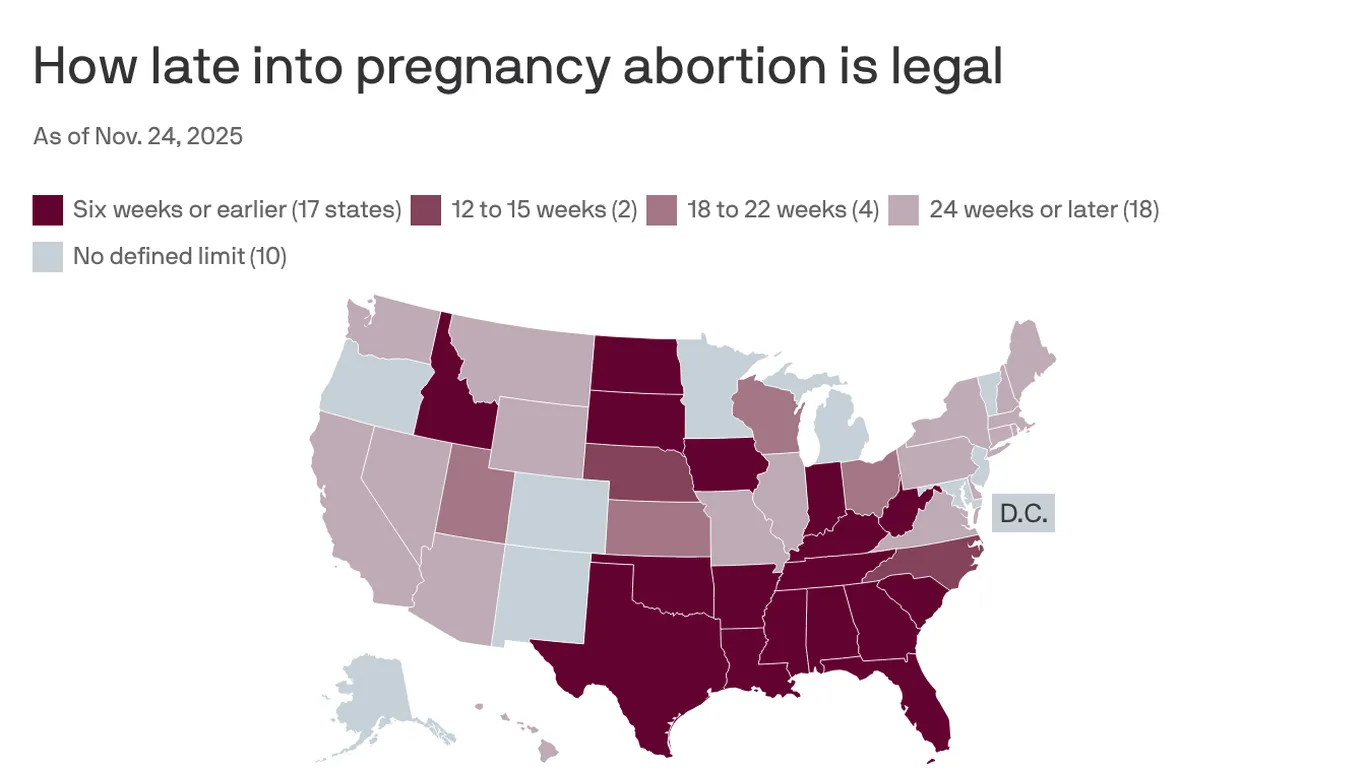
Several key states including Missouri, Nevada, Virginia, Idaho, Oregon, and Nebraska are poised to influence abortion access through upcoming ballot measures in 2026, with debates over constitutional protections, restrictions, and broader reproductive rights amid ongoing legal and political shifts post-Roe v. Wade overturn.
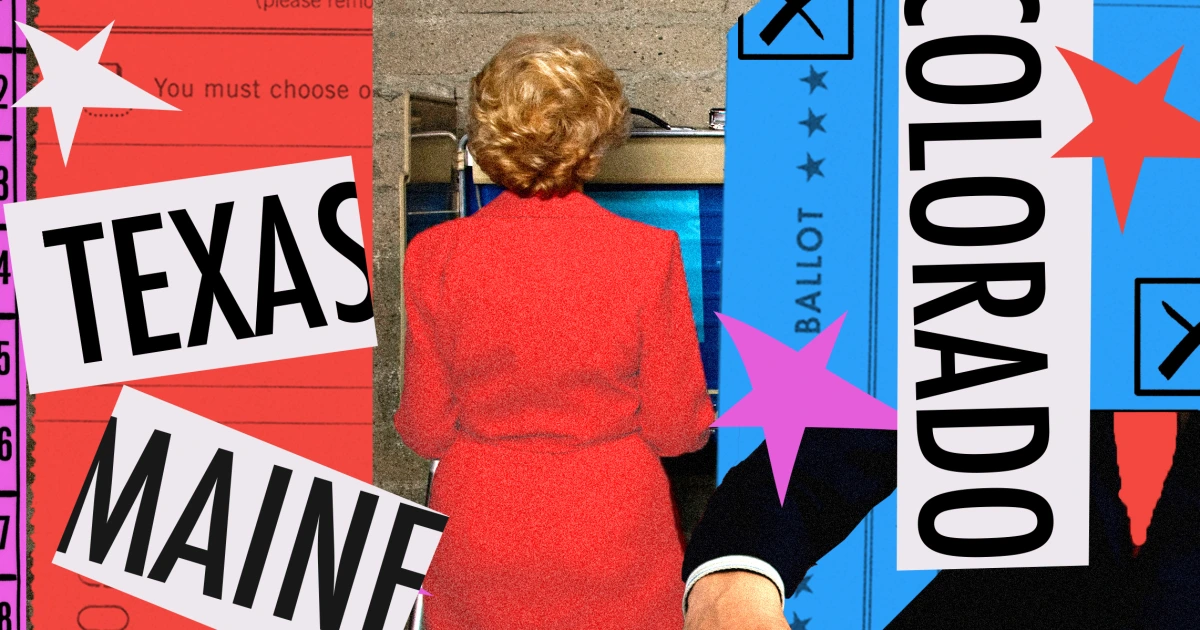
Maine voters approved a 'red flag' law allowing family petitions to confiscate firearms from at-risk individuals, becoming the 22nd state with such legislation, while rejecting a measure that would have changed election laws. Texas voters approved amendments to clarify parental rights and restrict voting to U.S. citizens, with both measures supported by state leaders. The votes reflect ongoing debates over gun safety, voting rights, and constitutional protections.
Minnesota's 2025 Election Day features key races including state Senate control, Minneapolis and St. Paul mayoral races, a 'Right to Repair' ballot measure in Duluth, and local school and county board elections, with voting procedures and registration details provided.
Missouri Governor signed a bill to rollback a voter-approved minimum wage increase and paid sick leave, reflecting Republican efforts to limit the impact of ballot measures that often support Democratic causes, amidst broader struggles over direct democracy in Republican-led states.
A Lancaster County District Court judge dismissed legal challenges against Nebraska's medical cannabis ballot petitions, allowing them to proceed to the 2024 general election. The lawsuit, led by former state senator John Kuehn and supported by the Nebraska Secretary of State and Attorney General, failed to invalidate enough petition signatures. Despite allegations of circulator fraud and improper notarizations, the court found insufficient evidence of widespread wrongdoing. The ruling is expected to be appealed to the Nebraska Supreme Court.
Nebraskans voted on six ballot measures, with five receiving majority support, including initiatives on medical cannabis, abortion, school choice, and paid sick leave. Medical cannabis measures will take effect upon the governor's proclamation, pending a court ruling. A measure restricting abortion after the first trimester passed, while a competing measure to enshrine abortion rights failed. A school choice repeal measure passed, and a paid sick leave initiative will take effect in 2025. The State Canvassing Board will certify results in December, with potential recounts and legal challenges ongoing.
In the 2024 Colorado elections, most races and ballot measures have been decided, with seven out of eight Congressional district races called. The 8th District race between Republican Gabe Evans and Democrat Yadira Caraveo remains too close to call. Key ballot measures passed include property tax exemptions for veterans, the establishment of an independent judicial board, and the right to abortion. Denver voters approved a sales tax increase for Denver Health and collective bargaining for city employees, among other measures.
California's 2024 ballot propositions are still being counted, with 5.4 million ballots remaining. Proposition 3, which amends the state constitution to remove language defining marriage as between a man and a woman, and Proposition 36, which increases punishments for certain theft and drug offenses, have passed. Proposition 33, which would have allowed rent control, was rejected. Several other propositions, including those on public school bonds, environmental bonds, and minimum wage increases, remain undetermined as counting continues.
Recent pro-abortion ballot measures passed in seven US states, including Arizona and Missouri, aim to enshrine abortion rights in state constitutions, potentially expanding access. However, immediate changes are unlikely due to existing bans and restrictions, requiring litigation and resource ramp-up. Despite these measures, 40% of women of reproductive age still live in states with significant abortion restrictions. The future of abortion access remains uncertain, especially with potential policy shifts under a new Trump administration, which could impact medication abortion and telehealth services.
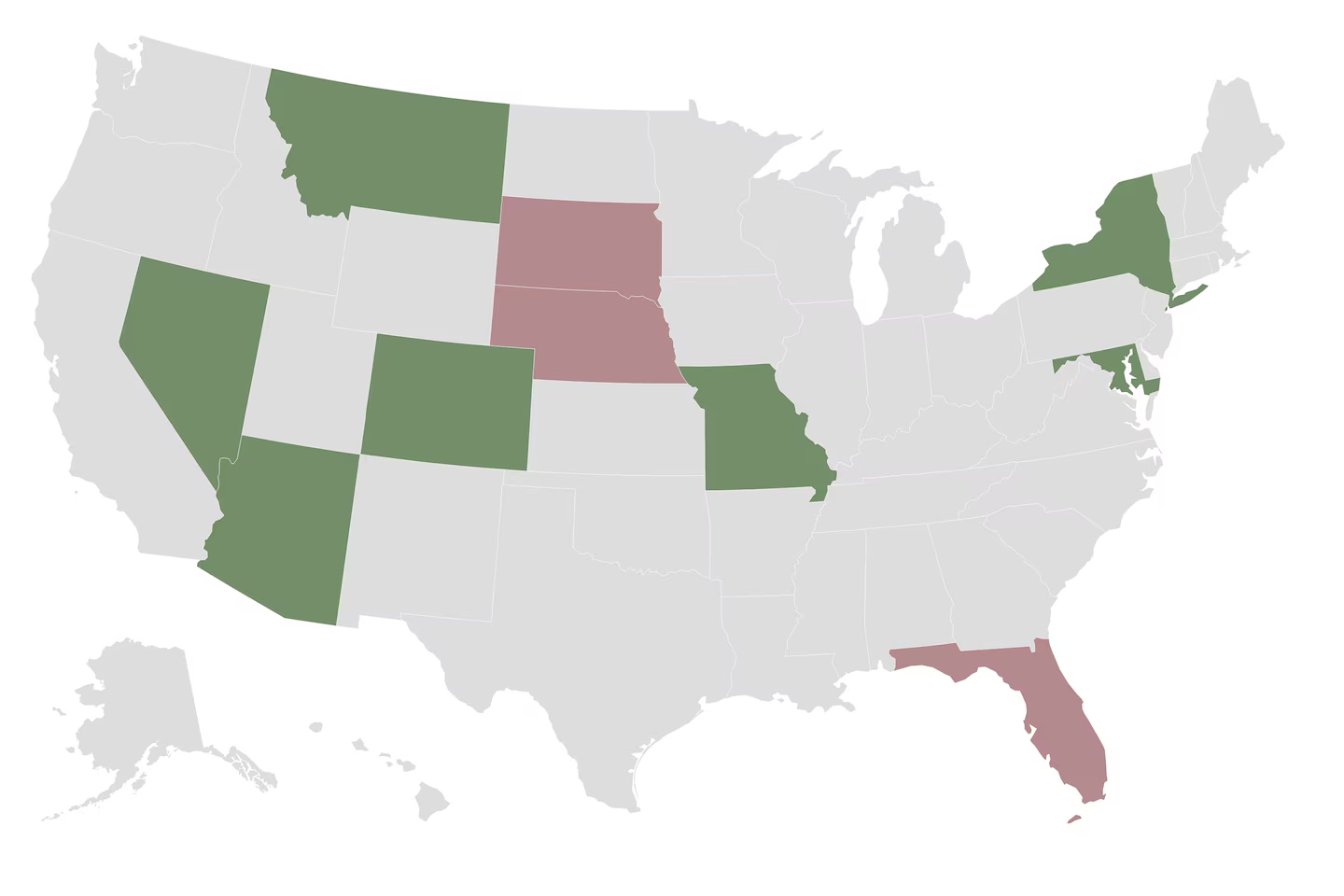
In the 2024 elections, voters in 10 states considered ballot measures on abortion, with seven states approving measures to expand or enshrine abortion rights, while three states rejected them. Notably, Colorado passed a measure to constitutionally recognize abortion rights, while Florida failed to pass a measure to expand access. Since the 2022 Supreme Court decision in Dobbs v. Jackson, states have diverged significantly in their abortion laws, leading to a complex legal landscape. Abortion laws primarily regulate healthcare providers, not women seeking abortions, and often include exceptions for medical emergencies.
Voters in seven states approved ballot measures to protect abortion rights in their state constitutions, potentially enhancing reproductive health care for over 2 million women. However, similar measures in Florida, Nebraska, and South Dakota did not pass, marking the first rejections of such initiatives since the Supreme Court overturned Roe v. Wade in 2022.
In Missouri, voters approved progressive measures like protecting abortion rights and raising the minimum wage, while simultaneously electing Republicans who oppose these initiatives. This pattern reflects a complex political landscape where well-funded campaigns for ballot measures succeed despite the state's conservative leanings. The success of these measures is attributed to significant financial backing and the ability to engage voters on specific issues, bypassing the broader political affiliations that often hinder Democratic candidates in the state.
In the 2024 elections, Oregon Democrats are expected to maintain or expand their legislative majorities, with Democratic candidates leading in key congressional races. While Republicans gained control of the U.S. Senate and Donald Trump won a second presidential term, Oregon's Democratic leaders, including Gov. Tina Kotek, pledged to oppose Trump administration policies. Democrats are projected to win statewide offices, and the state Senate will have a Democratic supermajority. Voters are likely to reject three ballot measures, including ranked choice voting, while approving measures on impeachment and cannabis unionization.

In a significant shift in the post-Roe landscape, Missouri became the first state to overturn a near-total abortion ban, while seven states voted to protect or expand abortion rights. However, anti-abortion forces secured victories in Florida, Nebraska, and South Dakota, ending a two-year winning streak for abortion-rights advocates. Despite aggressive tactics by GOP officials and anti-abortion groups, including legal challenges and public pressure, the fight over reproductive rights continues, with activists planning further initiatives in states like Florida and Arkansas.