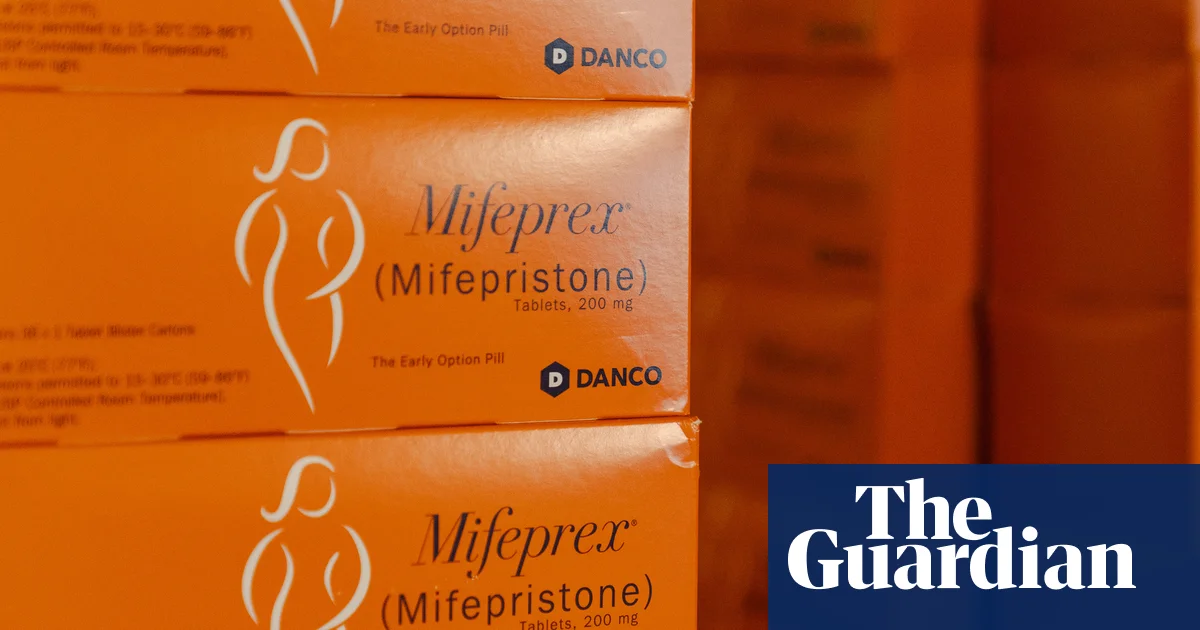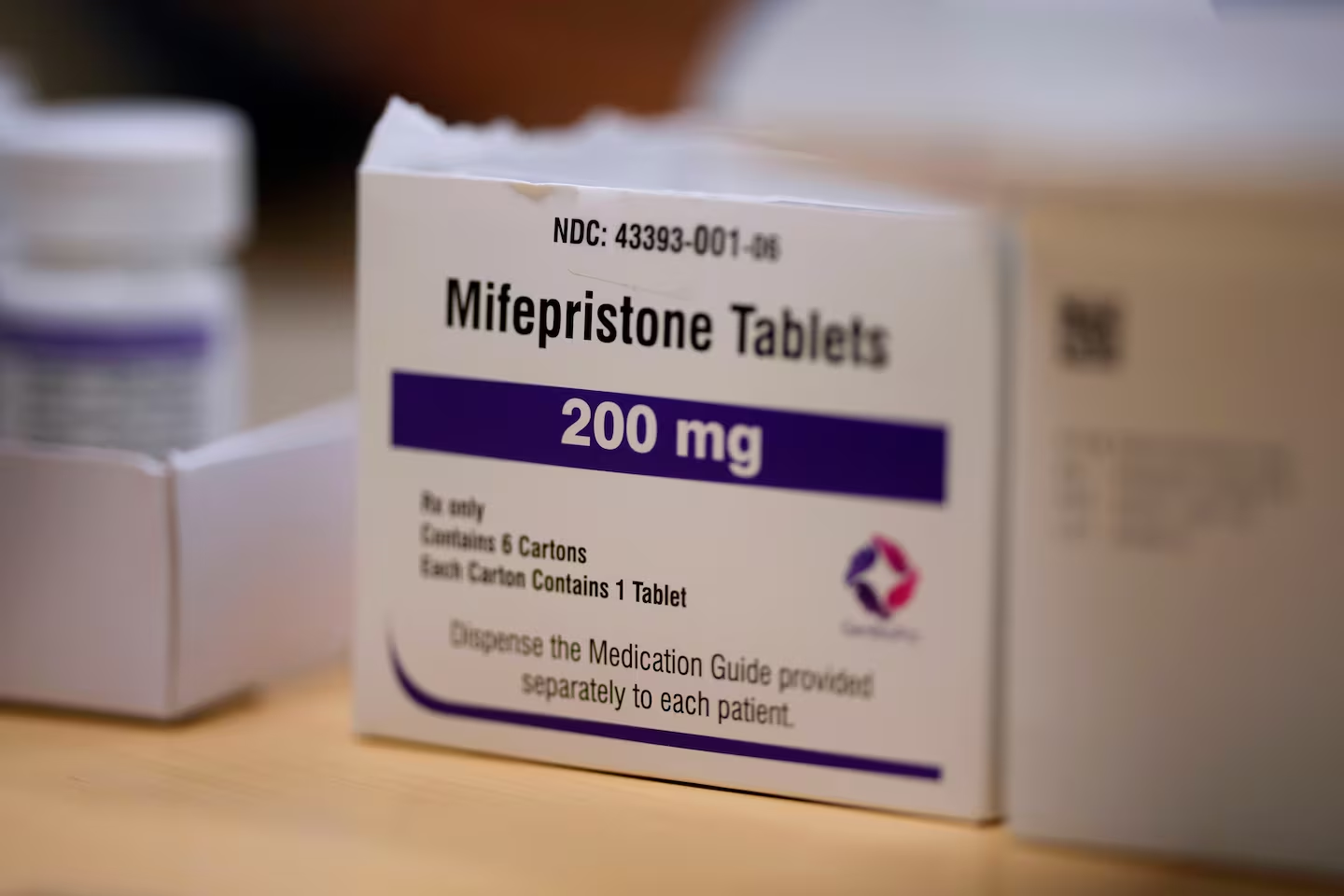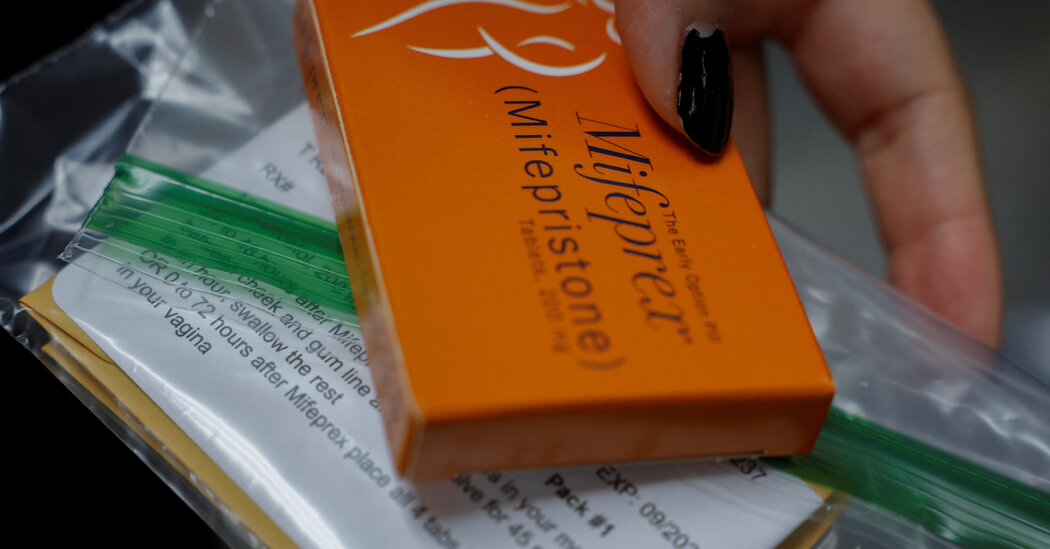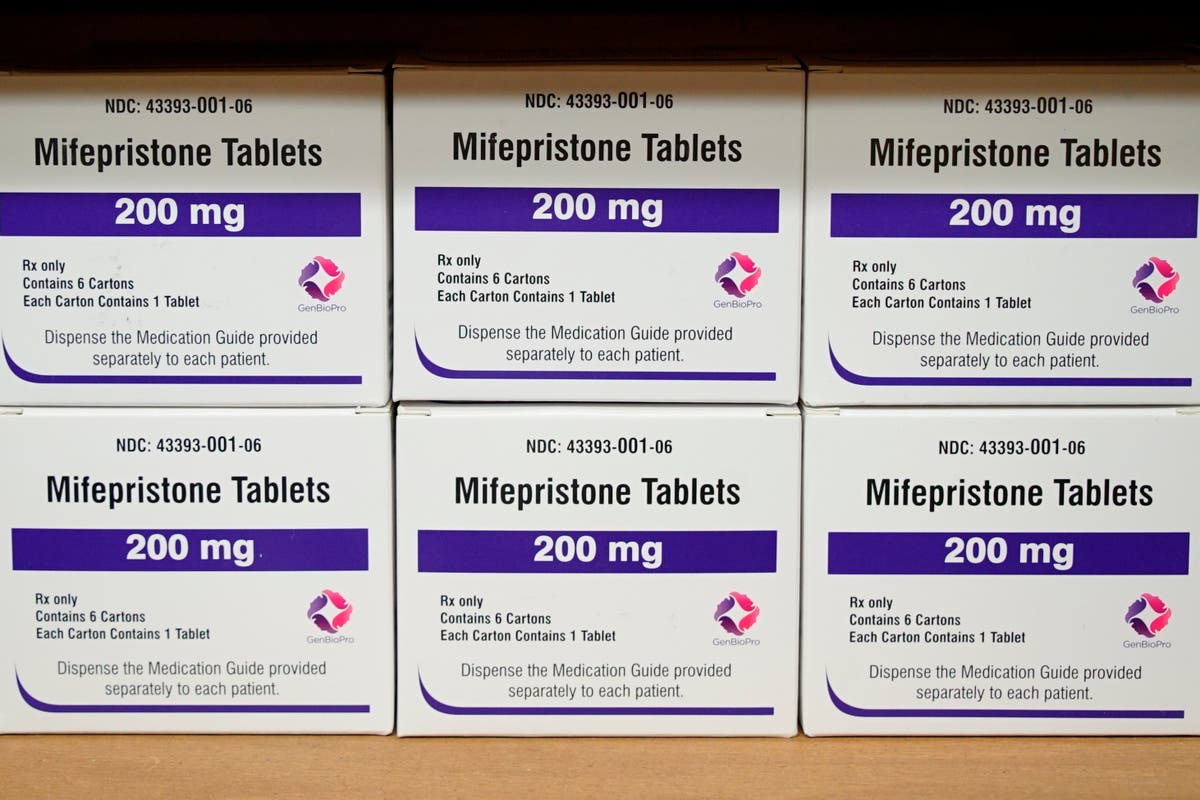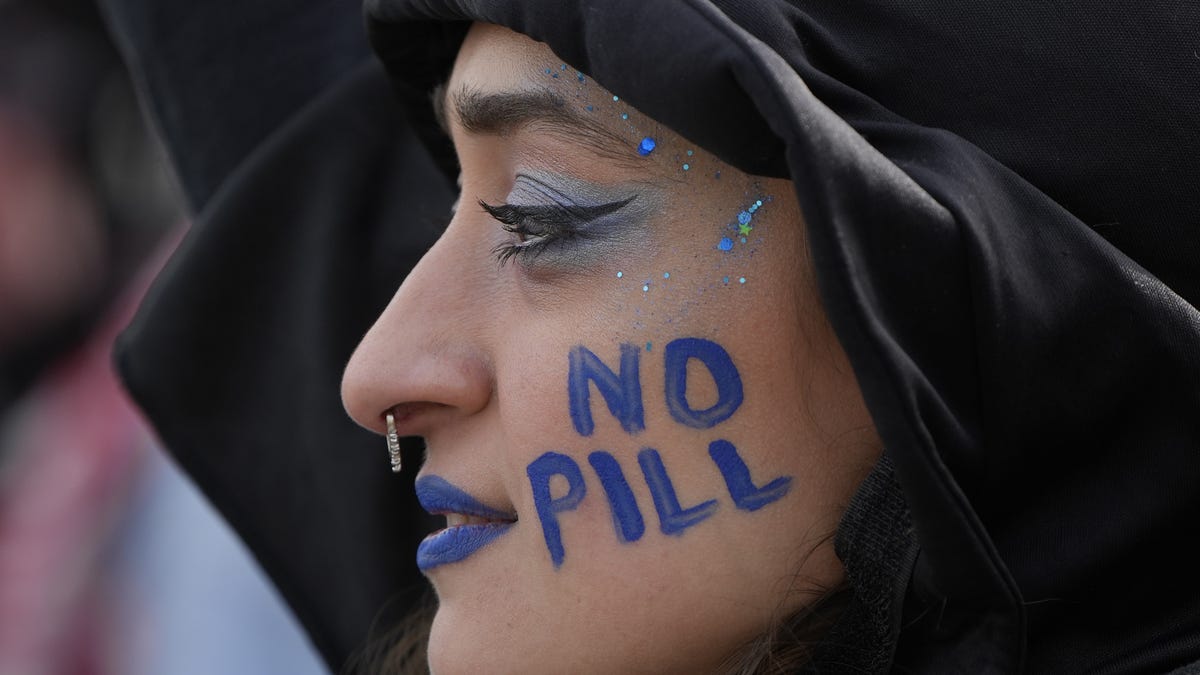
The FDA approved a new generic version of the abortion pill mifepristone, prompting criticism from anti-abortion groups and Republican politicians, amid ongoing political and legal debates over abortion access in the U.S.
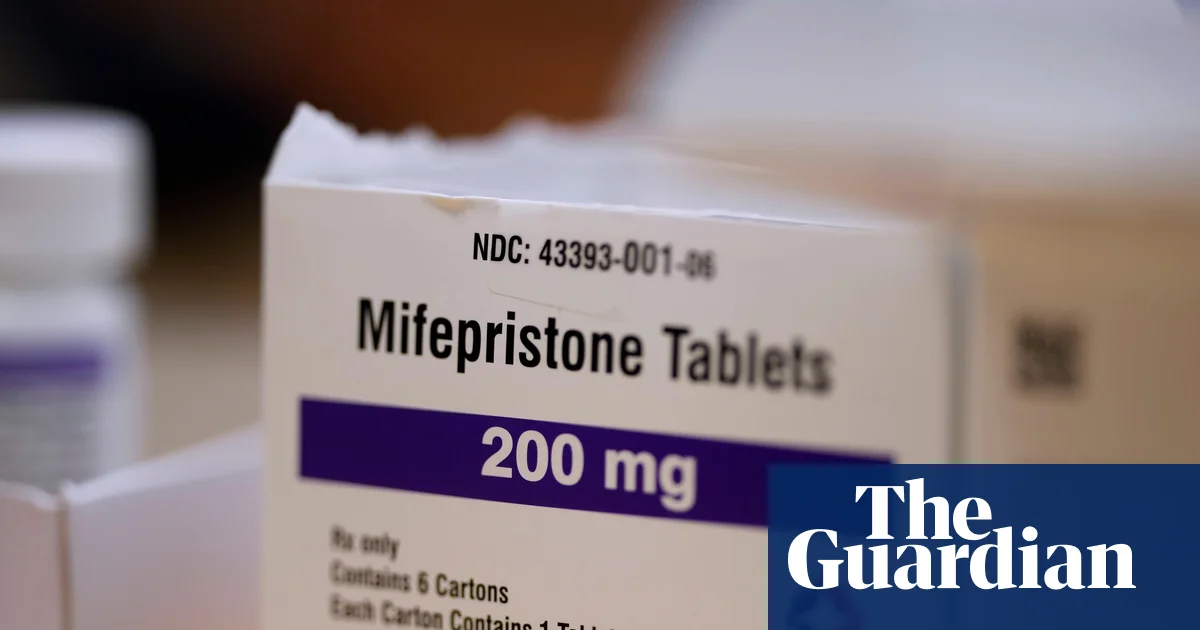
The FDA approved a generic version of the abortion pill mifepristone, sparking outrage among anti-abortion groups who oppose expanded access, despite extensive evidence supporting the drug's safety and efficacy. The approval is seen as a victory for evidence-based medicine by supporters, amid ongoing political and legal debates.
The Trump administration approved a new generic version of the abortion pill mifepristone, sparking outrage among abortion opponents who criticize the administration's handling of drug approvals.
The FDA quietly approved a second generic version of the abortion pill mifepristone from Evita Solutions, just before a government shutdown, amid ongoing debates over its safety and access, with strong support from reproductive health advocates and opposition from anti-abortion groups.
The FDA announced it will study the safety of mifepristone, an abortion pill, which could lead to new restrictions such as requiring in-person dispensing, potentially limiting access via telehealth, especially in states with abortion bans. The move has sparked controversy, with pro-choice advocates arguing it is political interference, while officials claim it is a necessary safety review.
RFK Jr. announced that the FDA will review the safety and efficacy of abortion pills, particularly mifepristone, amid political pressure from anti-abortion advocates. This review could lead to restrictions on the most common abortion method in the U.S., potentially impacting access, especially in states with bans. The move has been criticized by reproductive health organizations and advocates for undermining established safety data and access to medication abortion.
An international group of doctors and scientists suggests that the abortion drug mifepristone could help prevent breast cancer in high-risk women, but stigma and regulatory restrictions hinder further research into its potential beyond abortion use.
Costco has decided not to dispense the abortion pill mifepristone at its pharmacies, responding to pressure from conservative groups aiming to restrict access to medication abortion.
Costco has decided not to sell the abortion pill mifepristone at its pharmacies, citing lack of demand and aligning with a conservative religious coalition that praised the decision, amidst ongoing debates over abortion access in the U.S.
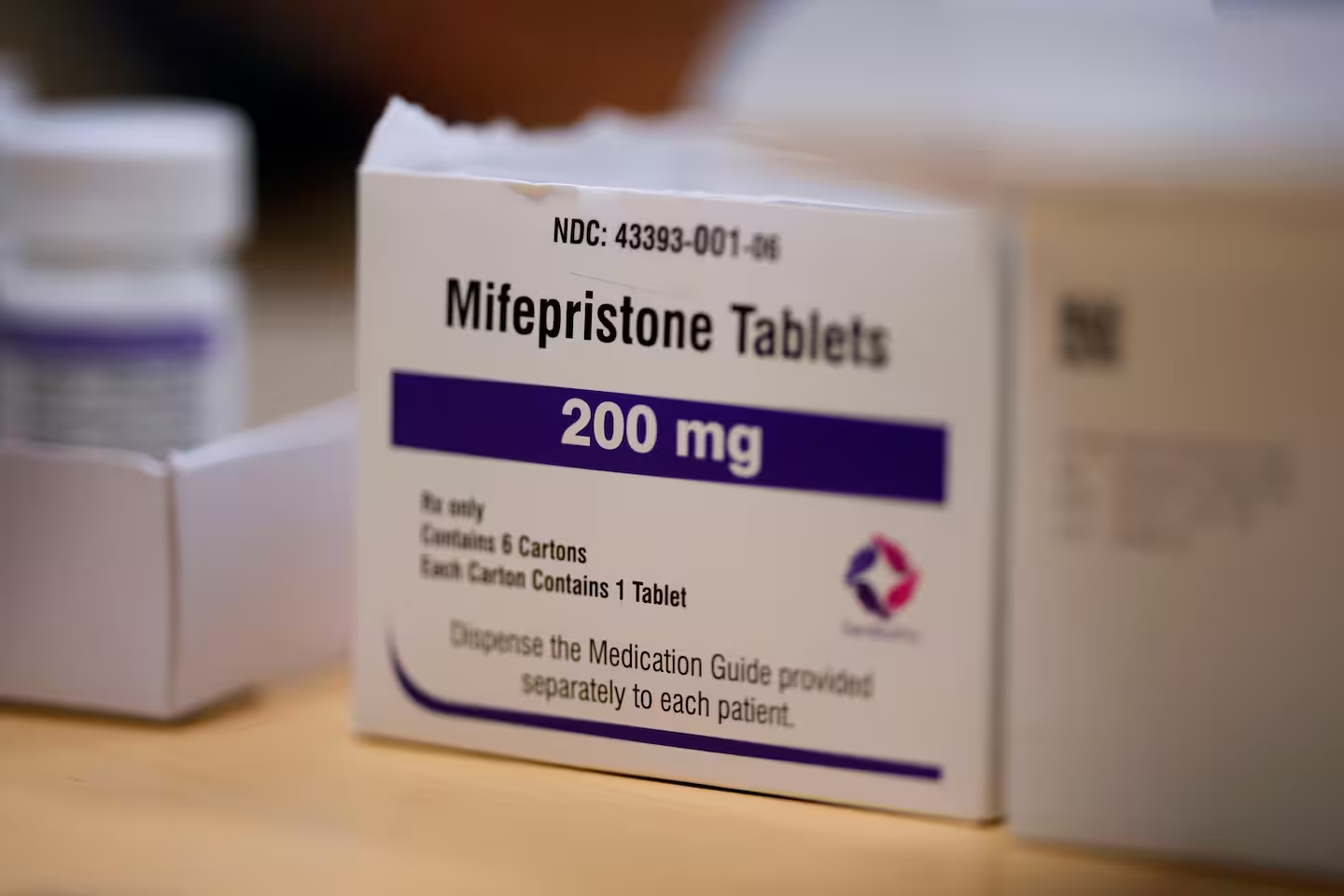
Costco has decided to stop selling the abortion pill mifepristone in all its U.S. stores due to low demand, amid ongoing political and social debates surrounding the medication, which is used for medical abortions and is still dispensed by some other retailers in states where abortion is legal.
Costco has decided not to sell the abortion pill mifepristone at its pharmacies, influenced by religious activists and conservative groups, while other retailers like CVS and Walgreens continue to dispense it in states where it is legal. The decision highlights ongoing political and legal battles over access to reproductive health medications in the US.
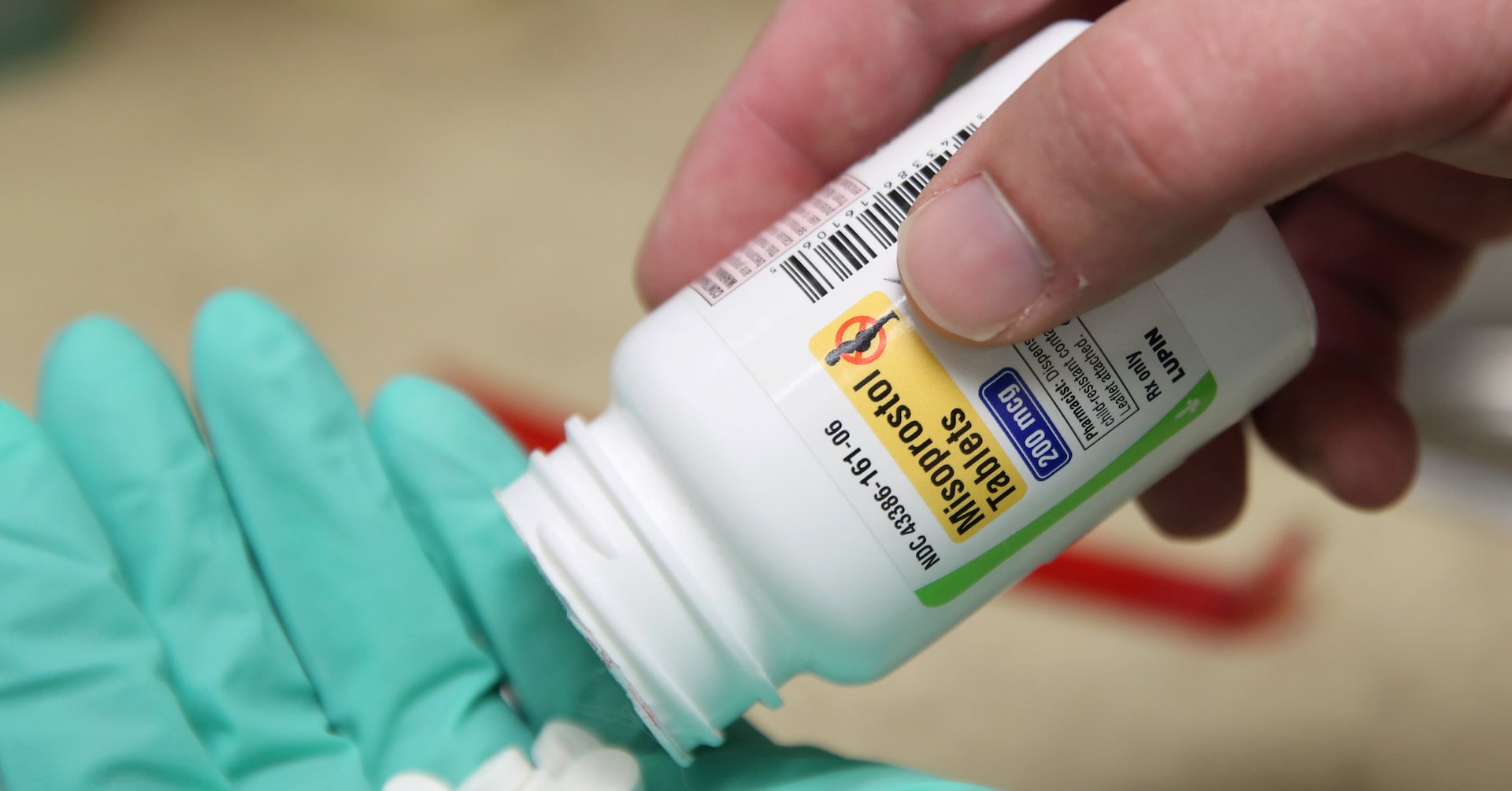
Louisiana's new law reclassifies abortion pills mifepristone and misoprostol as Schedule IV controlled substances, increasing restrictions and penalties for possession without a prescription. Pregnant women are exempt from prosecution, but others who help them obtain the drugs are not. The law could face legal challenges and may inspire similar legislation in other states.
Louisiana is set to become the first state to classify abortion pills mifepristone and misoprostol as Schedule IV controlled substances, making possession without a prescription punishable by fines and jail time. The bill has passed the state's House and is expected to be signed into law by Governor Jeff Landry. This move contradicts federal FDA guidelines, which do not consider these pills to have potential for abuse or dependence.
The US Supreme Court heard oral arguments regarding the FDA's approval of mifepristone, a drug commonly used for pregnancy termination, with even conservative jurists expressing skepticism about reversing the approval. The potential impact of this case on Republicans, particularly in light of recent political setbacks related to abortion issues, is significant. Allowing mifepristone to stay on the market could help Republicans avoid uncomfortable questions and improve their chances in the 2024 elections, despite potential backlash from anti-abortion activists.
Conservative and liberal Supreme Court justices appeared to unite in dismantling arguments by anti-abortion doctors seeking to restrict access to mifepristone, a widely-used abortion drug. The case, which has sparked intense interest, involves a challenge to the FDA's approval of mifepristone and the use of a 19th century anti-obscenity law to ban its mail delivery. Justices expressed skepticism about the doctors' standing to sue and the broad restrictions they sought, while avoiding the question of judicial intervention in FDA decisions. The case could have significant implications for abortion rights and access to mifepristone nationwide.