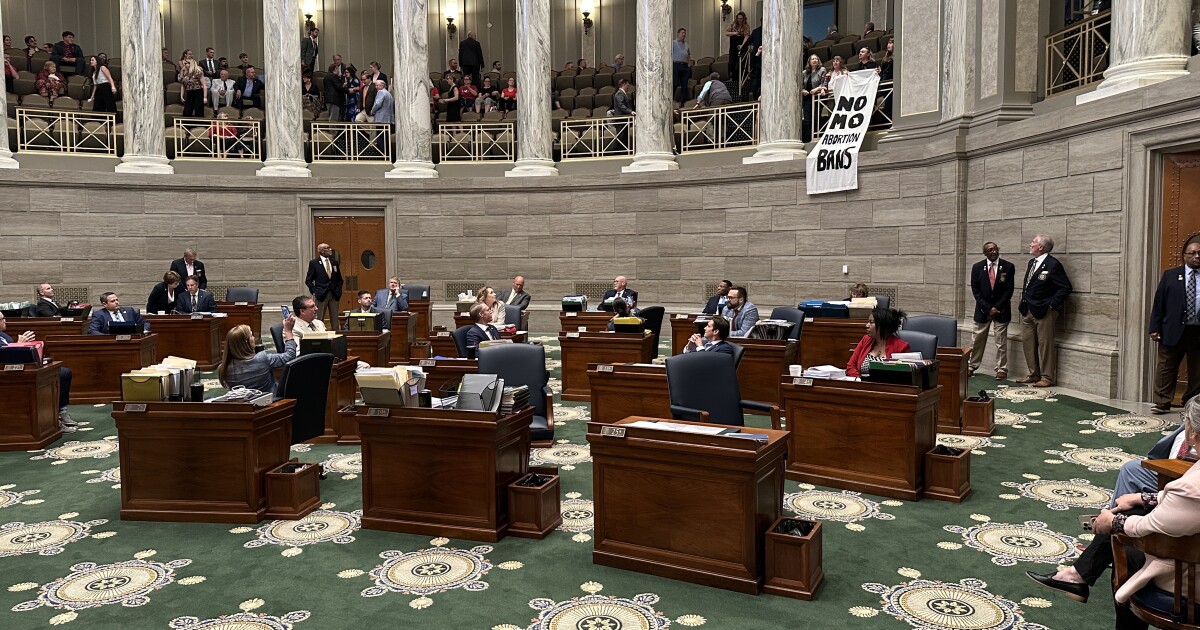
A Missouri judge approved the ballot language for a proposed amendment that would ban most abortions and restrict transgender healthcare for minors, allowing it to appear on the ballot despite criticism from the ACLU that the language is misleading and not fully transparent about the measure's implications.
The Missouri Supreme Court has declined to hear an appeal by Secretary of State Jay Ashcroft regarding the wording of a ballot question on abortion access in the state. Ashcroft had proposed asking voters whether they are in favor of allowing "dangerous and unregulated abortions until live birth," but a state appeals court deemed the wording politically partisan. The decision comes as advocates on both sides grapple with how to word the question that could go on the ballot. In all seven states where abortion has been on the ballot since Roe v. Wade was struck down, voters have either supported protecting abortion rights or rejected attempts to erode them.
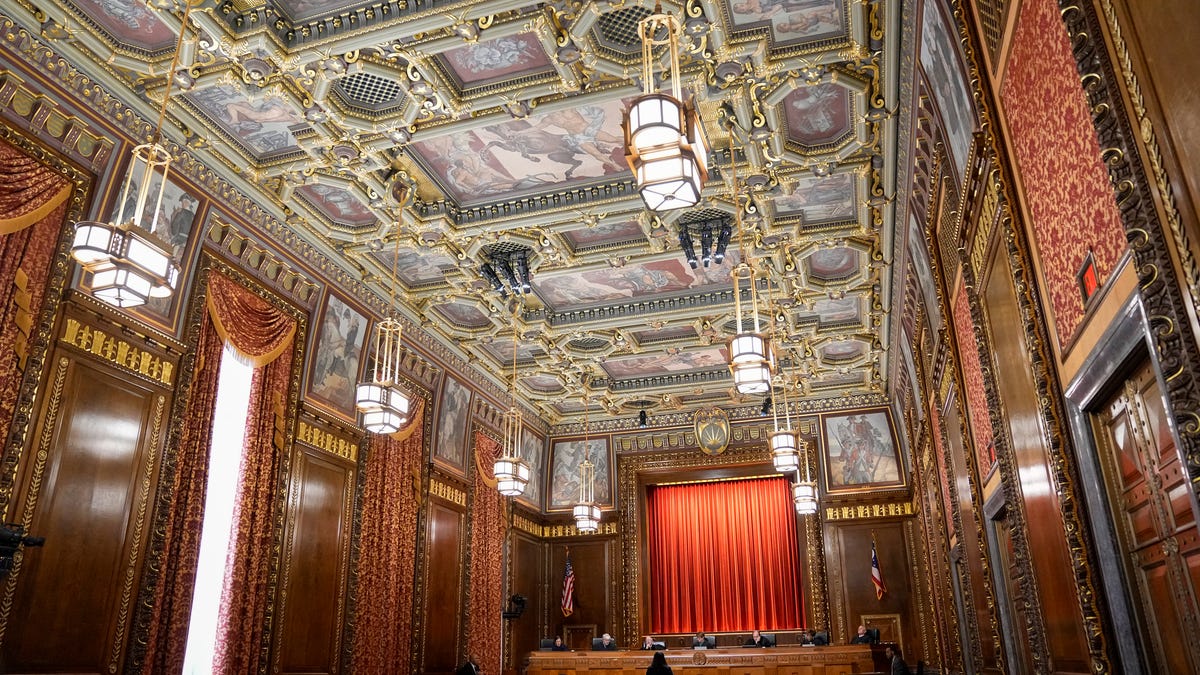
The Ohio Supreme Court has ruled that one element of the ballot language describing a fall abortion rights question is misleading and must be rewritten. The court invalidated language suggesting that the amendment would limit "citizens of the State" from passing laws to restrict abortion access, when it actually limits state government from doing so. The court ordered the Ohio Ballot Board to reconvene and rewrite that section. The decision marks the second time this year that the court has ordered a rewrite of ballot language for constitutional amendments. The approved language would mislead voters by suggesting that the amendment would limit the rights of individual citizens to oppose abortion. The abortion amendment, if passed, would establish a fundamental right to reproductive freedom with reasonable limits.
The Ohio Supreme Court has ordered the Ohio Ballot Board to rewrite some of the ballot language for the August issue to make it harder to amend Ohio's Constitution, but backed other language that opponents said is inaccurate and would mislead voters. The court ordered the board to revisit part of the title and correct an error in the measure, known as Issue 1. Voters will decide Aug. 8 whether it should take 60% of the vote to amend the constitution, instead of a simple majority of 50% plus one.
The Ohio Supreme Court has ordered Republican state officials to rewrite the ballot language summarizing the effects of State Issue 1, which would amend the state constitution to require future amendments to get a 60% supermajority in a statewide vote in a future in order to pass. The court found errors in the ballot language, including one that incorrectly described a new minimum number of voter signatures that amendment campaigns must collect from each Ohio county to qualify for the ballot. The court declined to take a more expansive role in ordering the language to be rewritten, rejecting some of the core arguments from the group whose lawsuit prompted the court’s Monday decision.
Ohio officials acknowledge a mistake in the ballot language summarizing State Issue 1, but argue that it doesn't matter and defend the measure's overall wording as fair and accurate. One Person One Vote, the campaign group working to defeat the measure, filed a lawsuit asking the Ohio Supreme Court to reject the language and order that it be rewritten. The lawsuit argues that Republicans stacked the deck while writing the ballot language and failed to meet legal requirements that the language be accurate and neutral.
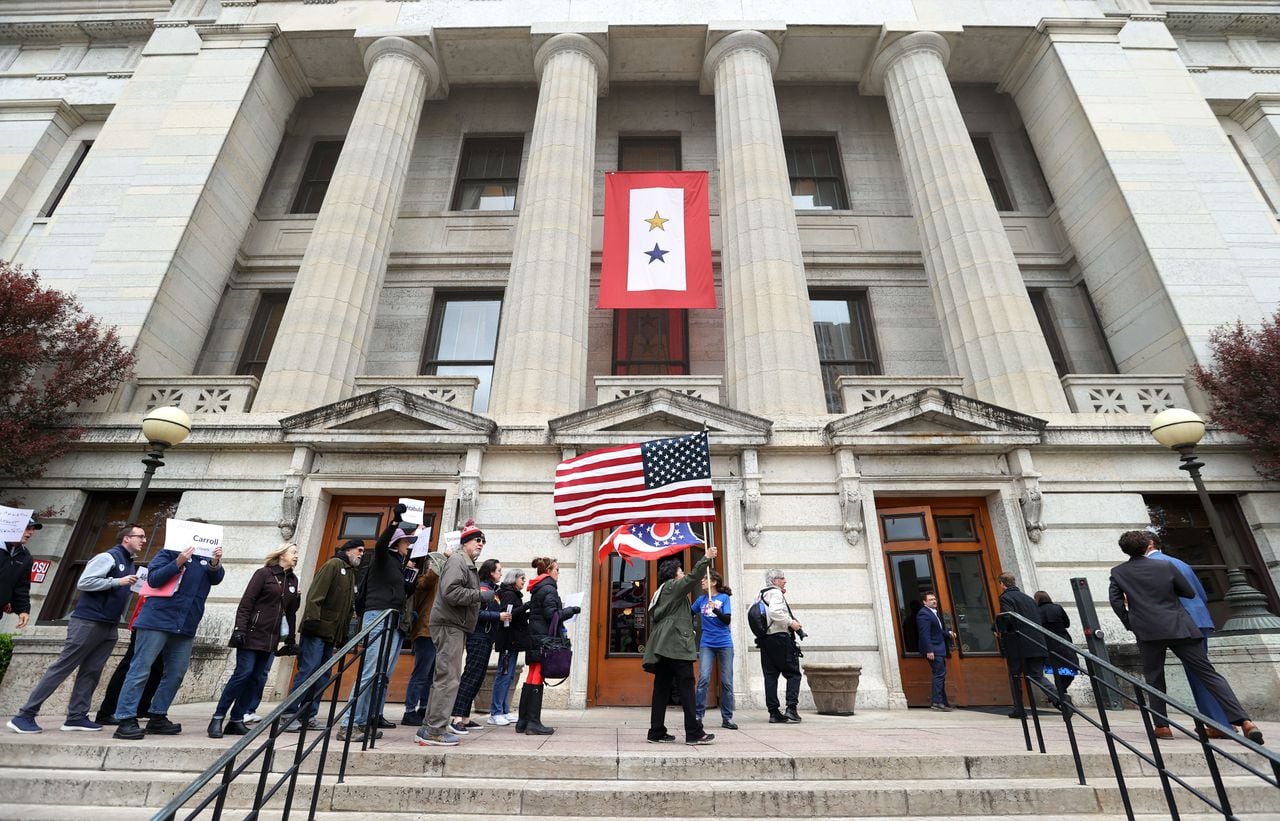
The Ohio Ballot Board has set the language that will appear before voters for the upcoming Aug. 8 election when they’re asked to make it harder to change the Ohio constitution. The ballot language is a key procedural development as the state prepares for the August election, the state’s first to decide a ballot issue since before World War II. State Issue 1 would require a 60% supermajority in a statewide vote to approve future amendments to the Ohio Constitution.