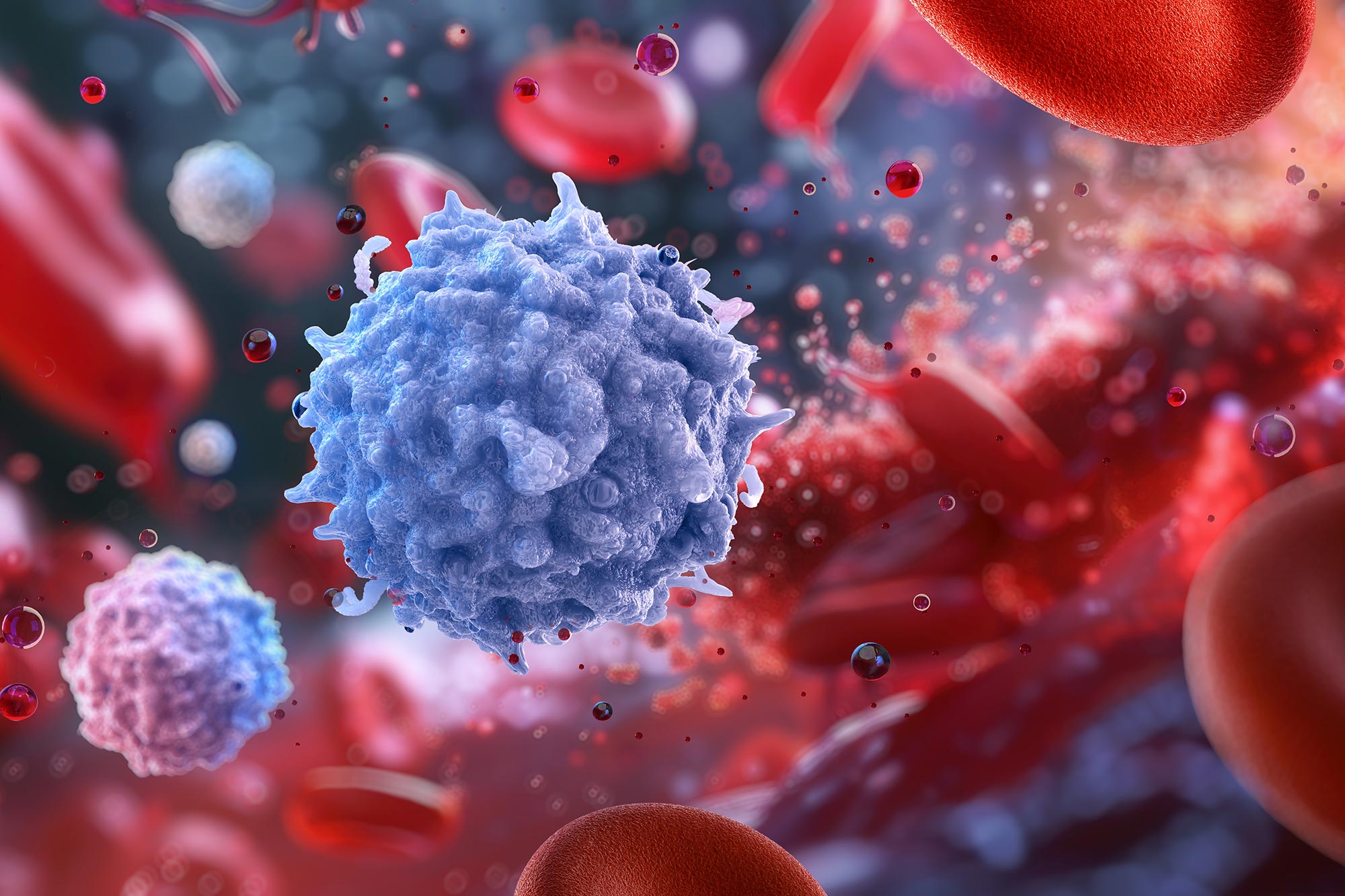
Mount Sinai researchers found that aging in hematopoietic stem cells is driven by hyperactive lysosomes; by inhibiting lysosomal activity in aged cells ex vivo, they restored youthful function and boosted in vivo blood-forming capacity by over eightfold, offering a potential path to treating age-related blood disorders and improving stem cell transplants.
MIT researchers have developed a method to temporarily boost immune function in aging by reprogramming liver cells to produce T-cell supporting signals, improving immune responses and potentially helping older adults stay healthier longer.
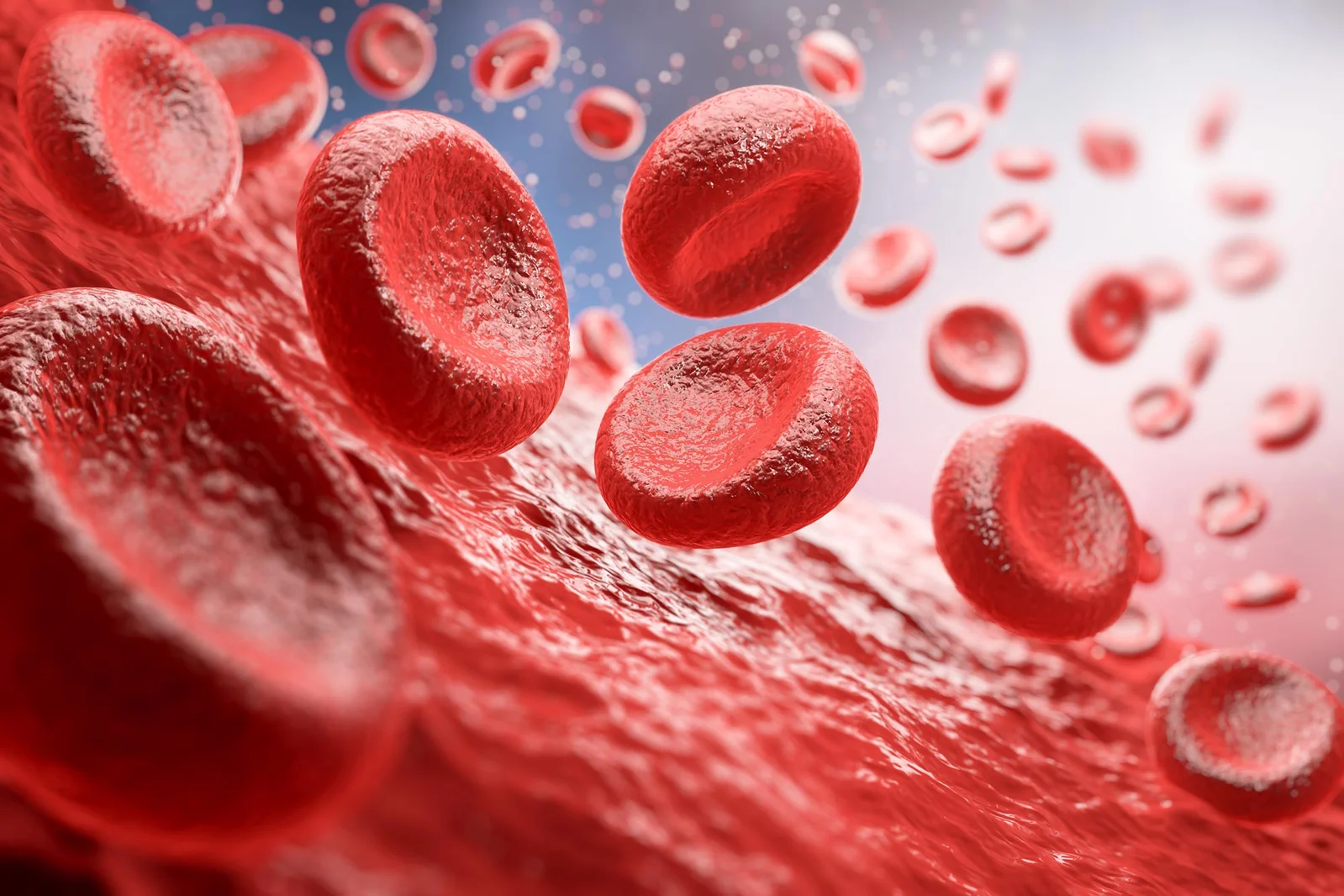
Scientists have discovered that a protein called platelet factor 4 can reverse aging-related decline in blood and immune stem cells, offering a promising strategy to combat age-related immune system weakening by restoring youthful function to these cells.
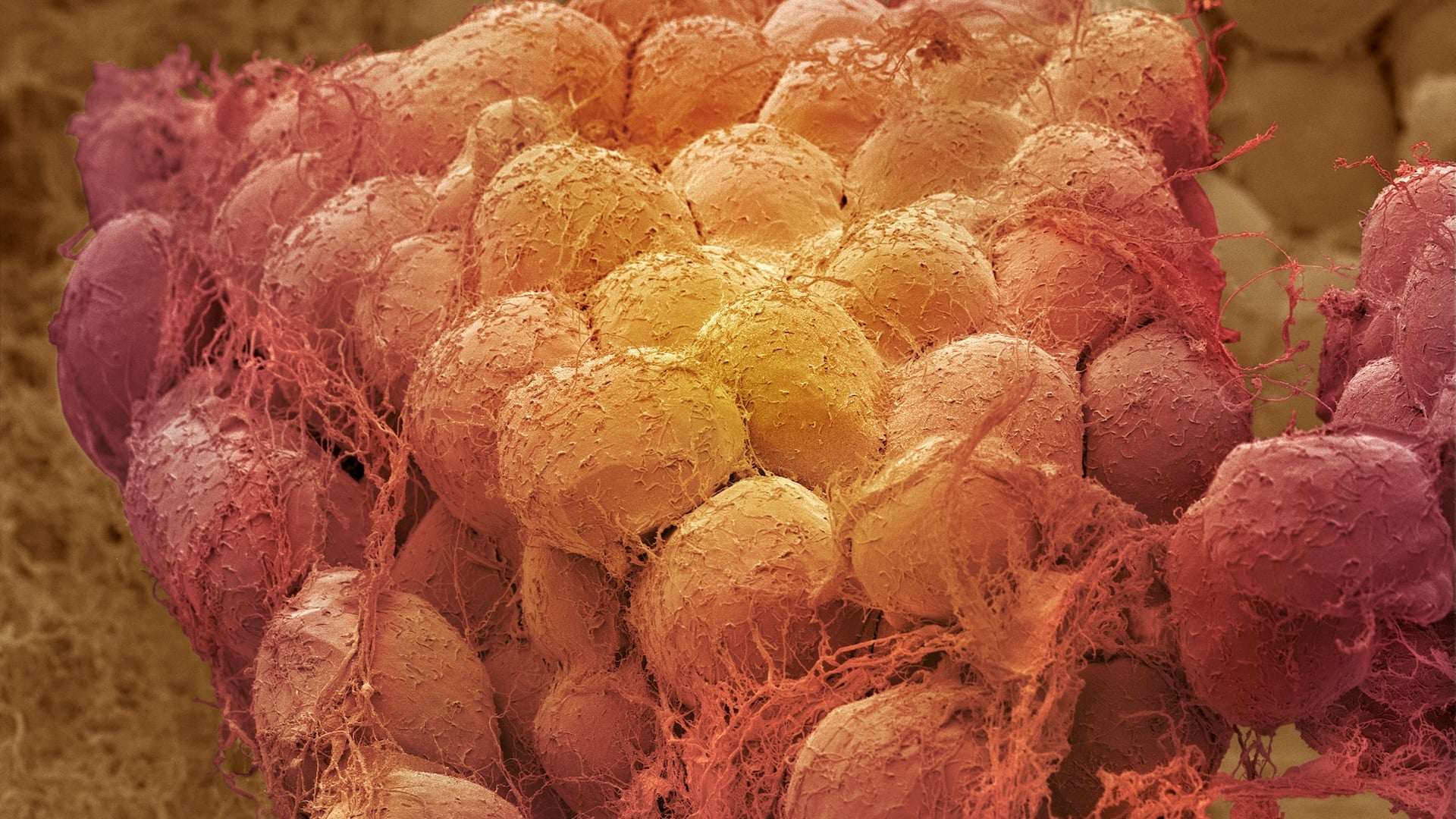
A study published in Nature suggests that weight loss not only reduces fat but also causes cellular changes in fat tissue, potentially rejuvenating it by reversing cell aging and altering lipid metabolism, although some markers of poor health may persist, indicating that maintaining a healthy weight is crucial for long-term health benefits.
After a disastrous 2023 season, Yankees pitcher Carlos Rodón showed significant improvement in his first home start of 2024, delivering a strong performance against the Marlins. With a rejuvenated pitching style and improved command of his pitches, Rodón's outing was a stark contrast to his struggles the previous year. His offseason work with the Yankees' coaching staff appears to be paying off, and his newfound confidence is a positive sign for the team, especially with ace Gerrit Cole on the injured list.
The quest for longevity has led to a wide range of theories and practices, from basic lifestyle changes to extreme biohacking and experimental treatments. While some tech titans invest billions in startups promising to reprogram human cells to their youthful state, others advocate for simple measures like exercise and nutrition. The field of longevity science is filled with both promise and skepticism, as researchers and advocates explore the potential to slow or reverse the aging process, aiming to extend healthspan and improve overall quality of life.
Indian Prime Minister Narendra Modi emphasized the importance of rebuilding symbols of India's faith, culture, and spirituality to strengthen the country's unity. He inaugurated the Swarved Mahamandir, the world's largest meditation center, and highlighted the rejuvenation of pilgrimage sites such as Kashi Vishwanath Dham, Mahakal Mahalok, Kedarnath Dham, and the Buddha Circuit. PM Modi credited the collective efforts of the government, society, and "sant samaj" for the transformation of these sites, which have not only boosted development and economic activities but also instilled pride in India's heritage. He also mentioned the upcoming opening of the Ram Mandir in Ayodhya and the excellent connectivity to the Swarved temple, which will open new avenues for business and employment opportunities.
Hollywood A-listers such as Harry Styles, Margot Robbie, and David Beckham are reportedly using stem cell injections as a secret treatment to defy ageing and rejuvenate their appearance. Dr. Ernst von Schwarz, a cardiologist and pioneer of stem cell therapy, revealed that while the treatment is not yet FDA-approved, it shows promising results and aims to extend both lifespan and healthspan. The doctor believes that stem cell therapy could potentially extend human life up to 150 years by 2050.
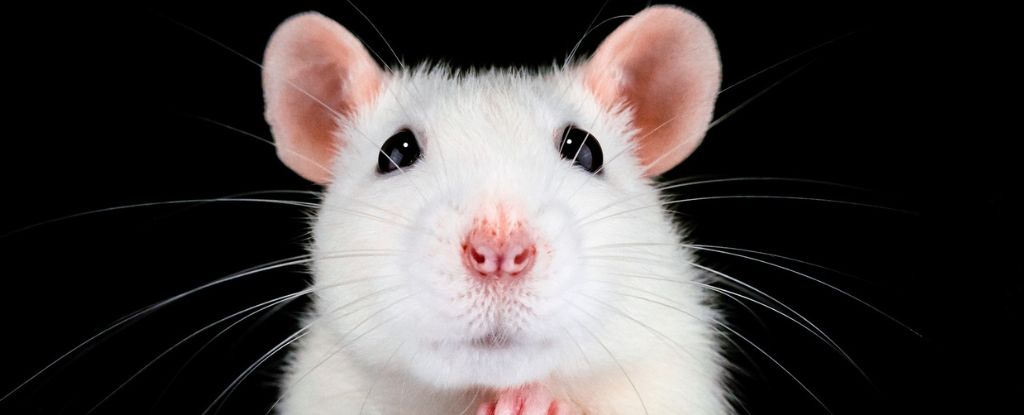
A new study published in the journal GeroScience claims that a therapeutic compound derived from pig's blood, called E5, can reverse the aging process in rats. The compound, consisting of complex nanoparticles and young plasma from pigs, was found to reverse the biological clocks of the rats by nearly 70% on average. If these results can be translated to humans, it could potentially revert an 80-year-old person to the age of 26. However, researchers caution that the markers of aging observed in rats may differ significantly from those in humans, and further studies are needed to determine the effectiveness of the treatment in humans.
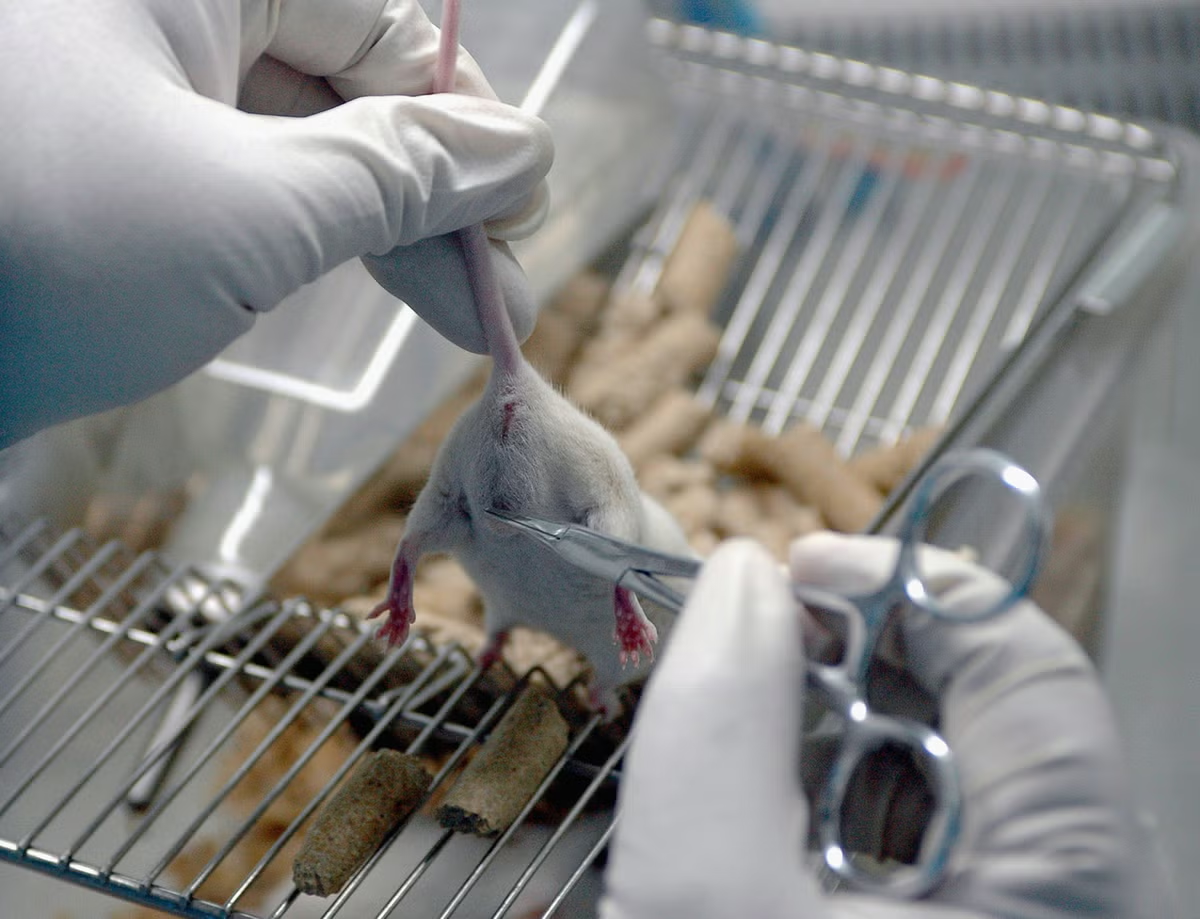
Researchers at Duke Health have discovered that surgically joining the circulatory systems of young and old mice, known as heterochronic parabiosis, can slow cellular aging and extend the lifespan of older mice by up to 10%. The longer the mice shared circulation, the more enduring the anti-aging effects. The study suggests that young blood's components could potentially be isolated as therapies to rejuvenate the body and add years to an older individual's life. However, the study was conducted on mice, and the specific factors in young blood that drive the anti-aging effects are still unknown.
An American woman who has been visiting the Italian town of Ospedaletti for 11 years revealed on Instagram that higher magnesium levels in the European water and food were behind her feelings of rejuvenation. She also mentioned that other social media users had similar experiences, attributing their improved physical well-being to the mineral-rich water and food in Italy. While she acknowledged that she is not an expert, she highlighted the potential health benefits of magnesium, including its role in combating magnesium deficiency-related conditions such as long Covid, postpartum issues, POTS, chronic fatigue syndrome, and heart rate irregularities.
Scientists at the University of California, San Francisco and the University of Queensland have made a breakthrough in reversing brain aging in mice. By administering the protein PF4, naturally found in the blood, older mice regained cognitive function equivalent to middle age, while young mice showed improved intelligence. PF4 calms the immune system and reduces inflammation, which contributes to brain and body aging. Blood transfusions from younger mice, exercise, and the klotho gene were also found to increase PF4 levels. However, further research is needed to determine the effects on humans and potential side effects of suppressing the immune system.
Wynn Resorts' second-quarter earnings report contains several positive factors that could potentially boost the company's stock price, which has been trading sideways in recent weeks.
Scientists have extended the lives of old mice by connecting their circulatory systems to those of young mice, using a process called heterochronic parabiosis. The old mice lived 6-9% longer than their control peers, and their biological age was affected by the three-month blood-sharing procedure. The study measured aging using biomarkers such as the epigenetic clock, which assesses the methylation status of cytosines in DNA. The rejuvenating effect seemed to diminish over time, but the difference in lifespan persisted. The researchers speculate that the process dilutes damage in the old mice and may involve youthful factors in the blood of young mice or the detoxification of damage by younger organs.
Scientists conducted an experiment where they connected the circulatory systems of young and old mice for 12 weeks, resulting in slowed cellular aging and increased lifespan by up to 10 percent in the older mice. While the study highlights the potential benefits of young blood for anti-aging, it does not support whole-blood transfusion treatments in humans due to known risks and ethical concerns. The researchers found evidence of chemical processes associated with aging being interrupted, increased production of mitochondria, reduced inflammation, and gene expression linked to longer life. However, another study revealed that young donor mice experienced a decrease in lifespan, suggesting that the exchange of entire cells may play a role in the observed changes. The researchers aim to identify the cardiovascular components responsible for these rejuvenating effects.