A man in Hanau, Germany, was detained for painting swastikas with his own blood on nearly 50 vehicles and buildings, with motives linked to personal and job-related issues. The incident, occurring in a city still haunted by a racist attack five years prior, has sparked shock and condemnation from local authorities, emphasizing that such symbols have no place in the community.
A man in Hanau, Germany, was detained for painting swastikas with his own blood on nearly 50 cars and buildings. The suspect, under the influence of alcohol and with self-inflicted injuries, was taken to a psychiatric hospital. The act, highly offensive and illegal in Germany, has caused shock in a city still haunted by a racist attack five years ago.
Blood: Refreshed Supply, a definitive remaster of the 1997 cult classic shooter, is set to launch on December 4 for PS5, Xbox Series, PS4, Xbox One, PC, and Switch 2 (early 2026), featuring enhanced graphics, new content, and multiplayer options, with a price of $29.99 on all platforms except Switch 2.
The finale of 'Dexter: Resurrection' Season 1 ends with Dexter embracing his dark side, reflecting on his need for connection, and driving off into an uncertain future, leaving chaos and bloodshed behind while hinting at new leads and ongoing struggles with his identity.
Tamar Braxton nearly died after being found in a pool of her own blood with facial injuries, including a fractured nose and lost teeth, and is unsure of how she sustained her injuries. She has a history of health issues and is currently recovering, but the cause of her injuries remains unknown.
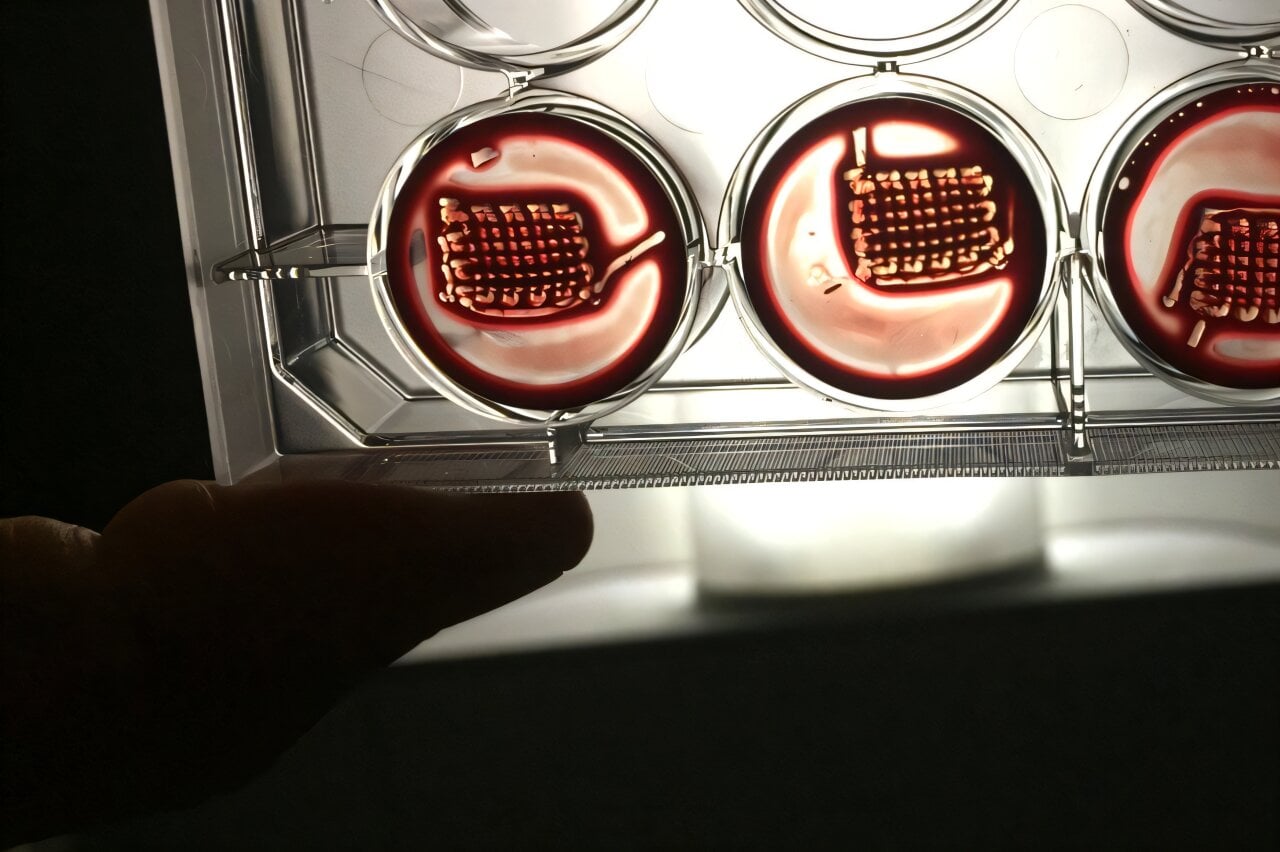
Researchers at the University of Nottingham have developed a 'biocooperative' material using blood and peptide molecules to enhance tissue regeneration, potentially leading to personalized, 3D-printed implants. This innovative approach leverages the natural healing processes of blood to create regenerative materials that can repair bones and other tissues. The method involves mixing synthetic peptides with a patient's blood to form a material that mimics and enhances the natural regenerative hematoma, offering a promising new avenue for regenerative medicine.
Videos recorded in Madagascar have provided the first visual evidence that leeches can jump in pursuit of blood, confirming long-standing anecdotal claims. The footage, captured by researchers and published in the journal Biotropica, shows leeches coiling and leaping from leaves, demonstrating surprising athleticism.
A study published in Environmental International found microplastics in the blood of 18 out of 20 healthy participants, identifying 24 different polymer types. The research suggests that microplastics travel through the bloodstream and may pose risks to cardiovascular health, including vascular inflammation and changes in blood clotting. The study highlights the need for further research to understand the implications and potential health risks of microplastics in the human body.
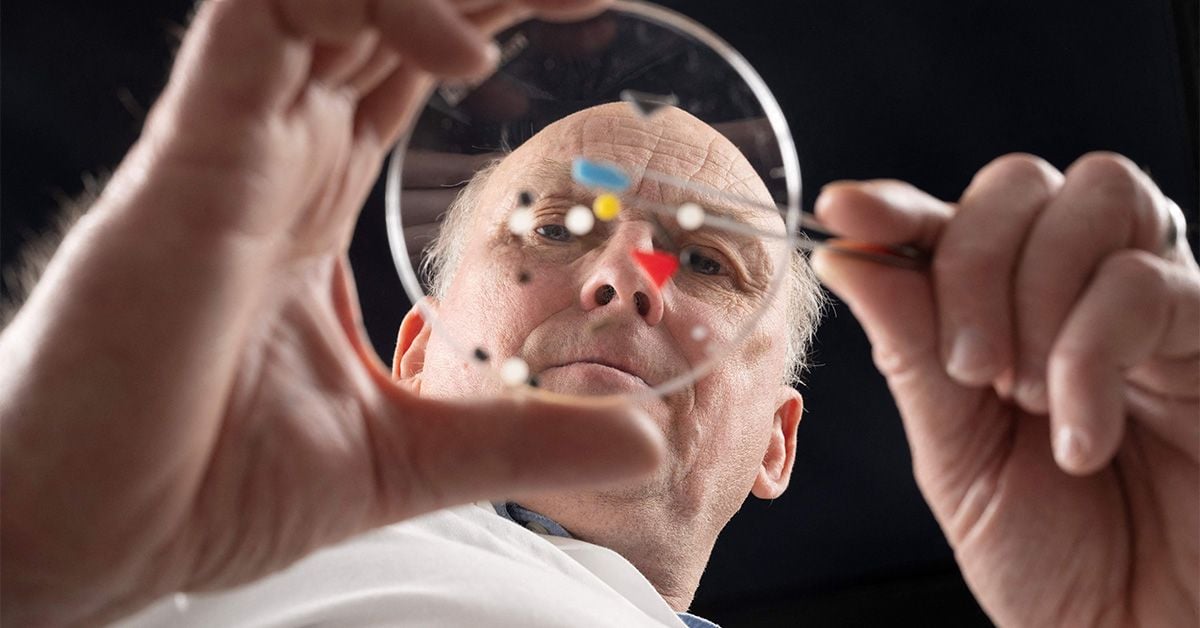
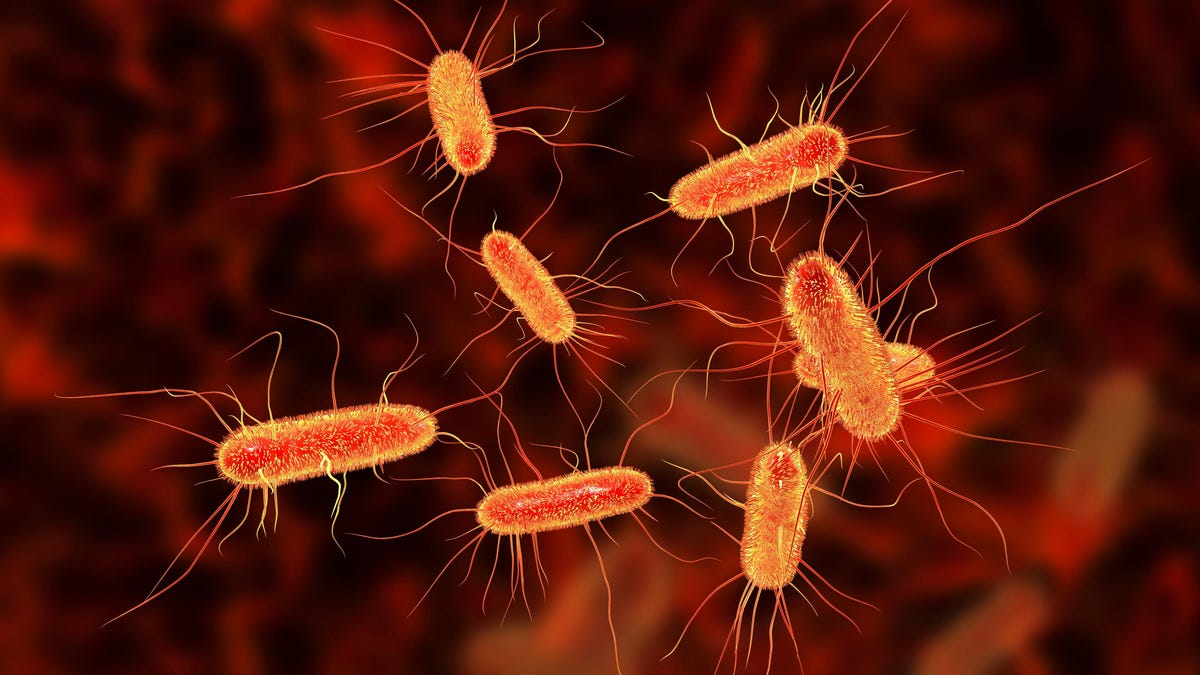
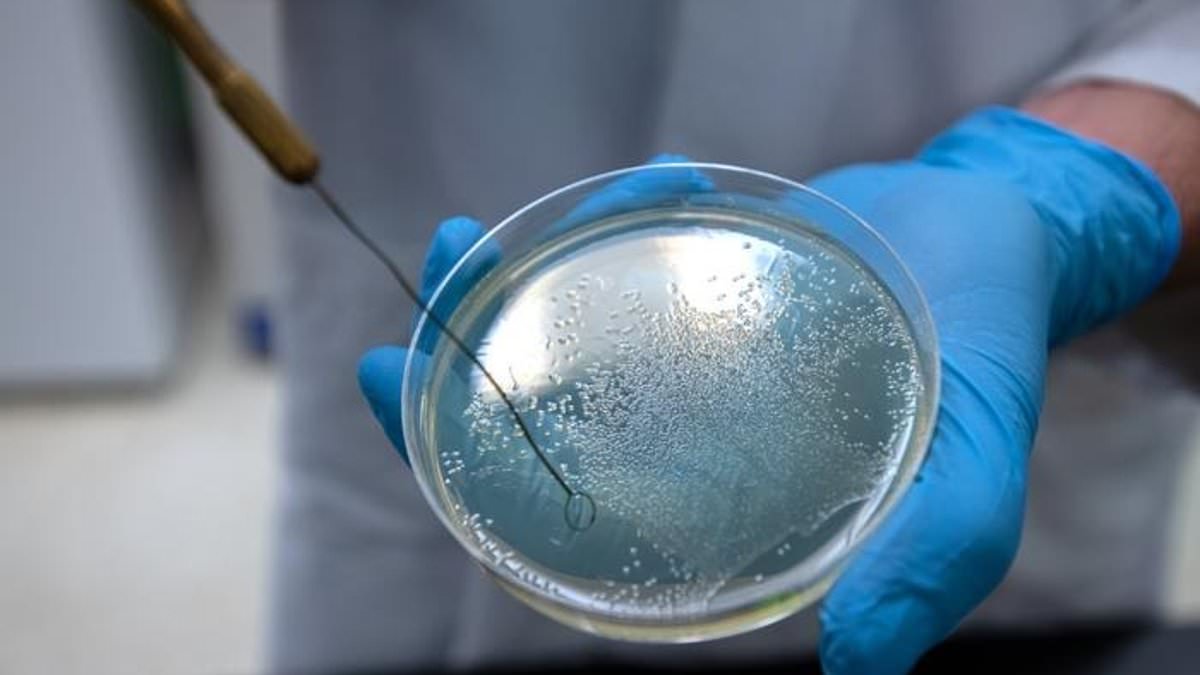
Scientists from Washington State University have discovered that certain disease-causing bacteria, including strains of Escherichia coli, are chemically attracted to human blood serum as a source of food, explaining their tendency to cause life-threatening sepsis. The research, published in the journal Elife, found that these bacteria are finely tuned to seek out blood for nourishment, a phenomenon the authors have termed "bacterial vampirism." The team hopes that understanding this behavior could lead to the development of new drugs to block this ability and prevent bloodstream infections, particularly in people with inflammatory bowel diseases.
Researchers at Washington State University have discovered a new trait called 'bacterial vampirism' among bacteria like Salmonella and E. coli, which are attracted to the liquid part of human blood, or serum, and can enter the bloodstream through small cuts in the digestive system, causing serious complications for people with inflammatory bowel disease. The bacteria can detect as little as a femtoliter of serum and swim toward it, a strategy called 'chemotaxis.' This new understanding could lead to the development of drugs to prevent sepsis in high-risk individuals.
A study suggests that long COVID leads to ongoing inflammation in the blood, with distinct signs that could be targeted for treatment. The research, led by Imperial College London, found evidence of immune system activation in over 650 people who had been hospitalized with severe COVID-19, indicating potential targets for treatment using existing drugs that modulate the body's immune system. The study, published in the journal Nature Immunology, compared patients with long COVID to those who had fully recovered, revealing patterns of immune system activation and inflammation in those with prolonged symptoms.
Researchers have found that the brain undergoes accelerated changes during middle age, with structures like the hippocampus shrinking and white matter connections losing volume, affecting cognitive functions such as memory and reasoning. This period, termed "middle-ageing," may predict future health and dementia risk. Inflammatory molecules in the blood have been linked to impairing cognition, and a study found that their presence in middle-aged adults could predict future cognitive decline. Detecting these changes early may provide a window of opportunity for intervention, potentially slowing the aging process and reducing dementia risk through measures such as physical exercise.
Exposure to environmental pollutants, as reflected by their presence in the blood, may be used to predict the risk of developing amyotrophic lateral sclerosis (ALS) and survival odds, according to a study. Higher exposure to these chemicals was associated with increased ALS risk and higher mortality among ALS patients in Michigan. The study suggests that assessing environmental pollutants using blood samples could help shape prevention strategies and understand the impact of pollutants on human disease.
A study published in Environmental Health Perspectives found that exclusive marijuana users have elevated levels of cadmium (Cd) and lead (Pb) in their blood and urine compared to non-users. The study analyzed data from the National Health and Nutrition Examination Survey (NHANES) between 2005 and 2018 and found that higher Cd and Pb levels were observed in exclusive marijuana users who used marijuana within the last seven days. The study highlights the importance of evaluating metal contaminants in marijuana and understanding their potential health risks for cannabis users.
A study conducted at Columbia University's Mailman School of Public Health has found that marijuana users have elevated levels of heavy metals, specifically lead and cadmium, in their blood and urine compared to non-marijuana users. The study used data from over 7,200 participants and concluded that marijuana is a source of cadmium and lead exposure. The World Health Organization warns that lead can cause permanent intellectual disabilities and behavioral disorders, while cadmium is considered a human carcinogen with toxic effects on the kidneys, skeletal, and respiratory systems. The researchers emphasize the need for further research on cannabis use and contaminants to address public health concerns.