A study published in Aging suggests that higher blood levels of theobromine, a compound found in dark chocolate and smaller amounts in coffee, are associated with slower cellular aging as measured by epigenetic clocks, though causality and optimal intake levels remain unclear.

A recent study shows that theobromine, a compound found in chocolate and coffee, is linked to slower cellular aging, as measured by epigenetic clocks, suggesting potential health benefits from these foods.
A Harvard-trained doctor recommends five science-backed supplements—Honokiol, Creatine, Nitric Oxide boosters, PectaSol, and NMN—that may support healthy aging by reducing inflammation, improving circulation, maintaining muscle strength, and aiding cellular repair, though further research is needed for some.
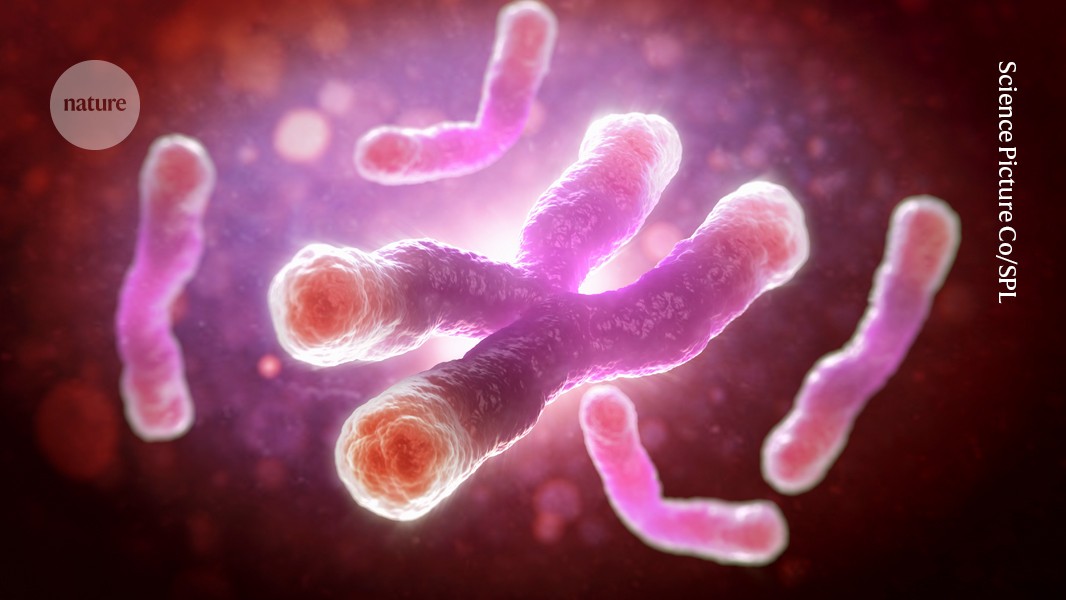
A clinical trial has found that the diabetes drug henagliflozin not only lowers blood sugar but also has anti-ageing effects by increasing telomere length, which are protective chromosomal caps that shorten with age.
A new study indicates that cellular aging accelerates between ages 45 and 55, with some organs showing signs of aging as early as age 30, highlighting the importance of lifestyle choices in extending healthy lifespan.
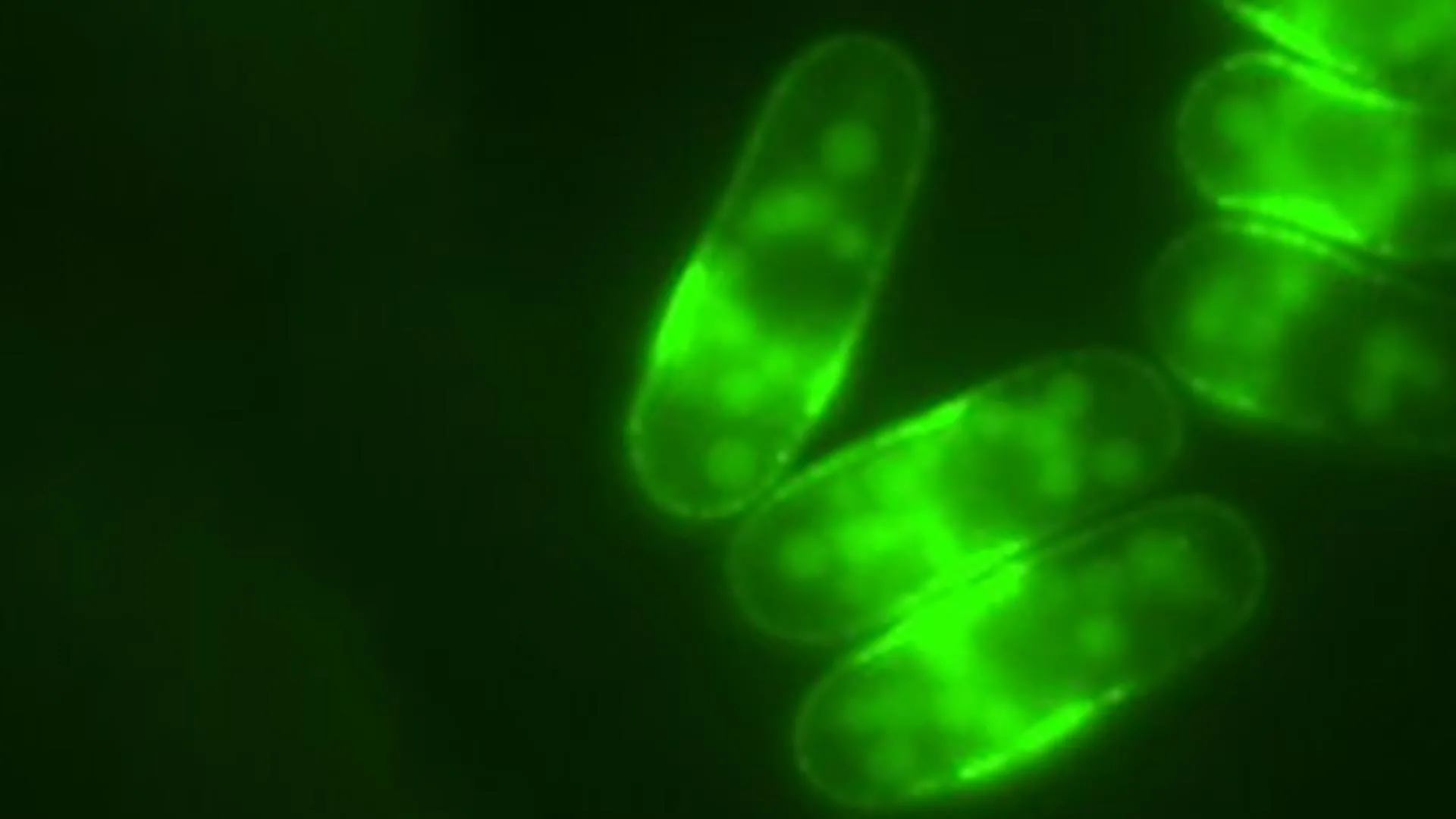
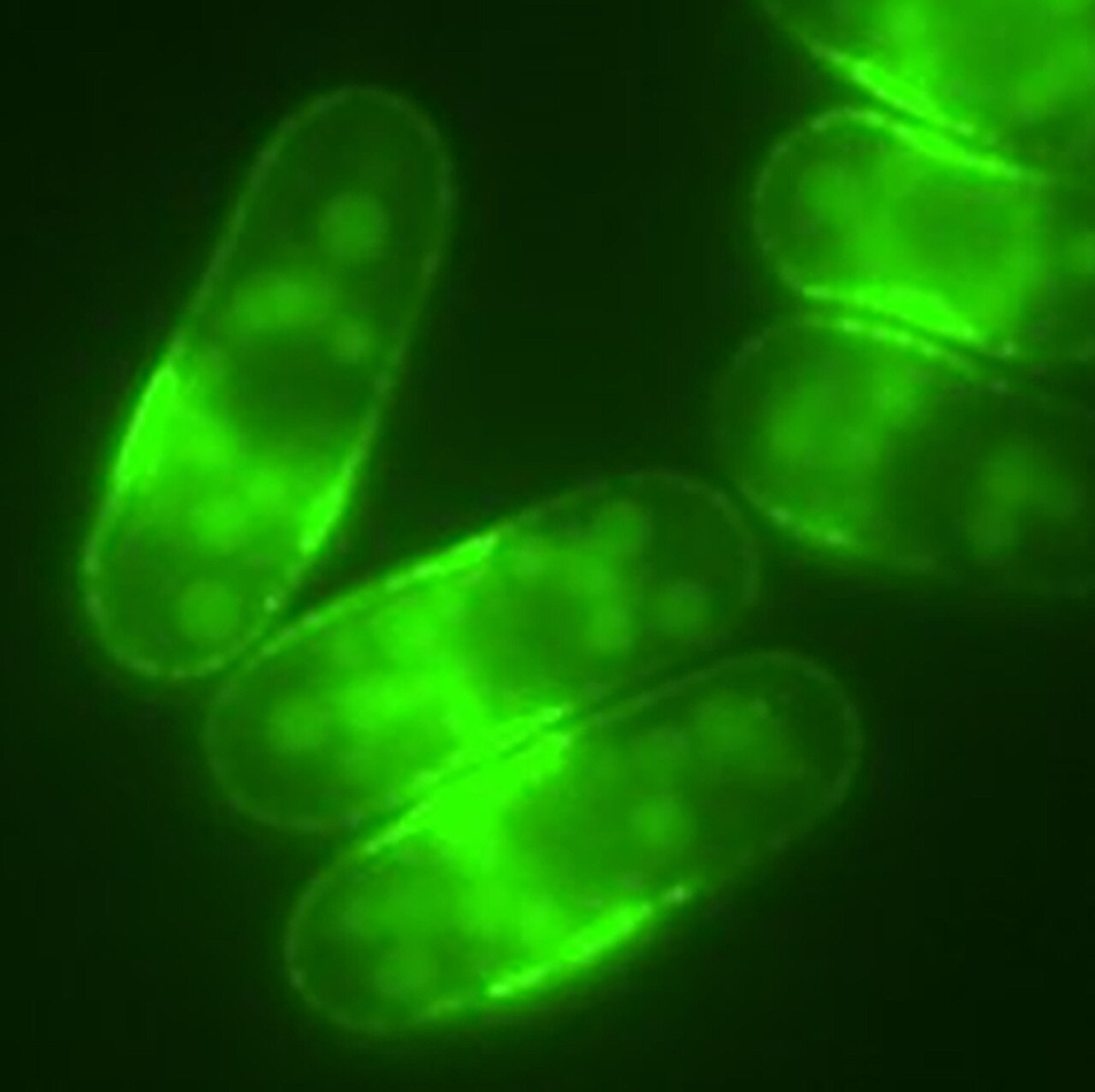
New research shows caffeine extends cell lifespan by activating the energy sensor AMPK, which helps cells repair DNA and manage stress, potentially contributing to increased longevity beyond just alertness benefits.
A study from Queen Mary University of London reveals that caffeine may promote cellular longevity by activating the energy sensor AMPK, rather than directly affecting the growth regulator TOR, suggesting potential health and lifespan benefits from coffee consumption.
A study from Queen Mary University of London reveals that caffeine may slow cellular aging by activating the energy sensor AMPK, which influences cell growth, DNA repair, and stress response, potentially explaining some health benefits of caffeine related to aging and longevity.
Originally Published 7 months ago — by MindBodyGreen
A recent study shows that taking vitamin D supplements can slow cellular aging by preserving telomere length, which is associated with longer lifespan and reduced risk of age-related diseases. The research highlights the importance of maintaining optimal vitamin D levels, especially through supplementation, to support overall health and longevity.
A Chinese study suggests that the diabetes drug metformin may slow aging and improve healthspan by protecting vital organs and reducing biological age in primates, potentially transforming approaches to aging and age-related diseases.
A study by UTHealth San Antonio found that ketogenic diets may accelerate cellular aging in mice, particularly affecting the heart and kidneys. The research suggests that while keto diets can aid in weight loss and manage epilepsy, they may pose long-term health risks, emphasizing the need for human trials to fully understand these effects. Experts recommend medical guidance for those considering such diets.
A study by UTHealth San Antonio found that ketogenic diets may accelerate cellular aging in mice, particularly affecting the heart and kidneys. The research suggests that while keto diets can aid in weight loss and manage epilepsy, they may pose long-term health risks, emphasizing the need for careful consideration and medical guidance. Further human trials are necessary to fully understand the diet's long-term effects.
A study led by researchers from Yale University has revealed that pregnancy can age a person's cells, adding roughly 2.5 years of epigenetic edits in just 18 weeks of gestation, but the postpartum period may bring about a pronounced reversal of biological aging, with some breastfeeding mothers experiencing a genetic fountain of youth. The study suggests that the body's ability to bounce back from the profound changes of pregnancy may have a rejuvenating effect, although more research is needed to understand the mechanisms at work and the long-term implications for maternal health.
Scientists at UC Riverside have discovered a significant link between the Golgi body, an organelle in plant cells, and the aging process. They found that the COG protein, which manages the movement of sacs within the Golgi body, plays a crucial role in plant aging by assisting in glycosylation. When plants were modified to lack the COG protein and deprived of light, they exhibited accelerated aging symptoms, which were rapidly reversed upon reintroducing the protein. This unexpected finding could provide valuable insights into human aging and age-related diseases, as the Golgi body is present in all eukaryotic organisms, including humans.
A recent study conducted at the Federal University of São Paulo suggests that continuous positive airway pressure (CPAP) treatment can mitigate the accelerated cellular aging effects of obstructive sleep apnea (OSA). The study found that individuals with untreated OSA experienced faster telomere shortening, an indicator of cell aging, but the use of CPAP reduced this damage. Telomeres naturally shorten as cells divide, but OSA can accelerate this process, leading to premature cell aging. CPAP treatment not only helps manage sleep but also counters the cellular aging effects of OSA. The study highlights the importance of sleep as a protective factor in aging and emphasizes the need for better care and access to CPAP treatment for OSA.