Researchers are exploring new neurorehabilitation tools like transcranial magnetic stimulation, antidepressants, and psychedelics to enhance the brain's natural healing after neurological damage, potentially improving recovery outcomes beyond traditional therapies.
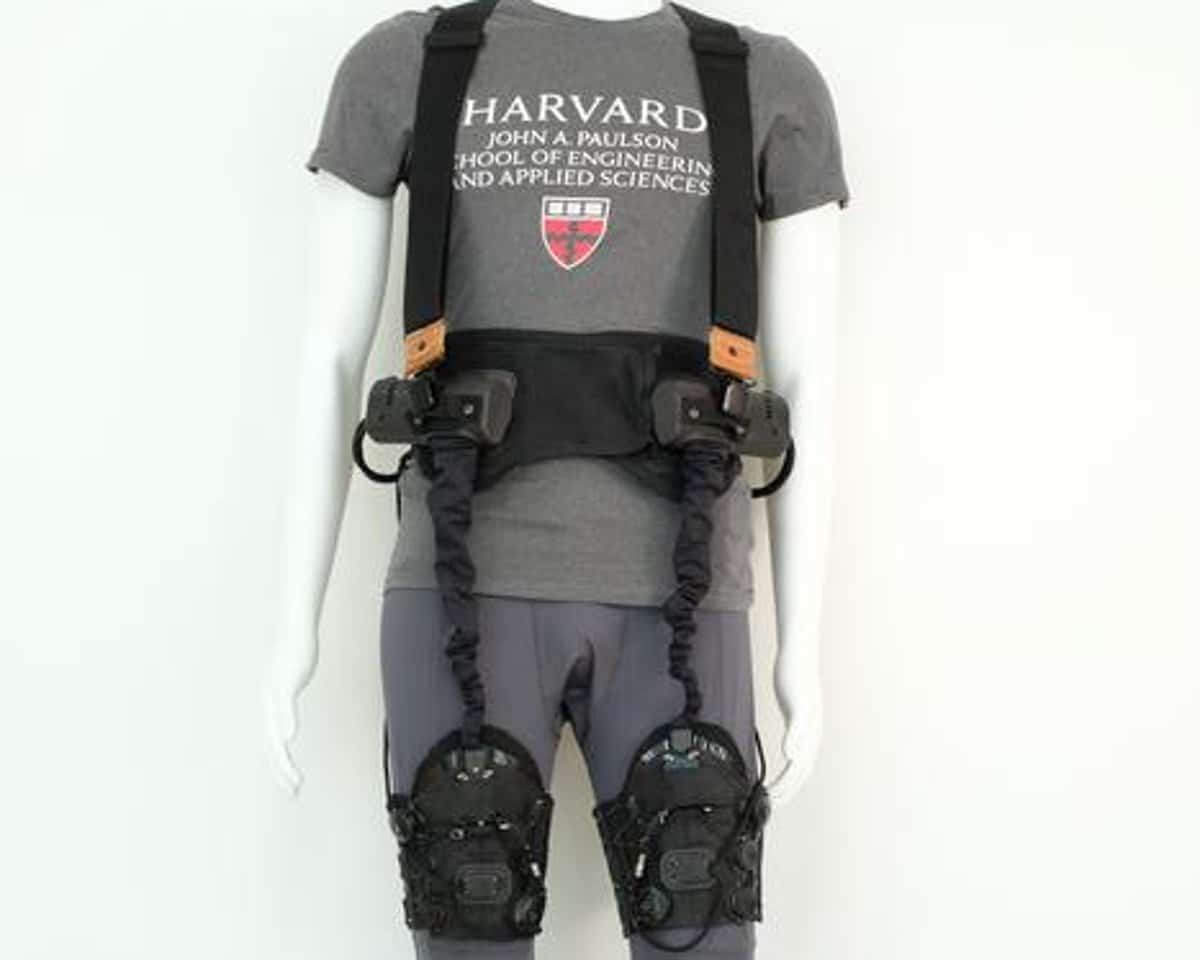
A soft robotic garment designed by researchers from Harvard SEAS and Boston University Sargent College has shown promise in eliminating freezing of gait in Parkinson's patients. The device, which is worn around the hips and thighs, assists with leg swings, enabling longer strides and improved mobility. In a study with a 73-year-old Parkinson's patient, the robotic garment completely removed freezing episodes during indoor walks, potentially offering a new way to enhance independence for those affected by this symptom of Parkinson's disease. The research, which will appear in Nature Medicine, underscores the potential of soft robotics in medical applications and neurorehabilitation.
The FDA has approved MedRhythms' neurorehabilitation system, InTandem, which uses sensors, software, and recorded music to help chronic stroke survivors regain their ability to walk. The system is based on the neuroscience of how rhythm engages parts of the brain responsible for movement. Feasibility studies have shown promising results for similar therapies that could potentially treat patients with Parkinson's disease and multiple sclerosis. InTandem allows patients to download an app loaded with MedRhythm's software and music, connect a sensor to their shoes, and start walking. The sensor measures the patient's walking characteristics and adjusts the tempo of the music, triggering a neurological response that helps the patient walk faster and more easily. The FDA listing is a major step in making this therapy more widely accessible.
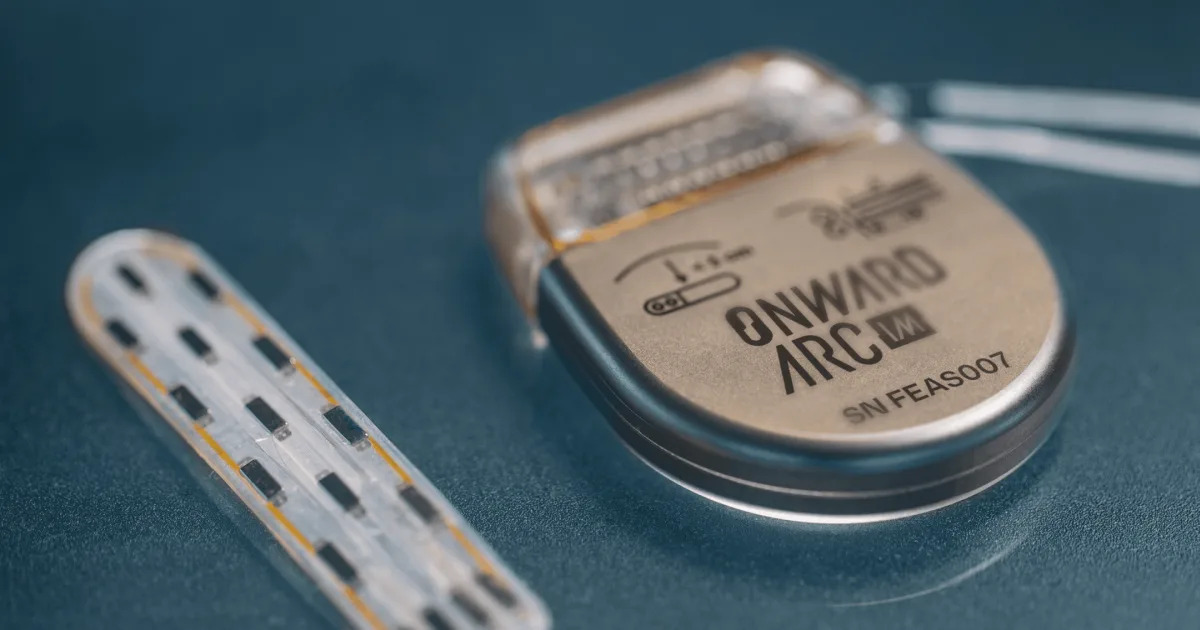
SCI therapy startup Onward Medical has helped improve a formerly-paraplegic man’s walking gait through the use of an implanted brain computer interface (BCI) and novel “digital bridge” that spans the gap where the spine was severed. The system used in the study used the ARC IM as a base and married it to a WIMAGINE brain computer interface. The BCI system described in the study may reach the market in five to seven years.
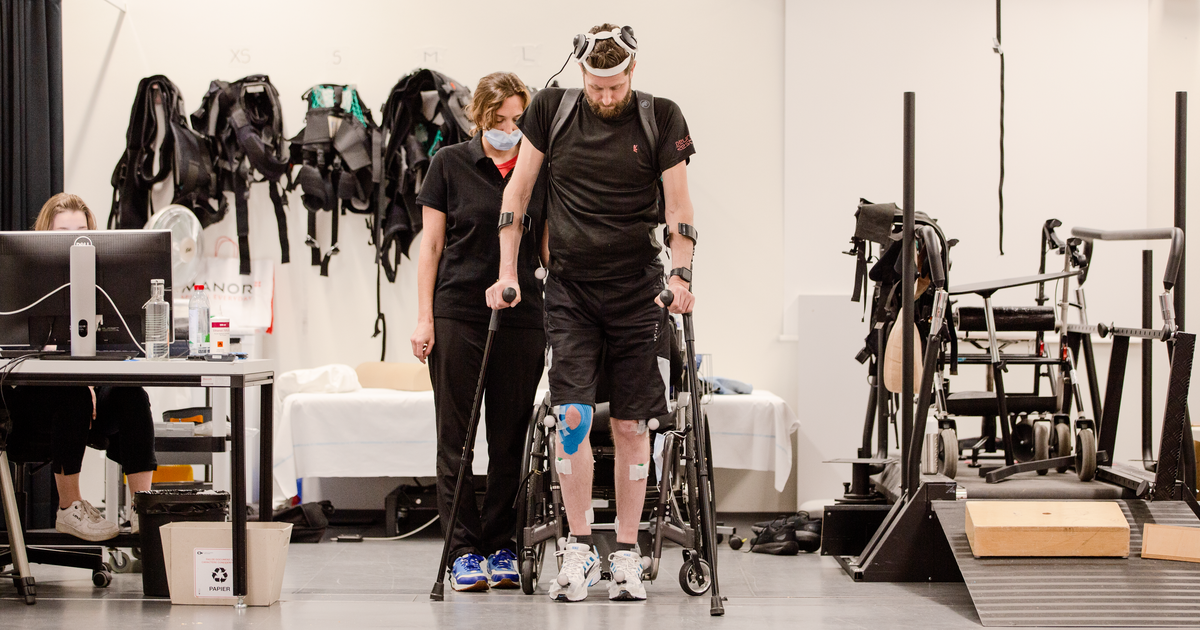
A 40-year-old man who was paralyzed in a cycling accident 12 years ago can walk again thanks to brain and spinal cord implants. The brain-spine interface (BSI) has remained stable for a year, allowing Gert-Jan Oskam to stand, walk, climb stairs and traverse complex terrains. The research team restored communication between Oskam's brain and spinal cord with a digital bridge, and he participated in 40 sessions of neurorehabilitation throughout the study. Researchers are also working to see if similar devices can restore arm movement.