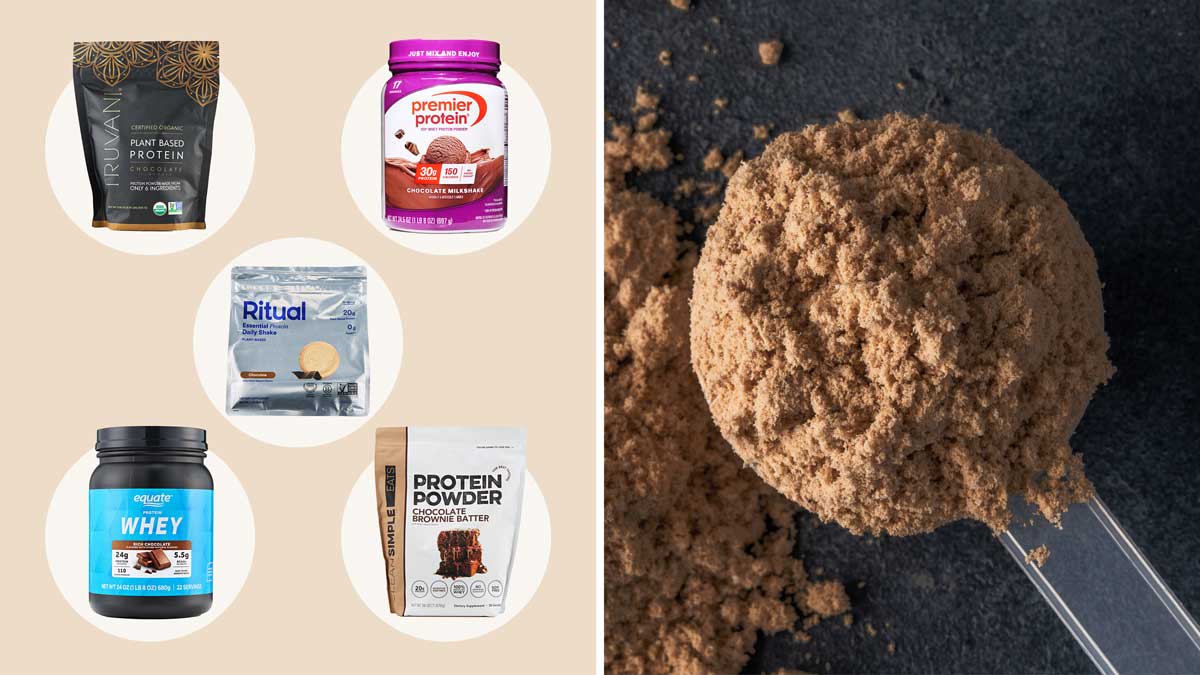
Consumer Reports tested five popular chocolate protein powders and found all had low levels of lead, with most below safety concern thresholds, highlighting that safer manufacturing is possible despite industry-wide regulatory gaps and inconsistent heavy metal levels across products.
A study by Consumer Reports found that some protein powders contain dangerously high levels of heavy metals like lead, cadmium, and arsenic, especially in plant-based products, raising health concerns and highlighting the need for better manufacturing practices.
A Consumer Reports investigation found that over two-thirds of tested protein powders and shakes contain more lead than the safe daily limit, with plant-based options generally having higher levels. While some brands responded with safety assurances, experts warn about the potential health risks of high lead exposure, emphasizing the importance of choosing products carefully. The report highlights the need for consumers to be aware of heavy metal content in dietary supplements.
The article discusses the rising popularity of protein powders driven by social media and consumer demand, highlighting that while protein is essential for health, most people can meet their needs through whole foods rather than supplements, which can sometimes contain unsafe levels of contaminants like lead. Experts recommend focusing on high-quality, whole food sources of protein and consuming adequate amounts at each meal, especially for children, older adults, and athletes, rather than relying heavily on protein powders.
A Consumer Reports investigation reveals that over two-thirds of popular protein powders and shakes in the U.S. contain unsafe levels of lead, with contamination increasing over time and largely originating from plant-based sources. The lack of federal regulation and reliance on self-regulation by companies exacerbate the issue, and experts advise that most people do not need protein supplements at all, as a balanced diet of whole foods suffices for meeting protein needs.
A Consumer Reports investigation found concerning levels of lead in many popular protein powders, especially plant-based ones, but advises moderation rather than panic, highlighting the lack of federal safety standards and urging consumers to scrutinize product labels and choose wisely.
A Consumer Reports investigation revealed that over two-thirds of tested protein powders and shakes contain unsafe levels of lead, especially plant-based products, with some exceeding safe daily limits by more than ten times, raising health concerns and prompting calls for increased regulation.
A report by Consumer Reports found that over a dozen protein powders contain unsafe or concerning levels of lead, with levels worsening compared to previous years, raising health safety concerns.
A Consumer Reports investigation found that over two-thirds of tested protein powders and shakes contain unsafe levels of lead, with plant-based products showing the highest contamination. The report calls for FDA action to regulate heavy metals in supplements, as current oversight is lacking.
Harvard scientists have issued a warning about the potential hidden dangers of protein powders, citing concerns over toxins like heavy metals and BPA found in many products, and suggesting alternative natural protein sources such as lentils, chickpeas, and nuts. They advise caution and recommend consulting a healthcare professional before using protein supplements.
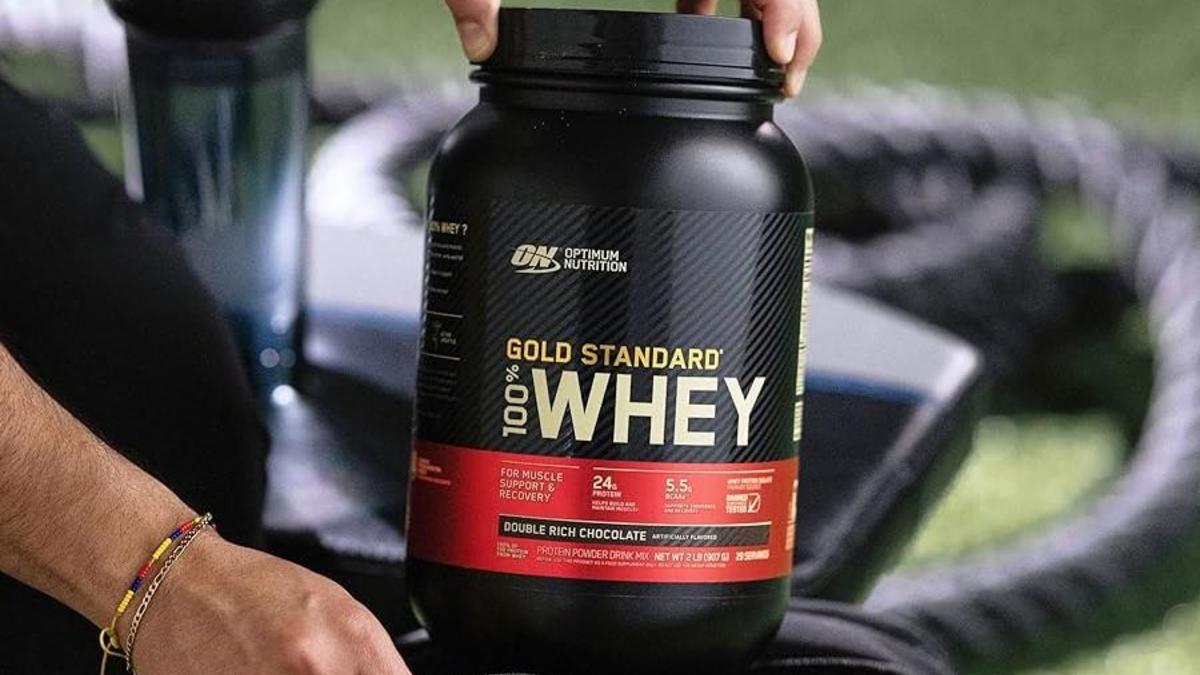
Reviewers on Amazon have highlighted the best protein powders for various needs, including ON Gold Standard 100% Whey for overall use, Orgain Organic Protein for vegans, Bare Bones Bone Broth for on-the-go convenience, Garden of Life Sport for recovery, and Now Sports Pea Protein for easy digestion. Experts recommend considering factors such as protein source, taste, and third-party testing when choosing a protein powder, and suggest intake amounts based on activity level. While protein powders can be beneficial for muscle recovery and growth, individuals with kidney-related issues should consult a doctor before use.
Dietary supplements and protein powders are not regulated as strictly as drugs, leading to potential dangers for consumers. The unregulated market allows manufacturers to make unfounded claims and sell products containing hidden drugs, posing risks to consumers' health. The FDA has cracked down on some weight loss supplements for containing undeclared drugs, but challenges remain in regulating these products. Concerns also arise regarding the accessibility of supplements to adolescents and their potential impact on mental health and eating disorders. Researchers recommend focusing on preventive measures and regulations, such as taxing supplements with weight loss claims and banning their sale to minors, while medical professionals advise obtaining nutrients from whole foods and promoting balanced nutrition and exercise over reliance on supplements and powders.
Experts recommend incorporating more protein into your diet, especially for those starting new fitness routines, as it supports muscle growth and overall health. While whole foods are preferred, protein powders can benefit those with time constraints. The recommended dietary allowance for protein is 0.8 grams per kilogram of body weight, but experts suggest aiming for 1 to 1.2 grams. Protein powders should be researched thoroughly, and whole foods are generally preferred over supplements. Protein intake is essential for muscle growth, but it's important to note that simply increasing protein intake won't automatically result in larger muscles.
Popular "healthy" supplements such as creatine and protein powders may actually cause weight gain due to added sugars, fats, and calories. Creatine can cause water retention, resulting in temporary bloating and weight gain. Protein powders, if consumed in excess without a proper workout regimen, can lead to a calorie surplus and weight gain. Additionally, excessive intake of vitamin A has been linked to weight gain and other health issues. Experts suggest that most people can obtain necessary nutrients through a balanced diet and do not require excessive supplementation.
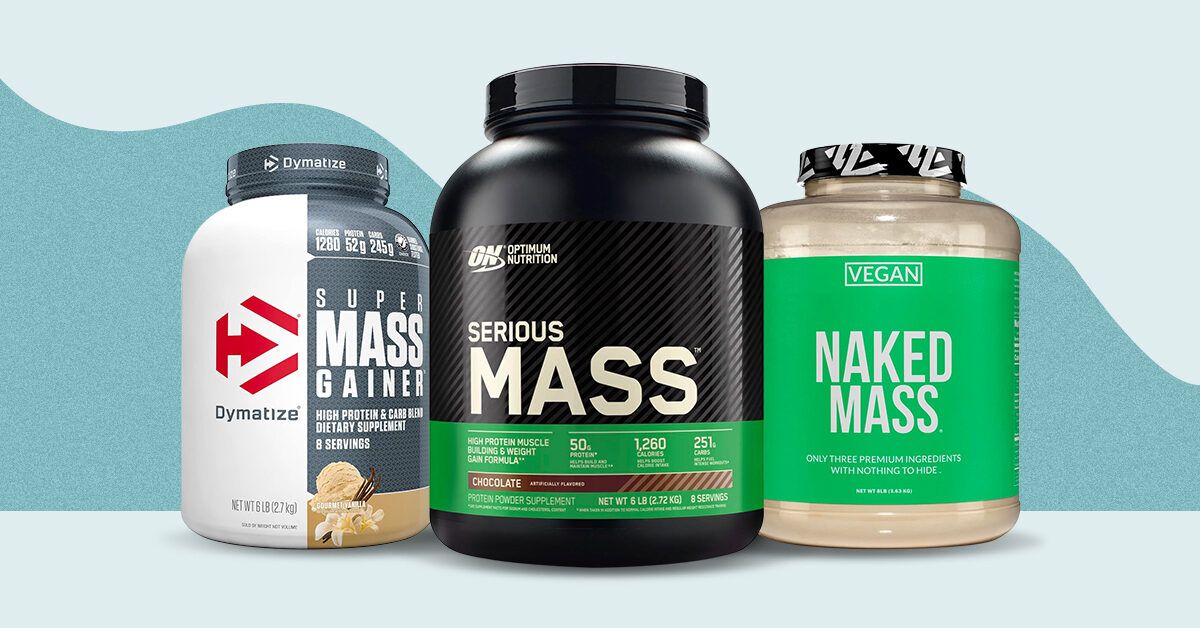
Healthline provides a list of the 7 best protein powders for gaining mass in 2023. These mass gainers are rich in protein, carbs, and sometimes other ingredients like healthy fats. They can help individuals who struggle to consume enough calories to boost their intake and support weight gain. The article highlights the importance of ingredient quality, transparency, credibility, nutritional quality, customer reviews, third-party testing, and vetting results when choosing a mass gainer. It also provides tips on selecting the right mass gainer based on calorie needs, serving size, sweeteners, protein source, nutrient profile, and other ingredients. The article concludes by addressing common questions about mass gainers and advises consulting a healthcare professional before adding a new supplement to one's routine.