Tag

Fda Regulation

All articles tagged with #fda regulation

health4 months ago

Doctors Warn of Risks from Overusing or Combining Certain Supplements

Taking excessive calcium supplements can increase the risk of heart damage and plaque buildup in arteries, despite calcium's importance for bone health. Doctors warn that overdoing it on supplements, which are less regulated by the FDA, can lead to serious cardiovascular issues, whereas dietary calcium from foods is generally safe and beneficial. It's important to consult a healthcare provider before increasing calcium intake.

health6 months ago

Expert Insights on Essential Supplements

The article explains that dietary supplements are loosely regulated by the FDA under the 1994 DSHEA law, which classifies them more like foods than medicines, leading to limited oversight and potential safety issues. Consumers are advised to look for third-party certifications like NSF or USP, avoid products with vague health claims, and consult healthcare providers before use, especially if on medication or with health conditions. Most healthy individuals likely do not need supplements if they maintain a balanced diet.

health-and-wellness1 year ago

"The Truth About Supplements: Benefits, Risks, and Safety Tips"

Despite the widespread availability and marketing of supplements promising various health benefits, scientific evidence suggests that most people do not need them if they maintain a balanced diet. Many supplements make unproven claims, can be a waste of money, and may even pose health risks. Experts recommend getting nutrients from food rather than supplements, as the latter are less regulated and may not be as effective or safe. Always consult a healthcare provider before taking any supplements.

health-food-safety1 year ago

"Senate Advances Bill to Ban Cancer-Causing Ingredients in Popular Snacks and Drinks"

Following California's ban on four harmful food chemicals, multiple states are considering similar prohibitions on certain food additives linked to health risks, including cancer. The banned substances include brominated vegetable oil, potassium bromate, propylparaben, and red dye 3. States like New York, New Jersey, Pennsylvania, Illinois, and Missouri are looking to enact laws to prohibit these additives in food products. The FDA has also proposed revoking the regulation authorizing the use of brominated vegetable oil in food due to adverse health effects. Various food and beverage products containing these additives could be affected, and some companies have committed to removing these substances from their products.

health1 year ago

"Rising Concerns: The Surge in Delta-8 Product Sales Sparks Safety and Legal Debates"

The popularity of delta-8 and other hemp products is soaring in states where marijuana remains illegal, leading to a surge in reports of adverse reactions and poison control calls. Concerns are raised about the lack of regulation, potential contamination, and inconsistent potency of these products. Some users report uncomfortable highs, panic attacks, and hospitalization, while children are at risk of accidental ingestion due to packaging resembling candy. The FDA's limited oversight and varying state regulations contribute to the confusion and potential dangers associated with these products, prompting calls for a new regulatory regime and increased consumer awareness.

healthtech1 year ago

"AI-Powered Chatbots Revolutionize Mental Health Care and Suicide Prevention"

AI chatbots like Earkick and Woebot are being promoted as tools to address mental health issues among young adults, but the lack of FDA regulation and limited data on their effectiveness raises concerns. While some see them as a helpful resource for less severe mental and emotional problems, others worry about their potential to displace proven therapies for serious disorders. The debate continues on whether these chatbots are providing a mental health service or are simply a new form of self-help, as the industry faces scrutiny over their role in the emerging digital health industry.

health-and-safety1 year ago

"Health Risks Uncovered: Dangerous Ingredients in Majority of US Tattoo Inks"

A study conducted by Binghamton University reveals that up to 90% of tattoo inks sold in the US contain different pigments and unlisted additives than those listed on the label, potentially posing health risks such as organ damage and allergic reactions. The study aims to raise awareness among tattoo artists and clients, urging for better labeling and manufacturing practices, while also influencing discussions around FDA regulation of tattoo inks. The findings highlight the need for clearer information and stricter regulations in the tattoo ink industry to mitigate potential health complications.

health-and-wellness1 year ago

"Essential Considerations Before Trusting a Dietary Supplement"

Before trusting supplements, it's important to consider that they aren't strictly regulated by the FDA, may not be suitable for everyone, and can lead to vitamin toxicity if overdone. Certain vitamins are absorbed differently in the body, and it's crucial to be cautious with fat-soluble vitamins like A and E. Ultimately, getting nutrients from whole, unprocessed foods is often a more efficient and safer way to maintain a healthy diet.

health1 year ago

"Insufficient Galantamine Supplements for Alzheimer's Treatment"

A study led by Harvard University found that some dietary supplements marketed as memory enhancers for Alzheimer's patients contained inaccurate amounts of the drug galantamine, with one supplement containing just 2% of the listed ingredients. The study highlighted the lack of oversight in regulating over-the-counter supplements compared to prescription drugs, raising concerns about product accuracy and safety. The FDA is considering new legislation to address this issue, while industry groups are calling for the removal of these products from the market.

healthcaretechnology1 year ago

"AI's Impact on Health Care Decision-Making and Legislation"

The use of unregulated artificial intelligence tools in healthcare, such as predictive software and virtual assistants, has outpaced government regulation, posing challenges for agencies like the FDA. The FDA lacks the resources and authority to effectively oversee the constantly evolving AI technology, leading to calls for public-private assurance labs to validate and monitor AI in healthcare. Industry backlash and confusion over the scope of FDA authority further complicate the regulatory landscape, while concerns persist about the effectiveness of current oversight and the need for AI systems to demonstrate improved patient outcomes.

health1 year ago

"Expert Opinions on the Effectiveness of Digestive Enzyme Supplements"

Experts weigh in on the effectiveness of digestive enzyme supplements, with prescription enzymes regulated by the FDA and shown to be effective, while over-the-counter supplements lack standardization and quality control. People with diagnosed deficiencies or medical conditions may benefit from these products, but healthy individuals are advised to focus on improving overall digestive health through diet, exercise, stress management, and seeking professional advice if experiencing regular digestive issues.

health1 year ago

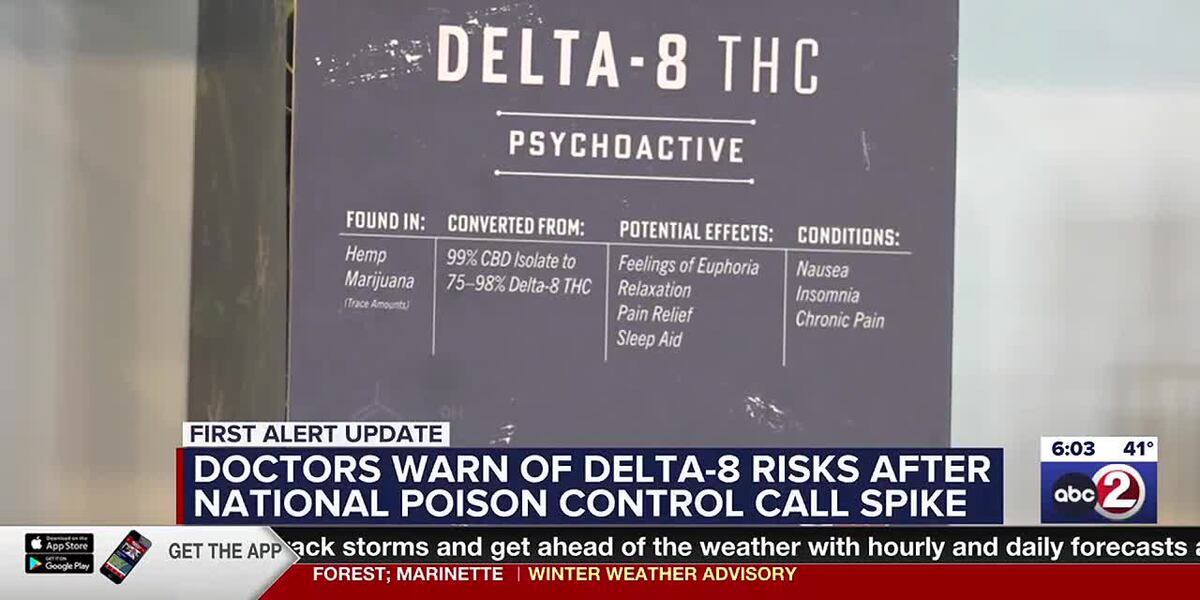
"Dangers of Unregulated Delta-8 THC Products Highlighted by Surge in Adverse Reactions"

Health experts are warning about the risks of delta-8 products after a significant increase in calls to poison control centers, particularly related to children accidentally ingesting the substance. The lack of FDA regulation means consumers may unknowingly purchase products containing delta-8, which can lead to serious health issues, especially when combined with heat. Experts advise keeping these products out of reach of children and urge caution when purchasing items labeled as CBD or hemp.

health-and-wellness1 year ago

Navigating the Unregulated World of Dietary Supplements and Protein Powders

Dietary supplements and protein powders are not regulated as strictly as drugs, leading to potential dangers for consumers. The unregulated market allows manufacturers to make unfounded claims and sell products containing hidden drugs, posing risks to consumers' health. The FDA has cracked down on some weight loss supplements for containing undeclared drugs, but challenges remain in regulating these products. Concerns also arise regarding the accessibility of supplements to adolescents and their potential impact on mental health and eating disorders. Researchers recommend focusing on preventive measures and regulations, such as taxing supplements with weight loss claims and banning their sale to minors, while medical professionals advise obtaining nutrients from whole foods and promoting balanced nutrition and exercise over reliance on supplements and powders.

health1 year ago

"Ketamine Therapy: Promising Results and Regulatory Challenges"

Ketamine therapy for mental health, although not FDA-approved, has seen a proliferation of for-profit clinics offering off-label treatments for depression, anxiety, and other mental health issues. The industry is growing rapidly, with concerns about variability in treatment protocols and lack of insurance coverage. While some practitioners advocate for its use as a desperate need for effective treatment, others warn of its potential risks and the need for standardized protocols. The emergence of ketamine therapy has also sparked fresh scrutiny following high-profile cases like Matthew Perry's death.

health-and-safety2 years ago

Hidden Vapes: Concerns Rise as School Supplies Double as Smoking Devices

Authorities are warning parents and teachers about vapes disguised as school supplies, such as highlighters, USB drives, pens, and phones, which are being imported from China and sold in stores across the US. These vapes often come in kid-friendly flavors and pose risks of nicotine addiction, lung damage, gum disease, and oral cancers. Additionally, illegal vapes may contain dangerous substances, including fentanyl. The FDA is urged to enforce regulations and remove these products from shelves, while parents are advised to talk to their children about the dangers of using these disguised vapes.