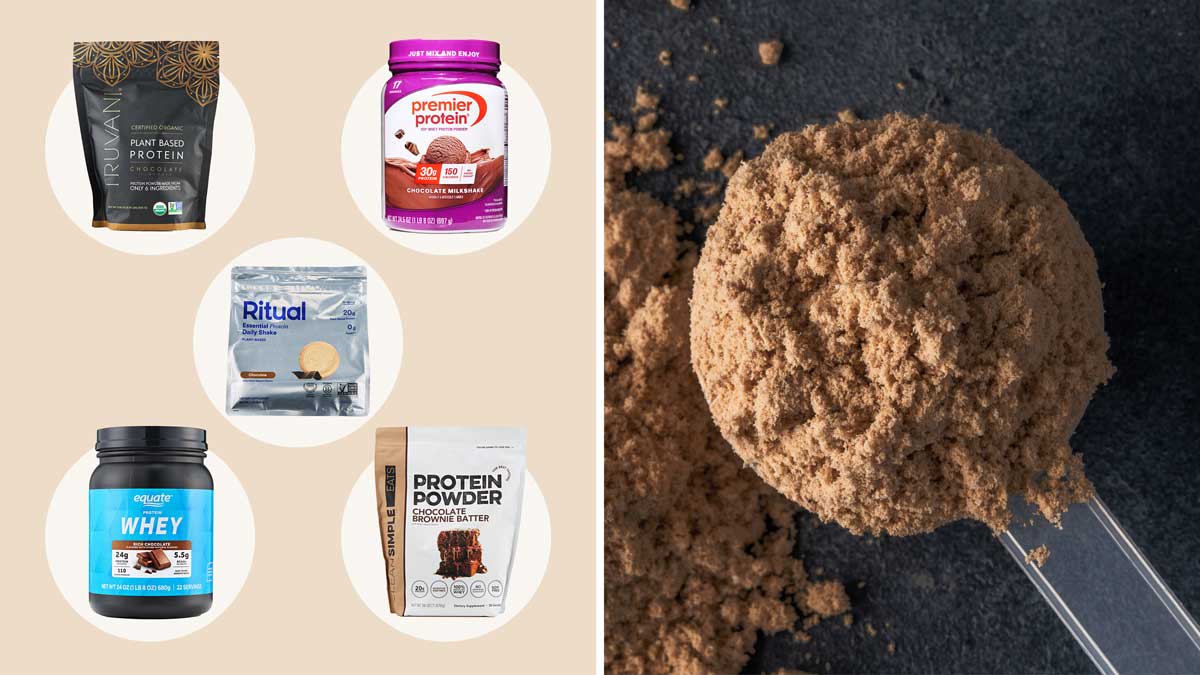
Consumer Reports tested five popular chocolate protein powders and found all had low levels of lead, with most below safety concern thresholds, highlighting that safer manufacturing is possible despite industry-wide regulatory gaps and inconsistent heavy metal levels across products.
A study by Consumer Reports found that some protein powders contain dangerously high levels of heavy metals like lead, cadmium, and arsenic, especially in plant-based products, raising health concerns and highlighting the need for better manufacturing practices.
A Consumer Reports investigation reveals that over two-thirds of popular protein powders and shakes in the U.S. contain unsafe levels of lead, with contamination increasing over time and largely originating from plant-based sources. The lack of federal regulation and reliance on self-regulation by companies exacerbate the issue, and experts advise that most people do not need protein supplements at all, as a balanced diet of whole foods suffices for meeting protein needs.
A Consumer Reports investigation found concerning levels of lead in many popular protein powders, especially plant-based ones, but advises moderation rather than panic, highlighting the lack of federal safety standards and urging consumers to scrutinize product labels and choose wisely.
New research reveals that dust storms around the Great Salt Lake are more frequent than previously thought, posing health risks especially to children due to toxic metals like arsenic and lead. The study highlights the need for better monitoring and preventative measures to protect communities from airborne pollutants originating from the lake's receding shoreline and industrial activities.
Recent studies reveal that vaping exposes users to high levels of heavy metals like lead and nickel, and poses significant health risks including increased blood pressure, heart stress, lung inflammation, and potential long-term cardiovascular and respiratory issues. Experts advise caution, emphasizing that inhaling heated chemicals is inherently harmful, and personal decisions about vaping should consider these risks.
Research from UC Davis indicates that disposable vapes release higher levels of carcinogenic metals like lead, nickel, and antimony than traditional cigarettes, posing significant health risks, especially to teens and young adults, with some devices exceeding safety limits for cancer and respiratory diseases.
Recent research indicates that pollution, including exposure to heavy metals and particulate matter, can increase the risk of osteoporosis, adding to known risk factors like poor diet and smoking.
A study published in The American Journal of Clinical Nutrition found that many prenatal vitamins contain toxic heavy metals like cadmium, arsenic, and lead, which may increase the risk of autism and other health issues in children. Researchers tested 47 prenatal vitamins and discovered discrepancies between label claims and actual contents, highlighting the need for stronger regulatory oversight. Despite these concerns, prenatal vitamins remain important, and women are advised to consult healthcare professionals to choose safe options.
A new study from the University of Colorado Anschutz Medical Campus reveals that some prenatal vitamins contain concerning levels of toxic heavy metals like arsenic, lead, and cadmium, while others lack essential nutrients such as choline and iodine. The study tested 47 prenatal vitamins and found discrepancies between label claims and actual contents, with some products exceeding safety limits for heavy metals. Despite these findings, researchers still recommend taking prenatal vitamins during pregnancy but urge stronger regulatory oversight and careful selection of supplements.
Robert F. Kennedy Jr. has outlined his priorities for the FDA, focusing on issues such as the regulation of raw milk, stem cell therapies, and the presence of heavy metals in consumer products. His agenda reflects a push for changes in how these areas are currently managed by the agency.
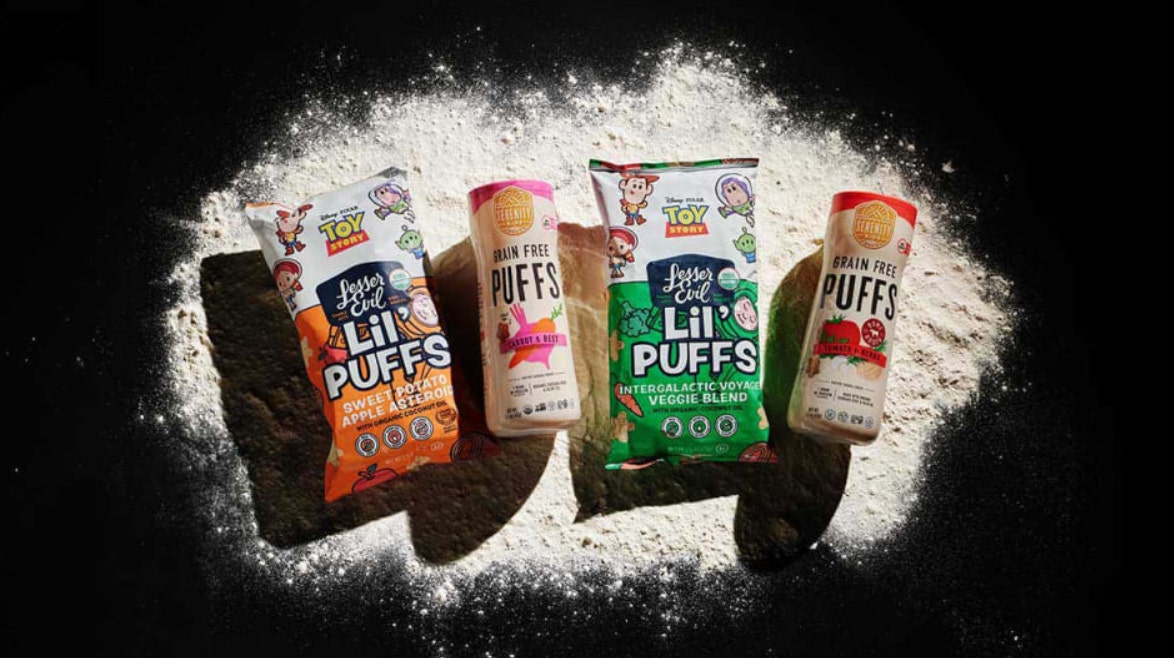
A Consumer Reports study found high levels of lead in popular kids' snacks from brands LesserEvil and Serenity Kids, with some products exceeding California Proposition 65's maximum allowable dose levels. The FDA currently lacks comprehensive standards for heavy metals in baby foods, prompting calls for stricter regulations. Serenity Kids maintains their products are safe and compliant with existing guidelines, while experts highlight the natural occurrence of lead in root vegetables like cassava.
Consumer Reports found that two brands of "healthy" chips for children, Lesser Evil and Serenity Kids, contain high levels of lead, a toxic metal linked to lower IQ, ADHD, and autism. The FDA states there is no safe level of lead for children. The contamination likely comes from cassava, a root vegetable used in the chips, which can accumulate lead from soil. Both brands defended the findings, citing the natural occurrence of heavy metals in the environment.
Consumer Reports tested Lunchables and similar lunch kits, finding high levels of sodium and heavily processed ingredients, as well as lead and cadmium in some samples. Experts warn of potential health risks, including increased cancer risk from processed meat and hazards of heavy metal exposure, especially for children. Kraft Heinz, the parent company of Lunchables, disputes the findings, stating that their products meet safety standards. Nutritionists emphasize the importance of moderation, variety, and nutrient-dense options in children's diets, calling for healthier school lunch choices and expanded partnerships for nutritious meal options.
Consumer Reports tested Lunchables and similar lunch kits, finding high levels of sodium and heavily processed food, as well as lead and cadmium in some samples. Experts warn of potential health risks, including increased cancer risk from processed meat and hazards of heavy metal exposure, especially for children. Kraft Heinz, the parent company of Lunchables, disputes the findings, stating their products meet safety standards. Nutritionists emphasize the importance of moderation, variety, and nutrient-dense options in children's diets, calling for more plant-forward, low-sodium alternatives in school lunches.