FDA relaxes certain rules on how foods can claim 'no artificial colors,' outlining when such statements can be used and how they must be substantiated, potentially shifting labeling practices and consumer expectations.
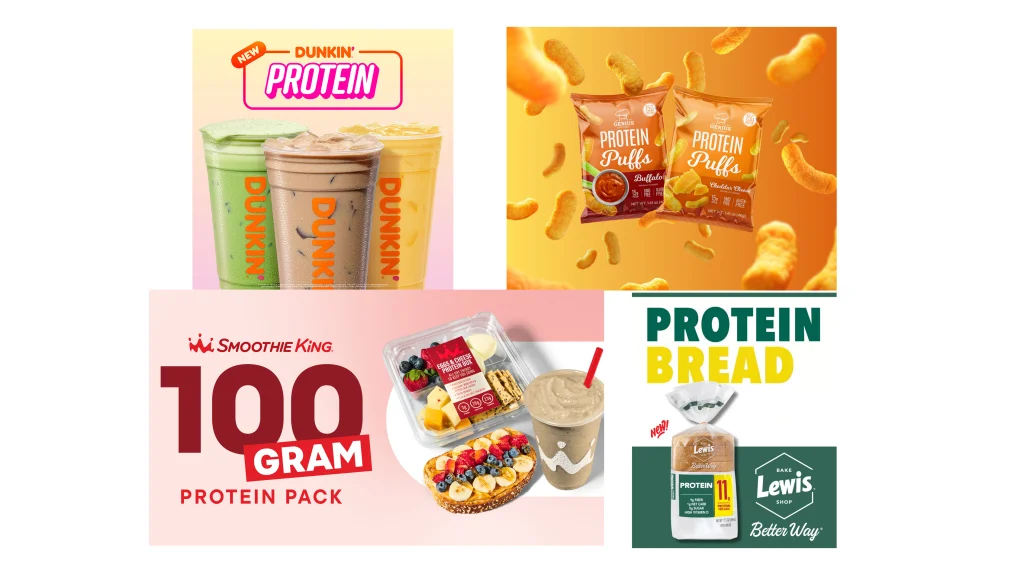
The latest U.S. dietary guidelines raise the recommended daily protein intake by 50% to 100% above prior levels, but most Americans already meet these needs. Experts emphasize choosing high-quality protein sources and maintaining a balanced diet with carbohydrates and fats, while recognizing individual needs based on weight, activity, and health. Food brands are increasingly marketing protein-forward products, which can mislead; consumers should watch for added sugars and additives. Excess protein isn’t risky for healthy people, but could be problematic for kidney or liver disease and may crowd out other nutrients.
Starting in 2026, California will implement numerous new laws affecting various sectors including environmental regulations like a plastic bag ban, consumer protections for food delivery, changes in streaming ad volume, and regulations on artificial intelligence transparency, among others.
Starting in 2026, California will implement numerous new laws affecting various sectors including environmental policies like a plastic bag ban, consumer protections for food delivery, streaming ad volume regulations, and new rules for AI transparency, healthcare, pets, and housing, among others.
Starting in 2026, California will implement numerous new laws affecting various sectors including environmental policies like a plastic bag ban, consumer protections for food delivery, streaming ad volume regulations, and regulations on artificial intelligence transparency, among others, impacting residents, businesses, and technology use.
The article critiques the use of the term 'ultraprocessed foods' (UPF) as a metric for health, arguing that it oversimplifies complex food issues, can be gamed by industry, and may mislead consumers about what constitutes unhealthy food. It emphasizes that focusing on ingredients and contents is more meaningful than broad labels like UPF, and highlights the challenges consumers face in navigating food quality and labeling, especially in the US.
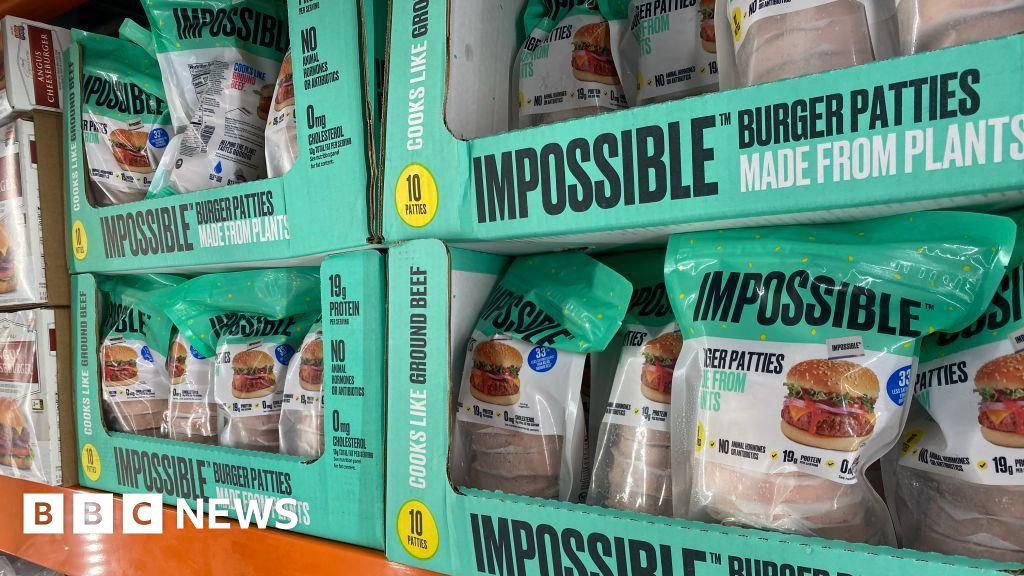
The European Parliament voted to ban the use of traditional meat-related terms like 'burger' and 'steak' for plant-based foods, aiming to prevent consumer confusion, though the full implementation depends on approval from the European Commission and member states. The move has received mixed reactions, with livestock and meat industries supporting it, while environmentalists and parts of the food industry criticize it as unnecessary and potentially misleading for consumers.
Research shows that people's beliefs and perceptions about food influence overeating as much as the food's actual nutrients, and classifying foods as ultra-processed adds little predictive value for overeating behavior. The study suggests focusing on food literacy and understanding psychological factors behind eating habits rather than blanket warnings on ultra-processed foods.
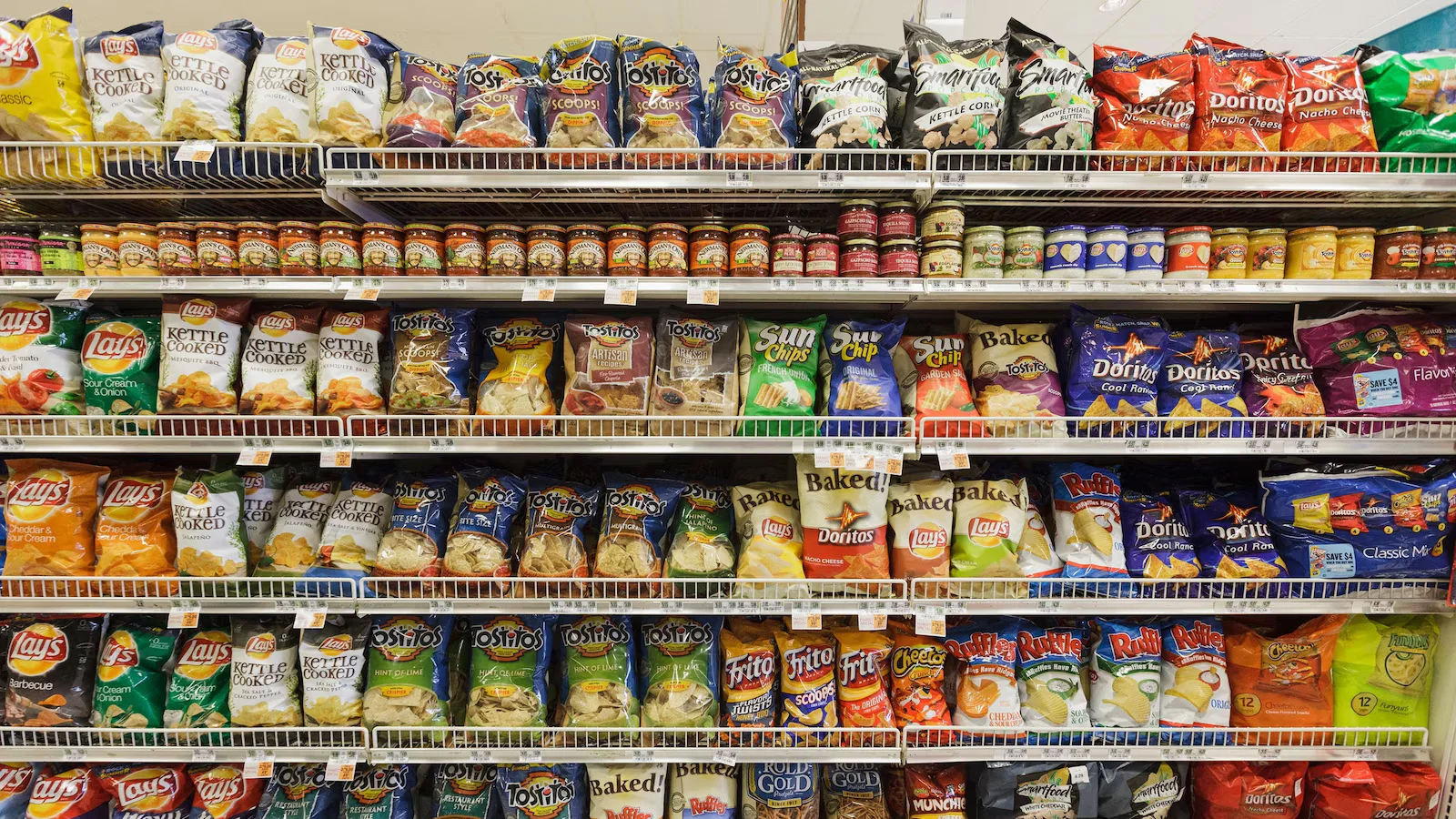
Ultra-processed foods, which are significantly altered from their original state and contain little whole food, make up over 50% of calories consumed by Americans and are linked to increased risks of weight gain, chronic diseases, and early death. Experts recommend reading ingredient lists and reducing intake by cooking more at home and advocating for clearer definitions and regulations around these foods.
While high-protein snacks are popular and marketed heavily, not all are genuinely high in protein or healthy. It's important to evaluate the actual protein content and overall nutritional value, considering factors like added sugars and processing. A simple calculation can help determine the true protein contribution, and whole foods like Greek yogurt, nuts, and vegetables are often better sources of protein than processed snacks with misleading labels.
The article discusses concerns over the high consumption of ultra-processed foods and artificial additives in the US, highlighting health risks, differences with European food standards, and the need for policy changes to promote healthier eating habits, especially around July Fourth celebrations.
Timothy Howard died from a severe allergic reaction to a contaminated chocolate bar, highlighting the dangers of food allergies and the need for clearer food labeling and better emergency treatments. His family advocates for increased awareness and safety measures to prevent similar tragedies, emphasizing the importance of reading labels and timely treatment during allergic reactions.
Many brown or wholegrain breads may be misleadingly colored or contain additives that diminish their health benefits. Genuine whole grains and traditional fermentation methods like true sourdough offer more nutritional value, especially for gut health, but labels can be deceptive. Reading ingredient lists carefully is essential to choose healthier bread options.
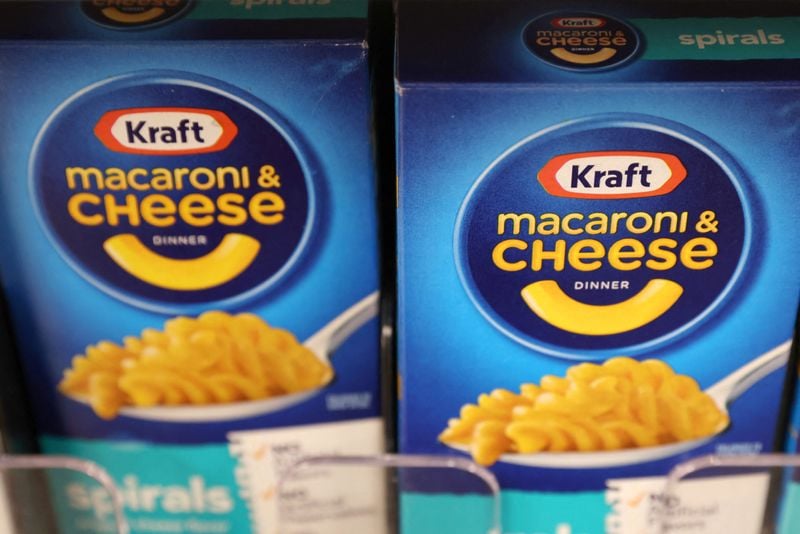
A federal judge ruled that Kraft Heinz must face a class action lawsuit alleging it misled consumers by claiming its Kraft Mac & Cheese contains no artificial preservatives. The plaintiffs argue that the product includes synthetic citric acid and sodium phosphates, which act as preservatives, contradicting the label's claims. Kraft Heinz denies these allegations, asserting the product's quality and lack of artificial ingredients. The lawsuit seeks damages for fraud and violations of consumer protection laws.
A 25-year-old dancer died from an allergic reaction after eating a mislabeled cookie from Stew Leonard's, leading to a recall of vanilla and chocolate Florentine cookies due to undeclared peanuts and eggs. The woman, identified as Órla Baxendale, moved to New York to pursue a dance career and died from anaphylactic shock. The cookies were produced by Cookies United and labeled with the Stew Leonard's brand name. Investigations are ongoing to determine the cause of the labeling error, and consumers are advised to dispose of or return the recalled cookies.