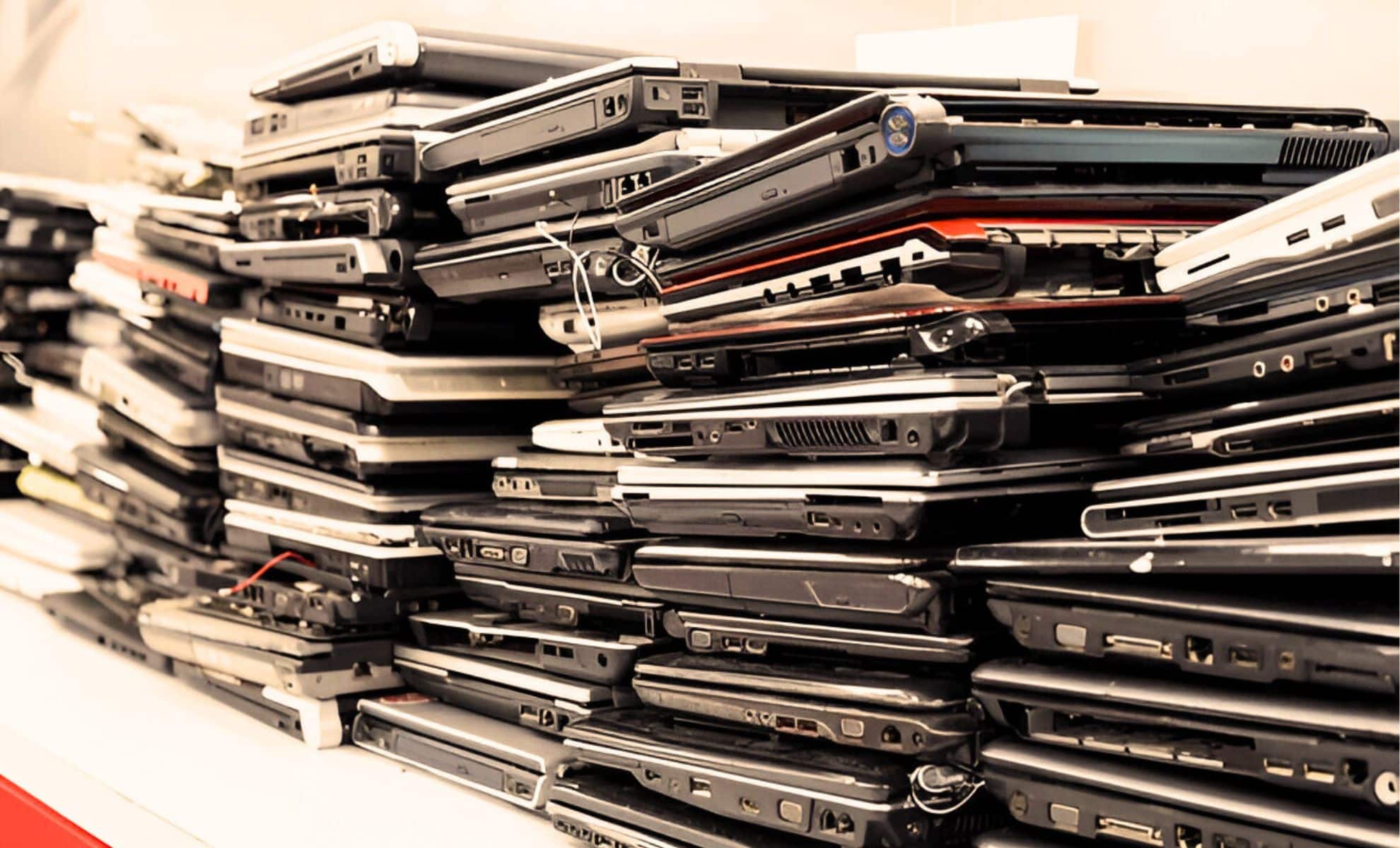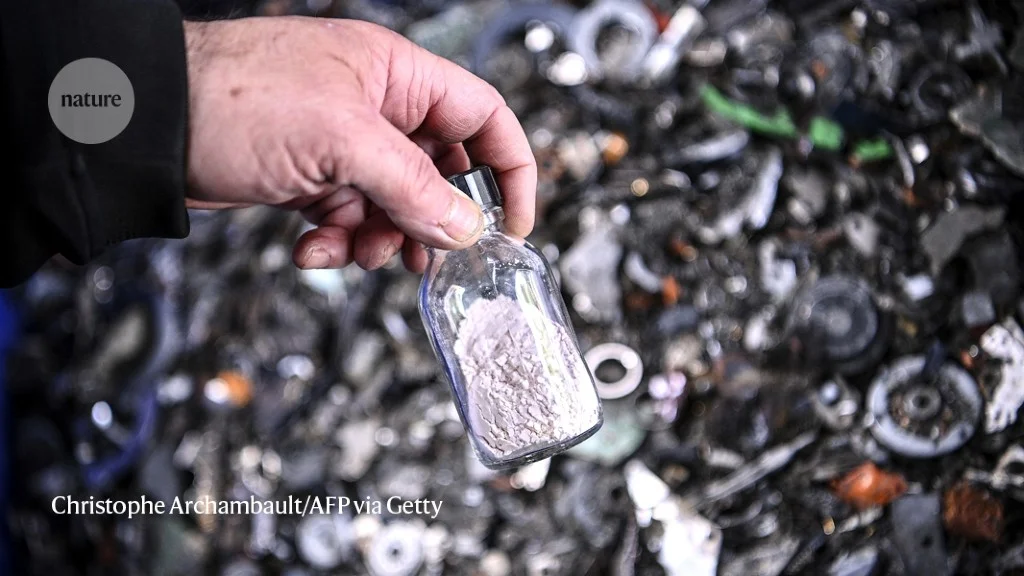
A team from ETH Zurich has developed an eco-friendly method to extract gold from electronic waste using whey protein, turning discarded gadgets into valuable gold nuggets and potentially revolutionizing e-waste recycling by reducing environmental harm and promoting a circular economy.
Vintage audio equipment is experiencing a resurgence as people seek alternatives to digital music, driven by nostalgia and a desire for a more personal experience. Shops like Mars Tapes in Manchester are thriving, selling cassette tapes and players to a predominantly young audience. The trend is part of a broader movement towards repairing and restoring old audio gear, with a significant increase in demand for repair services. This shift supports a circular economy by keeping products in use longer, as seen in the growing market for refurbished tech and repair services.
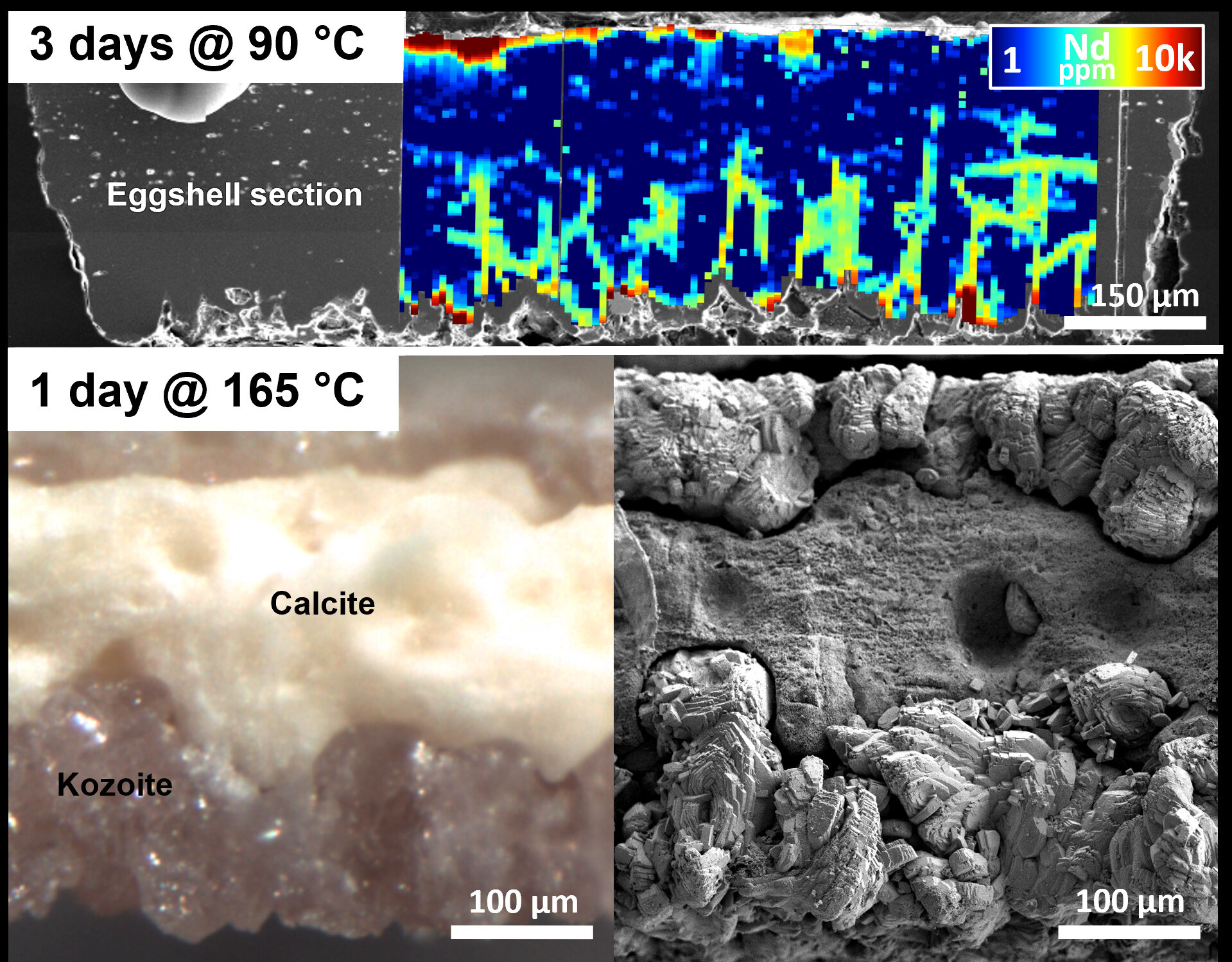
Researchers from Trinity College Dublin and iCRAG have discovered that eggshell waste can be used to recover rare earth elements (REEs) from water, offering an eco-friendly and low-cost method for extracting these critical materials needed for green energy technologies. The study, published in ACS Omega, highlights how calcium carbonate in eggshells can absorb and separate REEs, potentially transforming waste into a valuable resource and supporting sustainable practices.
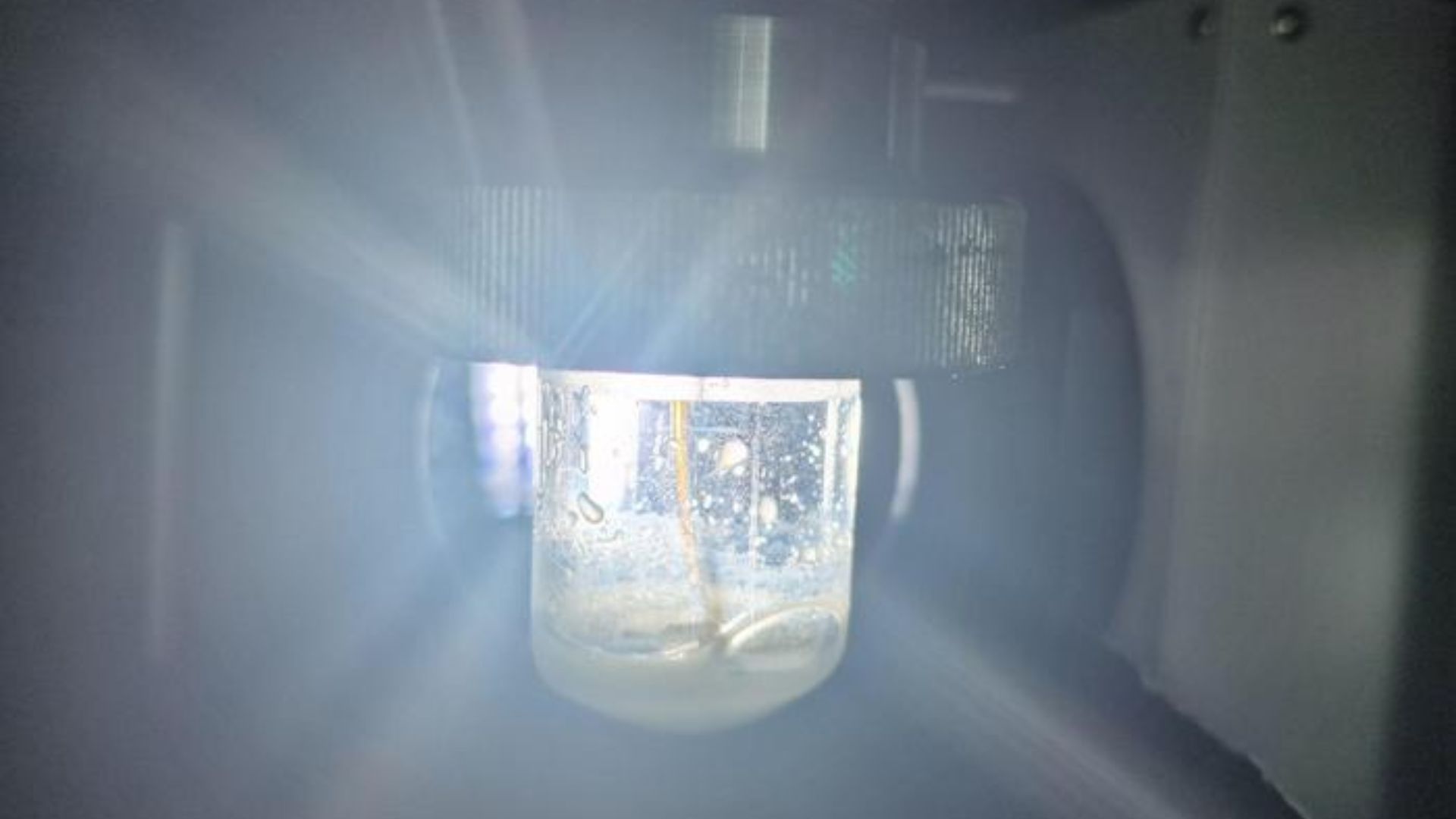
Scientists have developed a method using copper atoms to convert CO2 into sustainable fuel, such as methanol, which can replace fossil fuels. This approach aims to address the build-up of CO2 in the atmosphere, which contributes to global warming and climate change, by creating a circular economy around carbon-based fuels.
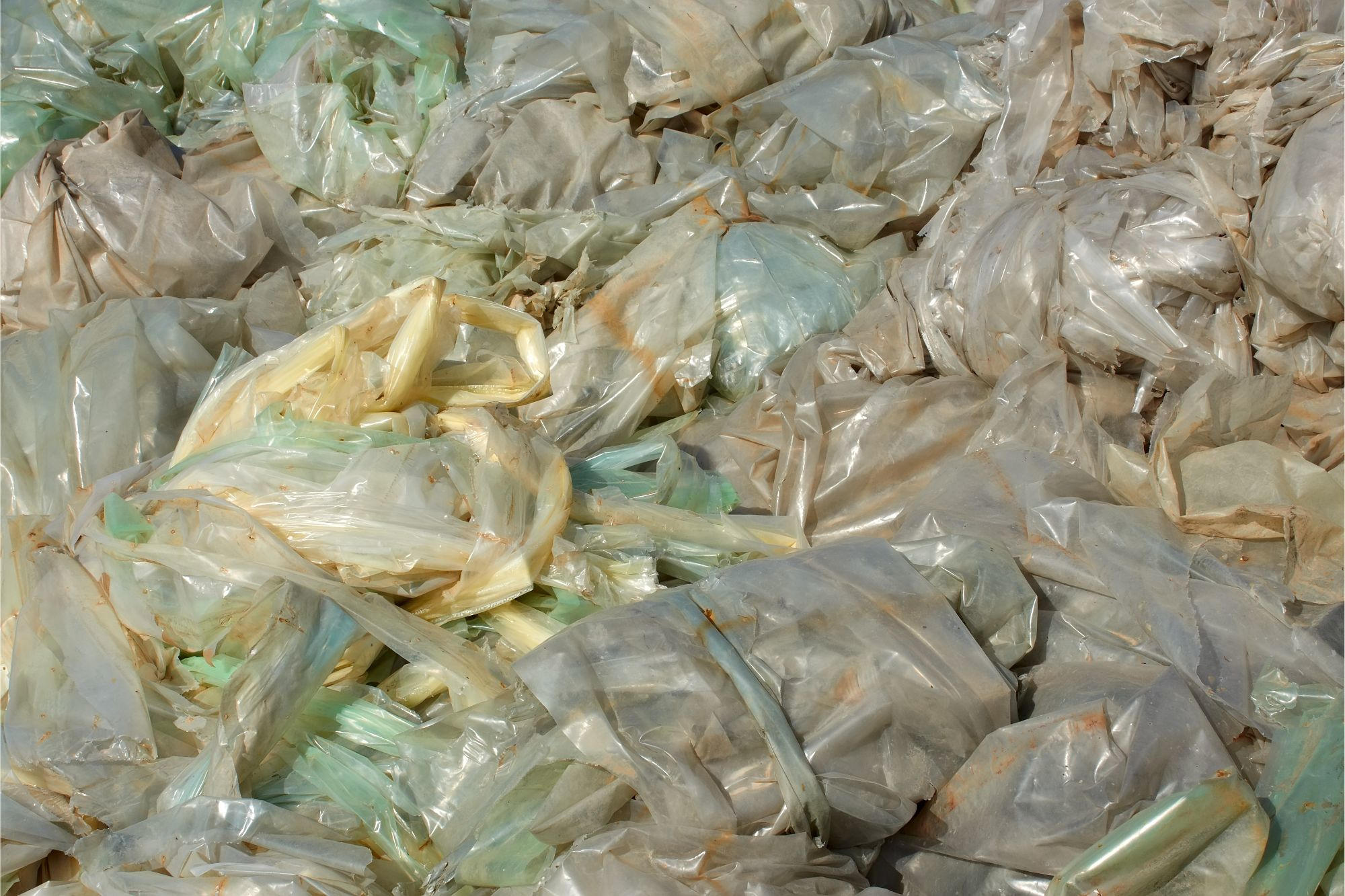
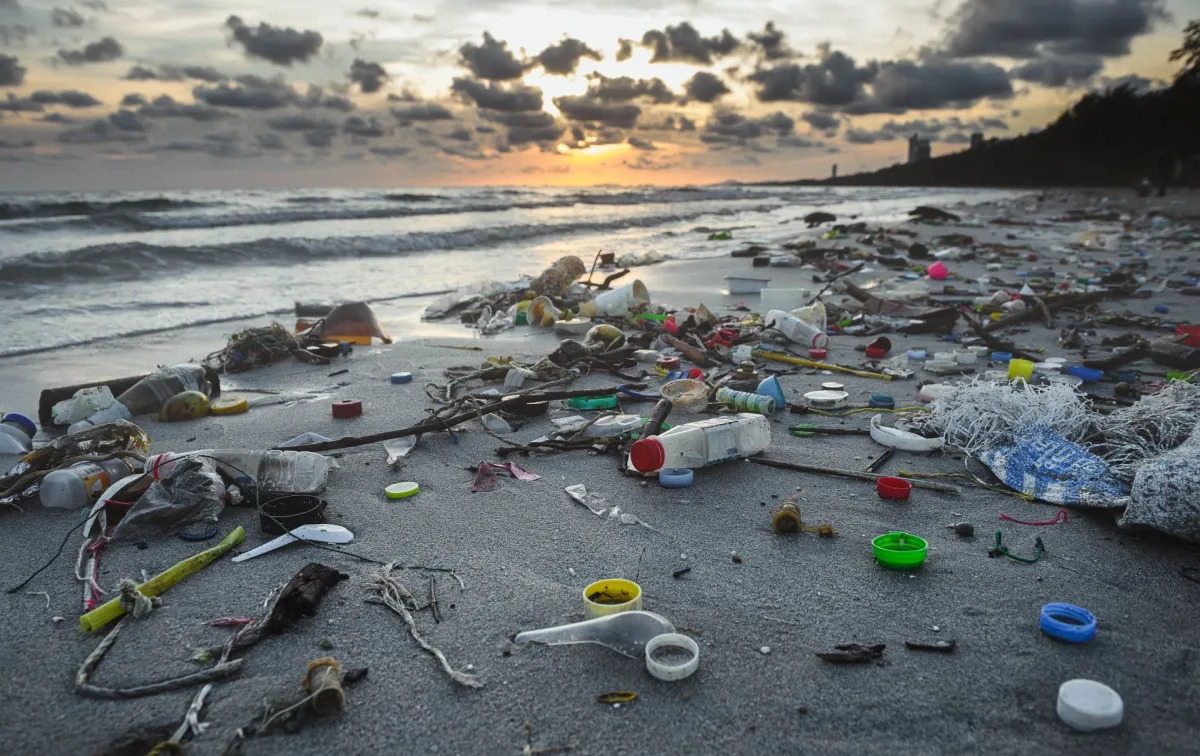
Researchers at the University of Adelaide have developed a method to convert polyethylene waste into valuable chemicals using light-driven photocatalysis and solar energy, offering a sustainable solution to plastic pollution and contributing to a circular economy. The process upcycles polyethylene plastic waste into ethylene and propionic acid with high selectivity using atomically dispersed metal catalysts, harnessing renewable solar energy and addressing contemporary environmental and energy challenges. This innovative approach could revolutionize waste management and chemical manufacturing while reducing plastic pollution.
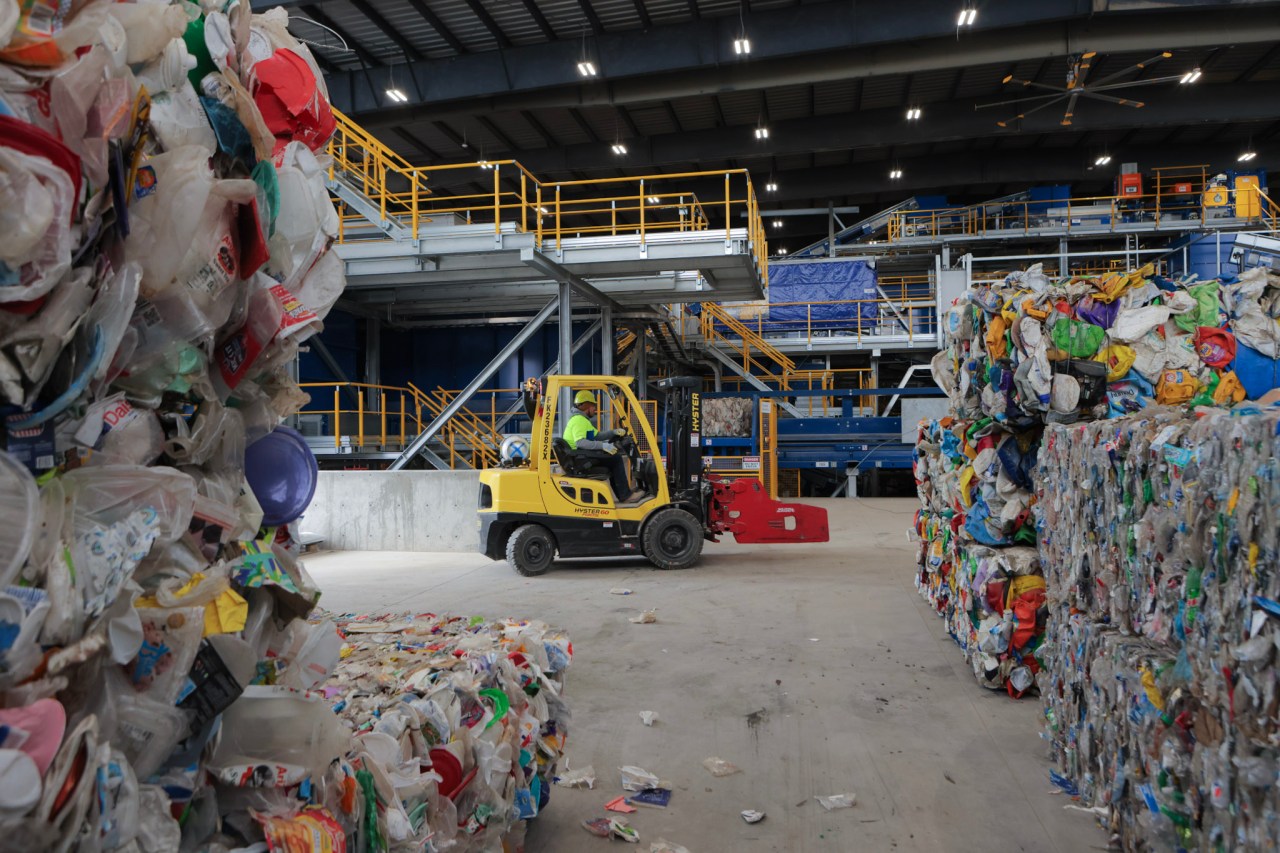
Republic Services has opened a unique $75 million recycling plastics facility in Las Vegas, aiming to reduce plastic waste in landfills. The facility, called the Polymer Center, will convert water bottles into flakes and use them to create new plastic bottles, extending their lifecycle. It is expected to produce over 100 million pounds of recycled plastics annually and will be the first of its kind in North America. The plant is set to be operational by January 2024 and will have a significant economic impact on the northeast valley of Las Vegas. Coca-Cola will be the facility's first customer, committed to using 50% recycled plastics in its packaging by 2030.
Milan-based company Krill Design is creating furniture products made from a patented plastic-like biomaterial named Rekrill, which is fully organic, biodegradable, and can be reused and recycled. Using fruit peel, orange seeds, and coffee ground waste collected from businesses in Italy, Krill's designs include bookends, stools, clocks, bowls, and lamps. The company aims to reduce waste and carbon emissions by repurposing food waste that would otherwise be incinerated or dumped in landfills. While Rekrill is more expensive than common plastic, Krill hopes that as awareness of the environmental impact of unsustainable plastics grows, the material will become more widely used.
The French environment ministry's anti-shopping campaign, aimed at promoting sustainable consumption and transforming Black Friday into a Green Friday, has sparked controversy within President Emmanuel Macron's administration. While the campaign seeks to combat unsustainable over-consumption, it has faced criticism from cabinet members, including the economy minister, who is concerned about rising unemployment and reducing living costs. The campaign, initiated by the French Government's Agency for Ecological Transition, uses humorous TV ads to encourage individuals to question their buying decisions and promote a circular economy. However, the Confederation of Small and Medium-Sized Businesses has condemned the campaign, citing concerns over inflation and a slowdown in economic activity in the retail sector.
Researchers at Northwestern University have discovered a common bacterium called Comamonas testosteroni that has the ability to "eat" plastic, potentially revolutionizing plastic recycling efforts. With less than 5% of plastic currently being recycled, this bacterium could be used in large-scale recycling operations due to its natural ability to break down plastic without requiring modification. The researchers also found that the bacterium could recycle plastic into different polymers, reducing our dependence on petroleum chemicals. While not yet in use at recycling facilities, this breakthrough could pave the way for a more sustainable and circular economy.
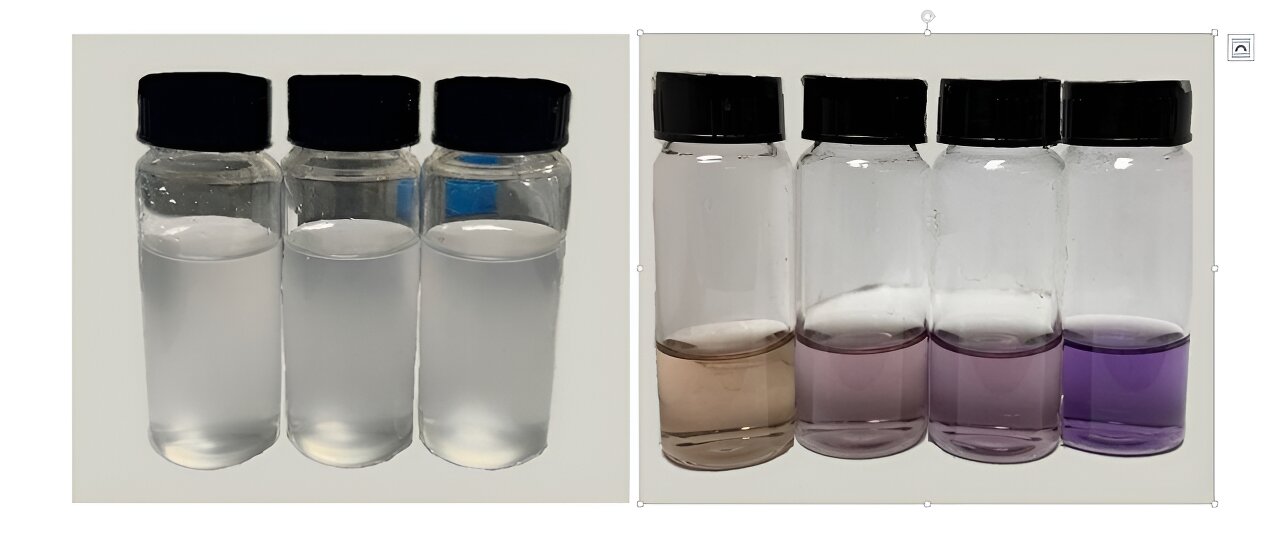
Researchers at São Paulo State University in Brazil have developed a method for removing glyphosate, a commonly used herbicide, from water using sugarcane bagasse. The technique involves isolating and chemically functionalizing the bagasse fibers, which can then adsorb glyphosate from water through processes like filtration or centrifugation. The researchers found that the most efficient removal occurred at pH 14. Glyphosate is known to pose health risks, and its use is restricted or banned in several countries. The method developed by the Brazilian researchers offers a potential solution for purifying water contaminated with glyphosate.
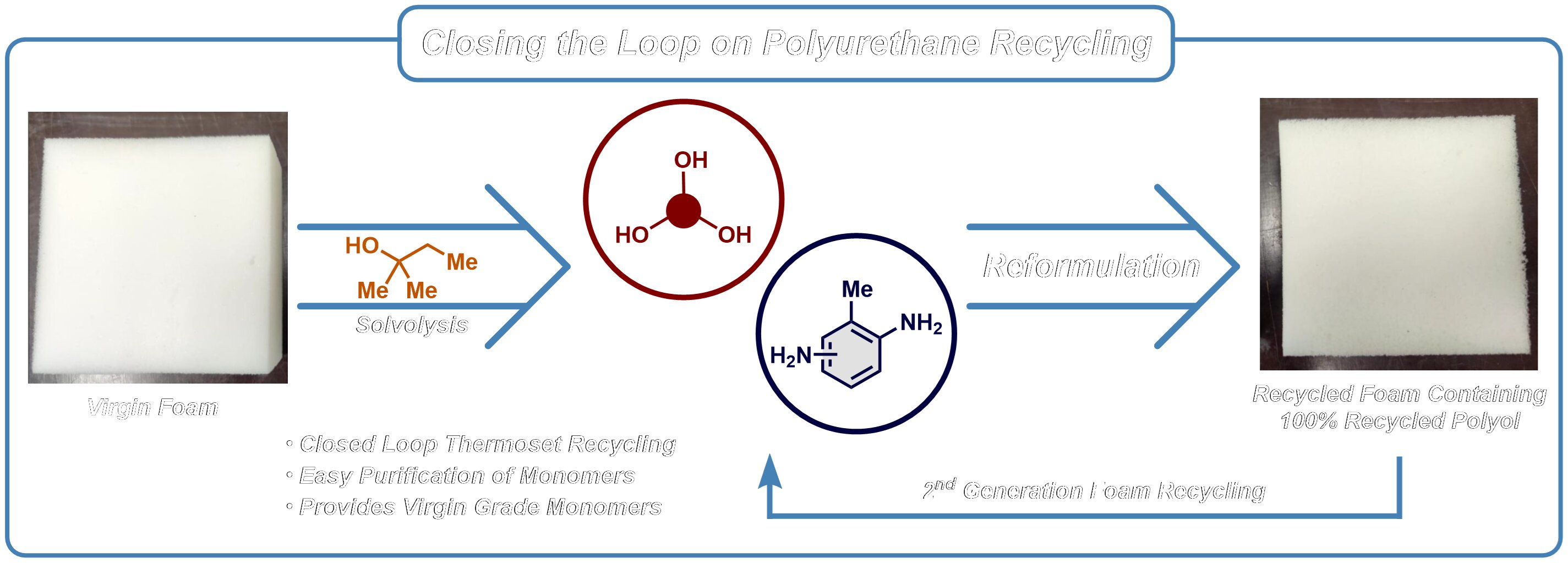
Researchers at Aarhus University have developed a method to break down polyurethane foam mattresses into their monomeric building blocks, allowing for the extraction of polyol, a key component. By using this extracted polyol as a raw material, they have successfully replaced 64% of a mattress without compromising quality. The process, called solvolysis, offers a potential solution to the challenge of recycling polyurethane, which is difficult to recycle and often ends up in landfills. While the method is not applicable to all types of polyurethane, it represents a step towards a circular economy for flexible polyurethane foam.
Scientists at The University of Texas in Austin have discovered an enzyme called FAST-PETase that can break down PET plastic, commonly used in food packaging and bottles, in just 24 hours. This breakthrough could revolutionize waste management and lead to a more sustainable circular plastics economy. By efficiently recycling plastic waste, the enzyme offers the potential to divert it from landfills and high-waste industries, reducing pollution and creating more useful products. The researchers are now working on scaling up production for real-world applications.
Scientists at The University of Texas in Austin have discovered an enzyme called FAST-PETase that can break down PET plastic, commonly used in food packaging and bottles, in just 24 hours. This breakthrough could revolutionize waste management and lead to a more sustainable circular plastics economy. By efficiently recycling plastic waste, the enzyme offers the potential to divert it from landfills and reduce pollution, while also providing opportunities for corporations to take a lead in recycling their products. The researchers are now working on scaling up production for real-world applications, envisioning a future where this enzyme can clean up landfills, high-waste industries, and polluted natural areas.
The demand for rare-earth elements (REEs) is rapidly increasing due to their crucial role in green technologies. However, their availability is limited, with China, the United States, and Russia controlling the majority of reserves and production. To meet soaring demand without damaging the environment, the REE industry needs to transition to a circular economy. This can be achieved by boosting global REE recycling, implementing compulsory take-back policies, investing in tracking and recovery technologies, reworking supply chains, and fostering global collaboration. These measures would ensure a sustainable and fair distribution of REEs, support green industries, and accelerate the global energy transition.
The fashion industry's waste problem is accelerating with the rise of fast fashion, and almost all clothing eventually ends up in a landfill. The industry contributes significant greenhouse gas emissions, and its carbon footprint is predicted to account for over 25% of the world's global carbon budget by 2050. Recycling old clothing into new clothing has barely made a dent in the industry, with less than 1% of textiles produced for clothing being recycled into new clothing. However, startups such as Evrnu, Renewcell, Spinnova, and SuperCircle are developing new business models to tackle the complexity of the fashion recycling problem. Major brands such as Levi's, Adidas, and Zara are also making progress in their attempts to fashion a circular economy.