Tag

Precision Medicine

All articles tagged with #precision medicine

Harnessing Data and Technology to Combat Aging and Improve Health

Originally Published 19 days ago — by WIRED

Featured image for Harnessing Data and Technology to Combat Aging and Improve Health
Source: WIRED

By 2026, advances in AI and aging science will enable precision medical forecasting, allowing for early prediction and prevention of major age-related diseases like cancer, cardiovascular, and neurodegenerative conditions through comprehensive data analysis and personalized interventions.

Low-Dose Aspirin Shows Promise in Reducing Colorectal Cancer Risk and Recurrence

Originally Published 3 months ago — by ScienceDaily

Featured image for Low-Dose Aspirin Shows Promise in Reducing Colorectal Cancer Risk and Recurrence
Source: ScienceDaily

A Swedish-led clinical trial found that low-dose aspirin significantly reduces the risk of colon and rectal cancer recurrence in patients with a specific genetic mutation, highlighting its potential as an affordable, personalized treatment option for colorectal cancer.

AI-Driven Discovery of Targeted Antibiotics for Gut Bacteria and IBD

Originally Published 3 months ago — by MIT News

Featured image for AI-Driven Discovery of Targeted Antibiotics for Gut Bacteria and IBD
Source: MIT News

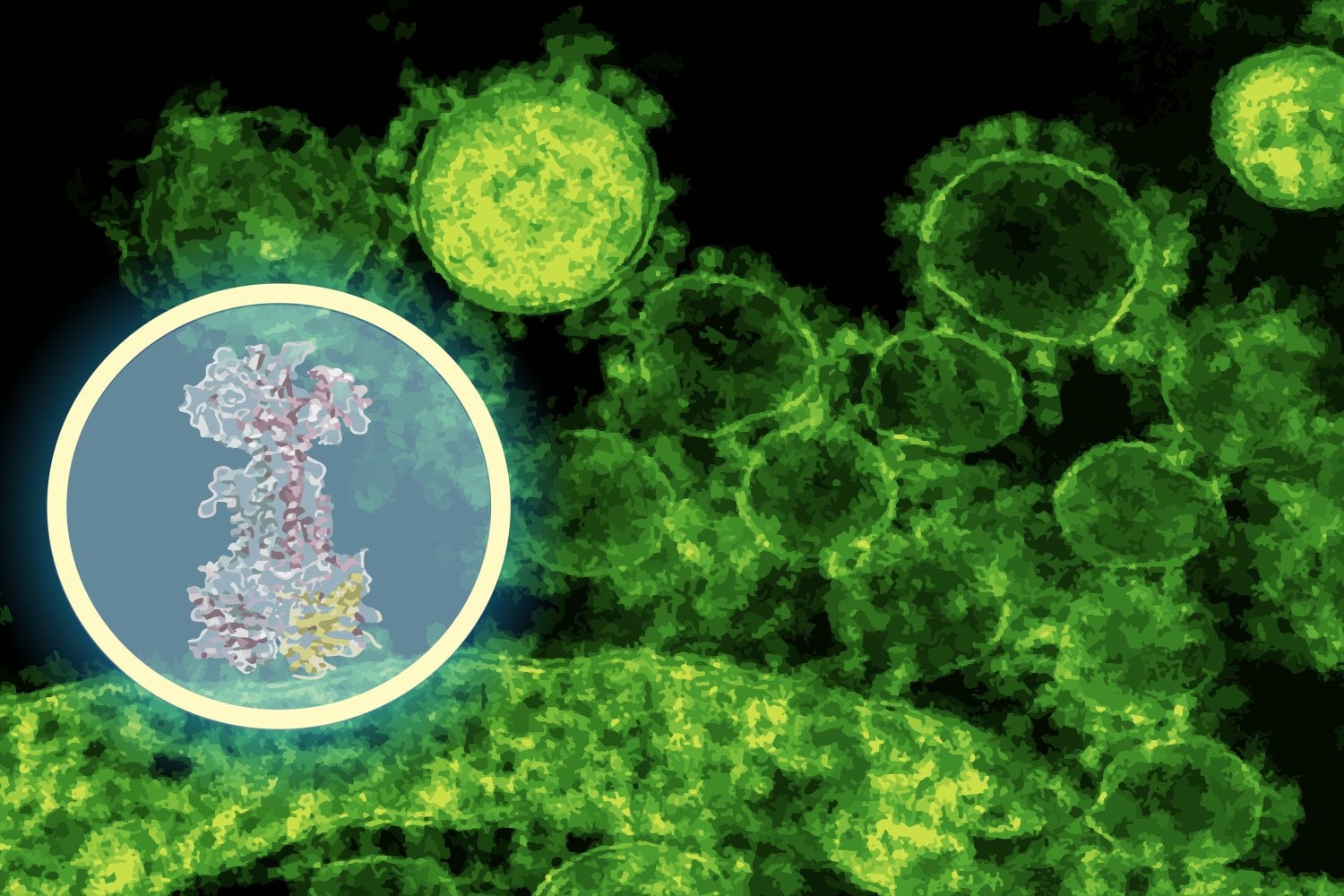
Researchers at MIT and McMaster University used AI, specifically DiffDock, to develop and understand a targeted antibiotic, enterololin, that treats gut bacteria linked to Crohn's disease with minimal impact on the microbiome, potentially revolutionizing treatment and reducing antimicrobial resistance.

Advances in Personalized Medicine and Immunotherapy Offer New Hope for Cancer Patients

Originally Published 3 months ago — by The Washington Post

Featured image for Advances in Personalized Medicine and Immunotherapy Offer New Hope for Cancer Patients
Source: The Washington Post

The article discusses the potential of precision medicine and immunotherapies to revolutionize cancer treatment, highlighting upcoming discussions and innovations such as antibody-drug conjugates, featuring experts from Pfizer and Yale Cancer Center.

New Genetic Study Reveals Multiple Autism Subtypes for Personalized Treatment

Originally Published 5 months ago — by Earth.com

Featured image for New Genetic Study Reveals Multiple Autism Subtypes for Personalized Treatment
Source: Earth.com

A major study by Princeton and the Simons Foundation identified four distinct biological and clinical subtypes of autism using data from over 5,000 children, revealing different genetic profiles and developmental timelines for each, which could lead to more targeted diagnosis and treatment approaches.

Gene Linked to Vitamin D Boosts Cancer Treatment and Autoimmune Disease Potential

Originally Published 5 months ago — by ScienceDaily

Featured image for Gene Linked to Vitamin D Boosts Cancer Treatment and Autoimmune Disease Potential
Source: ScienceDaily

Researchers used CRISPR to study the gene SDR42E1, crucial for vitamin D metabolism, finding that inhibiting it can selectively kill cancer cells and potentially lead to new cancer treatments, while also suggesting broader applications in diseases influenced by vitamin D. However, long-term effects need further investigation.

New Research Questions the Reliability of Race as a Proxy for Genetic Ancestry

Originally Published 7 months ago — by Live Science

Featured image for New Research Questions the Reliability of Race as a Proxy for Genetic Ancestry
Source: Live Science

A large U.S. study shows that people's self-identified racial and ethnic categories do not accurately reflect their genetic ancestries, highlighting the complexity of genetic diversity and the limitations of using race and ethnicity as proxies in genetic research and personalized medicine.

"AI Identifies Six Unique Types of Depression and Anxiety"

Originally Published 1 year ago — by CNN

Featured image for "AI Identifies Six Unique Types of Depression and Anxiety"
Source: CNN

A new study has identified six subtypes of major depression using brain imaging and machine learning, potentially paving the way for more precise and effective treatments. The research, published in Nature Medicine, tested how three of these biotypes responded to different antidepressants and therapies. This approach could significantly improve treatment outcomes by matching patients with the most suitable therapies from the start, reducing the trial-and-error process currently prevalent in depression treatment. However, further studies with more diverse samples and additional treatments are needed to validate these findings.

"New Targeted Therapy Achieves Long-Lasting Remission in Resistant B-Cell Lymphoma"

Originally Published 1 year ago — by National Institutes of Health (NIH) (.gov)

Featured image for "New Targeted Therapy Achieves Long-Lasting Remission in Resistant B-Cell Lymphoma"
Source: National Institutes of Health (NIH) (.gov)

NIH researchers have developed a five-drug combination therapy, ViPOR, that achieves lasting remissions in patients with aggressive B-cell lymphoma resistant to standard treatments. In a clinical trial, ViPOR led to complete tumor disappearance in 38% of patients and showed significant survival benefits, particularly in specific subtypes of diffuse large B-cell lymphoma (DLBCL). The treatment's side effects were generally mild to moderate, and further studies are planned to confirm its efficacy and explore its use in other lymphoma types.

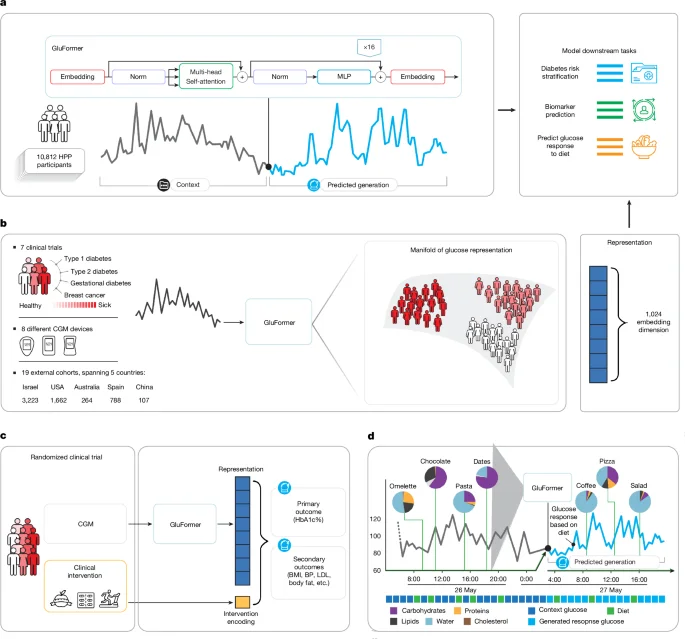
"Man Reverses Diabetes and Loses Weight with Digital Twin Technology"

Originally Published 1 year ago — by Business Insider

Featured image for "Man Reverses Diabetes and Loses Weight with Digital Twin Technology"
Source: Business Insider

Devlin Donaldson, a CEO diagnosed with type 2 diabetes, reversed his condition and lost significant weight using a digital twin technology from Twin Health. The digital twin provided personalized health insights and real-time feedback on diet, exercise, and medication, leading to his diabetes remission and improved overall health. This precision medicine approach, which includes continuous glucose monitoring and other health tracking tools, is gaining traction for its effectiveness in managing chronic conditions.

"AI Tool Predicts Personalized Cancer Therapy Outcomes from Single-Cell Data"

Originally Published 1 year ago — by National Institutes of Health (NIH) (.gov)

Featured image for "AI Tool Predicts Personalized Cancer Therapy Outcomes from Single-Cell Data"
Source: National Institutes of Health (NIH) (.gov)

Researchers at the National Institutes of Health (NIH) have developed an AI tool that uses single-cell RNA sequencing data to predict whether a person’s cancer will respond to a specific drug, potentially leading to more precise matching of cancer patients with effective drugs. The tool, called Personalized Single-Cell Expression-based Planning for Treatments In Oncology (PERCEPTION), was able to accurately predict drug responses at the individual cell level and identify resistance to certain drugs in cancer patients. The researchers believe that this approach could lead to more lasting drug responses, but caution that its accuracy will improve as single-cell RNA sequencing data become more widely available.

"Accelerating Pediatric Cancer Treatment with Personalized Precision Medicine"

Originally Published 1 year ago — by The Conversation

Featured image for "Accelerating Pediatric Cancer Treatment with Personalized Precision Medicine"
Source: The Conversation

Cancer remains a leading cause of death, with increasing diagnoses among younger patients. Standard cancer treatments often prove ineffective, leading to uncertain outcomes. Functional precision medicine, which involves testing drugs on tumor samples to identify the most effective treatments, has shown promising results in improving outcomes for cancer patients, particularly in children. This approach, combined with DNA analysis and artificial intelligence, holds potential for providing personalized cancer treatments and is being further studied in clinical trials to help more patients access tailored therapies.

"Predicting Multiple Sclerosis Course and Treatment Response Through Immune Signatures and Subtype Discovery"

Originally Published 1 year ago — by Multiple Sclerosis News Today

Featured image for "Predicting Multiple Sclerosis Course and Treatment Response Through Immune Signatures and Subtype Discovery"
Source: Multiple Sclerosis News Today

Researchers have identified three distinct immune signatures in the blood of people with early multiple sclerosis (MS) that are linked to specific disease trajectories and response to treatment, potentially paving the way for personalized care. By understanding individual immune system variations among patients, personalized treatment plans that are more effective and have fewer side effects could be developed. Checking a patient’s blood for a specific immune signature before starting treatment could help personalize care and improve clinical outcomes for individuals living with MS.

Uncovering Genetic Triggers for Cerebral Palsy through Breakthrough Discoveries

Originally Published 1 year ago — by Medical Xpress

Featured image for Uncovering Genetic Triggers for Cerebral Palsy through Breakthrough Discoveries
Source: Medical Xpress

A Canadian-led study using whole-genome sequencing has identified genetic variants associated with cerebral palsy (CP) in children, shedding light on the condition's genetic contributors. The research found that over 10% of children with CP had a genetic variant linked to their condition, with many variants overlapping with other neurodevelopmental conditions. The data, now available for research, aims to improve understanding of CP's genetic and environmental risk factors, potentially leading to individualized treatment approaches.